Gas Appliance Vents and Chimneys
Gas furnaces, water heaters, and fireplaces all need to vent their exhaust safely. Here's a plain-English overview of how that venting relates to chimneys — and why it's strictly pro territory.
Gas appliances — furnaces, water heaters, and fireplaces — produce combustion byproducts, including carbon monoxide, that must be carried safely out of the home. That happens through a chimney flue, a dedicated vent pipe, or a direct-vent system, depending on the appliance. Because improper venting can let hazardous gases build up indoors, this is strictly safety-critical work for qualified professionals. A homeowner's role is to keep CO alarms working, watch for warning signs, and call a pro — not to inspect or adjust gas venting.
Most home systems announce themselves when they need attention. Gas venting is quieter, and that quiet is exactly what makes it worth understanding. It's the invisible plumbing that carries the exhaust from a furnace, water heater, or gas fireplace safely out of the house, and when it's doing its job you have no reason to think about it at all. When it isn't, the stakes climb fast. This is a high-level overview rather than a how-to — deliberately so, because gas venting sits firmly outside do-it-yourself territory. The aim is to help you see how gas appliances relate to your chimney, know the signs of trouble, and understand when to pick up the phone.
Why the exhaust has to go somewhere
Anything that burns fuel produces combustion byproducts, and gas is no exception. Some of those byproducts are harmless; one of them, carbon monoxide, is odorless, colorless, and genuinely dangerous. None of them can be allowed to accumulate indoors. Venting is simply the system that collects that exhaust and routes it outside where it belongs.
That single function is the whole reason venting carries so much weight. When it works, the exhaust leaves quietly and no one gives it a thought. When it fails, the consequences can be severe — which is why the entire subject is handled as safety-critical rather than as ordinary home maintenance.
Three routes to the outside
Gas appliances don't all vent the same way. At a high level there are a few distinct methods, and which one an appliance uses is dictated by its design, not by whatever happens to be convenient. A qualified professional determines the right approach and installs it.
| Venting method | In brief |
|---|---|
| Through a chimney flue | Exhaust rises through a correctly sized and lined flue |
| Dedicated vent pipe | A metal vent routes exhaust up and out |
| Direct-vent system | A sealed system vents through a wall, often drawing outside air too |
The point to hold onto is that these are not interchangeable. An appliance is matched to a specific venting method, and any flue or vent has to suit that particular appliance and fuel. Swapping one approach for another, or assuming an existing route will simply work, is precisely the kind of judgment that belongs to a professional.
Where the chimney fits in
Some gas appliances do vent through a chimney — but a chimney isn't automatically fit for the job just because it's standing there. The flue has to be the right size and properly lined for the specific appliance and fuel involved. An old masonry flue originally built for a wood fireplace, for example, isn't necessarily appropriate for a modern gas appliance, even though both are carrying combustion byproducts upward.
This is where the chimney liner basics become central: the liner is at the heart of venting safely, and whether it suits a given gas appliance is a technical question rather than a visual one. The chimney's physical condition matters too — the same moisture and structural issues covered in how water gets in around a chimney can compromise a flue that's also pulling venting duty. Whether a particular chimney can safely vent a particular gas appliance is, every time, a professional's call.
The signs that mean call now
You don't diagnose gas venting yourself, but you absolutely should recognize the outward signals that warrant an immediate professional call. Watch for soot or dark staining around an appliance, vent, or flue opening; for persistent odors near a gas appliance; for condensation, rust, or corrosion on vent pipes; for a flame or pilot behaving oddly, such as an unusual color or an unsteady burn; and — most serious of all — for a carbon monoxide alarm sounding.
Those working CO alarms are an essential backstop, not an optional extra. They detect exactly the invisible hazard a venting failure can produce, which is why keeping them installed and functional is one of the single most valuable things a homeowner can do. Letting an alarm go dead, or brushing one off as a false alarm, removes the one warning you might otherwise get.
If the CO alarm sounds
Treat a sounding carbon monoxide alarm as an emergency, not a nuisance to be silenced:
- Get everyone into fresh air — outside the home.
- Contact emergency services or your gas provider as directed by the alarm's instructions and local guidance.
- Do not try to locate or fix the source yourself.
- Have a qualified professional inspect the appliances and their venting before anything is used again.
Leaving the work where it belongs
The consistent thread through all of this is that inspecting, connecting, adjusting, or repairing gas venting is regulated, safety-critical work for professionals — not a weekend project. A homeowner's legitimate role is narrow and important: keep vents clear of obvious external obstructions, maintain those CO alarms, and stay alert to the warning signs above. Everything hands-on beyond that belongs to a trained pro.
So call a qualified professional for any installation, change, or repair involving gas appliances and their venting — and immediately if you notice soot, odors, corrosion on vent pipes, an odd flame, or a carbon monoxide alarm. Beyond those triggers, gas appliances and their venting should be inspected on a regular schedule, because venting problems can develop invisibly with nothing seeming wrong until they aren't. As for what it costs, several factors come into play, including the appliance type, the venting method, and the condition of any existing flue or liner. To keep the chimney side of the picture sound, fold it into a seasonal chimney inspection, and browse the broader chimney guides for how the visible parts fit together.
Frequently asked questions
How do gas appliances vent their exhaust?
Gas appliances produce combustion byproducts that must be carried safely out of the home. Depending on the appliance, that happens through a chimney flue, a dedicated metal vent pipe, or a direct-vent system through a wall. The right method depends on the appliance type and its design, which is why venting is set up and verified by qualified professionals rather than chosen by guesswork.
Can a gas appliance use an existing chimney?
Some gas appliances vent through a chimney flue, but the flue has to be correctly sized and lined for that appliance and fuel. An old flue built for a different use isn't automatically suitable. Whether a particular chimney can safely vent a given gas appliance is a technical judgment for a qualified professional, not something to assume.
Why is proper gas venting so important?
Because the byproducts of gas combustion — including carbon monoxide — are hazardous if they don't leave the home properly. Correct venting carries them safely outside. A blocked, disconnected, corroded, or improperly sized vent can allow dangerous gases to accumulate indoors, which is why this is treated as strictly safety-critical work.
What warning signs suggest a venting problem?
Possible signs include soot or staining around an appliance or vent, a persistent odor, condensation or corrosion on vent pipes, a pilot or flame that behaves oddly, or, most seriously, a carbon monoxide alarm sounding. Any of these calls for immediate professional attention. Working CO alarms are an essential backstop for exactly this reason.
Can I inspect or adjust gas venting myself?
No. Gas appliance venting is safety-critical and, in most places, regulated work. Homeowners can keep vents clear of obvious external obstructions and maintain CO alarms, but inspecting, adjusting, connecting, or repairing gas venting must be done by a qualified professional. This is not a do-it-yourself area.
What should I do if my carbon monoxide alarm goes off?
Treat it as an emergency. Get everyone out into fresh air, and contact emergency services or your gas provider as directed by the alarm's instructions and local guidance. Do not try to find or fix the source yourself. Once the situation is safe, have a qualified professional inspect the appliances and their venting before using them again.
How does chimney venting for gas differ from a wood fireplace?
Both carry combustion byproducts out, but the requirements differ. Gas appliances have specific venting and lining needs based on the appliance and fuel, and gas exhaust behaves differently than wood smoke. A flue that vents a wood fireplace isn't automatically right for a gas appliance. Matching the venting to the appliance is a job for a qualified professional.
When should I call a professional about gas venting?
Call a qualified professional for any installation, change, or repair of gas appliances and their venting, and immediately if you notice soot, odors, corrosion on vents, or a CO alarm. You should also have gas appliances and their venting inspected on a regular schedule. Because this is safety-critical work, it always belongs to a trained pro.
Related guides
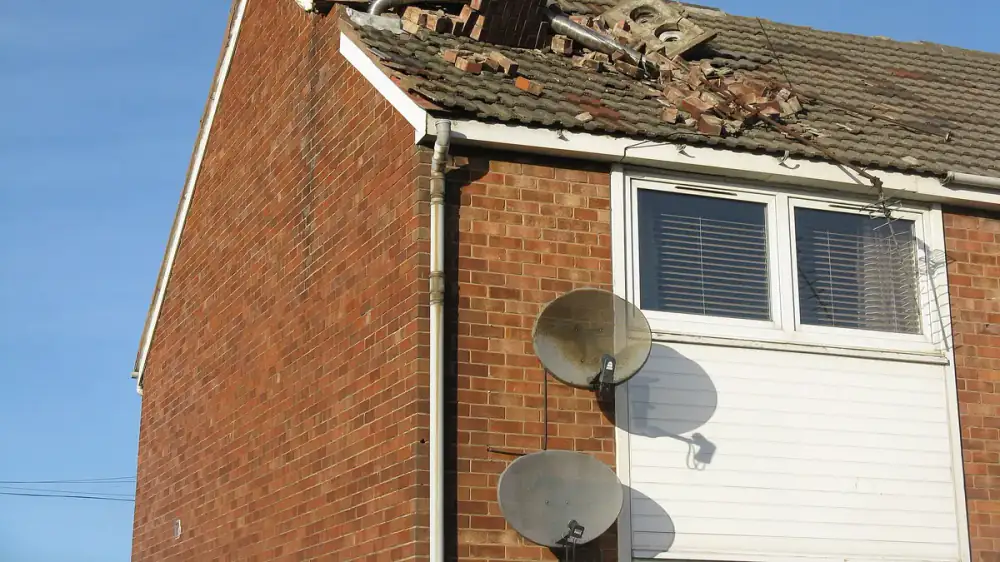
Chimney Storm Damage: What to Check
Storms dislodge caps, crack crowns, and lift flashing. Here's a ground-level, post-storm chimney check — what to look for, what to do, and when to call a pro.
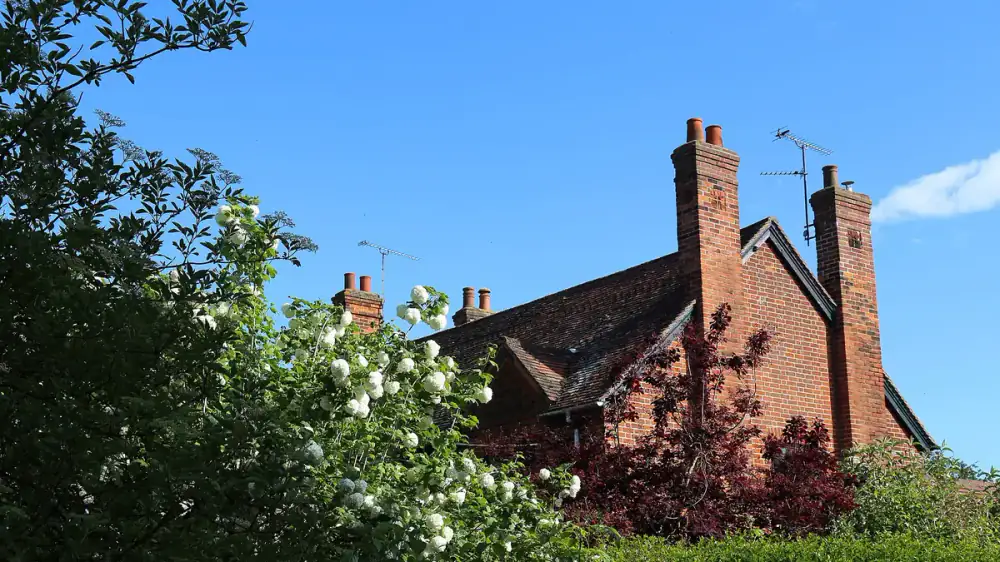
Seasonal Chimney Inspection From the Ground
A short binocular check each season catches most chimney trouble early. Here's what to look for from the ground, a simple cadence, and when to book a pro sweep.
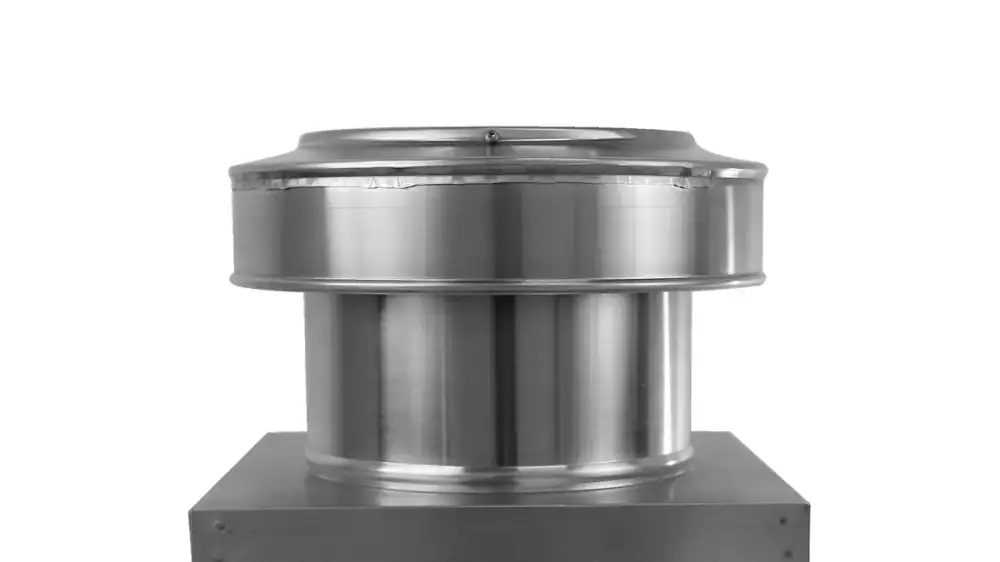
Roof Vents and Vent Covers Explained
Roof vents let the attic breathe, and their covers keep weather out while air keeps moving. Here are the common types, what covers do, and how to spot damage safely.