How to Choose a Chimney Professional
Chimney work is high, hidden, and hard to check afterward — which makes choosing who does it unusually consequential. Here's how to vet a professional when you can't easily verify the work yourself.
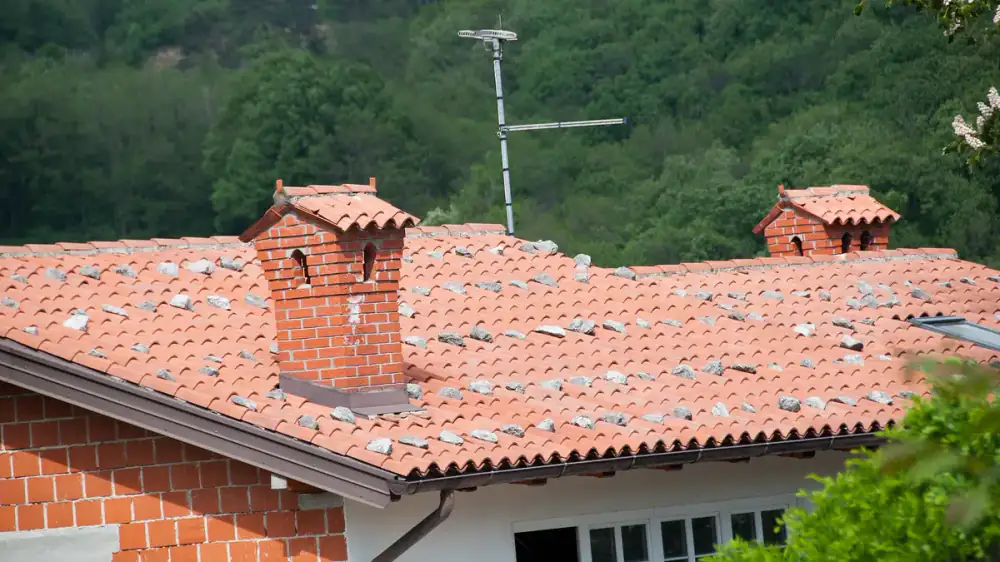
Choose a chimney professional the way you'd choose someone for any work you can't easily check afterward: verify experience, credentials, and insurance; insist on an inspection before a quote and a clear written scope; get more than one quote to compare scope, not just price; and weigh how transparent they are — a good one shows you evidence and doesn't pressure you. Because the work is high and hidden, front-end vetting matters more than usual. Licensing rules vary by area, so check yours.
Choosing a chimney professional carries a weight that choosing, say, a painter doesn't — and the reason is structural, not personal. Chimney work happens at the highest point of the house and often deep inside a flue you'll never see. You can't stand over the work, you can't easily inspect it when it's done, and you often can't tell for years whether it was done well. That inaccessibility flips the usual dynamic: when you can't verify the output, you have to vet the person far more carefully on the front end. This guide is about doing that vetting well, and it names no brands on purpose — the goal is to make you a sharper judge, not to point you at a company.
Why this decision is different
Most home repairs let you check the result. A repaired fence, a painted wall, a new faucet — you can see whether the job's good. A chimney repair mostly denies you that. The crown resurfacing is on a rooftop you can't safely reach; the repointing is high on a wall; the flue liner work is literally inside the chimney. You're buying something you largely can't audit.
That reality should shape your whole approach. Since you can't lean on after-the-fact verification, you lean harder on everything you can assess beforehand: credentials, insurance, references, the quality of the inspection, the clarity of the scope, and — maybe most tellingly — how the person behaves during the process. The general principles here overlap heavily with vetting any trades professional, and how to evaluate an exterior contractor is worth reading alongside this for the broader framework.
The verifiable basics
Start with the things you can actually confirm, because they filter out a lot.
Experience and credentials. Ask how long they've done chimney work specifically, and what certifications or training they hold. Industry certifications and demonstrable, relevant experience are meaningful signals of competence. Chimney work is specialized — masonry, flues, flashing, and safety all intersect — so general handyman experience isn't the same as chimney experience.
Insurance. This one is non-negotiable and easy to verify: ask for proof that they carry proper insurance. Work at the top of a house carries real risk, and you don't want liability landing on you because someone was hurt on your roof. A professional who can't or won't show insurance is a hard stop.
Licensing — but check locally. Here's an important caveat: licensing and credential requirements vary by area. There's no single national rule, and what's mandatory where you live may differ from elsewhere. Rather than assume, ask what credentials they hold and check what your own area actually requires. Don't treat "licensed" as a universal box — treat it as a locally defined question worth confirming for your location.
References and reviews. Ask for references and look at reviews from real customers, ideally for chimney work specifically. Recent, detailed, chimney-relevant feedback tells you more than a high star count alone.
The inspection-before-quote test
One of the most revealing signals happens before any work: does the professional insist on inspecting the chimney before quoting? They should. As the cost drivers of chimney repair lays out, the price depends on factors — access, scope, severity, materials — that genuinely can't be judged from a phone description. A professional who quotes a firm number sight-unseen is either guessing or planning to revise later.
A thorough inspection also gives you something valuable: an understanding of your chimney's actual condition. A good professional will walk you through what they found, ideally with photos of the parts you can't see, and explain why each recommended repair is needed. That explanation is itself a test — competence and honesty both show up in how well someone can make the invisible legible to you.
Get more than one quote — and compare scope
For anything beyond the smallest job, get more than one quote. But the point isn't just to find the lowest price. The more useful thing multiple quotes reveal is differences in scope.
When you lay two or three quotes side by side, watch where they agree and where they diverge. If they broadly agree on what's needed, that consensus tells you something real about your chimney's condition. If one is dramatically cheaper, resist the reflex to celebrate — it's often scoping less work, not offering a better deal, and comparing scope is what surfaces that. A lowball that skips the repointing everyone else flagged isn't a bargain; it's a partial job. Comparing quotes intelligently means reading the work described, not just the number at the bottom.
Reading character: the part checklists miss
Beyond the verifiable, pay attention to how a professional behaves, because it's often your best proxy for the integrity you're relying on.
Good signs:
- Transparency. They show you evidence — photos, the actual damage — rather than just asserting problems exist.
- Patience. They explain, answer questions, and don't rush you toward a signature.
- Written clarity. The scope and quote are in writing, specific about what's included.
- Comfort with second opinions. A confident, honest professional won't bristle if you want another look at a big recommended job.
Warning signs:
- High-pressure or scare-based selling. Manufactured urgency — "this has to be done today" — is a classic tactic, and chimney work rarely has that timeline.
- Door-knocking "we were in the area." Unsolicited pitches claiming they just happened to notice your chimney deserve real skepticism.
- Vagueness about scope, credentials, or insurance. Reluctance to put things in writing or produce proof is telling.
- Quotes with no inspection. As above, a firm number without seeing the chimney is a flag.
Because you can't verify the finished work easily, these behavioral signals carry more weight than they would elsewhere. How someone treats you when they're trying to win the job is your best available preview of how they'll treat the work when no one's watching.
Guarding against unneeded work
The flip side of not being able to verify the work is not being able to verify the need for it, which makes upselling a real risk. Your defense is evidence and second opinions. Insist that any recommended repair come with a shown reason — a photo, a pointed-to crack, an explanation you can follow. And for any large job, getting an independent second opinion is entirely reasonable and normal; a trustworthy professional expects it and won't object. If someone resists you confirming their diagnosis, that resistance is itself information.
What stays your job
Choosing well doesn't move any of the actual work onto you — the whole premise is that rooftop and flue work belongs to professionals. But it does define your role clearly. You do the front-end vetting: verify credentials and insurance, check local requirements, insist on inspection-before-quote, gather and compare quotes on scope, read the professional's transparency, and demand evidence for recommended work. And you keep doing the ground-level monitoring, on the cadence that suits your chimney, that tells you when to call in the first place. The choosing and the watching are yours; the work at the top is theirs.
The bottom line
Vetting a chimney professional is really an exercise in choosing well when you can't check the work afterward. Lean on what you can verify — experience, credentials, insurance, references, local licensing rules — insist on inspection before a quote and clear written scope, compare multiple quotes on scope rather than price alone, and weigh transparency and pressure as heavily as any credential. Do that front-end work carefully, and you close most of the gap that the inaccessibility of chimney work would otherwise leave open.
Answers to common questions
What should I look for in a chimney professional?
Look for relevant experience and credentials, proper insurance, clear written scope and quotes, willingness to inspect before quoting, and references or reviews from real customers. Beyond the checklist, look for how they communicate: a good professional explains what they found, shows you evidence, and doesn't pressure you. Because chimney work is hard to verify after the fact, how transparent they are during the process is one of your best signals.
Do chimney professionals need a license?
Licensing and credential requirements vary by area, so there's no single national answer — what's required where you live may differ from elsewhere, and it's worth checking your local rules. Separate from any license, industry certifications and demonstrable experience are meaningful signals of competence. The safe approach is to ask what credentials they hold, verify what your area requires, and confirm they carry proper insurance regardless of licensing rules.
Should I always get more than one quote?
For anything beyond the smallest job, yes. Multiple quotes aren't just about price — comparing them reveals differences in scope, which is often more telling. If one quote is far lower, it may be scoping less work rather than offering a deal. Getting a few lets you see where they agree on what's needed and where they diverge, which helps you understand the real condition of your chimney and spot an outlier.
How do I avoid being upsold work I don't need?
Ask for evidence. A trustworthy professional will show you photos or point to what they found and explain why a repair is needed, rather than just asserting it. Be cautious with high-pressure tactics, scare-based sales, and 'we happened to be in the area' door-knocking. Getting an independent second opinion on any large recommended job is reasonable and normal, and a good professional won't object to it.
Why can't I just verify the work myself afterward?
Because chimney work happens at the top of the house and often inside the flue, where you can't safely or easily go. That's the whole reason choosing well matters so much — you're relying on the professional's integrity and skill for work you can't fully inspect. You can verify the outward results from the ground and ask for before-and-after photos, but the inaccessibility of the work is exactly why vetting on the front end is worth the effort.
Keep reading
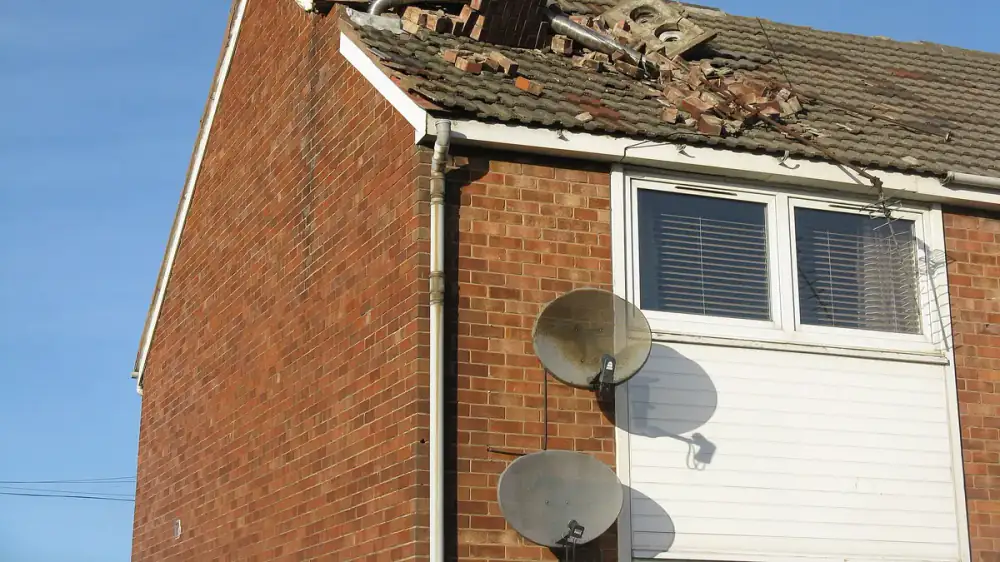
Chimney Storm Damage: What to Check
Storms dislodge caps, crack crowns, and lift flashing. Here's a ground-level, post-storm chimney check — what to look for, what to do, and when to call a pro.
Seasonal Chimney Inspection From the Ground
A short binocular check each season catches most chimney trouble early. Here's what to look for from the ground, a simple cadence, and when to book a pro sweep.
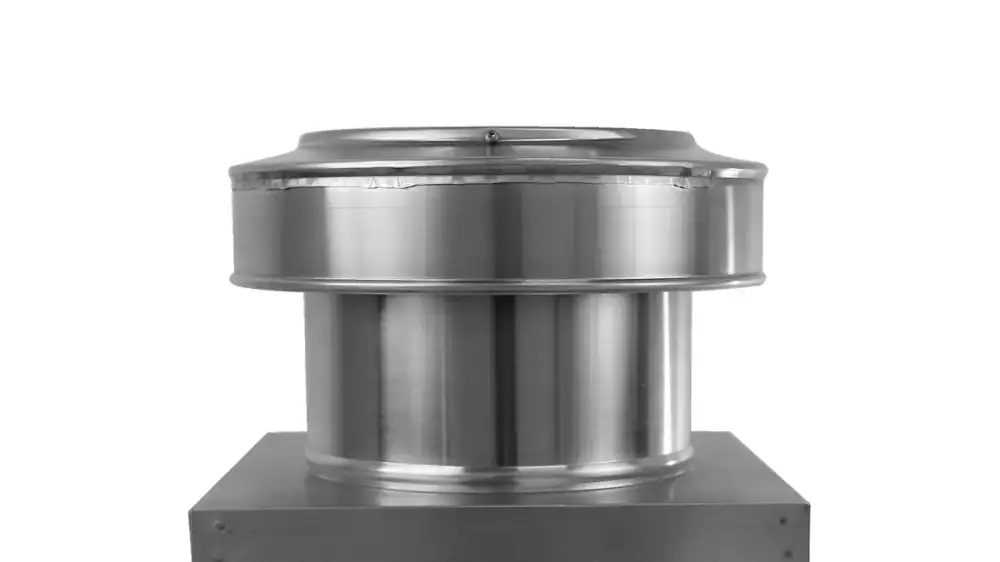
Roof Vents and Vent Covers Explained
Roof vents let the attic breathe, and their covers keep weather out while air keeps moving. Here are the common types, what covers do, and how to spot damage safely.