The Cost Drivers of Chimney Repair
Ask what chimney repair costs and you'll get a shrug or a wild range. Ask what *drives* the cost and you can actually reason about a quote — which is the more useful question anyway.
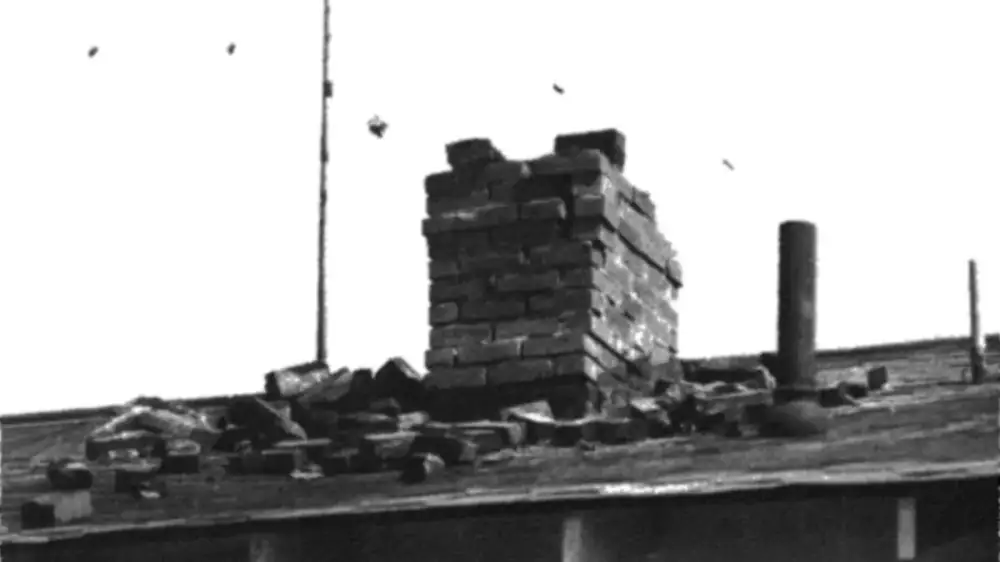
Chimney repair cost is driven by factors, not a fixed number: access and height (how hard it is to safely reach the work), scope (a cap swap versus a masonry rebuild), materials (standard brick versus matching specialty stone), and severity (how far water damage has compounded). The one you most control is severity — catching problems early keeps one repair from becoming a chain of them. Any real number requires a professional seeing the chimney, because these factors can't be judged from a description.
"What does chimney repair cost?" is one of those questions that sounds simple and isn't. Ask it and you'll get either a shrug, a range so wide it's useless, or an insistence on seeing the chimney first — and that last response, though it can feel like a dodge, is actually the honest one. Chimney repair isn't a single procedure with a going rate. It's a whole category, spanning a five-minute cap replacement to rebuilding masonry, and the same nominal job can cost very differently from one house to the next. So the more useful question isn't "what does it cost" — it's "what drives the cost." Understand the drivers and you can read a quote, sanity-check it, and, crucially, influence the ones within your control.
This article is about factors, deliberately, not dollar figures — because a number without the context that produced it tells you nothing.
Access and height: the driver people forget
Here's the cost driver that surprises homeowners most: a big chunk of what you're paying for often isn't the repair, it's getting to the repair. A chimney is the highest point on the house, and reaching it safely to do real work can require ladders, roof anchors, staging, or full scaffolding. That setup takes time, equipment, and expertise, and it happens whether the actual fix is large or small.
This is why the same repair costs more on some houses than others. A single-story home with a low-pitch roof and an easily reached chimney is a straightforward setup. A tall house with a steep roof, or a chimney that's awkward to reach, can require substantially more rigging just to work safely — and that shows up in the price before a single brick is touched. Roof pitch, chimney height, and how the chimney sits relative to safe access points all move the number. It's also exactly why this is professional work: the same access difficulty that drives the cost is what makes DIY dangerous. The whole premise of ground-level homeowner monitoring is that all the actual work stays with people equipped to reach it, while you watch for outward clues like the signs of a failing chimney crown.
Scope: what "chimney repair" actually covers
"Chimney repair" hides an enormous range, and where your job falls on that range is a primary cost driver. Consider the spread:
- Small component work — replacing a cap or addressing damaged mesh sits at the light end.
- Crown repair or resurfacing — patching or recoating the masonry slab at the top is more involved.
- Repointing — grinding out and replacing deteriorated mortar joints is labor-intensive and scales with how much of the chimney needs it.
- Flashing work — reworking the roof-to-chimney seal, covered in chimney flashing explained, is its own specialty.
- Masonry rebuilding — taking down and rebuilding spalled or failing brick or stone is the heavy end, and cost climbs with how much has to be rebuilt.
These aren't interchangeable, and they don't cost alike. Part of reading a quote intelligently is knowing which of these you're actually being quoted for — which is, incidentally, why getting the names of the parts right matters, since a quote for a "crown" and a quote for a "cap" describe very different work.
Materials: standard versus matching
The material involved is a quieter driver, but a real one. Standard brick and common mortar are one thing; matching the existing masonry is another. On an older or distinctive chimney, sourcing brick or stone that matches the color, size, and texture of what's there — so a repair doesn't stand out as an obvious patch — can cost meaningfully more than generic material. Specialty stone, historic brick, and custom color-matched mortar all push the material side up.
The masonry type also interacts with the work. As chimney care for brick versus stone explains, stone and brick repair differently, and the labor and material realities aren't identical. None of this yields a number, but it explains why two chimneys with "the same" damage can carry different material costs.
Severity: the driver you control
Now the most important one, because it's the one where your own behavior moves the price. Chimney problems compound, and severity — how far the damage has progressed — is often the difference between a modest repair and a major one.
Water is the engine of this compounding. A cracked crown, left alone, doesn't stay a cracked crown. It lets water into the masonry, which spalls the brick, deteriorates the mortar joints, works down toward the flue, and eventually reaches the interior as staining. What could have been a single crown repair becomes crown plus repointing plus brick replacement plus interior remediation. The visible problem you ignored was feeding a hidden one — the way a white stain on the chimney signals water already moving through the masonry — and by the time you act, you're paying for both.
This is why "catch it early" isn't a platitude — it's the single most effective cost lever a homeowner has. A problem addressed while it's small and isolated is one repair. The same problem addressed after years of water intrusion is a cascade. You don't control access or roof pitch, but you absolutely control whether you catch the cracked crown this spring or discover it after it's spalled half the chimney.
Hidden conditions and the honest quote
One more factor worth understanding: some cost only reveals itself once work begins. A professional can quote what's visible, but opening up a chimney sometimes exposes damage that wasn't apparent — deteriorated masonry behind a sound-looking face, water damage deeper than the surface suggested. This is why a good professional inspects thoroughly before quoting and may still flag that hidden conditions could change the scope. It's not evasiveness; it's the nature of repairing a structure whose interior you couldn't fully see. It's also another argument for early action: the less water has been at work, the fewer nasty surprises wait inside.
How to read a quote with all this in mind
Put the drivers together and a quote stops being an opaque number and becomes something you can reason about:
- Is the access difficult? A tall, steep-roofed house justifies more setup cost than a low, simple one.
- What's the actual scope? Know whether you're paying for a cap, a crown, repointing, flashing, or a rebuild — they're not comparable.
- Does it involve matching materials? Specialty or matched masonry legitimately costs more.
- How far has it progressed? More compounded damage means more line items.
When you get more than one quote, understanding these factors is what lets you compare them meaningfully rather than just picking the lowest — a point the general guide to evaluating an exterior contractor develops further. A number that's much lower than the others may be scoping less work, not offering a better deal.
The bottom line on cost
Chimney repair resists a single price because access, scope, materials, and severity swing it too widely — and any real figure needs a professional who has actually seen your chimney, because these factors can't be judged from a description. But the drivers aren't mysterious, and one of them is yours to influence. You can't change your roof's pitch or your chimney's height, but you can catch problems early through faithful ground-level watching, keep water shedding properly, and refuse to defer repairs until they compound. That's not a way to cheat the cost — it's the legitimate, safe way to make the eventual job as small as it can be.
Questions homeowners ask
Why won't anyone give me a straight number for chimney repair?
Because chimney repair isn't one thing — it's a category covering everything from a small cap swap to a full masonry rebuild, and the same job costs differently depending on access, height, and how far the damage has spread. A responsible professional wants to see the chimney before quoting, because the factors that move the price can't be judged from a description. The honest answer to 'what does it cost' is 'it depends on these things,' and knowing the things is what helps.
What's usually the biggest cost driver?
Often access and scope, more than the repair itself. Getting safely to the top of a chimney can require ladders, roof anchors, or scaffolding, and a steep or tall roof makes that harder and more time-consuming. And a small repair caught early is far cheaper than the cascade of repairs that follows when water has been getting in for years. The physical difficulty of reaching the work and the extent of the damage tend to dominate.
Does catching a problem early actually save money?
Substantially, yes — it's one of the few reliable ways a homeowner influences the cost. Water damage compounds: a cracked crown left alone lets water spall the brick, deteriorate the joints, and eventually reach the interior, turning one repair into several. Catching that crown crack early means fixing one thing instead of a chain of things. The early ground-level catch is where homeowners save the most.
Why does the same repair cost more on some houses?
Mostly access and height. A single-story house with a gentle roof and an easy-to-reach chimney is a very different job from a tall, steep-roofed house where reaching the chimney safely requires significant setup. Materials matter too — matching specialty brick or stone costs more than standard — as does whether the work is a straightforward fix or has to address hidden damage found once things open up.
Can I lower the cost by doing part of it myself?
The safe honest answer is that chimney repair work happens at the top of the house and belongs to professionals — it's not a place to save money with DIY. Where you genuinely save is upstream: faithful ground-level monitoring that catches problems early, keeping water shedding properly, and not deferring repairs until they compound. Those reduce cost by shrinking the eventual job, which is far more effective and far safer than trying to do height work yourself.
Related reading
Chimney Storm Damage: What to Check
Storms dislodge caps, crack crowns, and lift flashing. Here's a ground-level, post-storm chimney check — what to look for, what to do, and when to call a pro.
Seasonal Chimney Inspection From the Ground
A short binocular check each season catches most chimney trouble early. Here's what to look for from the ground, a simple cadence, and when to book a pro sweep.
Roof Vents and Vent Covers Explained
Roof vents let the attic breathe, and their covers keep weather out while air keeps moving. Here are the common types, what covers do, and how to spot damage safely.