How Often Should a Chimney Be Inspected?
There's a baseline rhythm for chimney inspection — and then there are the events that should override it. Knowing both is what keeps a schedule from becoming a false comfort.
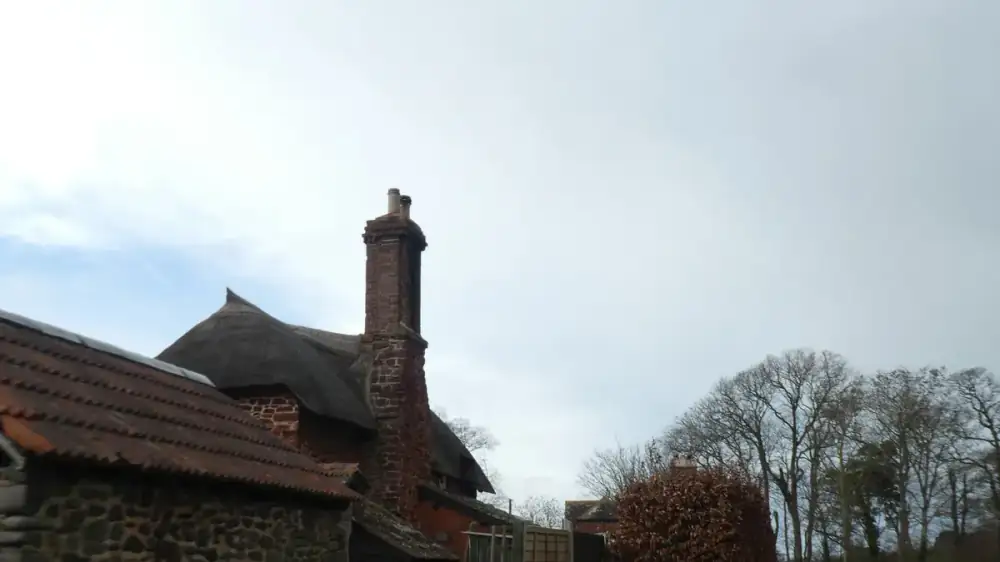
Think in two layers rather than one number. A working chimney should get a professional inspection on a regular, recurring basis, while you do quick ground-level checks several times a year yourself. On top of that cadence sit event triggers — a major storm, a suspected chimney fire, a new appliance, buying the home, or fresh signs of trouble — that call for a look regardless of the schedule. Use less scrutiny doesn't mean none: even an unused chimney is still weathering.
"How often should I have my chimney inspected?" sounds like it wants a number, and people are always disappointed when the honest answer is "it depends." But the disappointment comes from asking the wrong question. A chimney isn't a smoke detector with a battery on a timer; it's a masonry structure that both wears with the weather and does more work the more you use it. The right frame isn't a single interval — it's a rhythm with exceptions built in.
Once you think of inspection as a baseline cadence plus a set of triggers plus your own frequent watching, the question mostly answers itself for your particular house.
The baseline: a regular professional cadence
For any chimney you actually use, the foundation is a periodic professional inspection on a recurring basis. This is the look that covers what you can never see from the yard — the interior of the flue, the condition of the liner, the top of the crown, the flashing up close, and any buildup or blockage inside. It exists because a chimney's most consequential problems are hidden, and hidden problems don't announce themselves on a convenient schedule.
Rather than fixate on an exact frequency, understand what that inspection is for. A used chimney accumulates combustion residue and is subject to interior deterioration that only shows up when someone with the right tools looks inside. The parts it examines — the flue, the liner, the crown from above, the flashing up close — are exactly the ones you can't judge from the yard, which is why the professional visit isn't interchangeable with anything you can do from below. The heavier and more regular the use, the more the baseline matters.
How heavily you use it legitimately shifts the cadence. A fireplace burning most winter nights is generating far more interior activity than one lit twice a year, and its baseline should reflect that. This is the "it depends" doing useful work rather than dodging the question.
The layer you handle: frequent ground-level checks
Beneath the professional cadence sits the part that's entirely yours, and it happens far more often. Several times a year — plus after rough weather — you should be doing a quick ground-level scan of the chimney with binoculars from the yard or an upstairs window. You're looking at the cap, the visible crown edge, the masonry face, the flashing line, and rust or staining, and stepping inside to check for water marks near the fireplace. The signs of a failing chimney crown are a good example of what a careful ground-level scan can catch.
This layer isn't a lesser version of the professional inspection — it's a different job. The professional look is deep and periodic; your look is shallow and frequent. Its value is precisely that it's frequent: it's how outward changes get caught early, and how you know to call for help between scheduled visits rather than waiting for the next one. Fold it into a seasonal rhythm and it becomes automatic; the seasonal chimney inspection guide is built around exactly that habit.
The triggers that override the calendar
Here's the part people miss. A schedule assumes conditions change gradually, but plenty of things change a chimney fast, and those events should prompt an inspection no matter where you are in the cycle.
- A severe storm or high winds. These shift caps, lift flashing, and can crack masonry, and wind-driven rain can expose leak paths that steady weather never reaches. A look afterward is cheap insurance.
- A suspected or known chimney fire. This is a safety event that demands a professional inspection before the chimney is used again, full stop.
- A lightning strike or earthquake. Structural shocks can crack a chimney in ways the ground doesn't reveal.
- A new appliance or fuel change. Swapping a stove, insert, or heating system, or changing fuels, can change what the flue needs to handle — a mismatch is a safety issue, so an inspection belongs in the process.
- Buying or selling the home. A chimney with unknown history should be assessed as part of the transaction, not assumed to be fine.
- Fresh signs from your own checks. New cracks, leaning, spreading stains, spalling brick, or interior water marks all justify calling sooner than scheduled.
Triggers are what keep a schedule from becoming a false comfort. "It was inspected last year" means little if a windstorm has since torn the cap off.
The unused chimney still counts
It's tempting to assume an inactive chimney needs no attention. It needs less, but not none. Even capped and unused, it remains a masonry structure at the highest, most exposed point of the house, aging under sun, rain, and freeze-thaw, and still capable of leaking water into the home or hosting animals. The reasons to look shift from combustion concerns toward weather and intrusion, but they don't disappear. If you've inherited a chimney you'll never light, what to do with an unused chimney covers how to keep it maintained on a lighter footing.
When you have no history at all
There's one situation that overrides all of the above: not knowing the chimney's condition in the first place. If you've never had it inspected, or you've just moved in and inherited an unknown, the calendar is beside the point — the right move is to establish a baseline with a professional inspection now. You can't schedule around a condition you've never assessed, and a chimney can hide serious interior problems behind a perfectly ordinary exterior. Get the baseline, then let cadence and triggers take over.
Putting the layers together
The clean way to hold all of this: the professional inspection is your recurring deep look, calibrated to how much you use the chimney; your ground-level checks are the frequent shallow watching in between; and the triggers are the override that ignores the schedule when something changes fast. Miss any one layer and the system gets brittle — skip the pro visits and hidden problems grow unseen, skip your own checks and outward trouble goes unflagged, ignore the triggers and a single storm undoes the whole plan.
None of the deeper work is a homeowner task. Everything inside the flue and on the roof belongs to a qualified professional. Your role is to watch faithfully from the ground, respect the triggers, and make the calls — which, done well, is most of what keeps a chimney out of trouble.
Frequently asked questions
Is there a single right answer for how often to inspect a chimney?
Not really — it's better thought of as two layers. There's a baseline professional inspection on a regular cadence for any chimney that's used, and separately there's the frequent ground-level watching you do yourself. On top of both sit event triggers: a big storm, a chimney fire, a new appliance, or buying the house. A single number for everyone would either over-inspect the unused chimney or under-inspect the heavily used one.
Does an unused chimney still need inspecting?
Yes, though the reasons shift. An unused chimney isn't accumulating combustion residue, but it's still exposed to weather, animals, and water intrusion, and its condition still affects the rest of the house. A capped, inactive chimney needs less frequent attention than a working one, but 'never' isn't the answer — it's still a rooftop masonry structure aging in the weather.
What events should prompt an inspection outside the normal schedule?
Several. A severe storm or high winds, a lightning strike or earthquake, a suspected or known chimney fire, buying or selling the home, switching heating appliances or fuels, or noticing new signs from the ground like fresh cracks, leaning, or interior stains. Any of these can change a chimney's condition faster than the calendar would catch, so they override the routine.
Can I inspect the chimney myself instead?
You can and should do the ground-level part yourself, regularly — checking the cap, crown edge, masonry, and flashing with binoculars and watching for interior stains. What you can't do yourself is the interior and rooftop inspection, which needs specialized access and tools and, for the flue, safety expertise. The two aren't substitutes; the homeowner check is frequent monitoring, the professional one is the deeper periodic assessment.
How does my own checking fit with professional inspection?
They're complementary layers. Your frequent ground-level scans catch outward changes early and tell you when to call for help sooner than scheduled. The professional inspection covers what you can't see — the flue interior, the liner, the top of the crown, the flashing up close. Doing your part well often means problems get flagged between professional visits, which is exactly the point.
What if I've never had the chimney inspected and don't know its history?
That's a strong reason to start with a professional inspection rather than waiting for the calendar. An unknown-history chimney could have hidden issues in the flue or masonry that no ground-level look would reveal. Establishing a baseline lets you and the professional know what's normal for your chimney, so future changes stand out.
Related reading
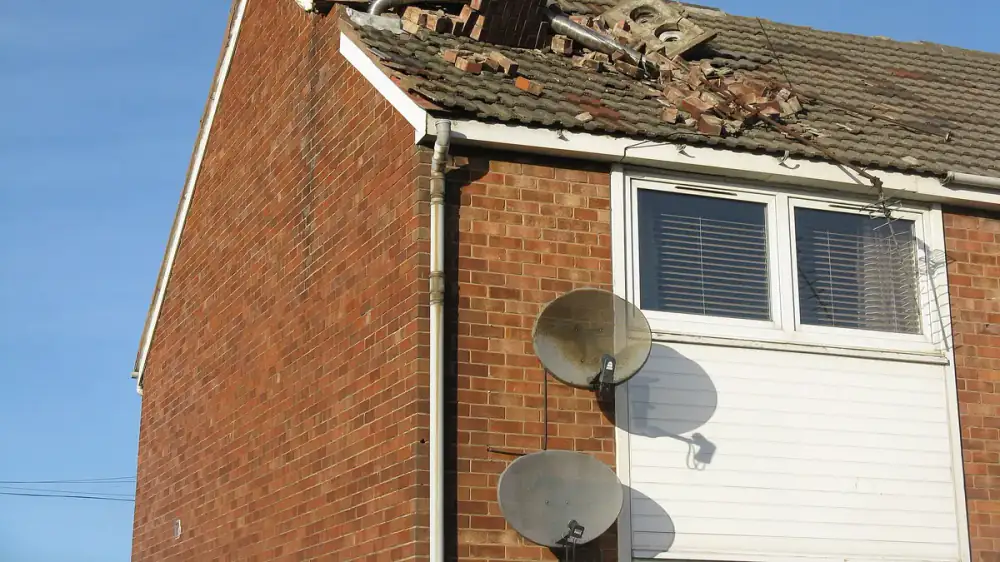
Chimney Storm Damage: What to Check
Storms dislodge caps, crack crowns, and lift flashing. Here's a ground-level, post-storm chimney check — what to look for, what to do, and when to call a pro.
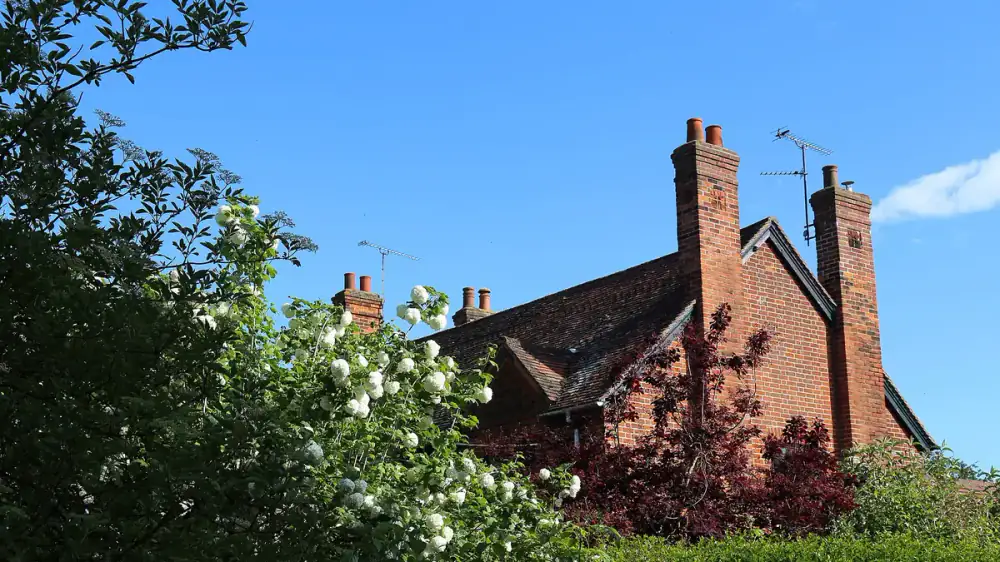
Seasonal Chimney Inspection From the Ground
A short binocular check each season catches most chimney trouble early. Here's what to look for from the ground, a simple cadence, and when to book a pro sweep.
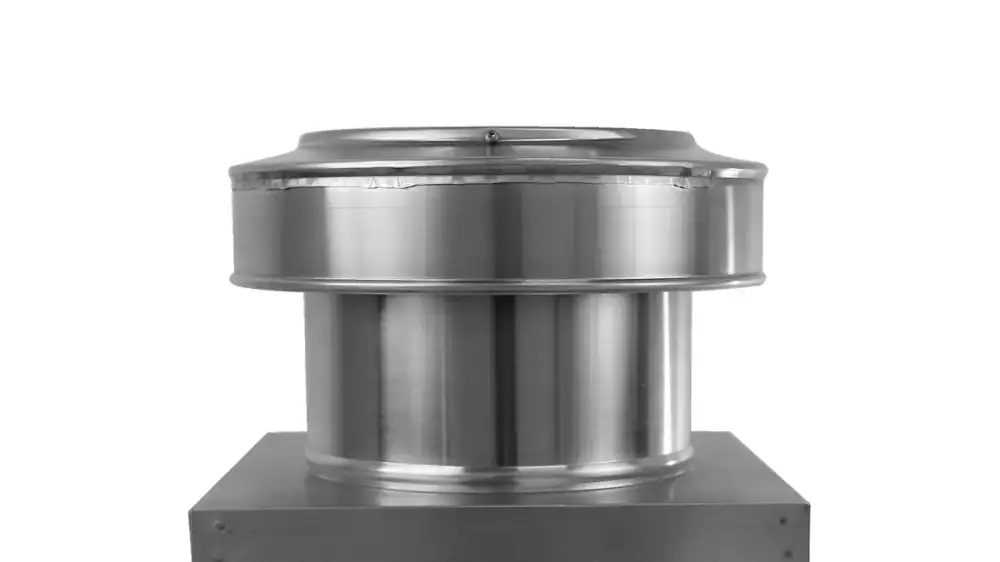
Roof Vents and Vent Covers Explained
Roof vents let the attic breathe, and their covers keep weather out while air keeps moving. Here are the common types, what covers do, and how to spot damage safely.