Damaged Chimney Cap Mesh
The mesh sides of a chimney cap do double duty — screening out animals and debris while arresting sparks. When they tear or rust, the flue loses that protection. Here's what to watch for.
The mesh sides of a chimney cap do three jobs at once: they screen out animals and debris, and they arrest sparks so embers don't drift onto the roof — all while letting smoke pass. When the mesh tears, rusts, or pulls loose, the flue loses that protection: animals can nest, debris can block the passage, and embers can escape more easily. Even a small tear matters. Inspecting and replacing the cap is roof-level work for a professional.
Look at a chimney cap from the yard and your eye goes straight to the flat top, the little lid that keeps rain out of the flue. But the top is the easy part. The real work is happening in the wire screen wrapped around the cap's sides — the part most people never really look at. That mesh keeps wildlife out, holds back debris, and helps hold in sparks, and when it fails the cap can look perfectly fine from a distance while having quietly stopped doing much of its job. Learning to read the screen from the ground turns out to be one of the more genuinely useful chimney skills a homeowner can have.
The busiest part of the cap
The mesh is the wire or metal screen that bridges the cap's solid top and the flue opening below it. Air, smoke, and combustion gases pass out through it freely; everything else, ideally, is turned away. That single component is quietly holding down three separate jobs.
It screens out debris — its openings are fine enough to stop leaves, twigs, and windblown litter from settling into the flue and piling up where they would choke the passage. It handles animal control, those same openings keeping birds, squirrels, and other small animals out of the warm, sheltered shaft they would happily nest in; the birds and animals in the chimney problem often starts with a screen that has given way. And it arrests sparks — when a fire is burning, hot embers can ride the draft upward, and the mesh helps contain them so they don't drift out onto the roof or nearby combustible material. In that role the screen is functioning as a spark arrestor.
That third job is the reason the mesh counts as a safety component rather than a mere convenience. For the cap as a whole, how chimney caps protect against rain and debris sets the scene.
How the screen gives out
Perched at the very top of the house, fully exposed, the mesh takes a steady beating. It tends to fail in a handful of recognizable ways. Rust and corrosion — especially on galvanized wire — thin the metal until it breaks, the same process explored in rusted chimney cap: what to do. Animals pry or chew at the screen to force their way in. Storm debris and impacts, such as a falling branch or a windblown object, dent or puncture it. And ordinary age and metal fatigue slowly loosen the screen from its frame. Any one of these can open a gap, and a gap does not have to be large to matter.
What gets through a torn screen
Once the mesh is breached, the flue loses exactly the protection it was providing — and each kind of damage tends to let in something specific:
| Mesh problem | What it lets in or allows |
|---|---|
| Small tear or hole | Animals seeking a nesting spot |
| Missing section | Animals and larger debris freely |
| Rusted, thinning wire | Progressive failure; screening breaks down |
| Bent or pulled-away screen | Gaps at the frame for animals and debris |
| Any breach of the screen | Reduced spark-arresting; embers escape more easily |
Two of those consequences deserve underlining. A tear or hole is an open invitation to nesting birds and squirrels, and a determined animal needs only a small one. And with the spark-arresting screen compromised, embers have a clearer path onto the roof — the safety concern that sits behind keeping the mesh intact in the first place.
Catching it with binoculars
Most of this you can catch without ever leaving the ground. With binoculars from the yard or an upstairs window, look for tears, holes, or missing sections in the screen; for rust or thinning, flaking wire; for mesh bent inward or pulled away from the cap's frame; and for nesting material poking through or around it.
Indoors, the clues are indirect but telling. Animal sounds in the chimney, debris turning up in the firebox, or a musty smell near the hearth can all point to a screen that is no longer sealing. Fine damage simply won't show from below, so treat whatever you spot as a reason for a closer professional look rather than a finished diagnosis. And resist the urge to climb up for a better view — working at the top of the chimney is not a homeowner task, and the point of the ground-level scan is precisely to avoid it.
Patch, screen, or whole new cap
Whether damaged mesh can be dealt with on its own or means replacing the entire cap comes down to the cap's design and the extent of the damage. On many caps the screen is an integral part of the unit, so significant mesh damage effectively means a new cap; on others the screen can be addressed separately. That is a judgment for the professional inspecting it up close, not something to settle from the driveway. Either way the aim is the same — restore a sound, intact screen that once again keeps animals and debris out and helps arrest sparks. Patching over badly rusted or torn mesh rarely holds for long, so a proper fix usually beats a stopgap.
When damaged mesh can't wait
A compromised screen only gets worse, and the risks it opens up — nesting animals and escaping embers — aren't the kind to leave sitting. Move promptly if you notice any visible hole or missing section, rust that is clearly eating through the wire, animal sounds or fresh debris in the firebox, nesting material gathering at the cap, or mesh that has pulled loose from its frame.
When any of that turns up, call a qualified chimney professional. Inspecting the screen up close and repairing or replacing the cap all happen at the top of the chimney, the highest point on the house — their work, not yours. Spotting the damage from the ground and describing it clearly is where you come in. For the broader signs a cap has reached the end of its life, signs a chimney cap needs replacement goes further, and building a quick mesh check into the seasonal chimney inspection keeps it from slipping off the radar.
Frequently asked questions
What does the mesh on a chimney cap do?
The mesh is the screen that wraps the sides of the cap. It lets smoke and combustion gases pass out while its openings are small enough to keep birds, animals, and larger debris from entering the flue. It also acts as a spark arrestor, helping contain hot embers so they don't drift onto the roof. So it does three jobs at once: screening, animal control, and ember-arresting.
What is a spark arrestor?
A spark arrestor is the screen — usually the cap's mesh — that helps contain sparks and embers rising with the draft from a fire, so they don't escape the flue and land on the roof or nearby combustible material. The mesh does this arresting job while still letting smoke and gases pass through.
How can I tell if the cap mesh is damaged?
From the ground with binoculars, look for tears, holes, missing sections, rust, or mesh that's bent or pulled away from the frame. Indoors, animal sounds, debris in the firebox, or a musty smell can point to a screen that's no longer sealing. You won't see fine damage from below, so treat what you spot as a flag for a professional look.
What happens if the mesh is damaged?
A damaged screen lets in what it's meant to keep out: birds and animals looking to nest, leaves and debris that can block the flue, and — with the spark-arresting role compromised — a greater chance of embers escaping onto the roof. Even a small tear can be enough for a determined animal, so damaged mesh is worth addressing promptly.
Can damaged mesh be repaired, or does the whole cap need replacing?
It depends on the cap's design and how bad the damage is. On some caps the screen is integral to the unit, so significant mesh damage means replacing the cap; others may allow the screen to be addressed on its own. A chimney professional inspecting it up close can judge which applies and do the work safely.
When should I call a professional about damaged mesh?
Call a qualified chimney professional whenever you see torn, rusted, or missing mesh, or notice animals or debris getting into the flue. Inspecting and repairing or replacing the cap happens at the top of the chimney, so it's roof-level work for a professional. Your job is to spot the damage from the ground and describe it.
Related guides
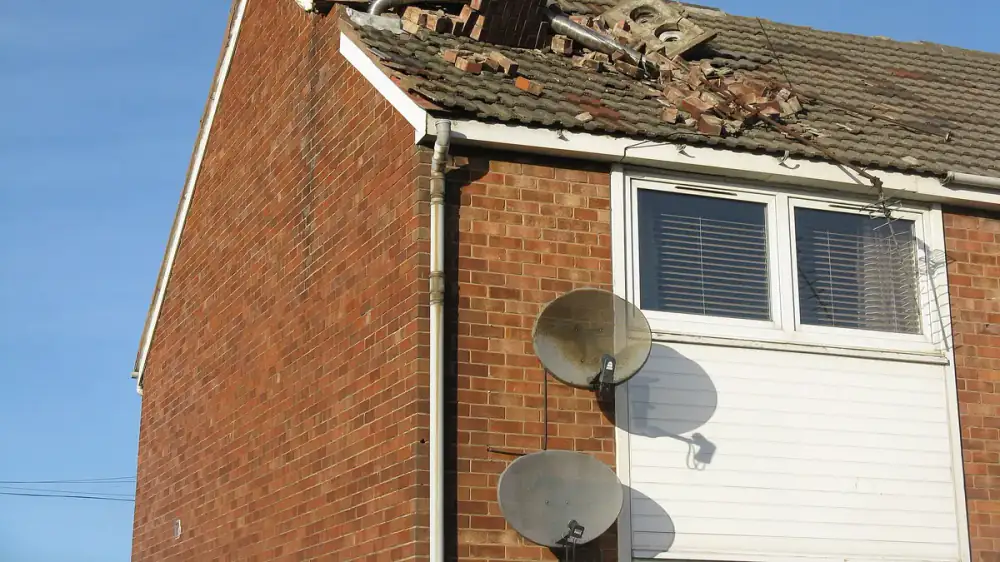
Chimney Storm Damage: What to Check
Storms dislodge caps, crack crowns, and lift flashing. Here's a ground-level, post-storm chimney check — what to look for, what to do, and when to call a pro.
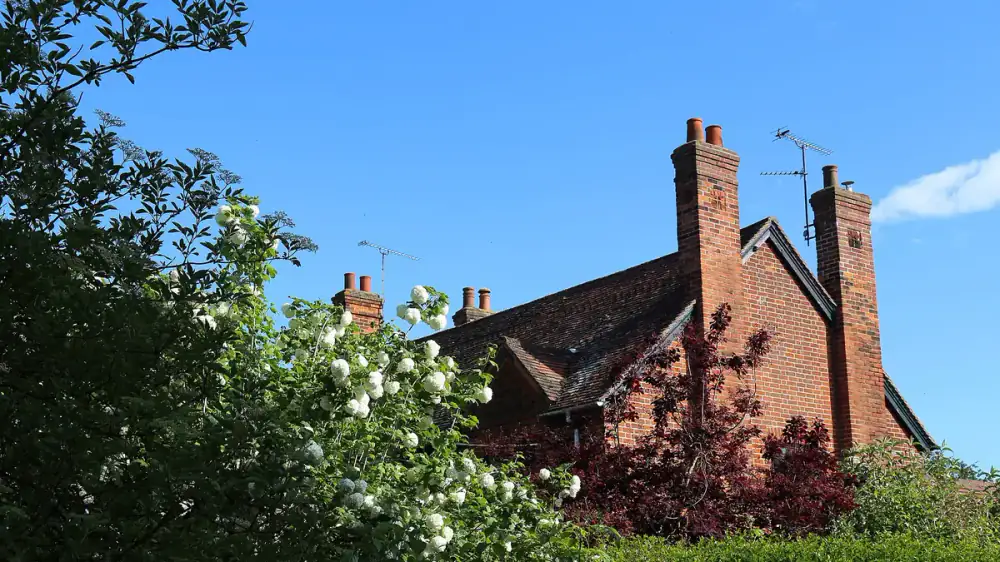
Seasonal Chimney Inspection From the Ground
A short binocular check each season catches most chimney trouble early. Here's what to look for from the ground, a simple cadence, and when to book a pro sweep.
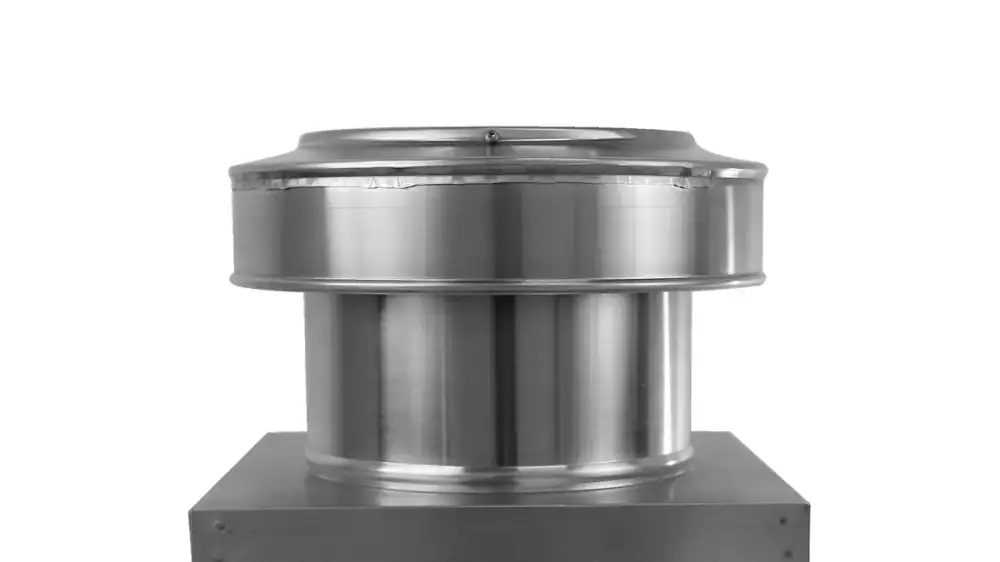
Roof Vents and Vent Covers Explained
Roof vents let the attic breathe, and their covers keep weather out while air keeps moving. Here are the common types, what covers do, and how to spot damage safely.