Chimney Flashing Explained
Flashing is the metal that seals the seam where the chimney meets the roof — and it's one of the most common places a chimney leaks. Here's how it works and how it fails.
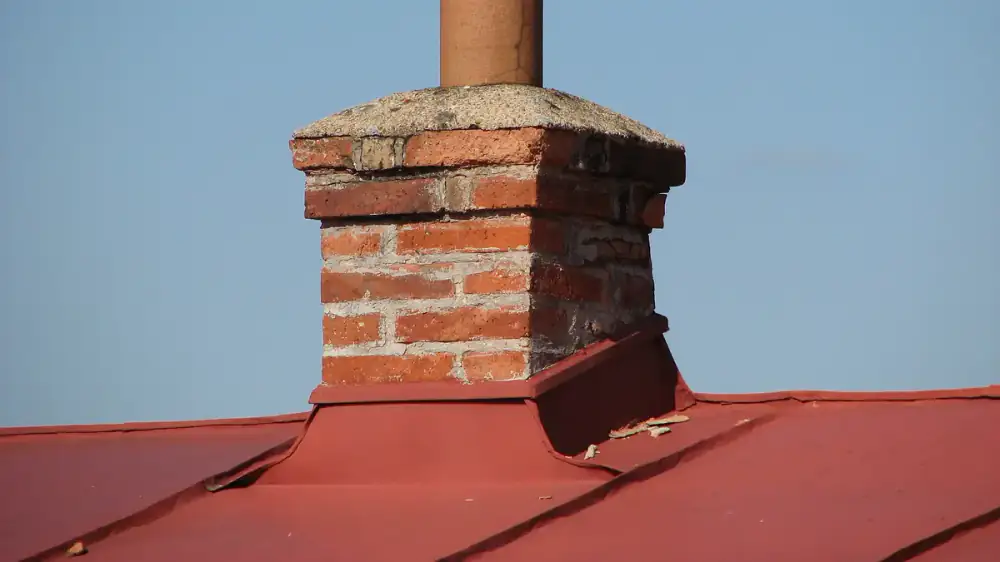
Chimney flashing is the metal that seals the joint where the chimney meets the roof surface, directing rain away from the seam so it can't run down alongside the masonry into the roof. Because it's a moving joint exposed to every storm, it's one of the most common places a chimney leaks. You can spot warning signs from the ground, but any close inspection or repair is roof-level work for a professional.
A chimney has a weak spot most people never think about, and it isn't the brick. It's the seam — the line where the chimney pushes up through the roof and the masonry meets the shingles. Rain that lands anywhere near that line wants to run straight into it. Flashing is the thin metal that stands in the way, and though you can barely see it from the yard, it does more to keep a roof dry at the chimney than anything else up there.
That's also why, if you've ever chased a stubborn leak near a fireplace or a chimney wall and come up empty, flashing was probably in on it.
The idea behind it: overlap, never gap
Flashing is formed sheet metal fitted at the base of the chimney, exactly where it emerges from the roof. The word makes it sound like a single object, but good flashing is really a small system of overlapping pieces arranged so that water always runs over a joint and never into one. That overlap is the whole trick — gravity does the work as long as each piece sheds onto the one below it.
Two roles carry that system:
- Base and step flashing lies on the roof surface, woven in among the shingles and running up the sides of the chimney.
- Counter flashing (also called cap flashing) is set into or over the masonry and laps down over the base flashing, so water coming off the chimney is handed outward onto the roof rather than behind the metal.
The precise layering shifts with the pitch of the roof and the shape of the chimney, but the governing rule never changes: stack the pieces so every drop is steered away from the seam.
Together with the chimney crown at the very top and the cap over the flue, the flashing rounds out a chimney's weather defense — a line of protection at the top, the middle, and the base. When any one of the three lapses, water finds the opening.
Why this joint gives out before the brick
Here's the part that surprises homeowners: the flashing usually fails long before the masonry it protects. It isn't a flaw in the material so much as the nature of the spot it occupies. A few forces gang up on it:
- It joins two things that move differently. Masonry and roofing expand, contract, and settle at their own rates, and that constant mismatch slowly works the seam loose.
- Sealant has a shelf life. Any caulk or mastic at the joint dries, shrinks, and cracks under years of sun and weather.
- Metal lifts and loosens. Fasteners back out, edges curl up, and once an edge lifts, wind gets under it.
- Corrosion sets in. Older or lower-grade flashing metal can simply rust through.
- Bad installs age fast. Flashing that was surface-sealed onto the brick instead of properly layered into it tends to give way early.
Add it up and you have a moving joint standing in every rainfall — which is why flashing is so often the first thing to go, and the first suspect the moment water turns up near a chimney.
Reading the trouble from below
A surprising amount of this you can catch without a ladder. Binoculars, from the yard or an upstairs window, will show most of the early warnings:
- flashing metal that's lifted, bent, or pulling away from the chimney;
- gaps or dark lines along the joint where the chimney meets the roof;
- rust or rust streaks on the metal or on the masonry just below it;
- missing or crumbling sealant at the seam;
- loose or lifted shingles in the ring right around the chimney base.
The other tell shows up inside, and it's water. Stains on the ceiling or a wall near the chimney — especially the kind that darken after a rain — point back toward the flashing. For the full range of interior clues, see water stains near the chimney.
| Where you look | Sign of flashing trouble |
|---|---|
| From the ground (binoculars) | Lifted or bent metal, gaps at the joint, rust, missing sealant |
| At the roof edge nearby | Loose shingles or staining around the chimney base |
| Indoors | Ceiling or wall stains near the chimney, worse after rain |
The same logic runs along the roof edge
Flashing at the chimney is one instance of a broader roofing idea: wherever the roof surface has to be interrupted and then re-sealed, metal takes over the job of steering water. The perimeter of the roof works on the same principle. The drip edge, for example, is metal that guides water off the roof's edge into the gutter instead of curling back onto the fascia.
That shared logic has a practical twist worth knowing. When water slips past flashing, it can travel along the roof structure and surface some distance from where it entered — so a leak that looks like a roof-edge problem may actually begin at the chimney, and the reverse happens too. If the moisture you're seeing shows up lower down, water stains below the roof edge makes a useful companion.
Where the line is between you and the roofer
It's worth being blunt about the boundary. A few things homeowners do at this point tend to backfire. Blaming the shingles is the classic one — a leak near the chimney is more often flashing or crown than the roof field itself. Smearing fresh caulk over failing flashing is the next; it hides the problem for a season without restoring the layered water path that actually keeps rain out. Assuming a new cap will help is a third, since the cap guards the flue opening, not the base joint — different part, different problem. And waiting out a stain only lets water track deeper into the deck and framing, where it compounds.
The last mistake is the one that matters most for safety: trying to inspect or reseal the flashing yourself. The chimney base is a roof-level surface, and it's no place to be balancing with a caulk gun. Flashing only does its job when its overlapping pieces are correctly layered and fastened, and getting that right means being up on the roof — which is exactly why the repair belongs to a qualified roofer or chimney professional. Spotting the warning signs from the ground is squarely yours to do; making the fix is not. Call one in whenever you see lifted, rusted, or gapping flashing, or interior stains near the chimney after rain.
To see how flashing sits among the other ways water finds a chimney, read how water gets in around a chimney, and to keep these checks on a schedule, work them into the seasonal chimney inspection guide.
Your questions, answered
What is chimney flashing?
Chimney flashing is the metal that seals the joint where the chimney passes through the roof. It's usually made of overlapping pieces — base flashing along the roof and counter or step flashing tucked into the masonry — that together steer water away from the seam so rain can't run down alongside the chimney into the roof.
Why is chimney flashing a common leak point?
The chimney-to-roof joint is a seam between two materials that expand, contract, and settle at different rates. Sealant dries out, metal loosens or lifts, and fasteners work free over years of weather. Because it's a moving joint hit by every rainfall, flashing is one of the most frequent places a chimney starts to leak.
How can I tell if my chimney flashing is failing?
From the ground with binoculars, look for lifted or bent metal, gaps at the joint, rust, or missing sealant. Indoors, water stains on the ceiling or wall near the chimney — especially after rain — are a strong clue. Because flashing sits at the roof surface, close inspection and any repair are professional work.
Is flashing the same as a chimney cap or crown?
No. The cap covers the flue opening at the top, the crown is the masonry slab that sheds water off the top of the chimney, and the flashing seals the base where the chimney meets the roof. They guard three different zones, and a leak can come from any one of them, so it helps to know what each does.
Can I reseal chimney flashing myself?
Resealing or repairing flashing means getting onto the roof and working at the chimney base — roof-level work best left to a qualified roofer or chimney professional. From the ground you can spot the warning signs and describe them, but the actual repair, done safely and correctly, isn't a homeowner task.
When should I call a professional about flashing?
Call whenever you see lifted or rusted flashing, gaps at the chimney base, or interior water stains near the chimney after rain. Flashing repair needs roof access and correct layering of the metal to actually stop water, so it's a job for a qualified roofer or chimney professional rather than a surface patch.
Keep reading
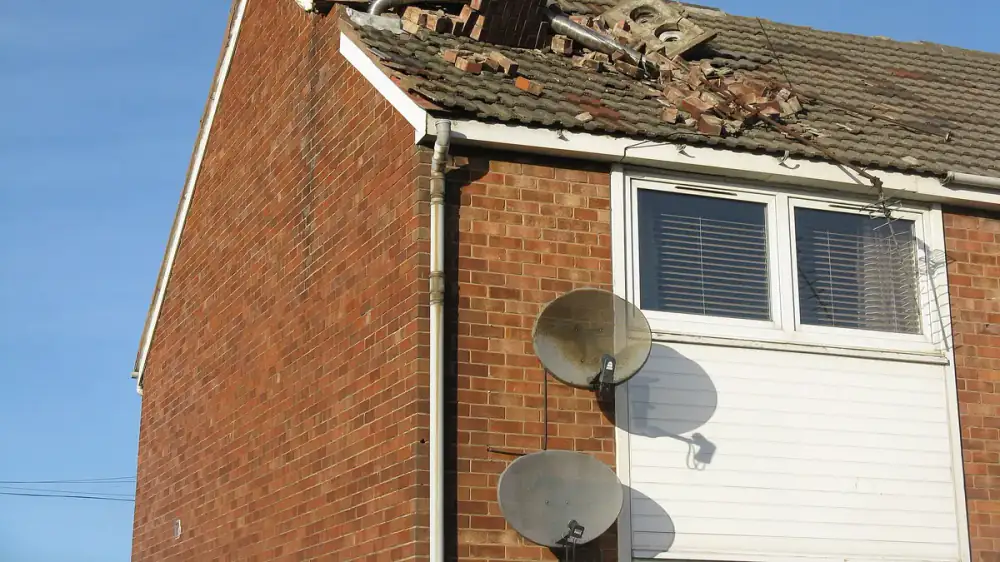
Chimney Storm Damage: What to Check
Storms dislodge caps, crack crowns, and lift flashing. Here's a ground-level, post-storm chimney check — what to look for, what to do, and when to call a pro.
Seasonal Chimney Inspection From the Ground
A short binocular check each season catches most chimney trouble early. Here's what to look for from the ground, a simple cadence, and when to book a pro sweep.
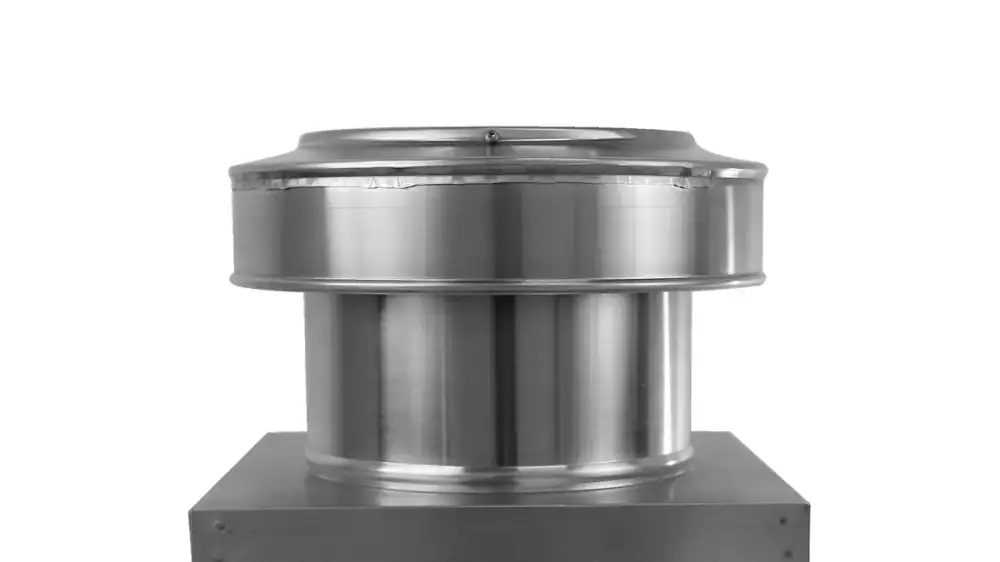
Roof Vents and Vent Covers Explained
Roof vents let the attic breathe, and their covers keep weather out while air keeps moving. Here are the common types, what covers do, and how to spot damage safely.