What a Chimney Inspection Actually Covers
Booking a chimney inspection is easy. Knowing what you're actually paying for is harder. Here's a plain-English tour of the levels, the tools, and what a good one should tell you.
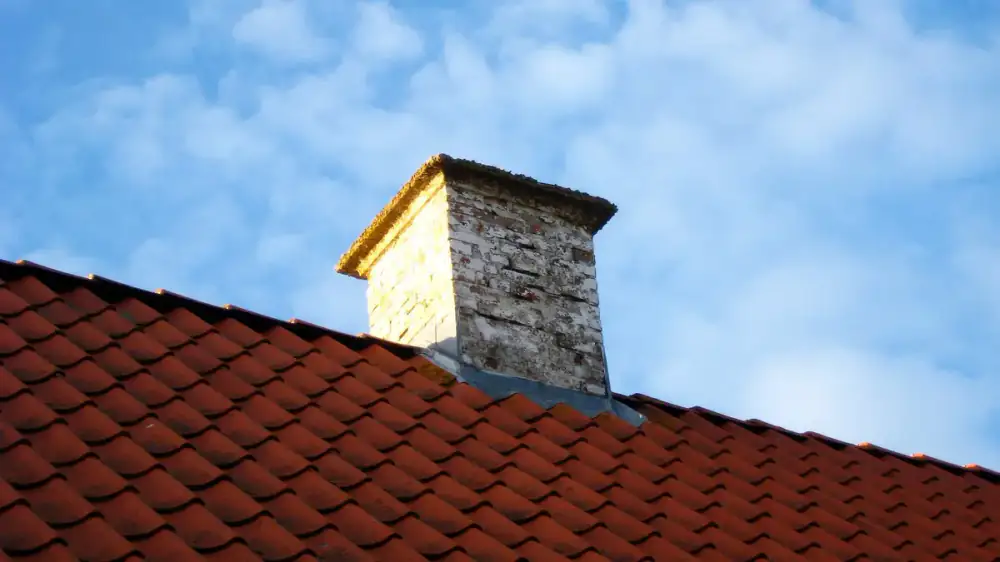
A chimney inspection is a professional assessment of condition and safety, covering both the exterior — cap, crown, flashing, masonry — and the interior flue and liner, usually with a camera run down the flue. The industry uses a tiered system of levels: a basic visual check for a routine, trouble-free chimney; a more thorough level for a sale or a change in use; and a deeper, more invasive level when a serious problem is suspected. A good inspection leaves you with specifics and clear recommendations, not a vague "looks fine." Which level you need depends on your situation, and a qualified professional will tell you.
"Chimney inspection" sounds like a single, well-defined thing you either buy or don't. It isn't. It's a range of services at different depths, and homeowners routinely pay for one level while imagining they got another — or skip the whole thing because they're not sure what it involves. The goal here is to demystify it: to explain, in general terms, what an inspection actually covers so you can recognize a thorough one, ask the right questions, and understand what you're spending money on.
None of this is a substitute for the professional's judgment about your chimney. It's the background knowledge that lets you be an informed customer instead of a hopeful one.
Inspection is about two questions
Strip away the jargon and a chimney inspection is really trying to answer two things.
The first is is water getting in, or about to? This is the exterior story — the cap, the crown, the flashing, the masonry — and it's largely about weather and deterioration. Much of it overlaps with what an attentive homeowner can already flag from the ground, though a professional confirms it up close and catches what binoculars miss.
The second is can this chimney safely do its job? This is the interior story — the flue and liner, creosote buildup, blockages, structural integrity inside the masonry. It's the half you can't assess yourself at all, and for a chimney in use, it's a safety question, not just a maintenance one.
A real inspection addresses both. A quick glance that only clocks the obvious exterior isn't the same service, even if it's cheaper. If you want the fuller picture of why the interior is so opaque from outside, the chimney problems you can see vs. the ones you can't covers that divide in detail.
The levels, in plain English
The chimney trade generally works in tiers, and understanding them roughly — without pretending there's one universal standard — helps you match the service to the situation.
The basic level is a visual inspection of the readily accessible parts, inside and out, without special tools or dismantling anything. It suits a chimney that's in regular use, has no known problems, and hasn't changed. Think of it as the routine annual once-over: confirming that a chimney presumed healthy still is.
The more thorough level goes further. It adds examination of accessible areas a basic look skips, and it commonly includes running a camera down the flue to see its full length. This is the level that tends to come up when a house is being sold, when something has changed about how the chimney is used, or after an event that might have caused damage. It's answering "is this chimney sound?" with more than a presumption.
The most involved level is reserved for when a serious problem is suspected and the earlier levels can't confirm the cause. It may involve accessing concealed areas — the invasive tier you'd only reach with good reason, because there's already evidence something is wrong.
The practical takeaway isn't to memorize the tiers. It's to understand that the right level depends on your circumstances, and that a trustworthy professional will recommend one based on how you use the chimney and what's prompting the inspection — not simply sell you the cheapest or the most expensive by default.
What the inspector actually examines
Regardless of level, a competent inspection walks through a consistent set of parts. On the exterior, the professional assesses the cap for damage or absence, the crown for cracks and deterioration, the flashing at the roof joint for lifting and rust, and the masonry for spalling, crumbling mortar, leaning, and signs of water entry. These are the same features covered in why chimneys cause more leaks than you think — the difference is that an inspector examines them at close range rather than through binoculars.
On the interior, attention turns to the flue and liner: is it blocked, is creosote building up, is the liner cracked or deteriorating, is anything structurally compromised. This is where the camera earns its keep, letting the inspector see down a length of flue that's otherwise completely hidden. It's also the part a homeowner genuinely cannot do, which is a large share of the value.
A good inspection produces an output you can act on: specific notes on each part, photos or camera footage where relevant, and clear recommendations. Vague reassurance — "it's fine" after two minutes and no look at the flue — is the tell that you got a glance rather than an inspection.
Inspection versus sweeping
These two get conflated constantly, so it's worth separating them cleanly. An inspection assesses condition. A sweep is the cleaning that removes creosote and debris. They frequently happen in the same visit — a sweep will typically inspect as they clean, and an inspection may conclude that a cleaning is due — but they're distinct services with distinct purposes. When you book, be clear about which you want, so the scope and the bill line up. All of the actual sweeping and interior work here is professional labor; it involves the flue and the roof, and it's not a DIY undertaking.
Where cost comes from
Prices vary too much by region, chimney, and provider to name numbers usefully, but the factors are predictable. A more thorough level costs more than a basic one because it takes longer and uses more equipment. Chimney height and accessibility matter — a tall or hard-to-reach chimney is more work to examine safely. Whether a camera flue scan is included affects it, as does whether the visit combines inspection with a sweep. Knowing these levers lets you understand a quote rather than just accept it.
Choosing who does it
The single biggest variable in inspection quality is the person doing it, which makes provider selection as important as the booking itself. Look for relevant credentials, a clear description of what their inspection includes, and a willingness to explain findings rather than just deliver a verdict. The general principles in how to evaluate an exterior contractor apply squarely to chimney professionals: check reputation, get the scope in writing, and be wary of anyone who diagnoses expensive problems without showing you the evidence.
Fitting it into a routine
For a chimney in regular use, a yearly inspection is a widely recommended baseline, with extra looks after major storms or any change in how you use it. Between those professional visits, your own ground-level watching — the seasonal chimney inspection rhythm — bridges the gap, catching obvious changes early so you know when to bring the professional back sooner. The two aren't competitors; the homeowner's frequent surface check and the professional's periodic deep assessment cover different ground, and together they're what actually keeps a chimney sound.
Questions people also ask
What are the different levels of chimney inspection?
The industry generally recognizes a tiered approach. The most basic level is a visual check of the readily accessible parts, suited to a chimney in regular use with no known problems. A more thorough level adds examination of accessible areas that a basic look skips, often with a camera run down the flue, and is common with a sale or a change in how the chimney is used. The most involved level, reserved for suspected serious problems, may involve opening up concealed areas. The right level depends on your situation, and a good professional will tell you which one fits.
Is a chimney inspection the same as a sweep?
Not quite, though they often happen together. An inspection is an assessment of condition — is anything cracked, blocked, deteriorated, or unsafe. A sweep is the cleaning that removes creosote and debris. A sweep will usually inspect as they clean, and an inspection may reveal that a cleaning is needed, but they're two distinct services. It's worth being clear about which one you're booking so expectations match the bill.
What does the inspector actually look at?
Broadly, the exterior and the interior. Outside, they assess the cap, crown, flashing, and masonry for cracks, rust, deterioration, and water entry. Inside, they examine the flue and liner for blockages, creosote buildup, and damage, frequently using a camera to see down the length of the flue. They're checking both whether water is getting in and whether the chimney can safely do its job — two related but separate questions.
Do I need an inspection if I never use my fireplace?
Often yes, though the emphasis shifts. An unused chimney doesn't accumulate creosote, so the combustion-safety side matters less, but it's still a masonry structure exposed to weather, and it can still leak, crack, and deteriorate. An inspection of an unused chimney leans toward the exterior and water-entry side. If there's any chance of using it again, a full interior assessment first is the sensible move.
How do I know I'm getting a thorough inspection and not a glance?
A good inspection produces specifics. You should come away with clear notes on the condition of the cap, crown, flashing, masonry, and flue, ideally with photos or camera footage, and plain recommendations rather than vague reassurance. If someone spends two minutes and pronounces it fine without looking at the flue, that's a glance, not an inspection. Choosing the provider carefully matters as much as booking the service at all.
How often should a chimney be inspected?
A yearly inspection is a widely recommended baseline for a chimney in regular use, with additional looks after major storms or any change in how the chimney is used. For an unused chimney the interval can be more relaxed, but it shouldn't be never — weather works on masonry regardless of whether there's a fire below. A qualified professional can suggest a rhythm that fits how you actually use the chimney.
Related reading
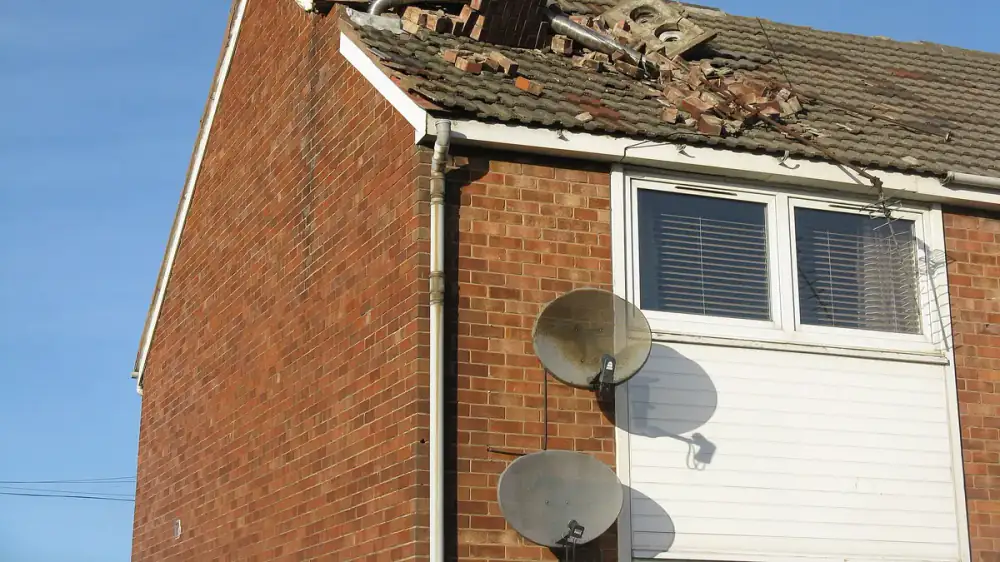
Chimney Storm Damage: What to Check
Storms dislodge caps, crack crowns, and lift flashing. Here's a ground-level, post-storm chimney check — what to look for, what to do, and when to call a pro.
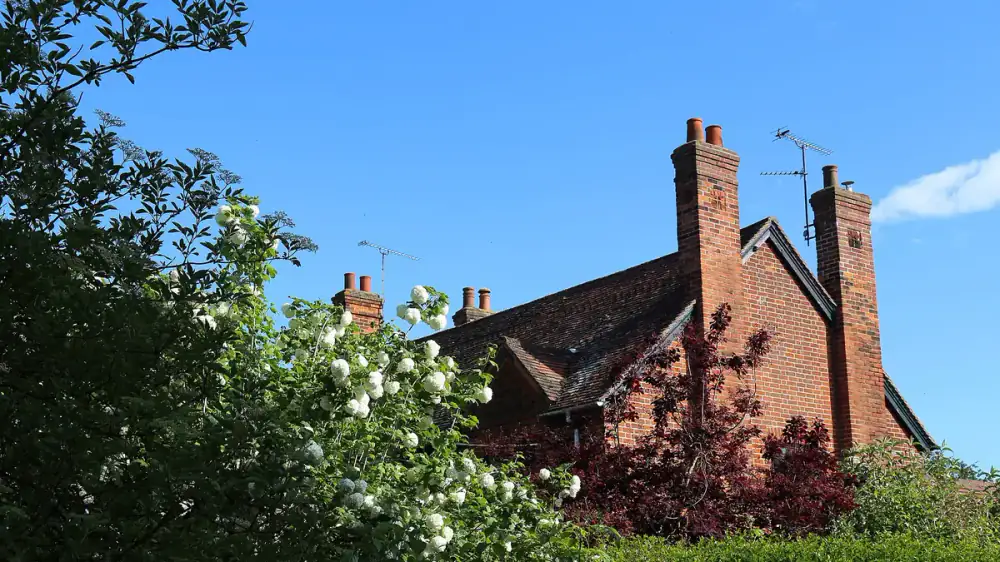
Seasonal Chimney Inspection From the Ground
A short binocular check each season catches most chimney trouble early. Here's what to look for from the ground, a simple cadence, and when to book a pro sweep.
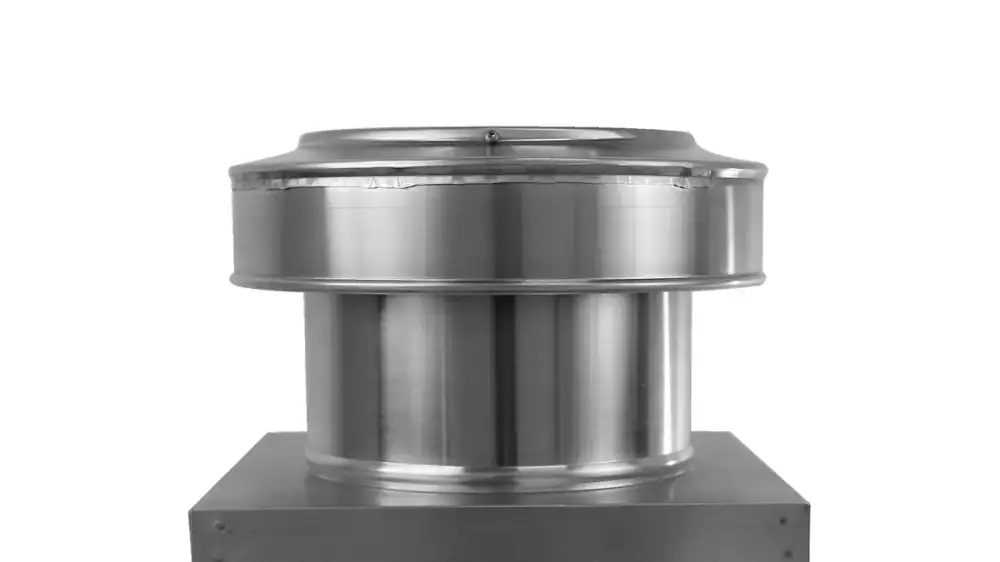
Roof Vents and Vent Covers Explained
Roof vents let the attic breathe, and their covers keep weather out while air keeps moving. Here are the common types, what covers do, and how to spot damage safely.