The Chimney Problems You Can See vs. the Ones You Can't
Some chimney trouble waves at you from the yard. The more expensive kind hides inside the flue and the masonry, where only an inspection can find it. Knowing the difference matters.
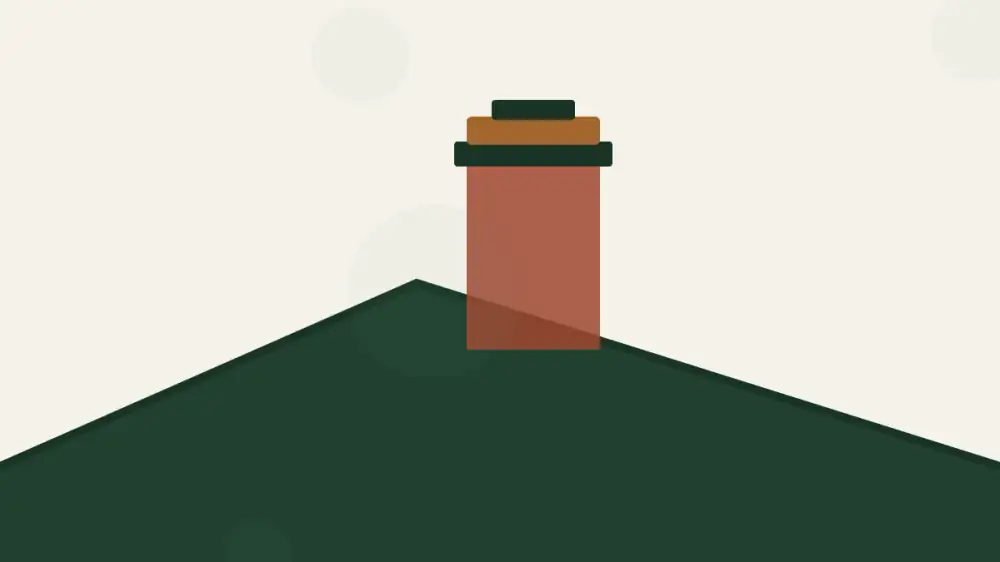
A chimney splits its problems into two groups. The visible ones — a missing cap, a cracked crown edge, lifted flashing, spalling brick, staining — you can catch yourself from the ground with binoculars, and catching them early is worth real money. The hidden ones — creosote buildup, a cracked liner, interior masonry gaps, blockages — live inside the flue and the core of the masonry, where only a professional inspection can find them. A clean exterior doesn't prove a sound interior, which is why both kinds of checking matter.
There's a comforting illusion about chimneys: if it looks fine from the yard, it must be fine. It's an easy assumption to make, because a chimney is one of the few parts of a house you can study at length from the ground without touching anything. But a chimney keeps its most serious problems out of sight, and the mismatch between what's visible and what's hidden is the single most important thing to understand about maintaining one.
Sorting chimney problems into "what I can see" and "what I can't" isn't just tidy — it tells you exactly which half is your job and which half belongs to a professional.
What you can see from the ground
Start with the good news, because it's better than people expect. A remarkable amount of a chimney's condition is legible from below with nothing more than a decent pair of binoculars, used from the yard or an upstairs window. How to spot chimney problems from the ground covers the routine in full, but here's the shortlist of what actually shows itself:
- The cap. Missing, crooked, rusted, or with torn mesh — all visible from below.
- The crown. You can often see cracking or crumbling along its edges, and staining running down from it.
- The flashing. Lifted, bent, rusted, or gapping metal at the roof joint frequently shows against the shingles.
- The masonry. Spalling brick (faces flaking off), crumbling mortar joints, leaning, and cracks are all outward and readable.
- Staining. Rust streaks, dark water tracks, and the chalky white bloom of efflorescence on a chimney are all surface clues.
Every item on that list is an exterior symptom, and most of them are driven by weather and water. That's the theme of the visible category: it's the story of what rain, sun, and freeze-thaw are doing to the outside of the structure. And because these signs appear early — a hairline crown crack long before it becomes a leak, a slightly lifted flashing edge before water pours through it — a homeowner who looks regularly can catch trouble while it's still cheap.
This is genuine, valuable work, and it requires no ladder. The whole point of ground-level watching is that you never leave the ground.
What you can't see from the ground
Now the harder truth. The problems that tend to be the most expensive, and sometimes the most dangerous, are precisely the ones you can't see. They live in two places binoculars can't reach: inside the flue, and deep within the masonry.
Inside the flue, the big ones are creosote buildup and liner damage. Creosote is the residue combustion leaves on flue walls; a cracked or deteriorated liner is a breach in the barrier that's supposed to keep heat and combustion byproducts contained. Neither is visible from the ground — or, frankly, from the roof without the right tools. These aren't merely leak concerns; they're safety concerns, which is exactly why they can't be assessed casually. A flue can look completely normal from every outside angle while hiding a serious interior problem.
Deep in the masonry, water that entered through a cracked crown or failed flashing can be quietly damaging interior mortar joints, the liner, and the structural core long before the outside shows much. The exterior stain you eventually see is often the last symptom of a process that started inside.
There's also the category of blockage — debris, nests, or a bird or animal that's gotten in — which can sit entirely out of view until it causes a problem. Some of these leave outward hints, but many don't.
The uncomfortable summary: the outside of a chimney tells you about weather; it tells you almost nothing reliable about the flue. Those are two different questions, and only one of them can be answered from the yard.
Why the two are connected
It would be convenient if visible and hidden problems were unrelated, but water ties them together. A cracked crown you can spot from the ground is usually feeding moisture into masonry you can't see. Failed flashing on the outside is often the reason interior joints are deteriorating on the inside. The white efflorescence blooming on the brick face is, almost by definition, evidence that water has traveled through the masonry from somewhere you can't observe.
So a visible clue is rarely just itself. More often it's a flag that the hidden half deserves a look. This is why the smart response to spotting, say, a cracked crown isn't only "repair the crown" — it's "have someone check what that water has been doing inside." Why chimneys cause more leaks than you think explains how these parts fail together rather than one at a time, which is the same reason the visible and hidden problems so often travel as a pair.
Drawing the line: your job and the professional's
Once you split problems this way, the division of labor becomes obvious.
Your half is monitoring the visible. Do a ground-level scan a couple of times a year, and again after any strong storm or heavy snow, since that's when caps shift and flashing lifts. Note what's changed, photograph anything questionable through the binoculars or a zoom lens so you can compare over time, and keep gutters and drainage working so water sheds cleanly near the chimney. Folding this into the seasonal chimney inspection rhythm makes it automatic.
The professional's half is everything hidden, plus everything that requires being on the roof. The interior flue, the liner, the top of the crown, the flashing up close — assessing these means specialized access and tools, and in the case of the flue, safety expertise you can't substitute for. If you want to know what that deeper look actually includes, what a chimney inspection actually covers breaks it down.
The clean rule of thumb: your responsibility ends where the roof begins. Everything from the yard is yours to watch. Everything on the roof and inside the flue is a professional's to assess and repair.
The trap to avoid
The mistake this whole distinction guards against is the most natural one: assuming a good-looking exterior means a healthy chimney. It's the reasoning that lets a cracked liner or a load of creosote go unnoticed for years, because nothing outside ever looked wrong. A chimney's exterior and its interior are two separate stories, and a homeowner only ever gets to read one of them from the ground.
That's not a reason to worry every time you glance up. It's a reason to do both kinds of checking — the frequent visible one yourself, the periodic hidden one through a professional — and to treat any visible clue as an invitation to find out what the invisible half has been up to.
Answers to common questions
What chimney problems can I actually see from the ground?
More than you'd expect. With binoculars from the yard or an upstairs window you can spot a missing or crooked cap, cracks or crumbling at the crown, lifted or rusted flashing, spalling or flaking brick, rust streaks, leaning, and the white bloom of efflorescence. These are the outward signs, and catching them early is genuinely useful. What you can't see from the ground is what's happening inside the flue and deep in the masonry.
What kinds of problems stay hidden until an inspection?
The interior ones. Creosote buildup inside a flue, a cracked or deteriorating liner, gaps in the masonry joints inside the chimney, blockages from debris or nests, and early flue damage are all invisible from outside. Some of these are safety issues rather than just leak issues, which is exactly why they can't be judged from the ground and need a professional's tools and access to assess.
If the outside looks fine, is the chimney fine?
Not necessarily. A chimney can look perfectly sound from the yard while hiding a cracked liner or heavy creosote inside. The outside tells you about weather and water damage; it tells you very little about the condition of the flue. That gap between a clean exterior and an unknown interior is the main reason periodic professional inspection exists — the visible check and the hidden check answer different questions.
Does a visible problem mean there's a hidden one too?
Often, yes. Water is the common thread. A cracked crown or failed flashing you can spot from the ground is usually letting moisture into the masonry, and that same moisture can be quietly damaging the liner and interior joints you can't see. So a visible clue is frequently a hint that it's time to have the hidden parts looked at, not just the obvious one repaired.
How often should I do the visible check versus the hidden one?
The ground-level look is quick enough to do a couple of times a year and after any strong storm. The hidden, interior inspection is a periodic professional service rather than something on a monthly rhythm. Think of the visible check as ongoing monitoring you do yourself, and the interior inspection as the deeper, less frequent assessment that only a professional can perform.
When should I stop watching and call a professional?
Call a qualified chimney professional when a ground-level check turns up anything beyond the cosmetic — cracks, rust, leaning, spreading stains, spalling brick — or when you're relying on the chimney and simply don't know the condition of the interior. Anything inside the flue, at the crown, or on the flashing means roof-level access and specialized tools, which is professional territory. Your job ends where the roof begins.
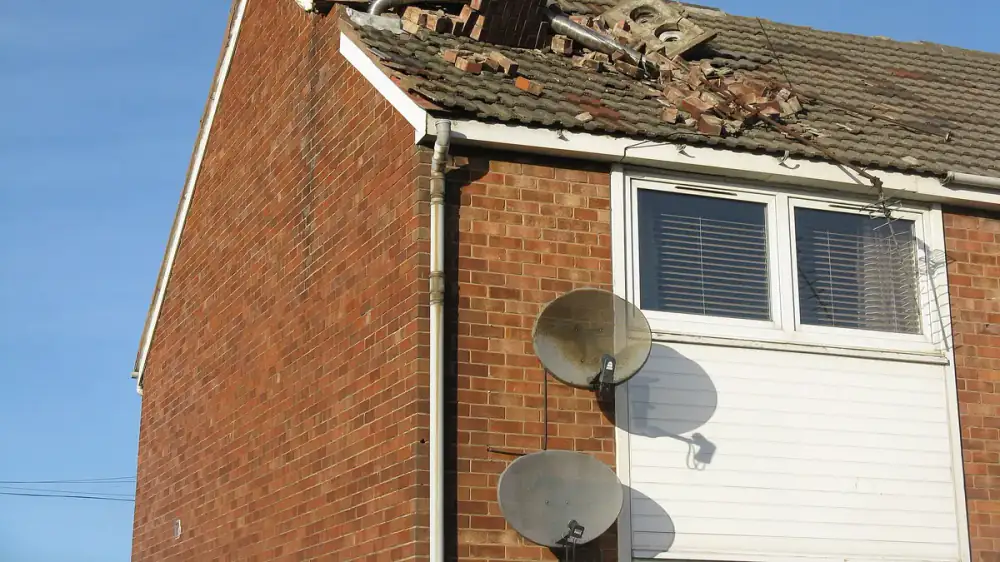
Chimney Storm Damage: What to Check
Storms dislodge caps, crack crowns, and lift flashing. Here's a ground-level, post-storm chimney check — what to look for, what to do, and when to call a pro.
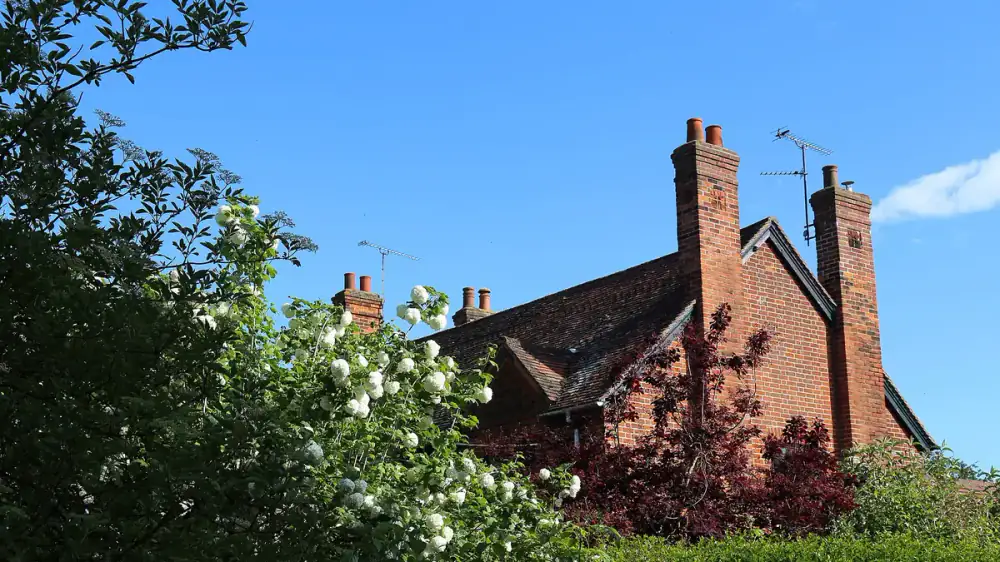
Seasonal Chimney Inspection From the Ground
A short binocular check each season catches most chimney trouble early. Here's what to look for from the ground, a simple cadence, and when to book a pro sweep.
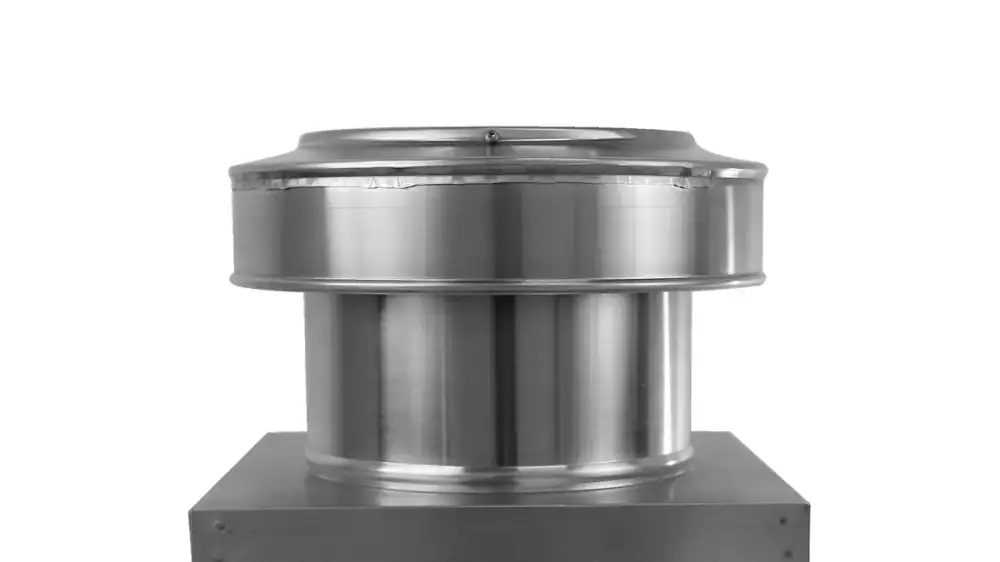
Roof Vents and Vent Covers Explained
Roof vents let the attic breathe, and their covers keep weather out while air keeps moving. Here are the common types, what covers do, and how to spot damage safely.