How to Clean a Metal Roof
Metal roofs shed dirt better than most, but they still collect grime, streaks and organic growth. Gentle low-pressure cleaning protects the coating — and the roof access itself belongs to a pro.
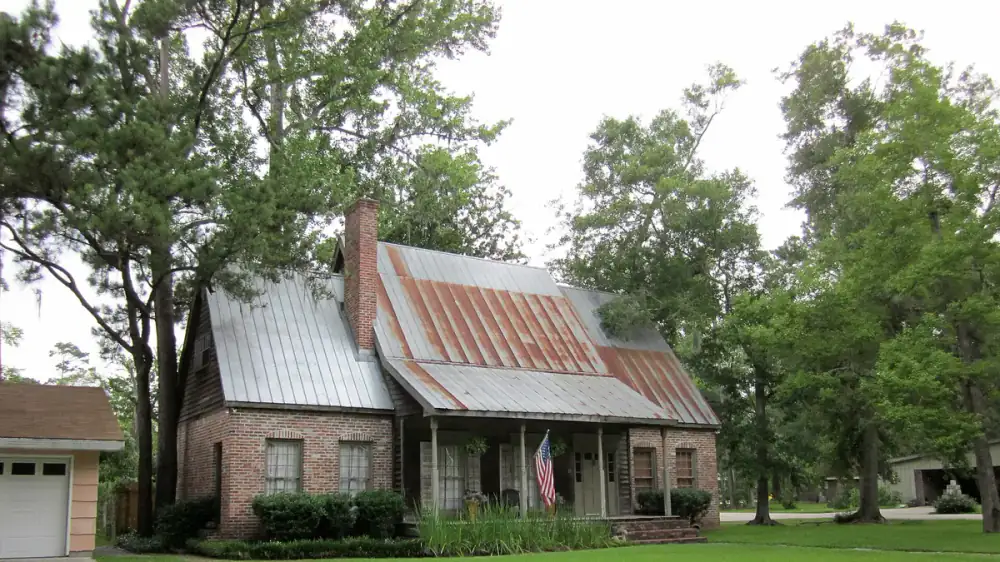
Clean a metal roof with gentle, low-pressure methods: a mild detergent solution, a soft brush or cloth, and a low-pressure rinse that protect the coating. Avoid high pressure, abrasives and harsh chemicals, which dent panels, strip the finish, and drive water under the seams. And because a metal roof is steep and extremely slippery, leave the actual roof access to a professional.
There is a strange thing about cleaning a metal roof: the cleaning is the easy part, and the hard part is not really about cleaning at all. The technique is genuinely simple — mild solution, low pressure, a soft touch, and the coating that gives the roof its long life stays intact. What makes a metal roof different from almost any other surface on the house is not how you wash it but where it is. A metal roof is one of the most treacherous surfaces a person can stand on, so before a word about detergents, the honest headline is this: the height side of the job belongs to a professional.
The hazard is the surface underfoot
Metal roofs are steep by design and extremely slippery by nature, and a film of water or soap turns them into something closer to ice than roofing. The danger is not the cleaning solution or the technique — it is the fall. That risk sits above any argument about saving money, and it is the reason getting onto and moving across a metal roof is a job for someone with the right equipment and footing, not a Saturday-afternoon ladder-and-hope arrangement.
This shapes everything that follows. The method below assumes the access is being handled safely — by a professional, or with proper equipment — and that you are not improvising your way across a wet slope. If cleaning a metal roof means you personally walking a soapy, pitched surface, the safest and most sensible move is to stop and hand that part off.
Why gentle and low-pressure win
A metal roof's durability lives almost entirely in its factory-applied coating. Protect that coating and the roof lasts decades; wear through it and you invite fading, chalking, and eventually rust. The ways people damage it are precisely the aggressive shortcuts impatience suggests:
- High pressure dents panels, drives water up under the seams and panel laps, and erodes the coating.
- Abrasive pads and wire brushes scratch straight through the finish.
- Harsh or incompatible chemicals can react with the coating or void a warranty.
Gentle works because metal grime is mostly loose surface dirt and organic film — neither of which needs force to shift. The same principle underlies all careful exterior work: the explainer on how soft washing works covers why chemistry at low pressure beats brute force, and the roundup of surfaces that should not be pressure washed shows where high pressure goes wrong.
The sequence, once access is sorted
With safe access in hand, the cleaning itself is short and forgiving:
- Rinse loose debris with a low-pressure stream to clear leaves, dust and grit.
- Protect the surroundings. Wet down and cover the plants below, and note where the runoff drains — cleaning solutions must be applied and contained responsibly.
- Apply a mild solution. A gentle detergent for general grime, or a product made for exterior organic growth where algae or mildew has taken hold, mixed per its label. Never mix cleaning chemicals with one another.
- Let it dwell, then agitate gently. Give the solution time to work, then use a soft brush or cloth, moving with the panel rather than scrubbing across it.
- Rinse thoroughly at low pressure, working from the top down so the runoff carries dirt away.
The choices that keep this safe for the finish come down to a short do-and-avoid:
| Do | Avoid |
|---|---|
| Mild detergent or a purpose-made solution | Harsh, incompatible, or mixed chemicals |
| Soft brush, sponge, or cloth | Wire brushes and abrasive pads |
| Low-pressure rinse | High-pressure washing |
| Working with the panel and its coating | Aggressive scrubbing against the finish |
| Following the manufacturer's guidance | Assuming any cleaner is fine |
What the streaks are actually telling you
Most of what shows up on a metal roof is cosmetic and lifts with the gentle method above. Dirt and pollen streaks respond to a mild detergent and a soft brush. Algae and mildew on shaded, damp slopes are a chemistry problem rather than a scrubbing one — the same treat-and-rinse approach used elsewhere on the house applies. Rust streaks near fasteners or cut edges are the exception: they often need spot treatment and touch-up rather than cleaning alone, because the mark is a symptom of bare or corroding metal, not surface grime.
A cleaning is also a rare close look at the roof, so it is worth using the moment — whether from the ground or through a professional's inspection — to note anything that needs more than soap. Loose, backing-out or missing fasteners at the panels. Failed or lifting sealant at seams, ridges and penetrations. Widespread rust, chalking or fading, which point to the coating failing. Dented or lifted panels from impact or a past high-pressure cleaning. And debris trapped at roof-to-wall transitions or in valleys, where water can back up and sit against the panels. Understanding how those edges are put together helps you read what you are seeing; the material notes on metal roof edges explain where the vulnerable points are.
Where the line falls
For a metal roof, the professional line is drawn by the roof, not by the difficulty of the wash. The moment the job requires actually getting onto the roof, it has crossed into territory where the fall risk outweighs any saving — metal is slick underfoot when wet or soapy and steep enough to punish a slip. Add to that a roof that is high, steep or multi-level; visible loose fasteners, failed sealant, widespread rust or dented panels that need repair rather than cleaning; and any warranty that specifies cleaning methods you cannot safely carry out yourself. Roof access is the recurring reason, across every roof guide, to hand the height work to someone equipped for it. For the wider question of when force helps and when it harms, pressure washing versus soft washing is worth a read, and the full exterior cleaning library covers the surfaces you can safely handle with both feet on the ground.
Answers to common questions
Can you pressure wash a metal roof?
Only at low pressure, and it is usually unnecessary. High pressure can dent panels, force water under seams and up beneath the panels, and damage the protective coating. Gentle, low-pressure cleaning with a suitable solution does the job without those risks.
What is the best cleaner for a metal roof?
A mild detergent solution suits most cleaning. For algae or mildew, a solution made for exterior organic growth, applied gently and rinsed well, works better than force. Always follow the roof or coating manufacturer's guidance, and never mix cleaning chemicals.
Will cleaning damage the coating on a metal roof?
Not if you are gentle. Abrasive pads, wire brushes, harsh chemicals and high pressure are what damage the finish. A soft brush or cloth, a mild solution, and a low-pressure rinse protect the coating that gives the roof its lifespan.
How do I remove streaks and stains from a metal roof?
Most streaks are dirt, pollen, or mild organic growth and lift with a mild detergent and a soft brush, working with the panel rather than scrubbing hard. Rinse thoroughly. Rust streaks or fastener stains may need spot treatment and, sometimes, touch-up rather than cleaning.
Is it safe to clean a metal roof myself?
The cleaning is simple; the roof is the hazard. Metal roofs are exceptionally slippery, especially when wet or soapy, and steep. Getting onto and moving across one safely is a job for a professional with the right equipment. Leave the roof access to them.
How often should a metal roof be cleaned?
Metal sheds dirt well, so many roofs need little more than the occasional rinse. A clean every year or two suits most, more often in damp, shaded, or heavily wooded settings where algae and debris build up faster.

Pressure Washing vs Soft Washing
One relies on force, the other on cleaning solution at low pressure. Matching the method to the surface is what protects siding, roofs and trim.
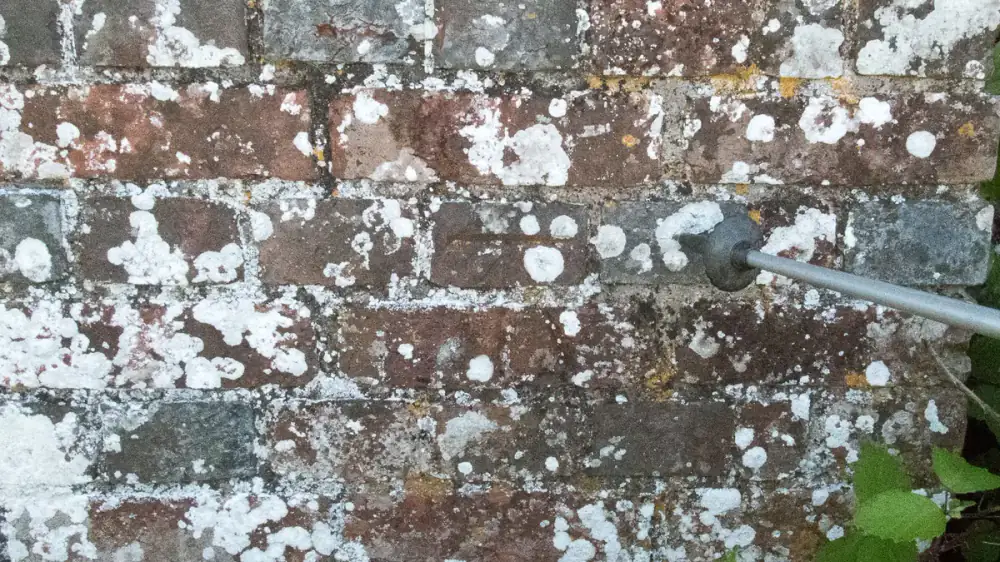
How to Remove Algae from Exterior Walls
That green film is a moisture problem, not just dirt. Here's why gentle cleaning beats blasting, how to protect plants and windows, and how to stop it coming back.
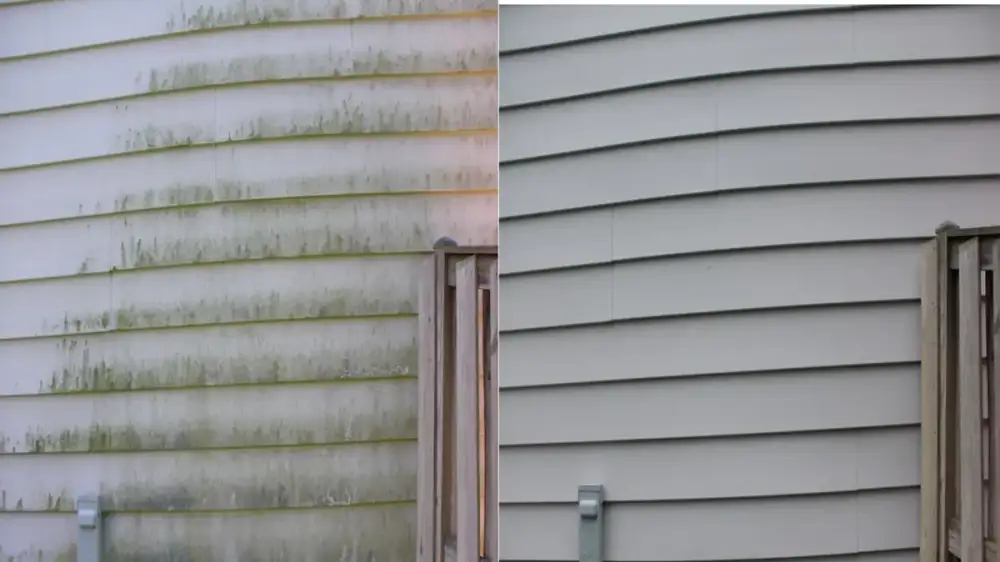
Can Pressure Washing Damage Siding?
The same force that strips dirt can crack panels, peel paint and push water into the wall. Here's how siding gets damaged — and the safer way to clean it.