Exterior Maintenance for Rental and Second Homes
A property you do not live in full-time still needs a working water path. Here is how to keep the exterior sound when you are rarely there to watch it.
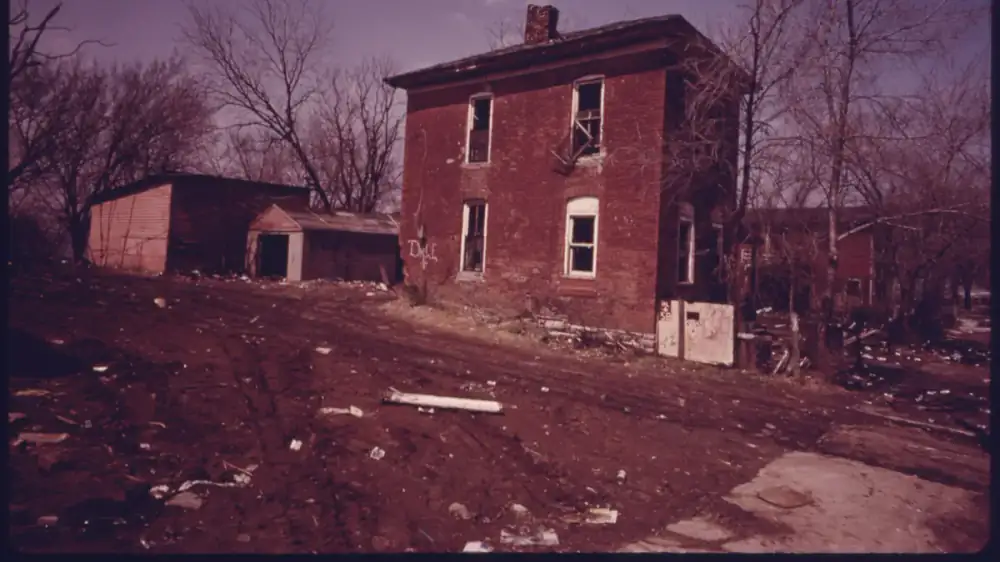
A property you do not live in full-time needs the same exterior care as any home — but it needs that care on a deliberate schedule, because no one is on site to notice trouble as it starts. Put the water path first, tie your inspections to the seasons and to major storms, keep a written log, and line up trusted local help for anything you cannot safely handle on a visit.
Maintaining a rental or a second home is not harder because the tasks are harder. The tasks are identical to any home's. It is harder because you have lost the one thing homeowners never think to value: the constant, accidental attention that comes from simply living somewhere. A resident sees the gutter overflow during dinner, notices the new stain on the way to the car, catches the puddle by the foundation while taking out the trash. At a house you visit a handful of times a year, all of those signals fire into an empty room. This guide is about rebuilding that lost attention on purpose. Begin from the shared foundation every home shares — the year-round exterior maintenance schedule — and adapt it as below.
The problem is absence, not the house
Nearly every rule of exterior maintenance quietly assumes a watcher. "Catch it early" only works if someone is there to catch it. Remove the resident and you have not just removed a person — you have removed the sensor the whole system was built around. A clog that a homeowner would spot in the first rainstorm can sit undetected through an entire wet season at an empty house, and by the time anyone arrives, the cheap problem has become an expensive one.
So the goal is not to do different tasks. It is to replace continuous awareness with deliberate structure: scheduled checks, a written record, and unambiguous responsibility for who does what. The work stays the same; the scaffolding around it is what you have to build.
A schedule that stands in for a resident
The rhythm is the ordinary seasonal one, but you lean on it harder here, because it is quietly doing all the work a resident's daily glance would otherwise do for free.
| Timing | What to do | Why it matters remotely |
|---|---|---|
| Each season | Clean gutters, check the roof edge, wash and inspect surfaces | Keeps the water path working when no one is watching daily |
| After major storms | Inspect for loosened gutters, debris, and new water pooling | Storms cause damage that would otherwise sit undiscovered |
| Between visits | Have someone on-site report obvious problems | Restores the early warning a resident provides |
| Every visit | Walk the exterior and update the log | Turns scattered trips into a real maintenance history |
Two of those rows carry most of the weight: the seasonal cleanings and the post-storm checks. Set your gutter frequency with how often to clean gutters, and remember that heavy tree cover or a demanding climate pushes that number up — a wooded lot you visit twice a year is a very different job from a bare one.
If you protect one thing, protect the water path
Given limited visits and limited time, protect drainage above everything else. It is the system most likely to fail quietly and the one whose failure costs the most. Keep the gutters clear, the downspouts discharging well away from the walls, and the ground sloping away from the foundation. Knowing how water sheds off your home tells you exactly what to check, and water pools near the foundation shows you what a failure looks like at ground level so you can name it the moment you see it.
The rest of the exterior — siding, growth, hard surfaces — still matters, but it degrades slowly and forgives a missed visit. Water does not forgive anything. When you do have time for the slower work, a homeowner's guide to exterior cleaning covers the essentials.
Rentals: put the boundary in writing
A rental introduces a second party, and the most common failure is not a clogged gutter — it is a fuzzy line about whose gutter it was. Decide, and write it down:
- What the tenant reports. Tenants are your eyes on site. Ask them to flag the obvious — overflowing gutters, stains, pooling water — even if they never touch a tool. That reporting is genuinely valuable; hand them reading exterior warning signs so they know roughly what to watch for.
- What you arrange. Actual maintenance, and anything at height, is yours to organize through a professional or service — never delegated casually to a tenant, who has neither the equipment nor the responsibility for work off the ground.
- When access happens. Coordinate seasonal and post-storm exterior work with the occupant ahead of time, so a scheduled cleaning never turns into a standoff at the door.
Second homes and hard climates
A second home is often empty for long, predictable stretches — and often sits somewhere that punishes an unwatched exterior: a lakeside, a stretch of coast, a snow-country cabin. Tune the plan to the place.
- Snowy country? Fall preparation and winter watching matter even more when no one is there to catch an ice problem forming. See exterior maintenance in a snowy climate.
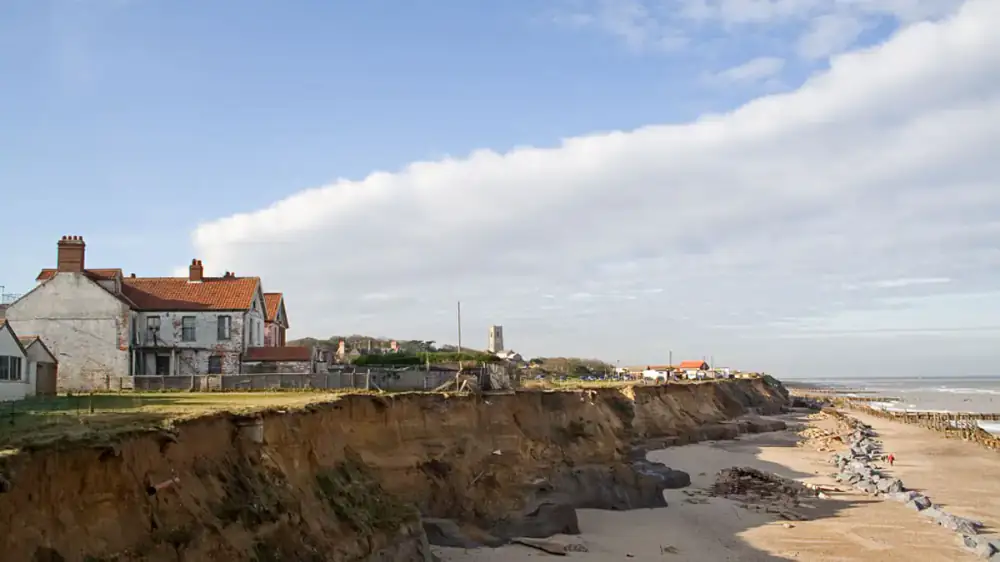
- On the coast? Salt keeps corroding the whole time you are away, so regular rinsing and corrosion checks belong on the schedule. See exterior maintenance for coastal homes.
- Long vacancies? Bracket each empty stretch with a check — one as you leave, one as someone returns — so nothing runs the full gap unobserved.
The log is your memory
The nearest thing to a resident's continuous awareness is a written one. Record every check and task with a date and a few photos. Over time a log does three things a single visit never can: it reveals what is trending worse, it hands any service or future owner a real history instead of guesswork, and it keeps a distant property from quietly drifting out of mind. It is the low-effort backbone of caring for anything you do not see every day — and it is what lets a decision about hiring help be made on evidence rather than a vague sense that "something looked off last time."
That decision — handling visits yourself versus hiring local help — comes down to distance, how often you visit, and what you can safely do on site. Many owners of far-off properties find a trusted local service or property manager well worth it, precisely because a problem caught early is so much cheaper than one found late, and because distance sharpens the usual rule about heights: anything requiring a ladder, roof access, or repair should go to a professional, and at a place you rarely visit, arranging that help proactively is often the smart default rather than the last resort. On a nearby second home you visit often, a personal schedule may be plenty. To find your own line, see diy vs. professional exterior work, and to choose a service well, how to evaluate an exterior contractor. Whoever ends up on site, a monthly exterior home check mindset keeps the ground-level observation alive while the skilled, elevated work stays where it belongs.
Questions people also ask
Why is a home I do not live in harder to maintain?
Because the early warning system is missing. When you live somewhere, you notice an overflowing gutter or a new stain without trying. At a property you rarely visit, small problems compound unseen between visits, so a minor clog can become real damage before anyone looks. The fix is a deliberate schedule that replaces the daily glance you would otherwise get for free.
How often should someone check on an unoccupied property's exterior?
More often than the surfaces alone would suggest, because no one is there to catch problems between checks. At minimum, tie inspections to the seasonal maintenance rhythm and add a look after major storms. The right frequency depends on the climate, the tree cover, and how long the property sits empty.
Can I ask a tenant to handle exterior maintenance?
You can ask a tenant to report problems — an overflowing gutter, a stain, pooling water — and that early warning is valuable. But actual maintenance and any work at height should be arranged by you through a professional or service, not delegated informally. Clarify in advance who is responsible for what so nothing falls through the gap.
What is the single most important thing to keep up remotely?
The water path — clean gutters and drainage that carries water away from the foundation. It is the part most likely to fail quietly and cause the most expensive damage when it does. If you keep only one thing on schedule at a distance, keep the gutters clear and the downspouts discharging away from the house.
Should I hire a local service or manage visits myself?
It depends on distance, frequency, and how much you can safely do yourself on visits. Many owners of distant properties find a trusted local service or property manager worth it precisely because problems caught early are so much cheaper. On a nearby second home you visit often, a personal schedule may be enough.
How do I keep track of what has been done from a distance?
Keep a simple written record of every check and task, with dates and photos. A log turns scattered visits into a real maintenance history, shows you what is trending worse over time, and gives any service or future owner a clear picture. It is the closest substitute for the continuous awareness a resident has.

Prioritizing Exterior Maintenance on a Budget
When funds are limited, spend where they prevent the most damage. Here is how to rank exterior tasks so a small budget does the most good.
Reading Exterior Warning Signs
Most exterior problems announce themselves early. Here is how to read the signs across the whole house and where each one points.
Exterior Maintenance for Coastal Homes
Salt air, corrosion and wind-driven rain make coastal homes their own category. Here is how to rinse, choose materials and check more often.