Gutter Heat Tape and De-Icing Basics
Heat cables can keep a channel open through ice, but they don't fix why ice forms. Here's what de-icing does, what it doesn't, and why ventilation is the real answer.
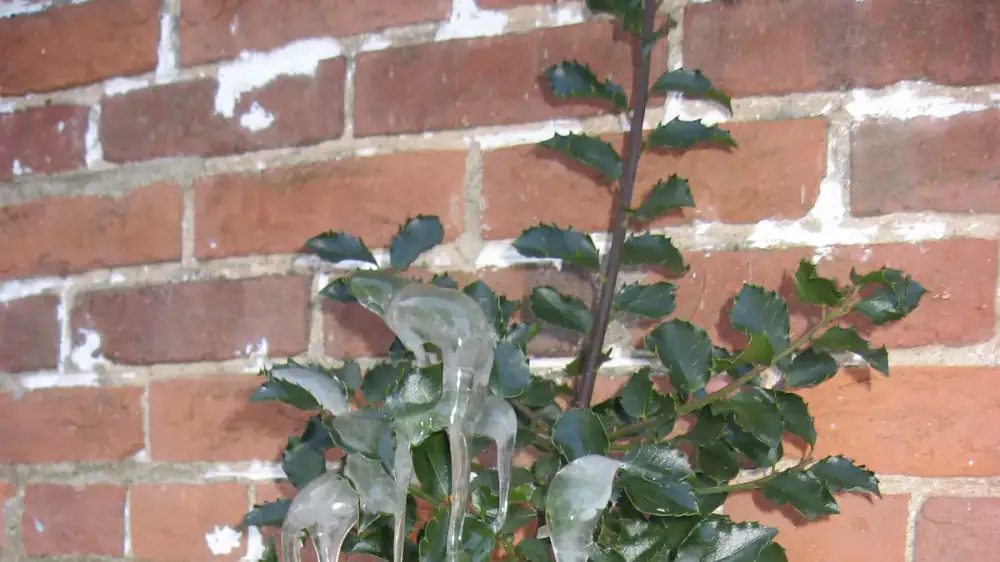
Gutter heat tape, or de-icing cable, warms a narrow path along the roof edge, gutter, and downspout so meltwater has a channel to drain instead of refreezing into a dam. It manages the symptom; it does not stop ice dams from forming. The real, lasting fix is attic ventilation and insulation that keeps the roof cold and even. Because it combines work at height with electrical connections, heat cable installation belongs with a professional.
There is a predictable rhythm to winter in snowy regions. Ice builds along the roof edge, a homeowner watches it grow, and by the second cold snap they are shopping for heat cables, convinced they have found the cure. Heat tape does have a real use — but it is a narrow one, and it is almost universally misunderstood. It is far closer to a pressure-relief valve than a cure, and mistaking one for the other costs money while leaving the actual problem untouched. Sorting out what the cables do, what they cannot do, and what does fix ice dams is worth a few minutes before the first snow.
The one job a cable does
A de-icing cable is a length of heating wire, run in a zigzag along the eave and threaded through the gutter and downspout. Powered up, it warms the surfaces it touches, keeping a channel open so water melting off the roof has a path to drain rather than pooling and refreezing at the cold edge.
That is the entire job: keep a drainage path open. When it works, it relieves some of the backup that would otherwise push water under shingles and behind the gutter. It is a way of managing meltwater once the melting is already happening — nothing more, and it is important not to ask it for more.
Four things it was never going to do
The misunderstanding lives in the gap between what people expect and what the cable delivers. A cable does not melt all the snow on your roof; it warms a narrow path, not the whole surface. It does not stop ice dams from forming, because the melt-and-refreeze cycle that builds a dam is driven by heat escaping from the house, and the cable does nothing about that heat. It does not replace gutter cleaning; it shares the trough with leaves and grit and removes none of it. And it does not fix the underlying problem — it is a symptom manager, full stop.
If you take away one idea about de-icing, make it this: a cable treats the water, not the cause. Seeing why the cause matters means understanding how the damage actually happens, which is the subject of how snow and ice damage gutters.
The temperature story behind an ice dam
An ice dam is not really a snow problem; it is a temperature problem. Warm air from the living space leaks up into the attic and heats the underside of the roof deck. Snow on that warmed upper roof melts, and the meltwater trickles down until it reaches the eave — the part of the roof that overhangs the exterior wall and stays cold. There it refreezes. With each cycle the ridge of ice grows, backing water up behind it and forcing it under the shingles.
The engine of the whole process is a warm, unevenly heated roof. That is exactly why de-icing cable can only ever manage the aftermath — it never touches the heat loss that starts the cycle. For a closer look at the mechanism, see ice dams forming at the roof edge.
Fixing the cause instead of the water
If a warm roof causes ice dams, the durable answer is to keep the roof cold and its temperature even. That comes down to two things working together. Attic insulation and air sealing keep household heat from reaching the attic in the first place. Attic ventilation lets outside air keep the roof deck close to the outdoor temperature. Do both and the roof stays uniformly cold, snow no longer melts on the upper roof to refreeze at the eave, and the dam never gets its start.
This is the fix that addresses the cause rather than the symptom, which is why our guidance points to roofline and attic ventilation as the first thing to evaluate. Heat cables can earn a place as a supplement in stubborn spots — a north-facing eave that never sees sun, say — but they should not be the whole plan.
Two approaches, side by side
| Approach | What it addresses | What it leaves unsolved |
|---|---|---|
| Heat cables / de-icing tape | Keeps a drainage channel open through the ice | The heat loss that causes ice dams; debris in the gutter |
| Attic ventilation and insulation | The root cause: a warm, uneven roof | Requires proper assessment of the whole roof and attic |
What to watch for without climbing
You can spot the conditions that lead to ice-dam trouble entirely from the ground. Thick ridges of ice building along the eaves after snowfall are the clearest sign. Icicles hanging from the gutters show the melt-and-refreeze cycle in action. Water stains on interior ceilings or walls near exterior walls suggest water is already backing up under the shingles. Uneven snowmelt — bare patches high on the roof with ice at the edge — is a classic fingerprint of heat loss. And gutters sagging or pulling under trapped ice tell you the load is becoming a problem in its own right. None of this requires a ladder, which is the point.
The habits that make winter worse
A few common moves quietly undermine the whole effort. Treating heat tape as a cure leaves the cause in place while the homeowner assumes it is handled. Skipping ventilation and insulation ignores the fact that the real fix is usually in the attic, not on the roof edge. Installing cable yourself combines ladder work at the eave with electrical connections — exactly the pairing to hand off. Letting gutters go into winter clogged means debris traps water that then freezes, which is why a solid late-fall cleaning matters even more once cables are installed. And chipping at an ice dam by hand from a ladder damages the roof and gutters and puts you in a genuinely dangerous spot.
Drawing the line clearly
De-icing is one of the few topics where the do-it-yourself boundary is unusually sharp. Leave to a professional: installing any de-icing cable, which involves both work at height and electrical connections; assessing and improving attic ventilation and insulation, the actual fix for ice dams; evaluating persistent dams and deciding what mix of measures a home needs; and any roof-edge work at height, which is never a ground-level job.
Keep your own role to ground-level observation — noting where ice builds and where meltwater backs up — and let qualified people handle the roof, the wiring, and the attic. Heat cables have a place, but it is the last line of defense, not the first. For how gutters fit into the larger job of protecting the house, see our gutters overview.
Your questions, answered
What does gutter heat tape actually do?
Heat cables, sometimes called heat tape, warm a narrow path along the roof edge, gutter and downspout so meltwater has a channel to drain through instead of refreezing into a dam. They do not warm the whole roof or melt all the snow. Their job is to keep a drainage path open, which can relieve the pressure that pushes water back under shingles, but they treat the symptom rather than the cause.
Do heat cables actually prevent ice dams?
They can ease the drainage backups an ice dam causes, but they do not stop the dam from forming. An ice dam forms because heat escaping into the attic melts snow on the upper roof, which then refreezes at the cold eave. Cables give that meltwater somewhere to go; they do not break the melt-and-refreeze cycle. The lasting fix is addressing the heat loss itself.
Why is ventilation the real fix?
Ice dams are driven by a warm roof deck. When the attic is well ventilated and the ceiling below is properly insulated and sealed, the roof stays closer to the outside temperature, so snow does not melt unevenly and refreeze at the edge. Fixing ventilation and insulation attacks the root cause, while heat cables only manage the water after the problem has already started.
Can I install heat cables myself?
We would not recommend it. Heat cable installation joins two things best left to professionals: working at height along the roof edge, and making electrical connections. Getting the layout, spacing and power connection right matters for both safety and effectiveness. Treat de-icing cable as a professional installation rather than a weekend project, and keep your own work to ground-level observation.
If I have heat cables, do I still need to clean the gutters?
Yes. Heat cables do nothing about leaves, grit and debris, and a clogged gutter still traps water that can freeze. The cables share the trough with whatever collects there, so clearing the gutters before winter matters just as much, arguably more, once cables are installed. De-icing is not a substitute for routine cleaning.
Could heat tape damage my roof or gutters?
Properly specified and professionally installed cable is designed to run safely, but poor installation, damaged cable, or running it in ways it was not designed for can cause trouble. Because the stakes involve both fire safety and roof integrity, this is another reason to have the work done by a qualified professional and to follow the manufacturer's guidance rather than improvise.

How Trees Affect Gutter Maintenance
Leaves, pine needles, seed pods and shade each create a different gutter problem. Here's how tree cover reshapes your maintenance schedule.
Why Water Runs Behind Gutters
A missing drip edge, a gutter hung too low, or an overflowing clog — these three causes explain most water that ends up behind the gutter.
Signs Gutters Need Repair Instead of Cleaning
Sagging runs, leaking seams, loose hangers and standing water are repair problems, not cleaning problems. Here's how to tell them apart.