Painted and Galvanized Steel Gutters
Steel gutters are strong and hold their shape better than aluminium, but their weakness is rust. Here's how the coatings protect them and how to keep them from corroding.
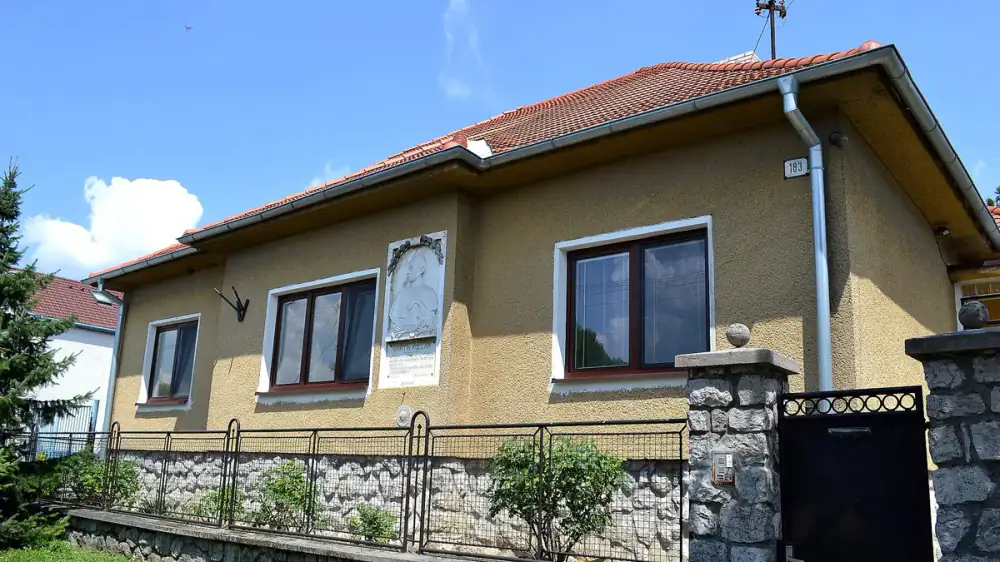
Steel gutters make one clear trade: they are stronger than aluminium — shrugging off ladders, ice loads and impact — in exchange for a single vulnerability, rust. The galvanized or painted coating is the only thing keeping water off the steel, so all the care comes down to protecting that coating and never letting water sit. Clear the trough by hand, touch up every scratch and chip before it corrodes, and keep pressure washing gentle and off the finish.
Every gutter material is a compromise, and steel's is easy to state. Where aluminum dents under a leaning ladder and bends under a load of ice, steel holds its line. It's the material you'd choose for a harsh climate or a high-abuse spot, the run that has to survive a falling branch. That toughness is real and it's the reason steel still earns its place at the roof edge.
The bill for that strength comes due as rust. Steel corrodes the moment bare metal meets water, and nothing but a thin surface coating stands between the two. So caring for steel gutters is not really about the steel — it's about the coating, and about never giving standing water the time it needs to find a way through.
How the coating buys time
There are two versions of that protective layer, and it helps to know which you have because they fail differently. Galvanized steel carries a zinc coating bonded to the metal. Painted steel adds a color finish on top, very often over galvanizing, so many gutters have both. Either way, the principle is the same: the steel underneath is safe only as long as the coating over it stays intact.
The zinc does something clever that paint alone can't. It offers sacrificial protection — at a small scratch or nick, the zinc corrodes preferentially and shields the exposed steel for a while, buying time the bare metal wouldn't have on its own. That protection is finite, and it wears out, but it's why a scratched galvanized gutter doesn't rust instantly. Paint, by contrast, is purely a barrier: excellent while whole, but the moment it chips, water reaches the steel directly. Painted finishes give you color and an extra layer; galvanizing gives you that margin at the inevitable scratch.
Where rust actually starts
Rust doesn't attack a steel gutter evenly. It begins wherever the coating is broken and water can linger, so the danger map is predictable: the bottom of the trough under a bed of wet debris, the seams, the cut edges, and any scratch or chip in the finish. Cut edges are worth singling out — they're the most rust-prone spot on any steel run, because the coating there is thinnest or absent.
That's also the lens for reading everything the gutter collects. Leaves, needles and grit matter not as dirt but because they hold moisture against the metal. Chalking and fading of the paint are merely cosmetic. Chips and deep scratches, though, are early warnings, because each one is a place rust will start. Standing water and trapped wet leaves are precisely what turn a sound steel gutter into a rusted one — which is why the single most protective habit is keeping the trough clear enough that water never stands.
Cleaning with hands, not hoses
Steel's strength changes the pressure-washing calculation, but not in the direction you might expect. Because steel dents far less than aluminum, impact isn't the main worry — the coating is. A high-pressure stream chips and strips paint and galvanizing, and every bare spot it exposes becomes a future rust site. On the one material where the finish is doing all the protective work, aggressive washing is self-defeating.
The safer routine is mostly manual and done from stable footing on a ladder. Clear the trough by hand, scooping out leaves and settled grit — especially from the bottom, where rust starts — before flushing with a hose to confirm the downspouts run free. While the trough is clear, dry-check the interior for early surface rust, and note any chips or scratches to touch up. The exterior face only needs hand washing with a mild detergent for streaking and grime; there's no reason to blast packed debris loose under pressure. The reasoning behind favoring the gentle approach on coated metals is laid out in pressure washing versus soft washing.
Catching rust before it wins
Rust is a race, and it's won early. Touch up scratches and chips promptly: clean back to sound material, then re-prime and repaint before corrosion spreads. Arrest surface rust the same way, with cleaning, a rust-inhibiting primer and paint. Check the seams and end caps where sealant fails and water reaches the metal, keep the pitch and hangers set so water drains fully instead of pooling, and keep a particular eye on those exposed cut edges. Steel gutters connect into the same roof-edge system as the roofing, drip edge and fascia, so a clean, well-draining trough protects more than just itself.
Learning to grade what you see keeps you ahead of the corrosion. Orange surface rust is a call to act now, while it's still surface. Bubbling paint is worse — it means rust is already forming beneath the finish. Perforations or holes mean the rust has eaten through, and at that point patching is a short-term fix at best; the section needs replacing. Rust runoff staining the materials below and leaking seams round out the list. Our guide on how long gutters last and repair versus replacement helps judge when touch-up gives way to replacement.
Stand back and the durability story is coherent: mechanically, steel is the strongest common gutter material, but against corrosion it's the most vulnerable, because its lifespan is tied entirely to the coating and to keeping water moving. Maintained well, it serves reliably for many years; neglected, rust becomes the clock it runs on. Copper and aluminum sidestep rust altogether, which is the central distinction to weigh — steel simply asks for more vigilance in return for its strength.
Keep reading
- Aluminium gutters: care and durability
- Copper gutters: care and patina
- How long do gutters last? Repair vs. replacement
- Metal roof edges and drip edge
- Pressure washing vs. soft washing
Common questions
Can I pressure wash steel gutters?
Only gently on the outside. Steel is stronger than aluminium and dents less, but high pressure can chip or strip the painted or galvanized coating — and once the coating is breached, steel rusts. Any bare spot you expose becomes a rust starting point. Hand washing the exterior is safer, and the trough should be cleared by hand, not blasted. See pressure washing vs. soft washing.
Why are my steel gutters rusting?
Steel rusts wherever its protective coating fails and bare metal meets water — at scratches, chips, cut edges, seams, and where debris holds moisture in the trough. Galvanized coatings and paint both eventually wear or get breached. Standing water and trapped wet debris accelerate it. Catching and touching up bare spots early is the key to slowing rust.
What's the difference between galvanized and painted steel gutters?
Galvanized steel has a zinc coating that protects the steel and slows rust; painted steel adds a color finish over the metal (often over galvanizing). Both rely on the coating staying intact — the steel underneath rusts once it's exposed. Painted finishes give color options and an extra barrier but can chip; galvanizing offers sacrificial protection at scratches.
How do I stop steel gutters from rusting?
Keep the coating intact and water moving. That means clearing debris so water doesn't stand, keeping the trough from holding wet leaves, touching up scratches and chips promptly with a suitable primer and paint, and addressing early surface rust before it spreads. Once rust has eaten through the metal, that section usually needs replacement.
Can rusted steel gutters be repaired?
Surface rust caught early can be cleaned, primed and painted to arrest it. Once rust has perforated the metal or a section is structurally weakened, patching is a short-term fix at best and replacement is the durable solution. Our guide on repair vs. replacement helps judge which situation you're in.
Are steel gutters better than aluminium?
It depends on priorities. Steel is stronger and holds its shape better under ladders, ice and impact, which suits harsh climates. But aluminium doesn't rust, so it needs less vigilance against corrosion. Steel trades aluminium's rust immunity for greater strength — a reasonable choice if you keep the coating maintained.
Related reading
Metal Roof Edges and Drip Edge
Drip edge and metal roof-edge trim quietly protect the fascia, decking and gutters. Here's what they do and how to keep them working.
Composite Decking: Care and Cleaning
Composite decking is low-maintenance, not no-maintenance. Here's how to clean it, remove stains and avoid damaging the boards.
Natural Stone: Exterior Care and Cleaning
Natural stone is the most durable exterior surface, but some stones etch or stain easily. Here's how to clean and care for it safely.