Copper Gutters: Care and Patina
Copper gutters are the premium choice — long-lived, self-protecting and beautiful as they patina. Here's how to care for them, and why less is usually more.
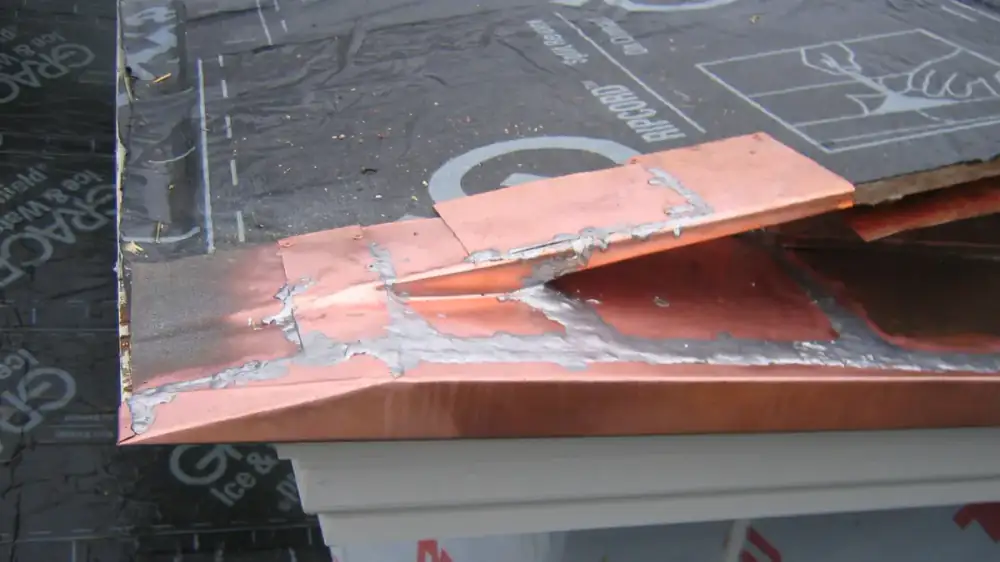
Copper is the premium gutter material — exceptionally long-lived and largely self-protecting thanks to the patina it develops, which shields the metal beneath. Care is mostly hands-off: keep the trough clear, rinse gently, and generally leave the patina alone rather than polishing or pressure washing it. The two things to watch are patina runoff staining lighter materials below, and solder joints or dissimilar-metal contact, which are where copper systems actually fail.
Most materials on a house get worse as they age. Paint chalks, steel rusts, wood softens, and the maintenance calendar is a running fight against decline. Copper is the strange exception at the roof edge: its aging is not decay but a kind of self-defense. Bright new copper weathers through warm browns and eventually to the familiar soft green, and that changing surface — the patina — is a protective skin the metal grows over itself. It shields the copper underneath and is a big part of why a copper gutter can outlast the roof it hangs from.
That single fact flips the usual logic of gutter care. With copper, the skill is mostly knowing what not to do. Keep the trough clear, protect the joints, and resist the deep human urge to "restore" a finish that is quietly doing its job.
Aging that protects instead of destroys
It's worth being clear about what the patina is, because owners sometimes panic at the first sign of it. The progression from bright metal to brown to green is normal, intended, and desirable. In the early years the weathering is often blotchy and uneven, which looks like a defect but isn't — it evens out over time as the whole surface transitions. Sheltered areas that stay drier will patina more slowly than exposed ones, so a run of copper can wear several tones at once for a while.
None of that is a problem to be fixed. The patina slows further weathering, and copper's underlying corrosion resistance is exactly why it lasts. Standing water in the trough doesn't rot copper the way it eats bare steel. As gutter metals go, copper is about as water-tolerant as it gets — the weathering you see is the material protecting itself, not breaking down.
The case for leaving it alone
Because copper looks so good polished, there's a temptation to bring it back to a bright shine, or to clean it "properly" with real force. Both are counterproductive. Copper is a soft metal, so a pressure washer can dent it, and blasting the surface strips off the very patina most owners want to keep. Polishing copper back to bright is purely cosmetic: it will re-oxidize and start the whole cycle again, and in the meantime you've removed a layer of protection for a temporary gleam.
The right touch is gentle. Clear the trough by hand, scoop out settled grit, and flush lightly with a hose to confirm the downspouts run free. If you genuinely want to even out staining or clean the surface, do it by hand with a mild approach, accepting that any polished copper will weather again. Our overview of pressure washing versus soft washing reinforces why soft metals belong firmly at the gentle end. And since even light-touch care usually means ladder work, do it only from stable footing on level ground, ideally with someone nearby — the metal may be forgiving, but a fall from the eave is not.
The green stain below
Copper's one genuinely awkward habit shows up not on the copper but beneath it. As the metal weathers, some runoff carries copper compounds down onto whatever sits below — light-colored siding, stone, concrete or roofing — leaving green or dark streaking. It's a known and well-documented trade-off of choosing copper, and it's cosmetic: a stain on an adjacent material, not a failure of the gutter.
There are two levers for managing it. Careful detailing at installation directs runoff away from vulnerable light surfaces, which is much easier to get right up front than to fix later. And where staining does appear, it can usually be cleaned from the affected surface itself. The important mental shift is that you treat the stained material, not the copper — the copper is behaving exactly as copper does.
Where copper actually fails
If the sheet metal essentially never rots through, what does go wrong? The answer is almost always at the connections. Traditional copper gutters are joined with solder, and solder joints can eventually crack and leak — that's the classic copper failure point, showing up as drips or stains at a seam. The other risk is galvanic corrosion, which happens where copper touches an incompatible metal. Copper in direct contact with aluminium or bare steel can drive corrosion at that junction, and copper runoff can even corrode aluminium components downstream in the system.
Debris makes both worse. Leaves and grit that sit in the trough hold moisture against the joints and fasteners, which is precisely where trouble concentrates, so keeping the channel clear is really about protecting the seams. When you clean, take a moment to inspect solder joints and seams for early leaks and check contact points for the powdery signs of galvanic action. If repairs are on the table, our guide on how long gutters last and repair vs. replacement helps weigh the options.
Keeping a matched system
The compatibility issue is the strongest argument for treating copper as a complete, matched system rather than a mix of parts. Hangers, fasteners, downspouts and every downstream component should be compatible with copper, which is one reason copper gutters are best installed and repaired by someone who understands the metal. Cleaning follows a tree-driven schedule like any gutter — at least twice a year, more under heavy cover — not because copper needs coddling, but to keep debris off the joints.
Set against the alternatives, copper sits at the very top of the durability range, well beyond aluminium and far beyond painted or galvanized steel. Its self-protecting patina lets it outlast most of the roof it serves. Its real limits aren't the metal but the solder joints, the fasteners, the dissimilar-metal contacts, its softness that dents, and the runoff staining below. Detail it as a compatible system, keep the trough clear, and then mostly leave it be — with copper, restraint is the maintenance.
Related guides
- Aluminium gutters: care and durability
- Painted and galvanized steel gutters
- How long do gutters last? Repair vs. replacement
- Metal roof edges and drip edge
- Pressure washing vs. soft washing
Questions homeowners ask
Should I clean the patina off my copper gutters?
Usually not. The patina — copper weathering from bright metal to brown and eventually green — is a protective layer that shields the copper underneath and is a large part of why copper lasts so long. Most owners let it develop and value the look. You can polish copper back to bright, but it will re-oxidize, and doing so removes the protective layer, so it's a purely cosmetic choice.
Can I pressure wash copper gutters?
It's unnecessary and unwise. Copper is soft, so high pressure can dent it, and blasting the surface disturbs the protective patina you generally want to keep. Clear the trough by hand and rinse gently. If you want to remove staining or even out the finish, gentle hand cleaning is the right approach — not a pressure washer. See pressure washing vs. soft washing.
Why is there green or dark staining below my copper gutters?
As copper weathers, some runoff carries copper compounds that can stain the materials below — light-colored siding, stone, concrete or roofing. It's a known trade-off of copper. The staining can often be cleaned from the affected surface, and careful detailing directs runoff to minimize it. It's a cosmetic issue on adjacent materials, not a failure of the copper itself.
Do copper gutters ever corrode or fail?
Copper is highly corrosion-resistant, which is why it's so long-lived, but it isn't immune. It can suffer galvanic corrosion where it contacts incompatible metals, and solder joints on traditional copper gutters can eventually fail and leak. The metal itself rarely rots through; when copper gutters fail, it's most often at the joints or fasteners.
How often do copper gutters need cleaning?
Like any gutter, that's set by the trees and debris around your home, not the metal — typically at least twice a year, more under heavy tree cover. Copper doesn't need extra cleaning for its own sake; the goal is simply to keep the trough clear so water flows and debris doesn't hold moisture against the joints and fasteners.
Can I mix copper gutters with aluminium or steel parts?
Be careful. Copper in direct contact with dissimilar metals like aluminium or bare steel can drive galvanic corrosion, and copper runoff can corrode aluminium downstream. Compatible fasteners, hangers and downspout materials matter. This is one reason copper systems are best installed as a complete, matched system by someone who understands the metal.
Related reading
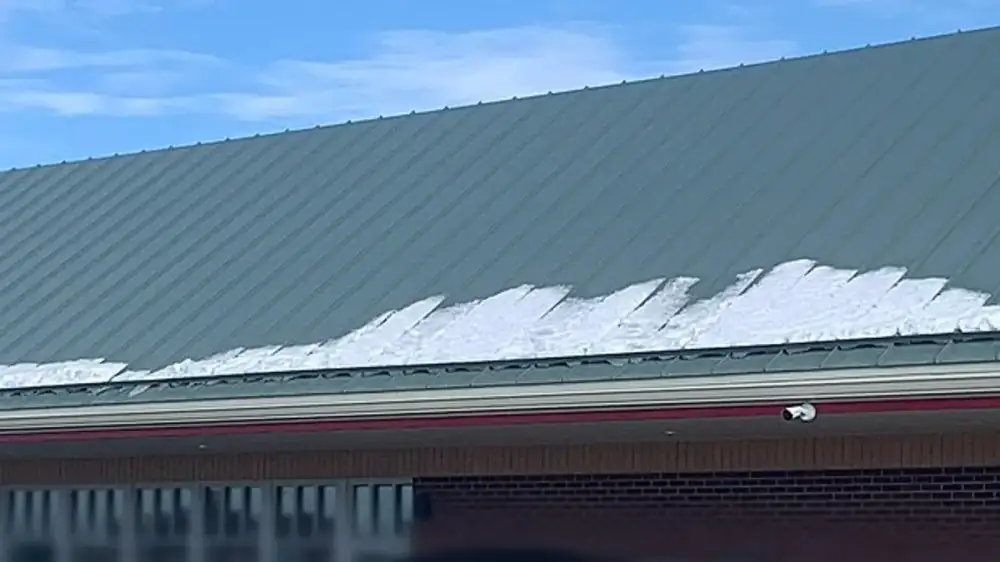
Metal Roof Edges and Drip Edge
Drip edge and metal roof-edge trim quietly protect the fascia, decking and gutters. Here's what they do and how to keep them working.

Composite Decking: Care and Cleaning
Composite decking is low-maintenance, not no-maintenance. Here's how to clean it, remove stains and avoid damaging the boards.
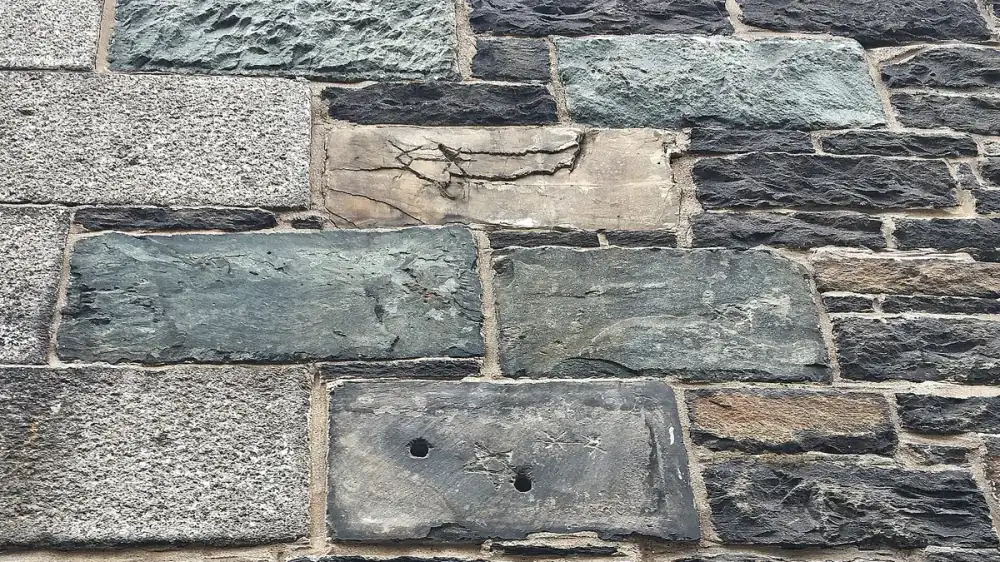
Natural Stone: Exterior Care and Cleaning
Natural stone is the most durable exterior surface, but some stones etch or stain easily. Here's how to clean and care for it safely.