Engineered Wood Siding
Engineered wood siding gives you the look of real wood with more consistency and less upkeep — but only if its factory coating and sealed edges stay intact. Here's how to clean and care for it safely.
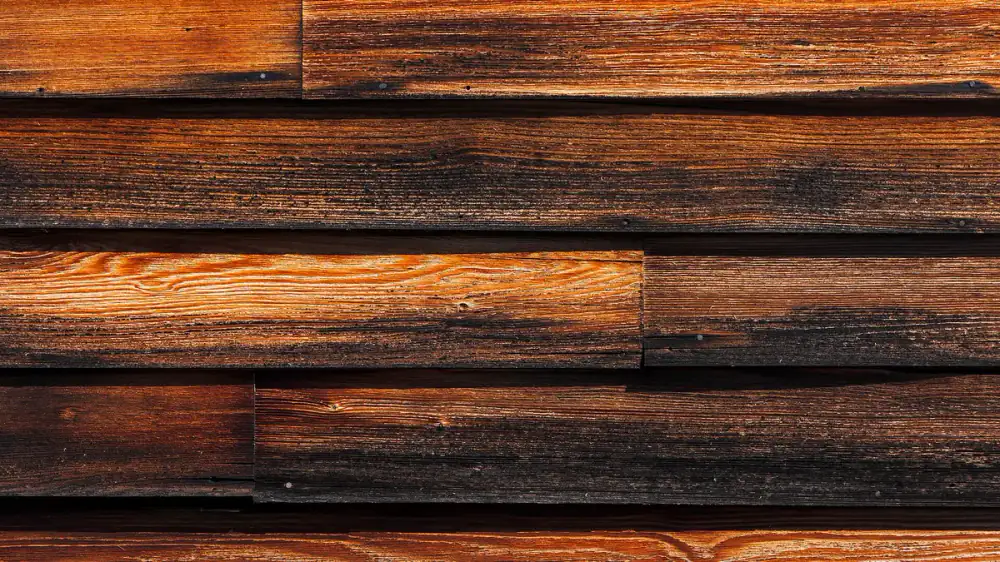
Engineered wood siding gives you a real-wood look with more stability and less upkeep than solid lumber, but it is only as durable as its factory coating and sealed edges. Clean it gently with a mild solution and a soft brush, treat high pressure and exposed cut edges as the main risks, and keep the paint and caulk sound. When engineered siding fails, water has almost always found the core through a breach in the finish.
Engineered wood siding was invented to fix everything homeowners disliked about solid wood — the knots, the cupping, the endless refinishing — without giving up the warm, textured look that made wood worth the trouble in the first place. It's built from wood fibers or strands bound with resins and waxes, pressed into boards or panels, and finished at the factory with a tough coating. The payoff is a cladding that's more consistent and more dimensionally stable than natural lumber and holds paint beautifully.
But the operative word is engineered. The weather resistance you're paying for isn't a property of the material all the way through — it's built in at the factory as a coating and a sealed surface. Underneath that skin is a wood-based core that behaves exactly like wood the moment the protection is breached. Which reframes the whole maintenance question. Caring for engineered siding is really caring for its skin.
The skin is the product
It's tempting to think of engineered siding as "wood, but better," and durability-wise that's mostly fair — as long as the finish holds. The face of a coated board sheds water well and takes weather in stride. The core, though, is water-resistant, not water-proof, and it only stays protected while the coating and sealed edges are intact. Breach them and you've essentially got exposed wood fiber, with all of wood's appetite for moisture.
That's why the mental model matters. You're not maintaining a wall; you're maintaining a barrier, and the barrier is thin. Everything else in this guide follows from that one idea — how you wash it, how hard you can push a pressure washer, what you inspect, and why the humble bead of caulk turns out to be so important.
Edges are where it loses
If the face of a board is the strong part, the edges and joints are the weak part, and it's worth naming them precisely: cut edges, end grain, board-to-board joints, trim intersections, penetrations, and any nick or scrape that opens the coating. Behind every one of those is core material waiting to drink. Field-cut edges made during installation or repair are especially vulnerable, because a factory-sealed board that's been trimmed on site now has raw fiber exposed unless someone sealed it.
When water does reach the core, the failure is ordinary wood failure: the board swells, softens, and eventually delaminates as the pressed layers separate. At that point the affected board generally has to be replaced — there's no drying it back to health. This is why sealing cut edges, keeping boards up off the ground, and maintaining sound caulk and paint aren't optional niceties. They're the actual mechanism by which the siding survives. The format varies across the house — lap siding on the main walls, vertical panel or board-and-batten for a more contemporary look, shake and shingle panels in gables, plus trim, fascia, corner boards and shaded soffits — but the care logic never changes, because every piece leans on the same coating and sealed edges.
Washing it without breaching the coating
Gentle is the whole strategy, because the durability of the wall depends on not damaging the finish. A soft-wash routine handles the vast majority of cleaning:
- Rinse loosely with a garden hose to knock off surface dust.
- Apply a mild cleaning solution suited to painted exteriors — a diluted detergent or a dedicated siding cleaner.
- Work in sections so the solution doesn't dry on a sun-warmed wall.
- Agitate with a soft-bristle brush, following the grain of the board texture. Skip stiff or wire brushes, which scratch the finish.
- Rinse from the top down with hose-volume water rather than high pressure.
- Go easy at joints and edges, and don't blast water into caulk lines or cut edges.
- Test any stronger cleaner on a hidden section first, and keep harsh chemicals off nearby plants and metal.
A pressure washer sits at the edge of what's safe here, and many manufacturers advise against high pressure entirely. The reason is direct: a concentrated stream can breach the coating, drive water behind boards and past cut edges, and reach the core — the exact failure you're trying to prevent. If a washer is used at all, keep it to low pressure with a wide fan tip held well back and always moving, never aimed up under the boards or into the joints. Our overview of pressure washing versus soft washing explains how to choose, and the same coating-first caution applies to other engineered surfaces like fibre-cement siding. Since much of a wall is out of easy reach, do overhead work from stable footing and avoid straining sideways off a ladder to reach that last panel — the wall will wait.
Staying ahead of the weather
The staining engineered siding collects is unremarkable for a painted, textured exterior: mold and mildew in shaded damp spots, green algae on north-facing walls, atmospheric grime heaviest near grade and roads, seasonal pollen film, and a powdery chalk as the coating ages. Rust streaks can run down from fasteners or metal fixtures above. Most of it lifts with gentle cleaning suited to a painted finish — the aim is always to remove the stain without abrading the coating that protects the board.
Beyond cleaning, the real upkeep is protective. Repaint with a compatible product when the finish chalks, fades or thins, before the core is ever exposed — the coating is the front line, not just cosmetics. Inspect and refresh caulk at joints, trim and penetrations, since it ages faster than the boards. Seal any cut edges made during repairs. Hold the manufacturer's clearance above grade and keep the bottom edge away from mulch, soil and splashback, because that low band takes the most abuse. And confirm gutters, downspouts and sprinklers are directing water away from the walls rather than at them.
What failure actually looks like
Because the failures are so predictable, the signs are easy to read once you know the pattern. Surface dirt and light chalking are routine and just mean it's time to clean or plan a repaint. The signs that demand action all point to water at the core: swollen or soft boards, layers delaminating or separating, peeling paint exposing the surface beneath, cracked or missing caulk that's opened the weather barrier, and persistent mildew low on the walls that hints at splashback or too little clearance above grade.
Swelling, delamination and widespread coating failure mean water is reaching the core, and they warrant prompt repair — often replacing the affected board. Kept painted, caulked and clear of ground moisture, engineered siding is a genuinely long-lived, low-fuss surface, sitting in a comfortable middle band: more stable than solid wood, more dependent on its finish than masonry, vinyl or fibre cement. Let that finish fail or the edges soak, though, and its durability slides right back toward the ordinary wood it was designed to improve on.
Related guides
- Pressure washing vs. soft washing
- Fibre-cement siding: exterior care and cleaning
- Vinyl siding: exterior care and cleaning
- Painted wood: exterior care and cleaning
- Cedar shakes and shingles
Common questions
Can I pressure wash engineered wood siding?
Only gently, and many manufacturers advise against high pressure entirely. The product's weather resistance depends on an intact factory coating and sealed edges, and a concentrated stream can force water behind boards, past cut edges, and into the wood-fiber core. Use low pressure with a wide fan tip held well back, or better, a soft-wash approach with a mild cleaning solution and a garden-hose rinse.
How is engineered wood siding different from real wood?
Engineered wood siding is made from wood fibers or strands bound with resins and waxes, then pressed and factory-coated. That makes it more dimensionally stable and consistent than solid lumber, with fewer knots and less cupping. But the core is still wood-based, so it depends on its coating and sealed edges to keep water out — once those are breached, the exposed core can absorb moisture.
Does engineered wood siding need painting?
It comes with a durable factory finish, but it is still a painted product that eventually needs repainting as the coating weathers, chalks or fades. Keeping the paint sound is central to its longevity, because the finish and the caulked joints are what protect the core. Follow the manufacturer's guidance on compatible coatings and preparation.
What causes engineered wood siding to swell or delaminate?
Swelling, soft spots and delamination almost always mean water has reached the fiber core — usually through unsealed cut edges, failed caulk, damaged coating, or boards installed too close to the ground. Once the core absorbs water and the layers separate, the affected boards generally need replacing. Keeping edges sealed and the coating intact is what prevents it.
How do I clean mold and mildew off engineered wood siding?
Wet the siding, apply a mild cleaning solution suited to painted exteriors, let it dwell briefly, agitate with a soft-bristle brush, and rinse with a garden hose from the top down. Avoid harsh scrubbing and high pressure, which can damage the coating. Improving airflow and sunlight in shaded areas slows regrowth.
Do I need to caulk and maintain the joints?
Yes. Caulked joints, trim intersections and penetrations are part of the weather barrier, and they age faster than the boards. Inspect them periodically and refresh failing caulk before water finds its way behind the siding. Keeping the bottom edge above grade and clear of splashback matters too, since cut and end grain is the most vulnerable part.
You might also like
Metal Roof Edges and Drip Edge
Drip edge and metal roof-edge trim quietly protect the fascia, decking and gutters. Here's what they do and how to keep them working.

Composite Decking: Care and Cleaning
Composite decking is low-maintenance, not no-maintenance. Here's how to clean it, remove stains and avoid damaging the boards.
Natural Stone: Exterior Care and Cleaning
Natural stone is the most durable exterior surface, but some stones etch or stain easily. Here's how to clean and care for it safely.