Mortar and Repointing Basics
The brick usually outlives the mortar between it — which is why masonry walls need repointing long before they need rebuilding. But the wrong mortar can do more harm than no repair at all, and that's the part people miss.
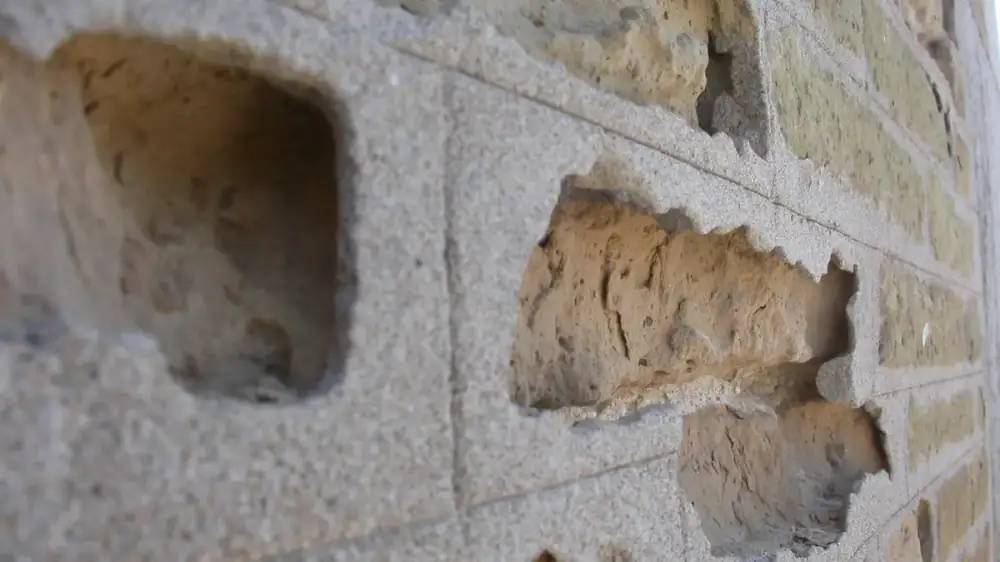
In a masonry wall, the mortar joints wear out long before the brick or stone does — they're the softer, sacrificial part, and they eventually crumble, recede and let water in. Repointing (raking out old mortar and replacing it) restores the wall without rebuilding it. The critical rule: match new mortar to old, especially its hardness. Mortar that's too hard can't flex, so it transfers stress into the units and cracks or spalls them — a bad repair that damages the very masonry it was meant to protect.
A brick wall can stand for generations, and people naturally assume the brick is doing the standing. Mostly it is — but the part that fails first, and needs attention long before the brick does, is the mortar in between. Mortar is the humble, underappreciated component of masonry: the material that binds the units, cushions their movement, and quietly manages water. It's also designed to be sacrificial, which means it wears out on purpose, so the brick doesn't have to. Understanding that role — and the surprisingly high stakes of repairing it correctly — is the difference between a wall that ages gracefully and one you accidentally ruin with a well-intentioned repair.
What mortar is actually for
It's tempting to think of mortar as glue, and it does bind masonry units together. But its more important jobs are subtler. Mortar cushions the small movements that every wall makes — thermal expansion, settlement, moisture swelling — absorbing that stress so it doesn't crack the rigid units. And mortar participates in how the wall handles water, filling the joints so rain can't run straight in while still allowing the assembly to breathe and dry.
The key design principle behind all of this is that mortar is meant to be the softer, weaker, more sacrificial element. It should give before the brick gives. When something has to yield — to movement, to weather, to moisture stress — the intent is that the mortar yields and can be replaced, sparing the far more expensive and permanent units. This is why healthy masonry maintenance is largely about maintaining the mortar. The joints are engineered to be the part you renew, the same way patina or a coating takes the wear on other materials so the substrate is spared. The way this plays out over decades is part of the larger picture in how UV and sun age exterior materials, where every material has a component that takes the punishment first.
Why joints wear out — and why that's water's doing
Because mortar is the softer element, it weathers faster than the brick or stone. Over years, the surface of the joints erodes: wind, rain, freeze-thaw cycles and the constant wetting and drying wear the mortar back until it recedes below the face of the masonry, cracks, or crumbles to a sandy powder. This is normal aging, not a defect. It's the mortar doing exactly what it was meant to — taking the weathering hit.
The problem is what happens when that erosion goes too far. Once joints recede, crack or open up, they stop keeping water out, and water is the engine behind nearly every serious masonry failure. Rain finds the gaps, gets into the wall, and then does its damage — driving efflorescence, freezing and expanding to spall the brick faces, and saturating the assembly so it can't dry. The joints are the wall's first line of defense against water, and when that line fails, the whole wall becomes vulnerable. That's what makes repointing more than cosmetic: it's restoring the wall's ability to shed water before the water does structural harm. It's the same story that runs through brick care generally — most brick problems are water stories, and the joints are where the water usually gets in.
Repointing, done right
Repointing is the repair for worn joints, and the concept is simple: rake out the deteriorated mortar to a sound depth and pack in fresh mortar to restore the joint. Done well, it renews the wall's water resistance and appearance without touching the units themselves — a targeted, non-destructive fix that can add decades to a wall's service.
Done poorly, it can be worse than doing nothing, and here is where the real lesson of this subject lives. The most important thing about repointing isn't technique with a trowel; it's the mortar you choose to put back. Get the mortar wrong and you can damage a wall you were trying to save.
The hardness trap
The single biggest mistake in repointing is using mortar that's too hard. Modern mortars are often stronger and denser than the mixes used in older masonry, and it's easy to assume stronger is better. With mortar, it usually isn't. Remember the design principle: mortar is supposed to be softer than the units, so that it, not the brick, absorbs movement and moisture stress. A hard, rigid modern mortar packed into a wall built for a softer historic mix can't flex. When the wall moves or when moisture stress builds, the pressure has nowhere to go but into the units — and the brick or stone, now the weakest point instead of the mortar, cracks and spalls.
So a too-hard repointing job doesn't just fail to help; it quietly transfers the damage into the irreplaceable part of the wall. This is especially dangerous on older, softer masonry, where the mismatch is greatest. Matching the new mortar's hardness — and ideally its composition, so it behaves the way the original did — is what keeps the joint sacrificial and the units protected. It's a real skill, and it's the reason repointing an old wall is not the same as smearing new mortar into gaps. When in doubt, matching an unfamiliar old material to its correct modern counterpart is exactly the kind of compatibility question worth getting right, a theme we return to in matching new materials to an older home.
Reading the joints, and knowing your limits
Learning to read your own joints is worthwhile. Run a hand or a tool along the mortar: sound joints are firm, while joints that shed grains, crumble to the touch, have receded well below the masonry face, or have opened into visible cracks and gaps are telling you they've stopped doing their job. Small, localized soft spots can often wait and be watched. Widespread crumbling, deep recession, or joints you can pick apart with a finger are signs to plan repointing before water damage compounds behind them.
As for doing it yourself: a small, sound, ground-level area, repaired with a carefully matched mortar, can be a reasonable homeowner project. But matching an old mortar's hardness and composition is genuinely expert work, and the downside of getting it wrong is damaged masonry rather than just a redo. Anything extensive, historic, structural, or up high belongs with a mason who knows the type of masonry you have. Height work in particular is a job to hand off rather than attempt from a ladder.
Joints are half the story; water is the other half
One last point keeps repointing in perspective. Restoring the joints closes a major water-entry path, but it doesn't address why water was reaching the wall in the first place. If runoff, splashback, failed flashing or poor drainage are constantly soaking the masonry, fresh mortar is being asked to hold back a flood. The durable approach pairs sound joints with managing the water sources — gutters and downspouts carrying runoff away, grade and splash zones controlled, flashing directing water off the wall rather than onto it.
Mortar and repointing, in the end, are about respecting how masonry was designed to work: a wall with a sacrificial, renewable element that takes the weathering so the units endure. Keep the joints sound, match new mortar to old, and manage the water reaching the wall, and brick and stone will do exactly what earned them their reputation — outlast almost everything else on the house. For the wider view of how masonry sits among the low-effort materials, see the truth about low-maintenance materials.
Common questions
What is repointing, and why does masonry need it?
Repointing is raking out deteriorated mortar from the joints and replacing it with fresh mortar. Masonry needs it because the mortar joints are the softer, more sacrificial part of a wall — they weather faster than the brick or stone and eventually crumble, gap, or recede. Once joints fail, water gets into the wall, and water is what drives most serious masonry damage. Repointing restores the wall's ability to keep water out without rebuilding it.
Why is the wrong mortar worse than no repair?
Because mortar that's too hard damages the masonry around it. Mortar is meant to be the softer, sacrificial element — it should absorb movement and moisture stress so the units don't have to. A modern, high-strength mortar packed into an old wall built for a softer mix can't flex, so the stress transfers into the brick or stone instead, and the faces can crack or spall. A too-hard repair can quietly destroy the very units it was meant to protect.
How do I know when my mortar needs repointing?
Look at the joints. Mortar that's crumbling to the touch, receding noticeably below the face of the masonry, cracked, or gapped is telling you it's no longer keeping water out. Powdery, sandy joints that shed grains when brushed are past their prime. Small, localized areas can often wait; widespread crumbling, deep recession, or any joint you can pick out with a finger is a sign to plan repointing before water damage compounds.
Can I repoint a wall myself?
Small, accessible, sound areas can be a reasonable homeowner project if you match the mortar carefully and work at ground level. But matching an old mortar's composition and hardness is genuinely skilled work, and getting it wrong risks the wall. Anything extensive, historic, structural, or up high is worth handing to a mason experienced with the type of masonry you have. The cost of a bad repointing job is measured in damaged brick, not just wasted mortar.
Does repointing stop water problems on its own?
It helps a lot, but it's rarely the whole answer. Failed joints are a major water entry point, so restoring them is important — but if water is reaching the wall because of failed flashing, poor drainage, splashback, or runoff from above, repointing alone won't fix the source. The durable approach pairs sound joints with managing where water comes from, so the new mortar isn't fighting a constant soaking.
Will new mortar match the color of the old wall?
Not always, at least not immediately. Fresh mortar can differ in color and texture from decades-old joints, and it takes time and weathering to blend. A skilled mason can tune the mix, sand and tooling to get close, which matters a great deal on a visible or historic wall. If appearance is important, it's worth discussing color and joint profile matching up front rather than accepting a repair that reads as a patch.
You might also like
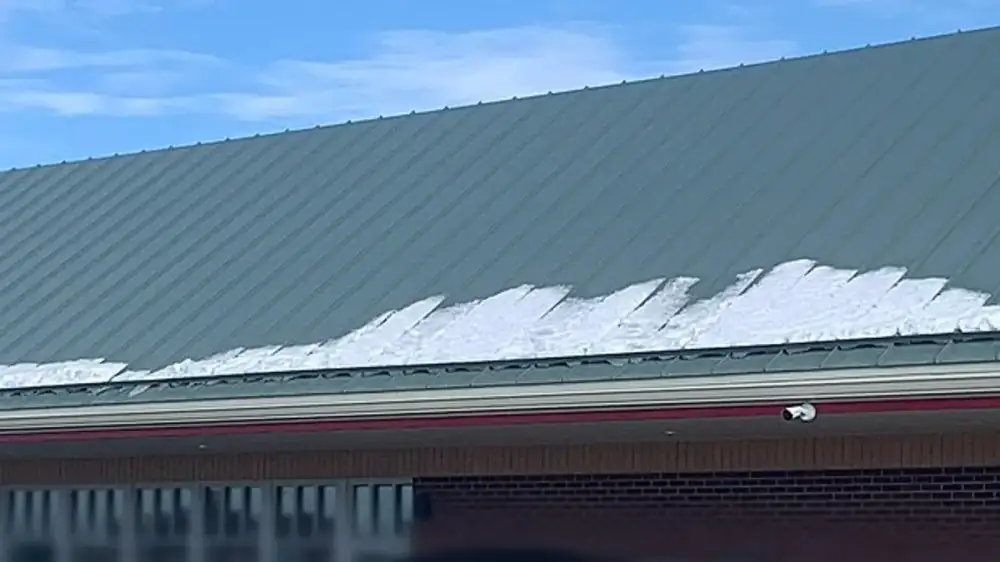
Metal Roof Edges and Drip Edge
Drip edge and metal roof-edge trim quietly protect the fascia, decking and gutters. Here's what they do and how to keep them working.
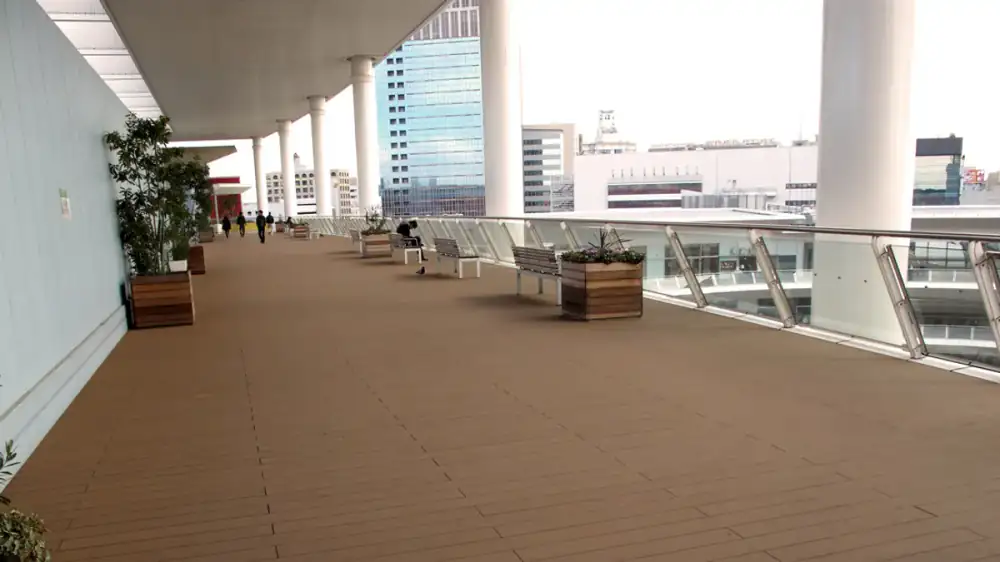
Composite Decking: Care and Cleaning
Composite decking is low-maintenance, not no-maintenance. Here's how to clean it, remove stains and avoid damaging the boards.
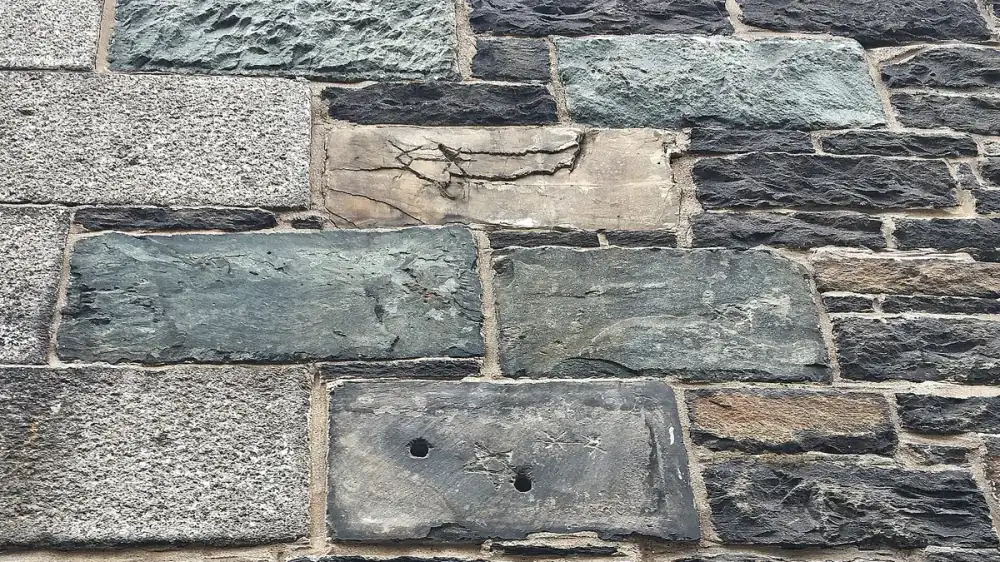
Natural Stone: Exterior Care and Cleaning
Natural stone is the most durable exterior surface, but some stones etch or stain easily. Here's how to clean and care for it safely.