Brick: Exterior Care and Cleaning
Brick looks indestructible, but the mortar between the bricks and the face of softer bricks are more delicate than they appear. Here's how to clean and maintain a brick exterior without doing harm.
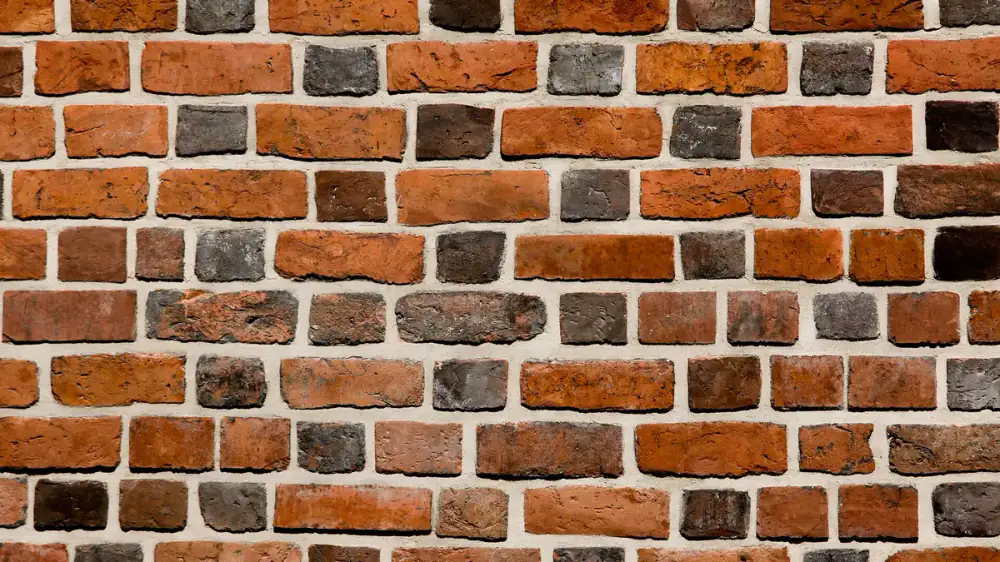
Brick is one of the most durable exterior surfaces, but the mortar joints and the faces of softer bricks are more delicate than the material looks. Clean it with a masonry-safe solution, a soft brush and a gentle rinse, and treat high pressure as a last resort reserved for sound, hard brick. Most brick problems trace back to water moving through the wall, so managing moisture matters more than scrubbing.
Few materials carry an air of permanence like brick. Fired clay stands up to sun, rain, fire and decades of weather with almost no attention, which is exactly why homeowners tend to assume there's nothing to attend to. But "nearly maintenance-free" is not the same as invulnerable, and when a brick wall does begin to fail, the brick is rarely the culprit.
Two things quietly decide how a brick exterior ages, and neither is the brick's toughness. One is the mortar between the bricks — softer, thinner, and far quicker to weather than the units it binds. The other is water, and specifically how it moves through the wall. Get those two right and brick will comfortably outlast the rest of the house; get them wrong and you can undo a century of durability with a pressure washer or the wrong sealer.
What actually fails first
Look at any old brick wall that's in trouble and follow the damage — it almost always runs along the joints, not across the faces. Mortar is designed to be the sacrificial, renewable part of the assembly. It weathers, it erodes, and eventually it needs replacing, a process called repointing. A hard-fired brick can outlive several generations of the mortar around it.
That hierarchy is worth keeping in mind everywhere brick appears, because the exposure varies by location. Full walls and veneer take ordinary weather; chimneys get it from every side at once and rank among the harshest-worn brick on any house; foundations and knee walls near grade stay damp from splashback and ground moisture; and steps, patios and garden walls collect standing water and organic growth in shaded spots. In each case, it's the joints and the wettest areas that show wear first — and when repointing does come due, the new mortar should be matched in hardness to the brick, because mortar that's too hard will damage softer historic brick rather than protect it.
Brick manages water — it doesn't repel it
Here's the point that reframes almost every brick problem: a well-built brick wall is durable because it manages moisture, not because it keeps every drop out. Small amounts of water pass into the masonry and evaporate back out as conditions change. The wall breathes. Trouble starts only when that cycle is blocked — when water gets in and then can't get out, whether because flashing and drainage failed, the wall stays saturated, or a non-breathable coating has sealed the moisture inside.
Trapped water drives the two classic brick complaints, and both are water stories rather than dirt stories. Efflorescence — the chalky white bloom that appears on the surface — is simply mineral salts left behind as moisture evaporates out of the masonry; it's cosmetic, but it's the wall telling you water is moving through it. Spalling — where the face flakes or pops off the brick — is the structural one, usually caused by trapped water freezing and expanding inside the unit, and it's most common on softer brick or behind a coating that locked moisture in. This is precisely why sealing brick with the wrong product backfires: it traps the very water it was meant to exclude. If you do seal, choose a vapor-permeable product and test a small area first. Our guide on efflorescence on brick goes deeper on the white bloom specifically.
Cleaning a joint-sensitive surface
Because brick is porous, it holds onto whatever lands on it — organic algae, moss and mildew on damp, shaded walls; general atmospheric grime, worst near roads and grade; rust streaks from metal fixings and railings; leftover mortar smears and paint; and carbonate runoff washing down from limestone or concrete above. The treatment depends on the stain: organic growth responds to gentle cleaning solutions, efflorescence brushes off dry, and rust or paint needs a targeted, masonry-safe remover used with care.
Whatever the stain, a low-pressure, chemistry-first routine does the job with the least risk:
- Rinse loosely with plain water to knock off surface dust and wet the wall so it doesn't drink cleaner too fast.
- Apply a masonry-safe cleaning solution suited to the stain — a mild detergent or dedicated masonry cleaner.
- Agitate with a soft or medium bristle brush, working the joints and face. Never a wire brush, which scratches and leaves rust-prone metal deposits.
- Let it dwell briefly per the product's guidance, without letting it dry on the wall.
- Rinse gently from the top down.
- Test any stronger cleaner on a small, hidden patch first, keeping acids and bleach off adjacent metal, plants and mortar.
A pressure washer sits firmly on the cautious end of that scale. The brick face is hard, but the joints are not — a concentrated stream held too close will carve out soft or aging mortar and force water deep into the wall, feeding the trapped-moisture problem you're trying to avoid. Sound, modern, hard-fired brick tolerates moderate pressure with a wide fan tip held well back and kept moving; old, historic, soft or crumbling brick should be soft washed instead. When unsure, start gentle. For a full walkthrough see how to clean exterior brick, for green growth removing algae from exterior walls, and for the pressure decision, pressure washing versus soft washing.
Keeping the water moving away
Brick asks for little, and most of what it does ask is about redirecting water rather than cleaning it. Confirm that gutters, downspouts and flashing send runoff away from the wall instead of onto it. Keep soil, mulch and sprinklers from constantly wetting the lower courses. Repoint failing mortar before joints crumble and open a path inward. Clear organic growth early, before moss mats hold moisture against the wall. And rethink any coating on brick that's already spalling, since it may be the thing trapping water.
The signs worth watching are, once again, mostly moisture clues.
| Sign | What it usually means |
|---|---|
| White chalky residue | Efflorescence — water moving through the wall |
| Face flaking or popping off | Spalling — trapped moisture, often freeze-thaw |
| Crumbling, gapped mortar | Joints need repointing before water gets in |
| Persistent green or black growth | Chronic dampness and poor drainage |
| Rust streaks | Corroding metal fixings or lintels |
| Stepped cracks through joints | Possible settlement — worth a professional look |
Fine hairline surface marks are usually cosmetic. Stepped cracking that follows the mortar joints, bulging walls, or widespread spalling deserve a professional evaluation. On the whole, brick sits at the durable end of the exterior spectrum — its practical lifespan is limited not by the clay but by the joints and by water management. Keep the mortar sound and the water moving away, and brick will outlast the painted and organic materials on the same house by a wide margin. It shares that porous, water-managing character with concrete and stucco.
Related guides
- How to clean exterior brick
- Efflorescence: white residue on brick
- How to remove algae from exterior walls
- Pressure washing vs. soft washing
- Concrete: exterior care and cleaning
- Stucco: exterior care and cleaning
Questions people also ask
Can I pressure wash a brick wall?
You can, but carefully and usually at lower pressure than people expect. The brick face itself is hard, but the mortar joints are softer and older mortar can erode under a concentrated stream. Keep the tip moving, hold it back from the surface, and if the wall is old or the mortar is crumbling, favor a soft-wash approach with cleaning solution and a gentle rinse instead.
What is the white powder on my brick?
That chalky white residue is usually efflorescence — mineral salts carried to the surface as water moves through the masonry and evaporates. It's cosmetic rather than structural, but it signals that moisture is passing through the brick. Dry-brushing removes most of it; the more useful fix is finding and reducing the water source. See our guide on efflorescence on brick.
How do I get green algae off brick?
Algae and moss thrive on damp, shaded brick. A cleaning solution suited to masonry, a soft-bristle brush and a gentle rinse handle most of it. Avoid blasting it off with high pressure, which drives water into the joints. Improving sunlight and drainage in that spot slows regrowth. Our guide on removing algae from exterior walls covers the method.
Should I seal my brick?
Sometimes, but not always. A breathable masonry sealer can help in wet, exposed situations, but the wrong sealer can trap moisture inside the wall and cause more harm than good, including spalling in freeze-thaw climates. If you're considering it, choose a vapor-permeable product and test a small area first.
Why is my brick flaking and crumbling?
Flaking, where the face pops off the brick, is called spalling. It's usually caused by trapped moisture freezing and expanding inside the brick, and it's more common on softer bricks or where a non-breathable sealer or paint has trapped water. Spalling is a sign to look at drainage, flashing and anything shedding water onto that wall.
Can I use bleach on brick?
Diluted household bleach is sometimes used on organic staining, but it must be rinsed thoroughly and kept off metal, plants and adjacent materials. Acids and harsh cleaners can etch mortar and discolor brick, so always test a hidden spot first and follow the product's guidance for masonry.
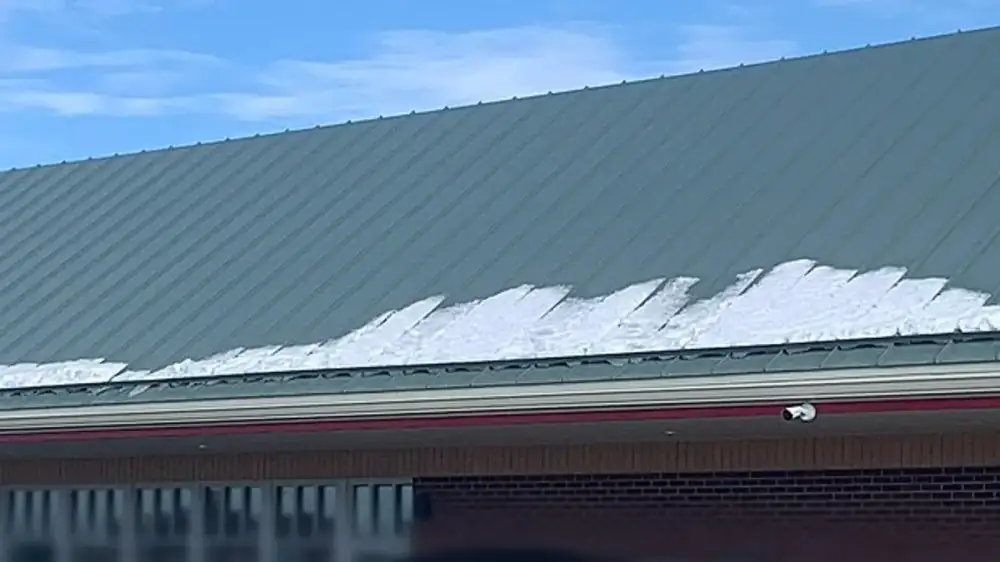
Metal Roof Edges and Drip Edge
Drip edge and metal roof-edge trim quietly protect the fascia, decking and gutters. Here's what they do and how to keep them working.
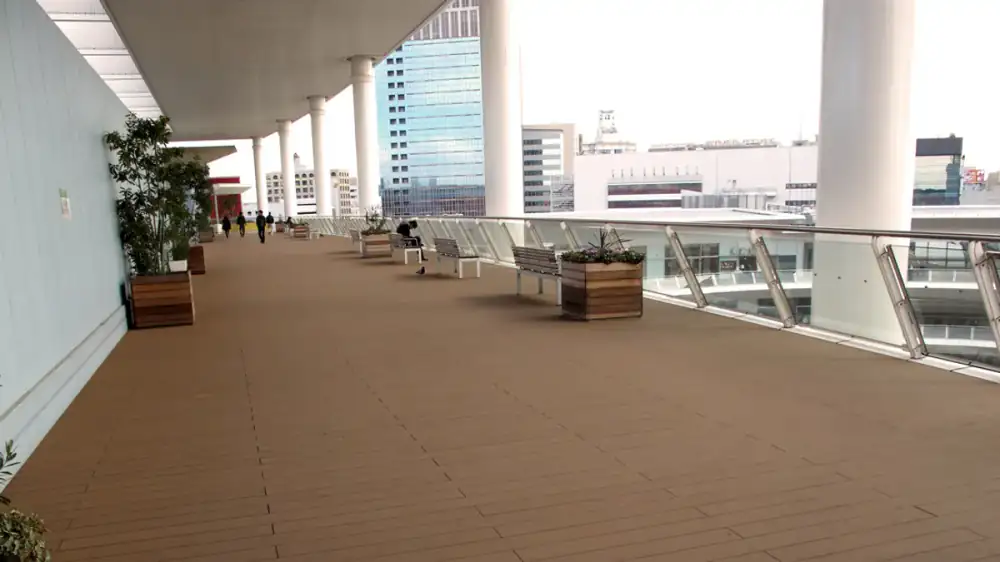
Composite Decking: Care and Cleaning
Composite decking is low-maintenance, not no-maintenance. Here's how to clean it, remove stains and avoid damaging the boards.
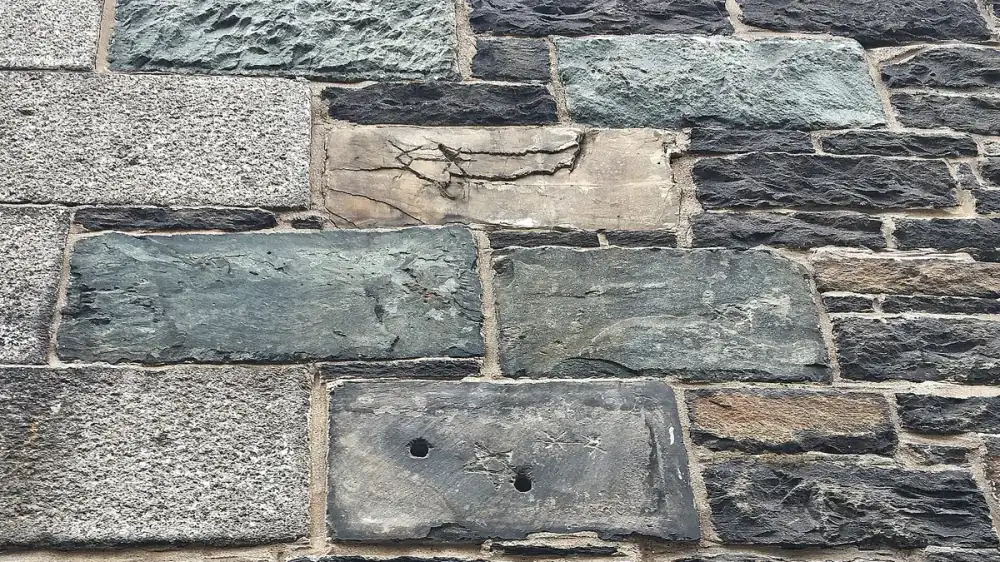
Natural Stone: Exterior Care and Cleaning
Natural stone is the most durable exterior surface, but some stones etch or stain easily. Here's how to clean and care for it safely.