Problems
Why Concrete Gets Slippery When Wet
Wet concrete turns slick from a thin biofilm of algae, built-up grime, or an overly smooth finish that offers little grip when water sits on top.
Category · Page 2 of 5
Wet concrete turns slick from a thin biofilm of algae, built-up grime, or an overly smooth finish that offers little grip when water sits on top.
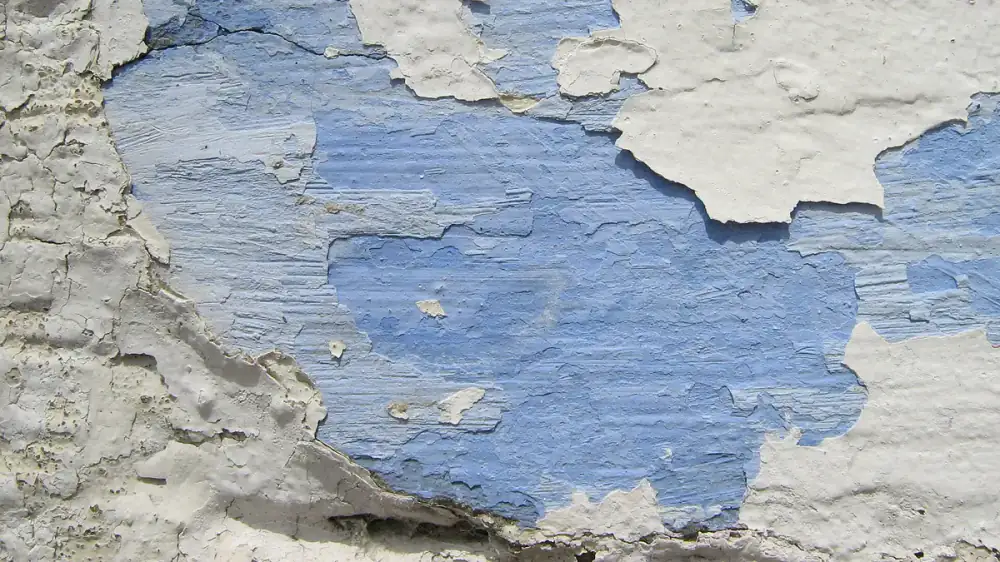
Paint keeps peeling when moisture pushes it off from behind, the surface wasn't prepped, or damage underneath keeps undermining each new coat.
Mildew comes back because cleaning removes the growth but not the trapped moisture and shade that let it recolonize the same surface.
Guards overflow in downpours when water skims past the openings, debris blocks the surface, or the system simply can't move rain fast enough.
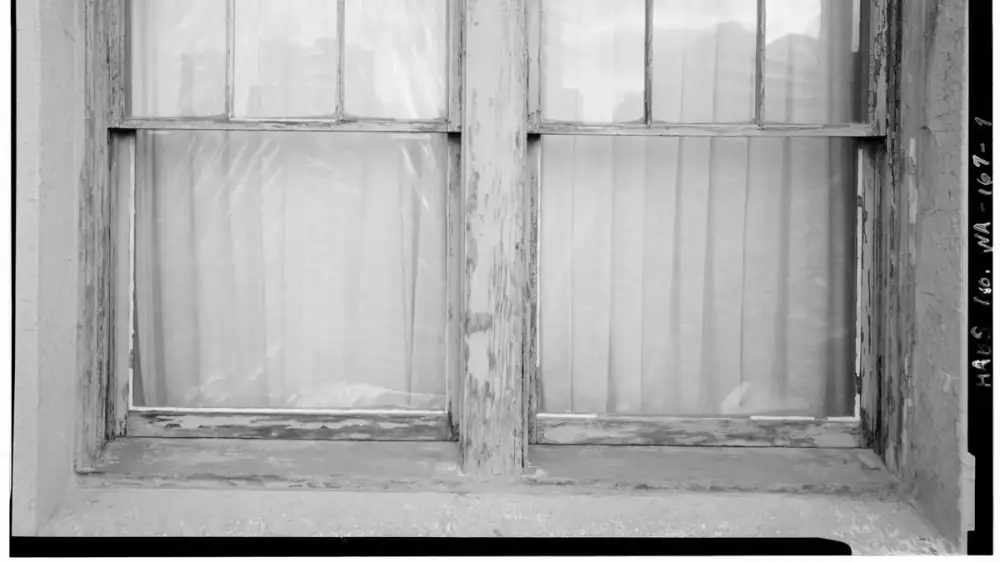
Gaps open around windows and trim as caulk ages and materials expand and contract, letting water slip behind the surface.
A musty smell near exterior walls signals trapped moisture — usually from drainage, gutter overflow, or poor airflow keeping the wall damp.
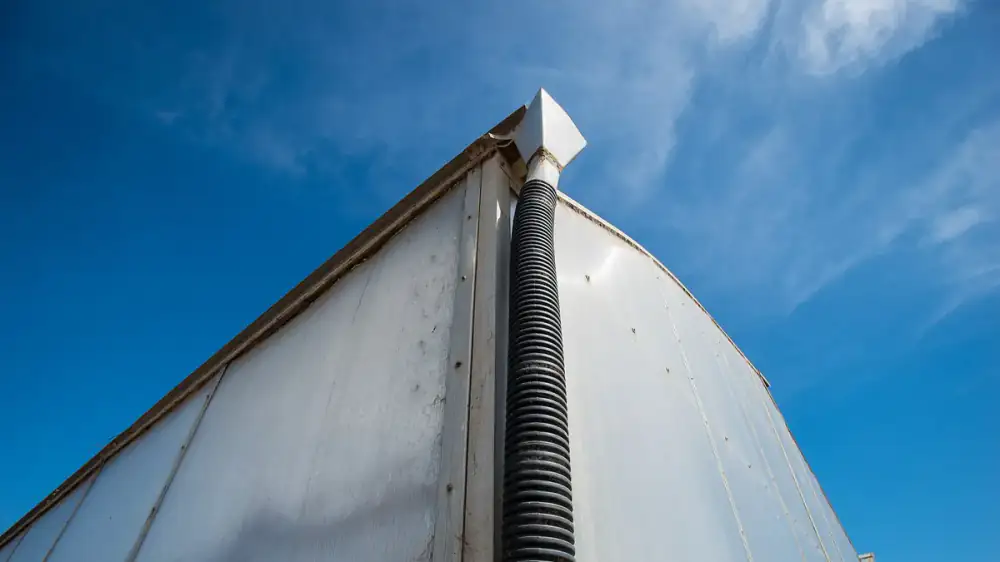
Gutters leak at the seams when sealant fails or sections shift, letting water escape at joints and corners instead of draining through.
Paint bubbles on soffits when trapped moisture pushes the coating off the surface, usually from a leak or poor ventilation.
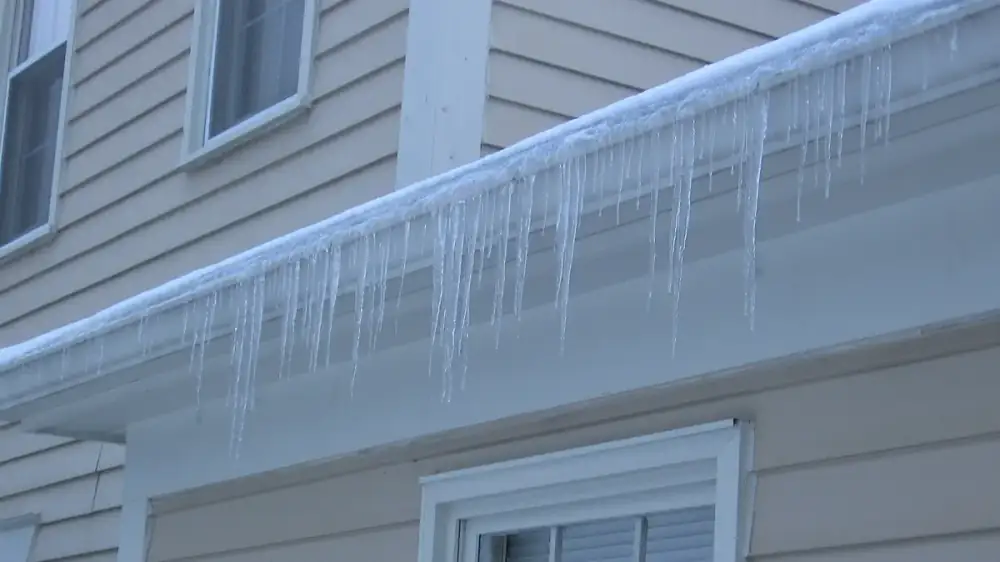
Ice dams form when escaping attic heat melts snow that refreezes at the cold roof edge, trapping water behind it.