Dark Drip Marks Under the Windows
Those vertical streaks under the corners of your windows aren't random grime. They trace the path water takes when it's shedding off the sill — or getting in around it.

Dark drip marks under windows trace the path water takes as it sheds off the sill's corners, carrying dirt down the wall in two narrow streaks. Often that's purely cosmetic. But the same streaks can mark a leak — failed caulk, a bad sill or flashing detail, or gutter overflow above. Tell them apart by watching during rain and by whether the staining returns fast from one fixed spot. Clean the wall, watch where it comes back, and fix the seal or drainage before it becomes hidden damage.
Give a house enough seasons and it grows a matched pair of dark tails beneath its windows — two vertical streaks running down from the lower corners, as if the window has been quietly weeping. Most people glance at them, file them under grime, and look away. Sometimes grime is precisely what they are. But those streaks are also a diagram. Water drew them, water draws them the same way every time for the same handful of reasons, and once you can read the drawing you can usually tell at a glance whether you're looking at a harmless smudge or the visible signature of a leak. The whole skill lives in that distinction.
Reading the two tails
A window is a large, smooth panel set into the middle of a wall, and rain that lands on it has to go somewhere. It runs down the glass and frame, gathers at the sill, and sheds off the sill's two lower corners in a pair of concentrated streams. That is not a defect — sills are shaped to throw water clear of the wall, and the twin streams are the design working. But as that runoff travels down the siding below, it collects the dust, pollen, and fine residue that settle on any exterior surface, and it lays that grime down in the two channels where the flow runs heaviest. Over months, the channels darken into the streaks you see. At the innocent end of the spectrum, then, drip marks are simply proof that your window is shedding water exactly where it's supposed to. The stain is just the dirt that hitched a ride.
When the streak means water is getting in
The complication is that a real leak stains the same neighborhood, and a passing glance can't always separate the two. A genuine leak isn't runoff carrying dirt down the face of the wall; it's water finding its way into the wall and re-emerging. There are three places that usually happens, and each leaves a slightly different mark.
Caulk that has given up
The caulk around a window seals the seam where the frame meets the wall, and caulk does not last forever — it cracks, shrinks, and peels away with age. Once it does, water works into the gap and re-emerges lower down, staining as it travels. The tell is directional: the streak seems to begin at one specific corner or point rather than running evenly off the whole sill. That's water entering at a failed seal, not water shedding normally, and it's worth checking whenever streaking concentrates at a single corner.
A sill or flashing that stopped shedding
Sills, and the flashing tucked above and around a window, are meant to steer water out and away. If a sill has lost its slope, or a piece of flashing is missing or aimed wrong, water can slip behind the trim and travel where it shouldn't, surfacing as a stain some distance from where it entered. This is subtler than failed caulk and harder to see, but the pattern gives it away: staining that appears to seep from behind the trim rather than run down its face.
Trouble that starts at the roofline
Sometimes the window is entirely innocent and the real culprit is overhead. A gutter that overflows or spills above a window sends extra water sheeting down the wall and past the opening, overwhelming the sill's ability to shed cleanly and exaggerating the streaks. If your drip marks appear or worsen only after heavy rain, and they line up beneath a spot where the gutter spills, look up rather than at the window — this may be the same story as gutters that overflow only in heavy rain, or overflow concentrated at a gutter corner dumping directly above the opening.
There's a fourth signal worth heeding, too. Wherever water lingers on a wall it invites the greenish film and staining that thrives on damp surfaces, which is why streaks under windows sometimes arrive alongside the recurring discoloration behind green growth on siding. If a streak isn't just dirty but visibly growing, the wall is staying wet — and that deserves more attention than plain grime.
The clean-and-watch test
The single most useful diagnostic here costs nothing but a bucket and a little patience. Wash the streaks off the wall, then watch how — and how fast — they come back. Slow to return and spread evenly off both sill corners means it's almost certainly cosmetic, ordinary runoff carrying dirt. Quick to return after the next rain and issuing from one fixed point means you should suspect a leak at that spot, most likely failed caulk or a sill detail. Appearing or worsening only in heavy rain sends your attention upward, to the gutters and roofline rather than the window. And returning alongside damp trim, soft wood, or interior signs means it has moved past cosmetic into a water-intrusion problem. All of this is ground-level observation — you're not probing or opening anything up, just letting the water tell you whether it's running down the wall or getting into it.
What's worth doing, and what to leave alone
For streaks that read as cosmetic, gentle cleaning is the main move: wash the wall to lift the deposited grime and, where you can safely reach it, keep the sill clear so water sheds cleanly off the corners. Improving how runoff reaches the wall helps as well — if overflow from above is exaggerating the streaks, correcting that drainage does far more than any amount of scrubbing.
For a suspected leak, the honest answer is that the right fix depends on the source. Refreshing failed caulk at an accessible ground-floor window corner is reasonable homeowner work if you're comfortable with it and can do it cleanly. Sill repair, flashing, and anything higher up — along with any situation where water may already be behind the trim — is where the job outgrows a cosmetic touch-up. A few missteps reliably make things worse: painting over the streaks hides the stain but not the cause, sealing a warning sign shut if it's actually a leak; blasting the area with a pressure washer can drive water behind the trim and into the very gaps you're worried about, converting a cosmetic streak into a real intrusion; and smearing fresh caulk over old, cracked, dirty caulk simply guarantees the new bead fails as fast as the old one, a classic reason a repair doesn't hold. Above all, resist doing window or trim work from a shaky ladder — upper-story openings are height work, and the risk of a fall is not worth trading against a streak of dirt.
That last point is where a professional earns their keep. Bring one in when the streaks point to a leak you can't trace or reach — a flashing detail, a sill that's no longer shedding, or staining that comes with damp or soft trim — and whenever the window sits on an upper story. A pro can find where the water is entering, correct the seal or flashing properly, and check whether moisture has already worked into the wall behind the opening.
Most drip marks, in the end, are just your house shedding rain and picking up a little dirt on the way down. The skill worth having is telling that harmless kind from the kind that's quietly reporting a leak — and a wash, a rainy afternoon of watching, and a look at where the streaks come back will nearly always tell you which one you've got. If the trail leads to intermittent staining elsewhere on the wall, our piece on stains that appear only after it rains picks up the thread.
Frequently asked questions
Why do dark streaks appear under my windows and not elsewhere?
Because windows concentrate water. Rain that lands on the glass and frame runs down to the sill, then sheds off the sill's corners in two narrow streams — right where you see the streaks. As that water runs, it carries dirt, pollen, and residue down the wall and deposits it in those channels. The window is essentially funneling runoff into two predictable lines, so that's where the staining collects.
Are drip marks under windows just dirt, or a leak?
They can be either, and telling them apart matters. Surface streaks are dirt and residue washed down by water shedding normally off the sill — unsightly but harmless. A leak looks different: staining that keeps returning right after rain, spreads from a specific point like a failed corner of caulk, or is accompanied by damp trim or interior signs. If cleaning removes it and it comes back slowly, it's likely cosmetic; if it returns fast and from one spot, suspect a leak.
Can bad caulk cause staining under windows?
Yes. Caulk around a window seals the gaps where the frame meets the wall. When it cracks, shrinks, or pulls away, water can seep into those gaps and then re-emerge lower down, leaving a stain that traces the leak's path. Streaking that starts at a specific corner of the window rather than running evenly off the whole sill often points to a caulk or sealant failure at that corner.
Could the gutters above be causing the drip marks?
They can. If a gutter overflows or spills above a window, that extra water runs down the wall and past the window, worsening the streaking and sometimes overwhelming the sill's ability to shed cleanly. Drip marks that appear or intensify only after heavy rain, and that line up under a spot where the gutter spills, often have their real source up at the roofline rather than at the window itself.
Is it worth fixing cosmetic drip marks?
If they're purely cosmetic, it's a matter of appearance and how much they bother you — washing the wall and improving how water sheds off the sill can reduce them. What's genuinely worth acting on is any sign that water is getting into the wall rather than just running down it, because that's where drip marks stop being cosmetic and start pointing to damage you can't see.
How can I tell where the water is actually coming from?
Watch during and right after rain. See whether the water is simply running off the sill's corners (cosmetic) or emerging from a joint, a caulk line, or the frame itself (a leak). Note whether the streaks worsen with heavy rain, which points upward to the gutters, or appear with every rain from one fixed spot, which points to a seal around the window. Cleaning the wall and watching where it comes back is one of the clearest tests you can run from the ground.
You might also like

Why Green Growth Keeps Returning on Siding
Algae and mold return because cleaning removes the growth but not the shade and moisture that feed it. Fixing those conditions is what makes it stop.
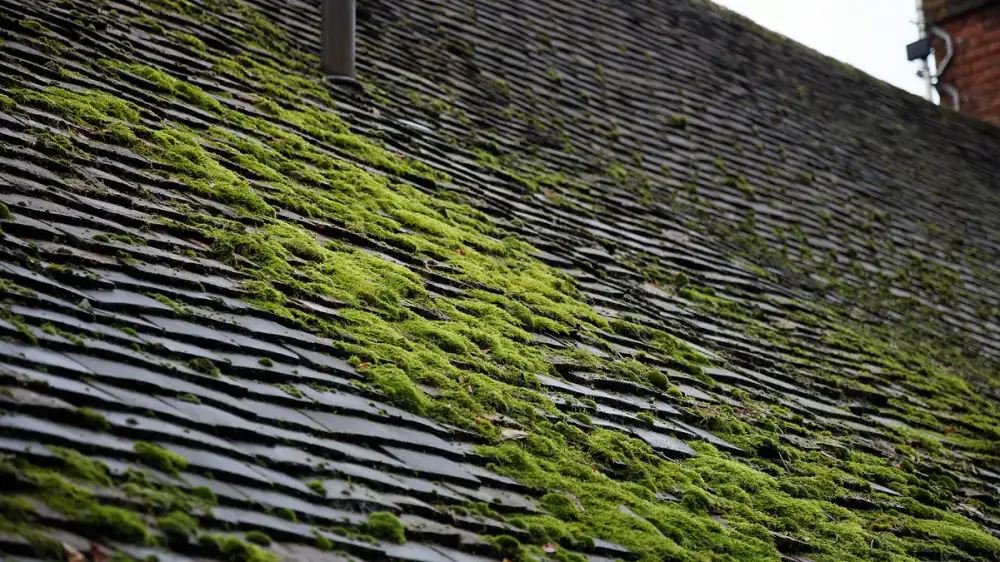
Moss Growing on the Roof: What to Do
Moss takes hold on shaded, damp roof sections and holds moisture against the shingles — but removing it from the roof is risky work for a professional.

Efflorescence: The White Residue on Brick
The white powder on brick is efflorescence — mineral salts drawn to the surface by moisture moving through the masonry and left behind as water evaporates.