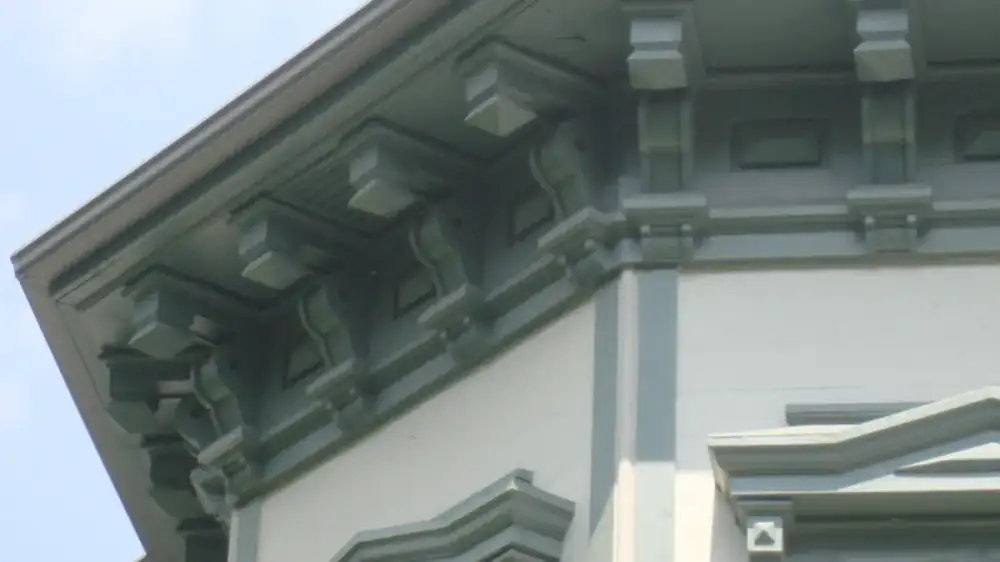
Roof Edge
How Roof Overhangs Protect the Walls
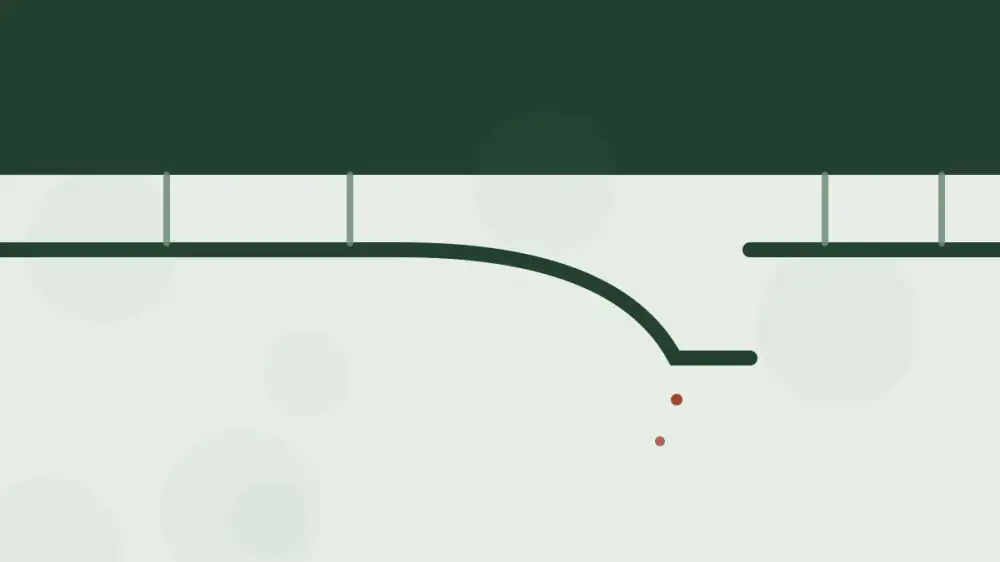
A roof overhang throws water clear of the walls, protecting siding, windows, and the foundation. Here's how the eave shields the house.
Category · Page 3 of 5
A roof overhang throws water clear of the walls, protecting siding, windows, and the foundation. Here's how the eave shields the house.
A drip edge only protects the roof edge if it's installed correctly. Here are the common mistakes and how to spot them from the ground.
Vented soffits feed intake air into the attic; solid soffits close the eave off. Here's how they differ and when each one makes sense.
Kickout flashing kicks roof runoff away from the wall and into the gutter where a roof edge meets a wall. Missing it causes hidden damage.
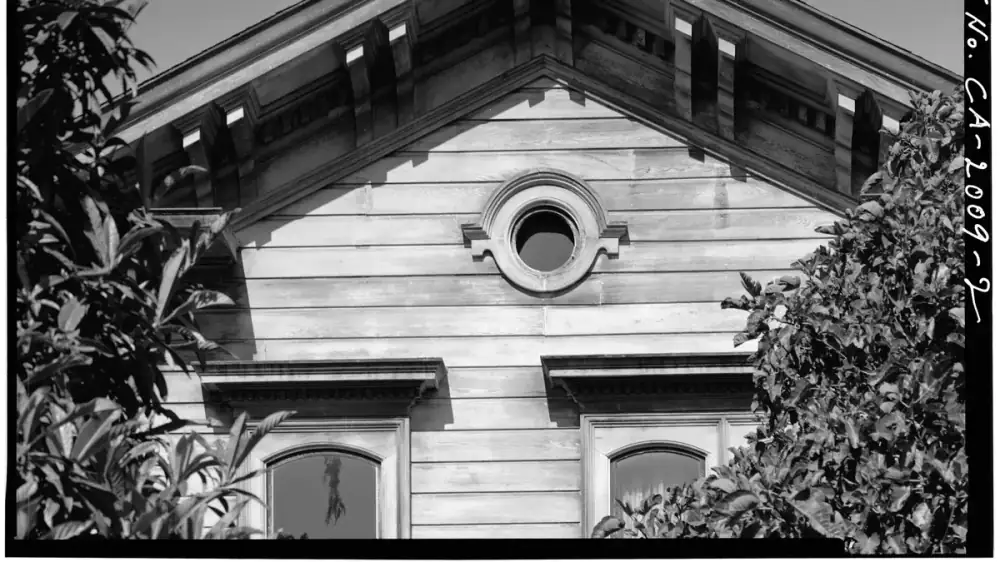
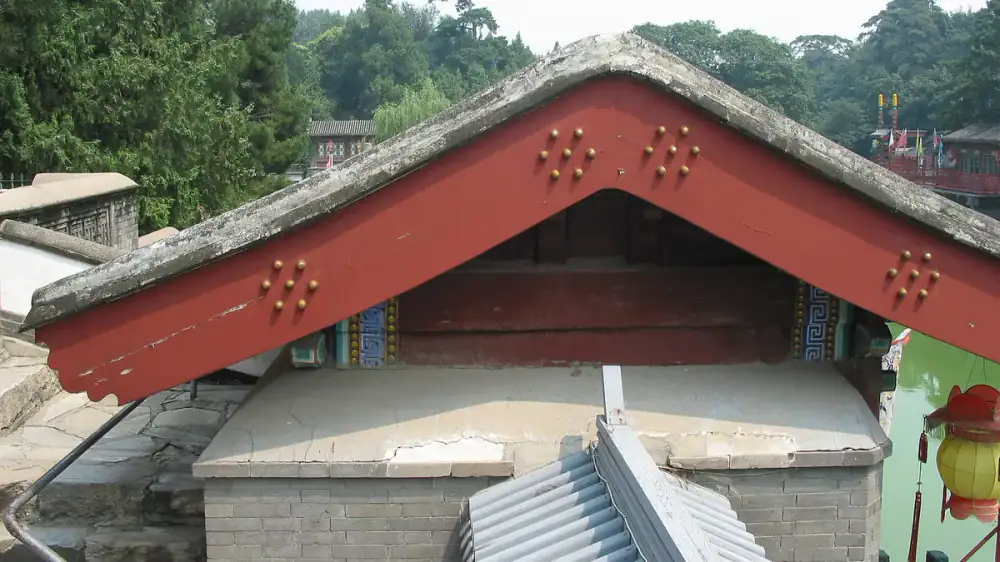
The eave is the horizontal roof edge with the gutters; the rake is the sloped edge. Here's how water behaves differently at each one.
The frieze board is the trim that finishes the top of the wall where it meets the roofline. Here's its role and how to maintain it.
Wind uplift hits hardest at the roof edge, where shingles, drip edge and fascia meet. Here's why the edge fails first and the damage signs to watch for.
A fascia wrap caps wood fascia in aluminum for a low-maintenance face. Here's how it works, and why it can hide rot over the wrong wood.
Wood fascia takes paint and looks classic; aluminum trades upkeep for other tradeoffs. Here's a practical comparison, including wraps and hidden rot risk.