Roof Edge
Pest Entry at the Roofline
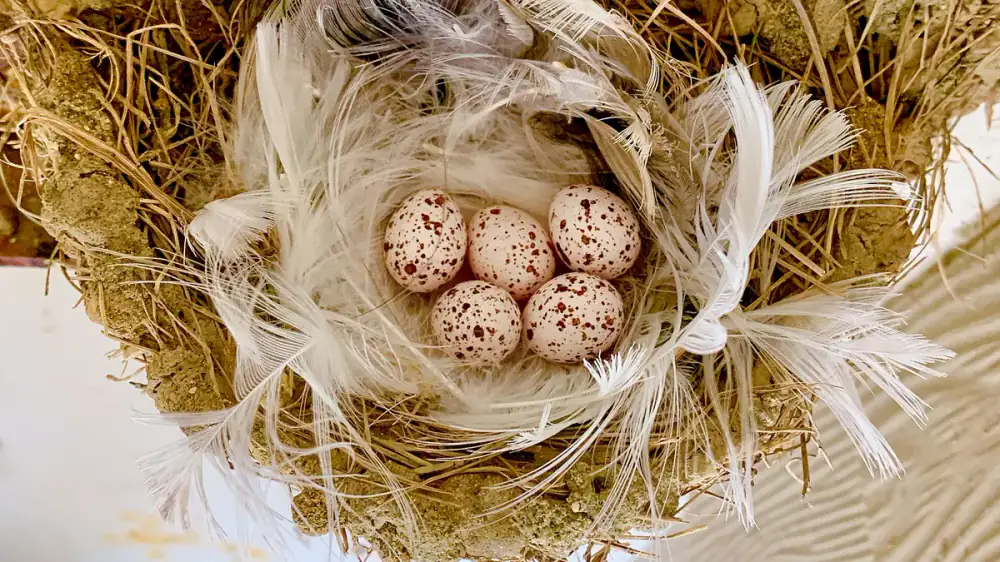
Birds, squirrels and insects get in through gaps at the fascia, soffit and roof edge — often where rot opened the way. Here's how to spot the signs and when to call a pro.
Category · Page 2 of 5
Birds, squirrels and insects get in through gaps at the fascia, soffit and roof edge — often where rot opened the way. Here's how to spot the signs and when to call a pro.
Peeling fascia paint is usually a moisture message, not a cosmetic one. Here's why it happens, how to read it, and when it means rot is already underway beneath.
Soffit vents pull fresh air into the attic to control moisture and heat. Here's what they do, why airflow matters, and how to spot blocked or failing ventilation.
A drip edge steers roof water into the gutter and off the fascia. Here's how this small strip of metal works — and what goes wrong when it's missing or failing.
Attic ventilation is a loop, not a single vent. Here's how soffit intake and ridge exhaust pair up, the signs of poor airflow, and the tie to moisture and ice dams.
Replacing fascia and soffit is more than swapping boards — the cause has to be fixed first. Here's what the job involves, how it's sequenced, and what drives cost.
Most roof-edge trouble is visible from the ground before it becomes a repair. Here's a simple routine for reading the eave line for early signs of water damage.
A self-sealing membrane lines the eave to block water forced uphill by ice dams. Here's what it does, where it sits, and what it can't fix on its own.
Both are roof-edge flashing, but their profiles point in opposite directions. Here's the difference, where each is used, and why it decides where water goes.