Animal Guards for Vents and Chimneys
Mesh guards and screens keep birds, squirrels, and other wildlife out of chimneys and roof vents. Here's how they work, why humane exclusion matters, and where the pros come in.
Animal guards are mesh screens and covers fitted over chimneys and roof vents that keep birds, squirrels, and other wildlife out while still letting air, smoke, or exhaust pass. The right approach is humane exclusion: make sure nothing is trapped inside first, then seal the opening. Because the work is at the top of the roof and carries the risk of sealing an animal in, assessment and installation belong with a professional.
Every roof is dotted with openings that were built for air and ended up looking, to a squirrel, like a furnished room. A flue vents smoke; an attic vent lets the roof cavity breathe; an exhaust hood carries moisture out of a bathroom. None of them were meant to house a bird. Animal guards are the modest bit of hardware that keeps the invitation from being accepted — and, handled in the wrong order, the same hardware can turn a nuisance into a trapped, dying animal inside your wall. The whole subject really turns on one thing: not the mesh, but the sequence.
Why the roof reads as prime real estate
Look at a roof opening the way an animal does. It sits high, out of reach of most predators. It is sheltered from wind and rain. It is frequently warm — a flue holds heat, and a vent often opens into an attic that runs milder and drier than the yard. For a creature hunting a nest site in spring, that is close to ideal.
So the animals that end up in chimneys and vents are not unusual or especially clever. Birds, squirrels, raccoons, and their neighbors are simply doing what the opening advertises, and they do it most in nesting season. The lesson is not that wildlife is a menace; it is that an unscreened opening is an open door, and doors get used.
On a chimney, the cap is doing double duty
Most people install a chimney cap thinking about rain and think of animal protection as a separate product. It usually is not. The mesh sides of the cap are the animal guard. They let smoke and combustion gases out, and their openings are small enough to stop a bird or squirrel from dropping into the flue. A cap in good condition is, by design, already an exclusion device.
That is why cap condition matters so much beyond keeping water out. When the mesh tears, rusts through, sags, or goes missing, the barrier is simply gone — and animals move straight in through the same hole the smoke leaves by. If you want the full mechanics of it, how chimney caps protect against rain and debris lays out the cap's several jobs, and damaged chimney cap mesh shows what a failing screen looks like and why it stops working.
On a vent, the trick is screening without choking
Roof vents are the other favorite target, and they come with a complication a chimney does not have. A vent exists to move air, so its guard has to block wildlife without strangling the ventilation the opening provides. Many vents ship with a factory screen or hood, but those corrode, work loose, or turn out to be undersized against a determined squirrel.
A good vent guard threads the needle: openings small enough to exclude animals, open enough to keep air flowing freely. Get that balance wrong in the restrictive direction and you have quietly defeated the vent's whole purpose; get it wrong the other way and the animals are back. The screening has to suit the specific vent rather than being a one-size-fits-all patch. For how these openings are meant to function, roof vents and vent covers explained is a useful companion.
| Opening | Typical guard | What it must still allow |
|---|---|---|
| Chimney flue | Mesh sides of the cap | Smoke and combustion gases to vent |
| Attic roof vent | Screen or hooded cover | Free airflow for ventilation |
| Exhaust vent | Sized screen or damper cover | Exhaust to exit, damper to move |
The rule that outranks everything else
Here is the part that matters more than the choice of mesh: you never seal an opening until you are certain nothing is inside. That single principle is what "humane exclusion" comes down to.
Fit a screen over a flue or vent that already has a tenant and you have trapped it. In nesting season you may be sealing in dependent young that cannot leave on their own. The result is not just unkind; it is a far worse problem than the one you started with — a dead animal in an inaccessible cavity, with everything that follows. So the order is fixed and non-negotiable: confirm the opening is empty, then guard it. Making that call reliably takes someone who knows which signs to trust and can check the opening properly. If you already suspect a resident, birds and animals in the chimney walks through the situation, and it should be resolved before anything closes.
What you can safely notice from below
You do not need to climb to gather most of the useful evidence. It comes from inside the house and from the yard. Scratching, fluttering, or chirping near the fireplace or in the attic — often loudest at dawn and dusk — suggests a resident. A strong, musky odor can mean nesting or, less happily, an animal that cannot get out. Droppings, twigs, or nesting material near the firebox or below a vent tell the same story. And from the ground with binoculars, you may spot nesting material poking from a cap or torn mesh on a cap or vent screen.
Any one of those is a reason to call rather than to climb and seal. That distinction is the homeowner's real role here: the ground-level noticing is yours; the work at the top of the roof, and any handling of wildlife, belongs with someone trained and equipped for the height and the animal alike. Folding a look at your cap and vent screens into a seasonal chimney inspection is the reliable way to catch a failing guard before something finds the gap it left.
Questions homeowners ask
What exactly is an animal guard?
It is a mesh screen or cover fitted over a roof opening so wildlife cannot get in while air, smoke, or exhaust still passes freely. On a chimney the guard is usually the mesh sides of the cap itself. On a roof vent it is a screen or hood sized so birds and squirrels are blocked but the opening can still breathe.
Why do birds and squirrels head for the roof in the first place?
Roof openings give wildlife exactly what it looks for: shelter, warmth, and a hidden nesting spot high off the ground and away from predators. A warm flue or a vent that leads into an attic is inviting to birds, squirrels, raccoons, and the like, especially during nesting season, which is why an unguarded opening is such a reliable entry point.
What does humane exclusion actually mean?
It means letting an animal leave on its own, or having it removed without harm, and only then sealing the opening so it cannot come back. Sequence is everything: guards go on after a professional has confirmed nothing is trapped inside, so you never seal an animal — or its dependent young — into a flue or vent.
Is fitting a guard something I can do myself?
Choosing and fitting guards on a chimney or roof vent is roof-level work, and it adds the risk of sealing an animal in if the opening is not checked first. Both the wildlife assessment and the installation are best left to a qualified chimney or roofing professional, or a licensed wildlife specialist when an animal is already present.
How do I know if something is already living up there?
Listen and look from safe positions. Scratching, scrabbling, fluttering, or chirping near the fireplace or in the attic are common giveaways, along with droppings, nesting debris, or a strong smell. From the ground, binoculars may reveal nesting material or torn screening at an opening. Confirming what is inside, though, is a job for a professional.
At what point should I bring in help?
Get in touch if you hear or see signs of an animal, notice damaged or missing mesh on a cap or vent, or simply want guards fitted correctly. If an animal is already inside, call a chimney professional or licensed wildlife specialist so it can be removed humanely before anything is sealed. Never close up a chimney or vent you suspect is occupied.
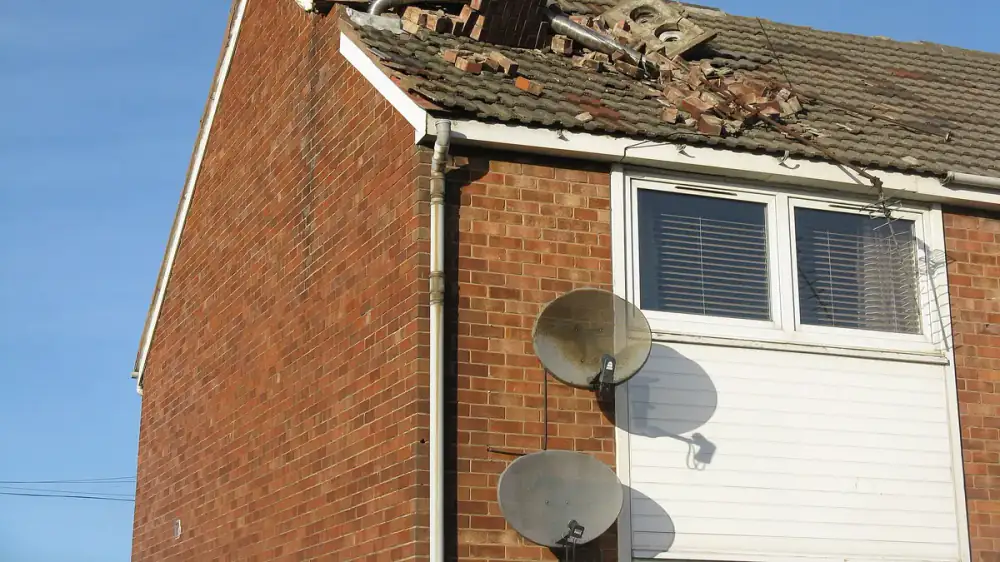
Chimney Storm Damage: What to Check
Storms dislodge caps, crack crowns, and lift flashing. Here's a ground-level, post-storm chimney check — what to look for, what to do, and when to call a pro.
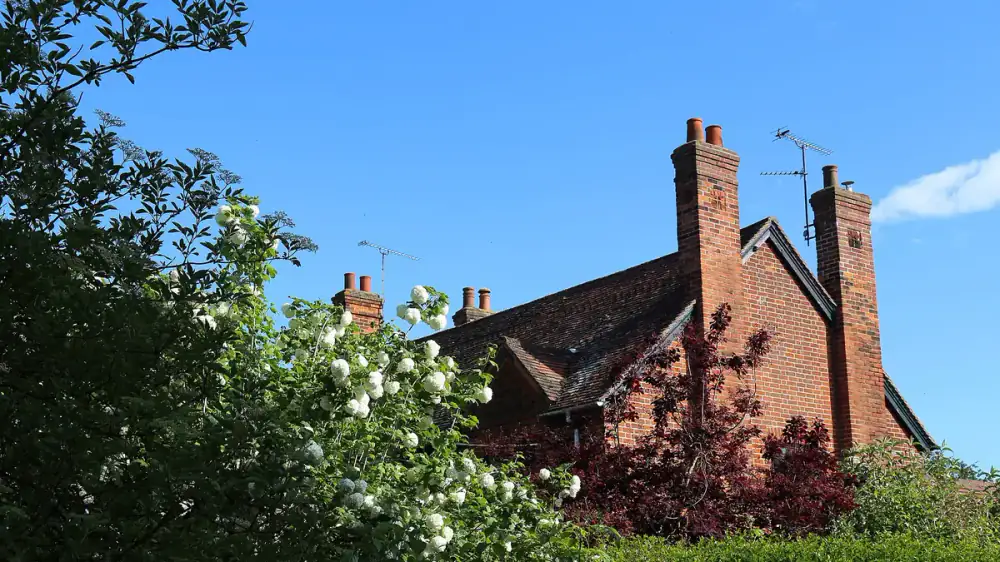
Seasonal Chimney Inspection From the Ground
A short binocular check each season catches most chimney trouble early. Here's what to look for from the ground, a simple cadence, and when to book a pro sweep.
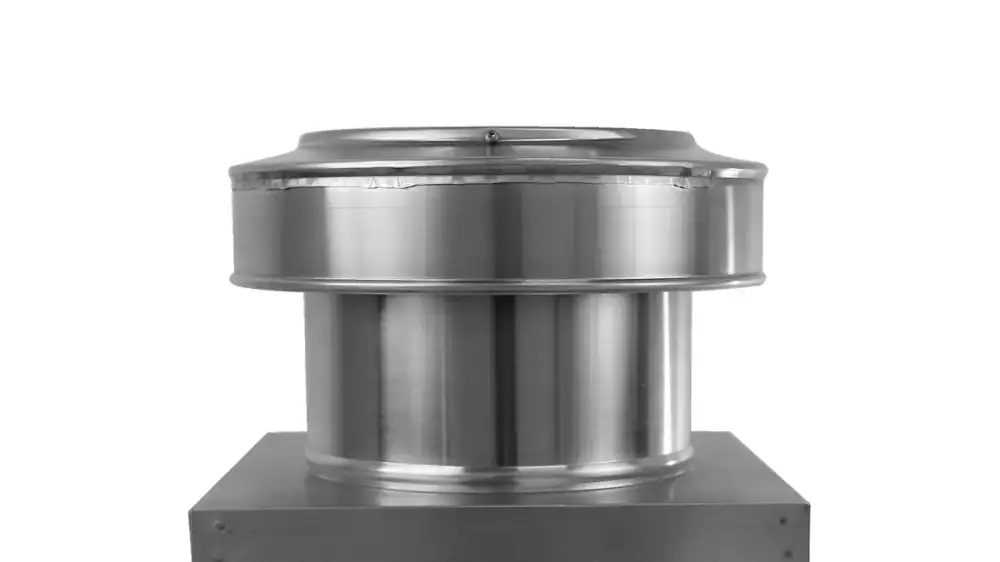
Roof Vents and Vent Covers Explained
Roof vents let the attic breathe, and their covers keep weather out while air keeps moving. Here are the common types, what covers do, and how to spot damage safely.