Chimney Care: Brick vs. Stone
Brick and stone chimneys look like cousins, but they age and shed water differently. The care that keeps one sound isn't quite the care the other needs.

Brick and stone chimneys share one enemy — water — but handle it differently. Brick is uniform and porous, and tends to spall (flake at the face) when moisture and freeze-thaw get to it. Stone is often denser and longer-lasting per unit, but has more, more irregular mortar joints, and mortar is the weak point in both. Care for both means keeping water off, watching the joints, cleaning gently, and leaving rooftop work to professionals — but the emphasis shifts between the two.
From the yard, a brick chimney and a stone chimney look like the same idea wearing different clothes: a masonry stack climbing past the roofline to do an identical job. And in the broad strokes they do. Both are porous. Both stand at the most weather-beaten point on the house. Both are, in the end, at war with water. But the two materials do not age on the same terms — they absorb water differently, break down in different places, and reward slightly different attention. Treat them as interchangeable and you get predictable mistakes: a stone chimney scrubbed as if it were brick, or a brick chimney sealed as if it were stone, with results that run from wasted afternoons to real damage. The care becomes obvious once you see where the two genuinely diverge.
Same job, different constitutions
The root difference is uniformity. Brick is a manufactured, standardized unit — same size, same shape, same absorbency, laid in regular courses with even mortar lines. That consistency is a strength when you are trying to predict how the wall behaves, and a weakness in one specific respect: brick is fired clay, and fired clay is genuinely porous. It drinks water readily. The longer look in brick as an exterior material covers that porosity in detail, and it is the single most important fact about caring for a brick chimney.
Stone is nature's material, and so it is uniformity's opposite. One chimney is rounded fieldstone, another is cut and squared ashlar, another is a thin veneer over a block core — and the stone itself might be dense granite, softer sandstone, or limestone, each with its own hardness and its own way with water. Many building stones are denser and less absorbent than brick, which is exactly why the stone units so often outlast brick units. But that irregularity carries a catch. Fitting uneven stones together takes far more mortar, and more mortar means more of the part that fails first. That is the crux of the whole comparison: in both chimneys the mortar is the weak link — a stone chimney simply has more of it, in less regular patterns.
Two ways to come apart
Because the materials differ, so do their signature failures, and it is worth seeing them side by side.
| Brick | Stone | |
|---|---|---|
| Classic failure | Spalling — the porous face soaks, freezes, and pops off | Joint failure — mortar cracks, erodes, or washes out |
| Where to look | Faces and joints | Joints above all, plus softer stones over time |
| Why | Fired clay absorbs water readily | Denser units resist soaking; irregular joints do the suffering |
Brick's classic failure is spalling. Water soaks into the porous face, freezes, expands, and pops the outer skin of the brick clean off, leaving a rough, crumbling, pitted surface — sometimes with a scatter of flakes at the base. It is one of the most recognizable chimney problems visible from the ground, and it is a moisture-and-freeze story start to finish.
Stone spalls far less readily, because denser stone resists the soaking that drives the process. Instead the trouble concentrates in the joints: mortar that cracks, erodes, washes out, or was poorly matched to begin with. Once a joint opens, water pours into the wall through the gap, and from there the two failure paths converge — the wall gets wet, freeze-thaw goes to work, and deterioration follows. Softer stones can also erode or flake over decades, but the joints almost always go first. Stated plainly: both chimneys fail through water, and in both, failing mortar is usually where it begins. The difference is only where to point your attention. On brick, watch the faces and the joints; on stone, give the joints even more of your eye, because there are more of them and they are doing more of the work.
The water always arrives the same way
Whatever the masonry, the moisture that starts all this comes through the same short list of paths — and here brick and stone are identical twins. A cracked crown, a failed or missing cap, bad flashing at the roofline, or wind-driven rain hammering the face: any of these feeds water into brick and stone alike. Why chimneys leak in driving rain covers the wind-driven route that soaks the face directly, which matters more the more porous your masonry happens to be.
So the first real move in caring for either type is not about the stone or the brick at all. It is making sure the parts above are shedding water properly, so the masonry never has to cope with more moisture than it must. A sound crown and a sound cap protect brick and stone equally, and they do more good than anything you can apply to the wall itself.
Cleaning and sealing without doing harm
This is where treating the two as identical does the most damage. The urge to blast a dirty chimney clean with a pressure washer is dangerous for both materials, just in different ways. Aggressive pressure or the wrong cleaner can erode soft brick faces and strip mortar out of joints — and a brick chimney, with all its regular joints, has a great deal of mortar to lose. On stone, that same aggression can chew up softer stones and blow out the irregular joints that are already the weak point. And because "stone" covers everything from bulletproof granite to crumbly sandstone, there is no single safe pressure that works across the category. The rule for both is restraint: keep any cleaning gentle, test cautiously, and treat harsh methods as a professional's call rather than a weekend project — the more so because any cleaning at height is rooftop work regardless of the material.
Sealing follows the same logic. Both brick and stone can benefit from a breathable water-repellent treatment, since keeping water out is the entire game. But this is not a one-product-fits-all situation. The right treatment depends on the specific material — a repellent formulated for brick is not automatically right for a given stone — and the cardinal rule for both is that whatever goes on must let the masonry breathe. A sealer that traps moisture inside the wall makes freeze-thaw damage worse rather than better, turning a protective step into a destructive one; that trap is covered in depth in chimney care in freeze-thaw climates. Because the wrong choice backfires on both, sealing is a decision to make with a professional who knows your masonry.
Your job stays on the ground
Whichever you have, your role is the same and it stays low. A couple of times a year, with binoculars from the yard or an upstairs window, check the cap and crown above the masonry, since they are what keep water off it. Scan the faces for spalling — especially on brick — and any cracking or flaking. Study the mortar joints for cracks, erosion, or washed-out sections, watching stone particularly closely there. And note any staining or efflorescence, which flags water moving through the wall.
Record what changes over time, and treat any spreading deterioration as a reason to bring in a qualified masonry or chimney professional — for growing spalling, cracked or crumbling joints, loose or shifting stones, and for any cleaning, repointing, sealing, or repair, all of which mean working at height. The material dictates the technique and the products, so matching the fix to brick versus stone is part of what the professional brings. Your part is to keep water off from above, watch the masonry from below, and know which type you have so the right care gets applied. Folding all of it into a seasonal chimney inspection turns it into a repeatable routine that serves brick and stone alike.
Answers to common questions
Is stone genuinely less work than brick?
Not exactly — it is different, not necessarily less. Natural stone is often denser and more weather-resistant than brick, so the stone units themselves may hold up longer. But stone chimneys have more mortar and more irregular joints, and mortar is the vulnerable part in both types. So stone tends to shift the maintenance from the units toward the joints rather than reducing it overall.
Do the two fail the same way?
They share the main enemy — water — but express it differently. Brick tends to spall, where the face flakes off after moisture and freeze-thaw work on it. Stone spalls less often but can suffer from failed, cracked, or eroded mortar joints, and some softer stones do erode or flake. In both, deteriorating mortar is usually the first and most common failure.
Can I clean both the same way?
Cautiously, and gently in both cases. Harsh pressure washing or the wrong cleaner can damage soft brick and certain stones alike, and aggressive methods can strip mortar. Because the two materials — and even different stones — respond differently, the safe general rule is to keep cleaning gentle and to let a professional handle anything beyond light surface work, especially at height.
Should I seal or waterproof either one?
Both can benefit from breathable water-repellent treatments, but the right product and approach differ by material, and not every surface should be sealed. The key is that any treatment must let the masonry breathe rather than trapping moisture inside. Because the wrong sealer can make things worse, this is a decision to make with a professional who knows your specific brick or stone.
How do I even tell which one I have?
Usually easily. Brick is uniform, rectangular units in regular rows with even mortar lines. Stone is irregular in shape, size, and color, with wider and less uniform joints — whether it is rounded fieldstone, cut ashlar, or a veneer. If the units are all identical and stacked in neat courses, it is brick; if they vary and interlock irregularly, it is stone.
You might also like
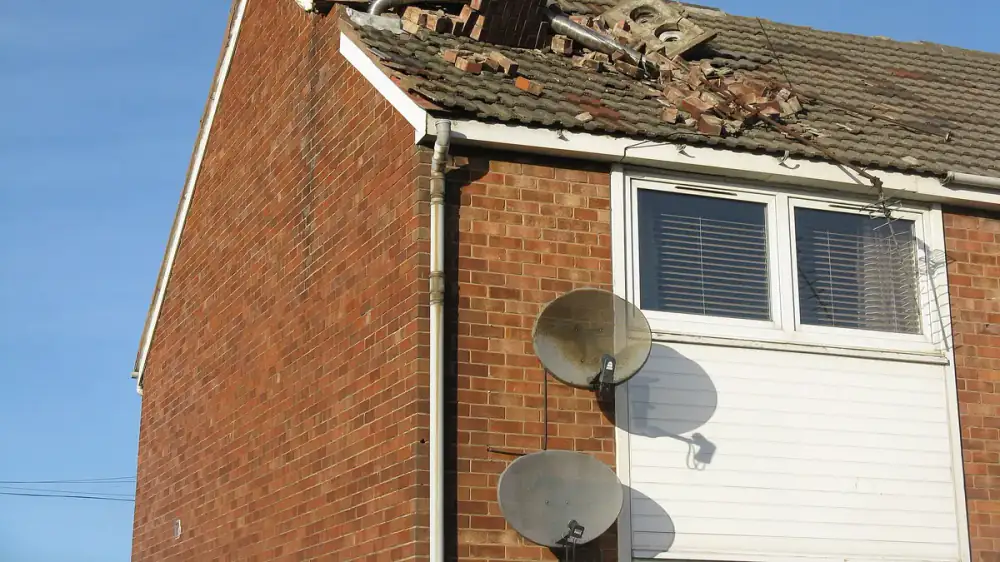
Chimney Storm Damage: What to Check
Storms dislodge caps, crack crowns, and lift flashing. Here's a ground-level, post-storm chimney check — what to look for, what to do, and when to call a pro.
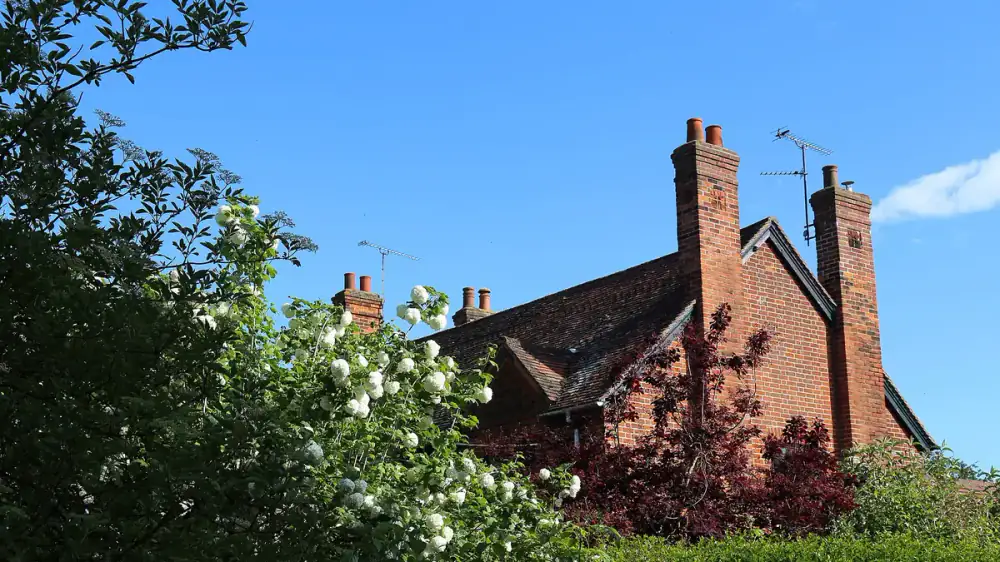
Seasonal Chimney Inspection From the Ground
A short binocular check each season catches most chimney trouble early. Here's what to look for from the ground, a simple cadence, and when to book a pro sweep.
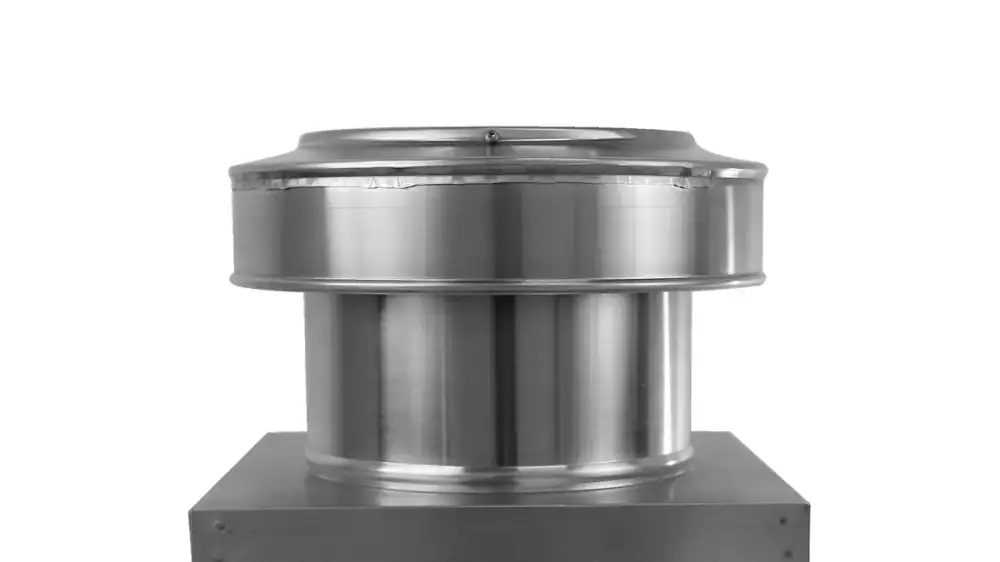
Roof Vents and Vent Covers Explained
Roof vents let the attic breathe, and their covers keep weather out while air keeps moving. Here are the common types, what covers do, and how to spot damage safely.