Why Chimneys Leak in Driving Rain
Some chimneys stay dry through a soft all-day drizzle and leak only when the wind throws rain sideways. That pattern is a clue, not a coincidence — it tells you where the water is getting in.

A chimney that leaks only in wind-driven rain is telling you the water is getting in sideways, not from the top. Steady rain falls vertically and is handled by the crown, cap, and roof shedding it down. Wind throws rain horizontally, forcing it into the porous masonry face and joints, and up under flashing laps — paths that gravity-fed water never touches. The pattern is a diagnostic clue: it points suspicion at the walls and flashing rather than the top, and the wind direction narrows it further.
Few leaks are as maddening as the one that only shows up in a storm. A chimney will sit through a gray, soaking, all-day drizzle with not a drop indoors, then a front blows through with real wind behind it, the rain going sideways, and a damp ring appears on the ceiling near the fireplace. The natural reaction is disbelief — how can it be bone dry in ordinary rain and leak in a gale? But that contradiction is exactly what makes the leak solvable. The pattern isn't noise. It's the single biggest clue you'll ever get about where the water is coming from.
The key is realizing that wind doesn't simply deliver more rain. It changes the direction of the rain, and direction is the one thing that matters most when you're tracking down a leak.
A leak with a schedule
Start by taking the schedule seriously instead of dismissing it. A leak tied to storms is not random and it is not "sometimes." It's a leak that appears under one specific condition — water arriving horizontally — and stays absent otherwise. That regularity is diagnostic. It rules out a whole category of top-down causes and rules in a narrow set of sideways ones before you've climbed anything or spent a dollar. Most leaks give you nothing to work with; this one hands you half the answer just by showing up on cue.
Gravity's system, meeting a load it wasn't built for
A chimney's waterproofing is designed, first and foremost, for water coming down. The crown is sloped to throw falling rain off the top. The cap covers the flue against water dropping into it. The roof and flashing carry whatever lands on them downhill and away. In a steady, windless rain, every part of that machinery does its job, because the water is behaving exactly as the system expects — falling straight down, being escorted straight down.
Wind-driven rain tears up that assumption. Put wind behind the rain and water stops falling and starts flying: it strikes vertical surfaces head-on and gets pushed, with genuine pressure, into places that only see water when it's forced there. A brick face that stays essentially dry in a drizzle can be blasted and soaked through in a storm. A flashing lap that sheds downhill water flawlessly can have water shoved up underneath it by wind. The system that handles top-down water beautifully was never built for a hose aimed sideways. So "dry in drizzle, wet in storms" isn't a paradox — it's the signature of a path that only opens when water comes in horizontally.
The three ways sideways water gets in
Once you know to look sideways, the suspects sort into a short list.
The masonry face
This is the big one and the most underestimated. Brick, stone, and especially mortar are porous, and under sustained wind pressure driven rain doesn't merely wet the surface — it's pushed into the face and the joints. In a hard enough wind-driven rain an entire wall of masonry can wet through, and water that soaks in can migrate and surface inside well away from where it entered. This is why the leak tracks the weather so faithfully: the wall only gets driven-wet in a storm. Dense stone resists it better than porous brick, one of the practical differences covered in chimney care for brick versus stone.
The mortar joints
Even on a wall that sheds surface water well, cracked, eroded, or missing mortar offers wind-driven water a direct route into the wall's interior. Joints are the weak line in any masonry chimney, and horizontal rain seeks them out.
The flashing
Flashing is engineered to manage water running down the roof past the chimney. Wind-driven rain defeats it by forcing water upward, under the laps and behind the counterflashing, where it then runs down on the inside instead of out. A flashing detail that's perfect against gravity can leak against wind. Chimney flashing explained covers how these joints are meant to work and why wind is their hardest test.
Notice who's missing from the list: the crown and the cap. Those are top-down defenses, and a leak that appears strictly in wind-driven rain — while the chimney stays dry in vertical rain — tends to point away from them and toward the walls and flashing. Not a guarantee; nothing in leak-hunting ever is. But a real and useful shift in where to look first.
Why the wet patch points to the wrong place
Part of what makes these leaks so confusing is that masonry doesn't behave like a pipe. Water driven into a wall at one spot can travel — through the porous material, along joints, down cavities — before it reappears inside somewhere that looks unrelated to where it got in. A damp ring on the ceiling might trace back to a face that got soaked several feet away and higher up. That's why chasing the interior stain directly so often dead-ends, and why understanding the mechanism beats hunting for the exact spot. The water is getting in through the face, the joints, or the flashing during storms, then finding its own path to daylight indoors.
It also explains why these leaks are intermittent and slow to pin down. The wall has to get driven-wet, then the water has to travel, so the indoor sign can lag the storm and turn up only after the worst wind-driven events.
The free clue: which way the wind blew
Here is the single most useful thing you can do, and it costs nothing: note the wind direction every time the leak shows up.
Because wind-driven rain only soaks the face it's striking, a leak that appears specifically when the rain comes from, say, the southwest is telling you the trouble is on the southwest-facing wall or flashing. That collapses a whole-chimney mystery down to one face. Over a couple of storms, if the pattern holds, you've narrowed a professional's search dramatically before they've even arrived. Pair the wind direction with which room and which part of the ceiling shows the damp, and you're handing over evidence instead of "it leaks sometimes." Keep a plain log — date, roughly how hard the wind blew and from where, and where the water appeared inside. That kind of note is exactly what separates a quick diagnosis from an expensive process of elimination.
Where your job ends
Everything about diagnosing a wind-driven leak lives at ground level and is genuinely yours: watching the pattern, logging the wind direction, scanning the storm-facing masonry from the yard with binoculars for weathering, spalling, or open joints, and ruling the top-down suspects in or out. Learning to read a white stain on your chimney helps here too, since that chalky bloom is direct evidence of water traveling through the masonry.
The sources themselves, though — the face, the joints, the flashing — are all up on the chimney and roof, and every fix for them, from repointing to reworking flashing, is height work with real risk. Whether a breathable water repellent even belongs on a wind-soaked face is a professional's call to make and carry out, since a non-breathable sealer can trap moisture and make things worse, as chimney care in freeze-thaw climates explains. So bring in a qualified chimney or roofing pro when a leak appears in driving rain, when you can tie it to a particular wind direction, or when you spot heavy weathering, open joints, or lifted flashing on a storm-facing wall — and come with your notes. That record of timing, direction, and indoor location is often the fastest route to the source. The observing and the writing-down are your part; the inspection and repair, up on the walls and roof, belong to someone equipped to work there safely.
Questions people also ask
Why would a chimney leak in driving rain but stay dry in normal rain?
Because wind changes where the water goes. Steady rain falls vertically and is mostly handled by the crown, cap, and roof shedding it downward. Wind-driven rain hits the chimney sideways, pushing water against and into the porous masonry face, up under flashing laps, and against seams that vertical water never reaches. So a leak that only appears in wind-driven rain points to a horizontal water path rather than a top-down one.
Does a wind-only leak mean the crown and cap are fine?
Not necessarily, but it shifts suspicion. If the chimney stays dry in vertical rain and leaks only when rain is driven sideways, the most likely culprits are the things exposed to horizontal water — the masonry face, the mortar joints, and the flashing where wind can push water upward under it. The crown and cap are more about top-down water, so a pure wind-driven leak often points elsewhere first.
Can wind-driven rain soak straight through brick?
It can drive water into the masonry, yes. Brick and mortar are porous, and sustained wind pressure pushes water into the face and joints far more forcefully than gravity alone. In heavy wind-driven rain the whole face can wet through, and water that gets in doesn't always come back out the way it entered — it can travel and surface inside. Denser masonry resists this better, but no masonry is fully waterproof.
Is this a job I can fix myself?
Diagnosing the pattern is something you can do from the ground — noting when and in what wind direction the leak appears is genuinely useful information. But the likely sources, the masonry face, joints, and flashing, are all up on the chimney and roof, and repairing them means working at height. So the observing is yours; the fixing is a professional's.
Why does the wind direction matter?
Because it tells you which face is taking the hit. A leak that only shows up when rain comes from one particular direction points to the wall or flashing on that side, narrowing the search considerably. Noting the wind direction each time the leak appears is one of the most helpful things you can hand a professional — it turns a whole-chimney mystery into a specific area to inspect.
Related guides
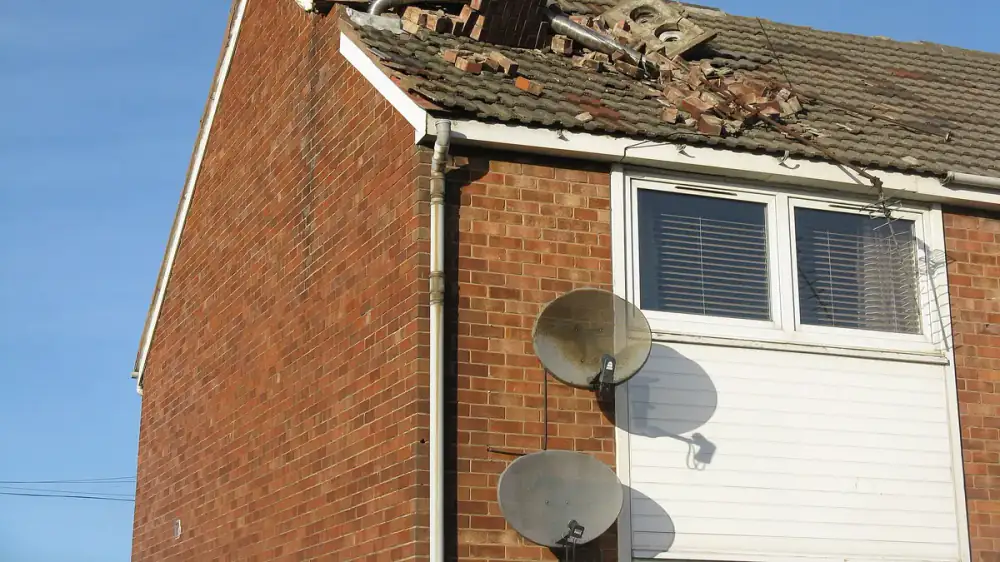
Chimney Storm Damage: What to Check
Storms dislodge caps, crack crowns, and lift flashing. Here's a ground-level, post-storm chimney check — what to look for, what to do, and when to call a pro.
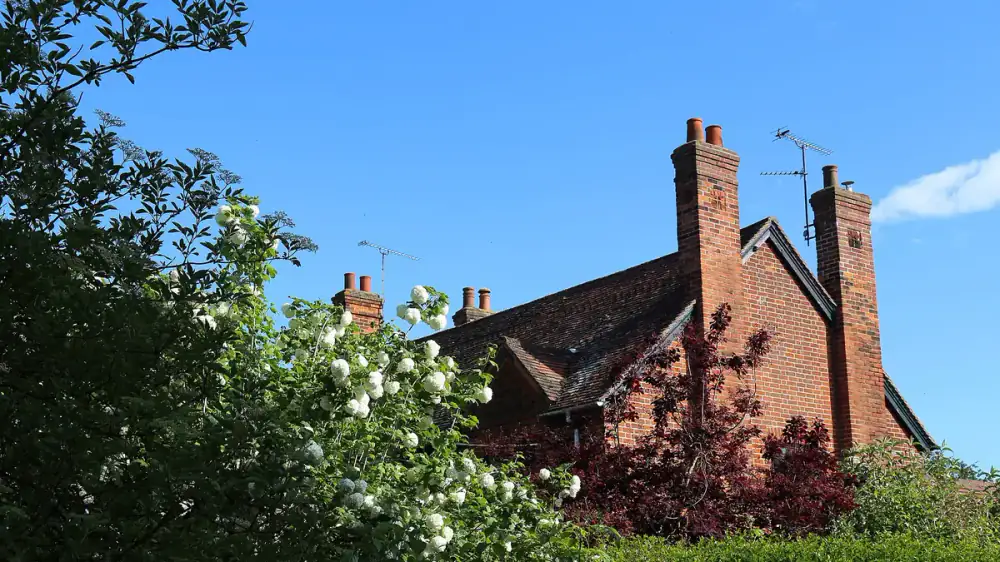
Seasonal Chimney Inspection From the Ground
A short binocular check each season catches most chimney trouble early. Here's what to look for from the ground, a simple cadence, and when to book a pro sweep.
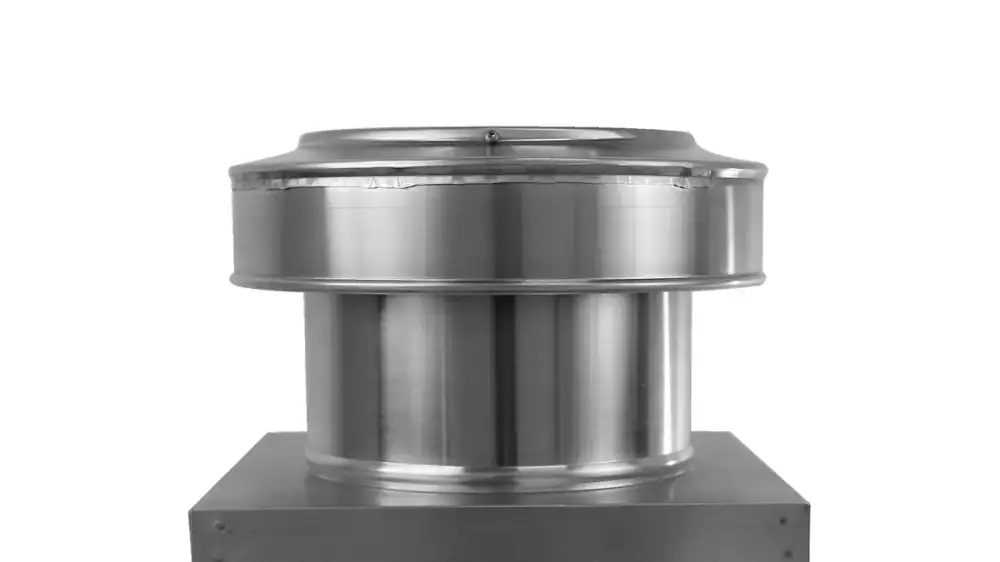
Roof Vents and Vent Covers Explained
Roof vents let the attic breathe, and their covers keep weather out while air keeps moving. Here are the common types, what covers do, and how to spot damage safely.