Chimney Care in Freeze-Thaw Climates
In a cold climate, water in masonry isn't just water — it's a slow-motion crowbar. Freeze-thaw is why chimneys in the north age the way they do, and why keeping them dry is the whole game.

In cold climates, chimneys are damaged by freeze-thaw: water soaks into porous masonry, freezes and expands, and pries the material apart — repeating every cold cycle. The result is spalling brick, cracking mortar, and a deteriorating crown, concentrated at the most exposed, water-collecting spots. You can't stop the freezing, but freeze-thaw needs water to work, so the whole game is keeping the masonry dry — sound crown, cap, and flashing, and only a breathable water repellent, chosen with a professional.
Everyone learns that water expands when it freezes, usually in the story of a burst pipe, and then files it away as trivia about plumbing. The same physics is quietly at work on the outside of the house, taking a chimney apart on a schedule set by the thermometer. In a warm climate, water in masonry is a slow nuisance. In a freeze-thaw climate, that identical water becomes a crowbar — one that resets and levers again every single time the temperature crosses freezing. Understand that one mechanism and almost everything about how cold-climate chimneys crack, spall, and crumble falls into place, along with the one lever you actually get to pull.
One mechanism, run again and again
Masonry is porous. Brick, mortar, and many stones pull water into their pore structure and hold it like a sponge. When the temperature drops below freezing, that absorbed water turns to ice and expands — by roughly a tenth of its volume — pressing outward against the material from the inside. The pressure has nowhere to go but into the masonry itself, so it stresses and micro-fractures it from within.
Then it thaws. The ice becomes water again, and now there are slightly more and slightly larger openings for it to seep into, so it soaks a little deeper than before. The next freeze makes more ice, more expansion, more damage. The genuine cruelty of freeze-thaw is that it is both cyclical and cumulative: each cycle does a little harm and quietly prepares the next to do a little more. A chimney is not destroyed in one brutal winter; it is disassembled over many, one cycle at a time. In cold regions this is the dominant force aging the masonry, and the same moisture driving it is what eventually surfaces as a white stain on the chimney. From all of this follows the one insight that matters most: no water, no freeze-thaw. The freezing is beyond your reach, but it can only damage water that is already in the wall. Keep the masonry dry and you starve the machine of its fuel.
Why the chimney is first in line
Of all the masonry on a house, the chimney is the freeze-thaw magnet, and it pays to understand why so you take it seriously rather than treating winter damage as bad luck.
It is the most exposed structure on the home — projecting above the roof with no wall or overhang to shelter it, catching rain and snow on every side and the wind-driven wet that sheltered walls never feel. It wears a horizontal crown on top, and horizontal surfaces collect and hold water instead of shedding it, especially when the crown is cracked or poorly sloped. It rides through wider temperature extremes than the rest of the house, warmed by sun and by any use of the flue, then dropped into cold. And it presents more edges and corners, which are always the first geometry to break. Add it up — maximum water exposure, maximum temperature swing, maximum exposed surface — and you have the reason the chimney takes on more water and more freeze cycles than any other masonry on the house, and why it is so often the first thing to visibly deteriorate in a cold climate.
Reading what freeze-thaw leaves behind
The damage has a recognizable signature, and the good news is that it reads from the ground. The classic sign is spalling: brick faces flaking, popping, or crumbling off as the frozen water pushes the saturated outer skin away, leaving rough, pitted surfaces and sometimes little heaps of grit or flakes at the base. Alongside it you will find cracking and crumbling mortar, since mortar is often the most porous and vulnerable part of the assembly. The crown shows its own version — it collects water and takes the brunt, so freeze-thaw widens cracks up there readily, and the signs of a failing chimney crown covers what to watch for at the top. And corners and edges break away first, because the most exposed geometry always fails soonest.
The damage clusters where water collects and exposure runs highest, which is why the top of the chimney so often shows it before anywhere else. Stone chimneys spall less readily than brick but suffer through their joints instead; the material differences are worked through in chimney care for brick versus stone, and both types are freeze-thaw vulnerable wherever there is mortar.
Everything traces back to keeping it dry
Since you cannot cancel the cold, cold-climate chimney care is really water care, and every worthwhile move traces back to keeping the masonry from being saturated when the freeze arrives.
Keep the top-down defenses sound. A cracked crown, a failed cap, or lifted flashing each let water into the masonry that freeze-thaw then attacks. In a freeze-thaw climate these are not cosmetic details — an intact crown and cap are your first and best defense, because they stop water from entering the top of the structure at all. The relationship runs both ways, too: freeze-thaw damages these very parts, so it is a cycle that feeds itself, which is one more reason to catch problems early. Beyond that, do not let water pool or run onto the masonry; anything that keeps water sitting on or against the chimney is feeding the mechanism.
Then there is the caveat that catches people out. A breathable water repellent can genuinely help, because it reduces how much water the masonry absorbs and so directly limits freeze-thaw. But it must let the wall breathe — let trapped moisture escape as vapor. A non-breathable sealer does the exact opposite: it locks water inside the masonry, where it freezes and expands with nowhere to go, actively accelerating the very damage you meant to prevent. In a freeze-thaw climate, the wrong sealer is worse than no sealer at all. That is precisely why breathability is non-negotiable, and why choosing and applying any treatment is a professional decision rather than a hardware-store gamble.
Bracket the cold season, then act on what you find
Freeze-thaw does its work in winter, so the most productive checks bracket the cold season. Before winter, scan the chimney with binoculars for existing cracks, spalling, open joints, and crown damage — these are the entry points that will let water in and freeze, and catching them in fall means less water trapped when the cold lands. After winter, and after any hard freeze-thaw stretch, look again for new spalling, fresh flakes at the base, widened cracks, or crumbling that was not there before; this is when a single rough season's damage becomes visible. Between those bookends, watch for interior stains near the fireplace, which can mean water is now getting through. Comparing photos across seasons is what makes slow, cumulative damage noticeable before it turns severe, and folding the routine into a seasonal chimney inspection keeps it consistent through the cold-climate rhythm.
When the checks turn up spreading spalling, crumbling or open mortar joints, growing crown cracks, or broken corners, bring in a qualified chimney or masonry professional — and do not wait through another winter, since freeze-thaw only compounds. Any repair, repointing, crown work, or sealing is height work on the chimney, and the sealer choice in particular can help or actively harm depending on breathability, so it belongs to someone who knows the material. Your part is the ground-level part: keep water off from above, watch for the telltale spalling and cracking from below, and act before another freeze cycle turns a small problem into a large one.
Questions people also ask
What is freeze-thaw damage, really?
It is the damage caused by water repeatedly freezing and thawing inside porous masonry. Water soaks into brick, mortar, or stone, then freezes and expands by roughly a tenth of its volume, pushing against the material from inside. When it thaws, it soaks in deeper, then freezes again. Cycle after cycle, this pries the masonry apart — flaking brick faces, cracking mortar, and widening any existing crack.
Why does it hit the chimney harder than the walls?
Because it is the most exposed masonry on the home. A chimney sticks up above the roofline, hit by rain and snow on all sides, with a horizontal crown on top that can collect water, and no shelter from wind or sun. It also swings through more temperature extremes than sheltered walls. That combination of maximum water exposure and maximum temperature swing is exactly what freeze-thaw needs.
What am I looking for?
The classic sign is spalling — brick faces flaking, popping, or crumbling off, sometimes leaving grit at the base of the chimney. You will also see cracking and crumbling in mortar joints, cracks growing in the crown, and pieces breaking away at exposed corners and edges. It tends to concentrate where water collects and where the masonry is most exposed, like the top of the chimney.
Can the damage be stopped?
You cannot stop the freezing, but you can limit the water, which is the part you control. Keeping the crown, cap, and flashing shedding water properly, and keeping the masonry from staying saturated, denies freeze-thaw the moisture it needs. A breathable water repellent can help, but only if it lets the wall dry — a sealer that traps water inside makes freeze-thaw worse, so that is a professional decision.
Does sealing protect against freezing?
Only the right kind of treatment, applied correctly. A breathable water repellent reduces how much water the masonry absorbs while still letting trapped moisture escape, which genuinely helps in a freeze-thaw climate. But a non-breathable sealer traps moisture inside the wall, where it freezes and expands with nowhere to go — actively accelerating the damage. Because the wrong choice backfires, sealing is best decided and done with a professional.
Related reading
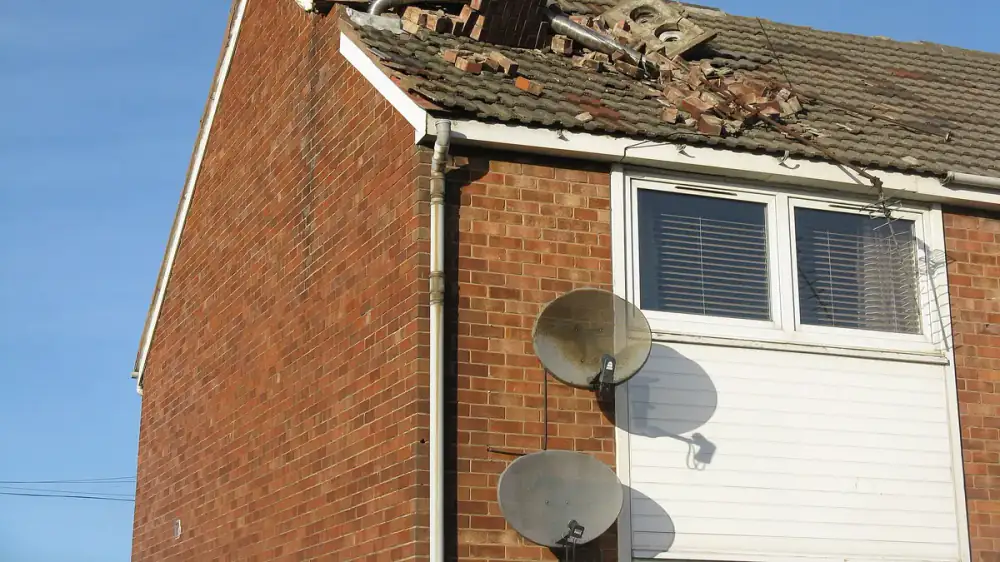
Chimney Storm Damage: What to Check
Storms dislodge caps, crack crowns, and lift flashing. Here's a ground-level, post-storm chimney check — what to look for, what to do, and when to call a pro.
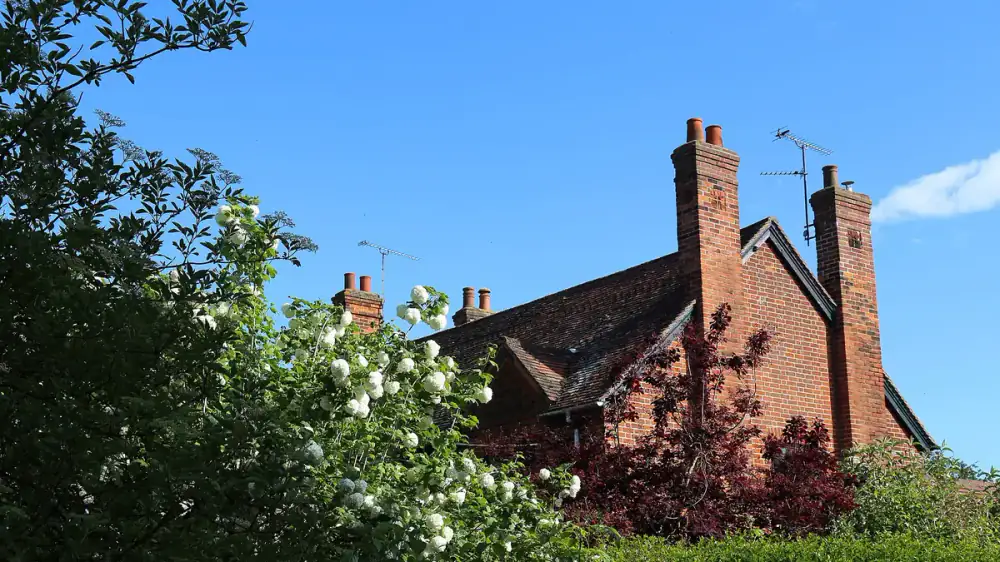
Seasonal Chimney Inspection From the Ground
A short binocular check each season catches most chimney trouble early. Here's what to look for from the ground, a simple cadence, and when to book a pro sweep.
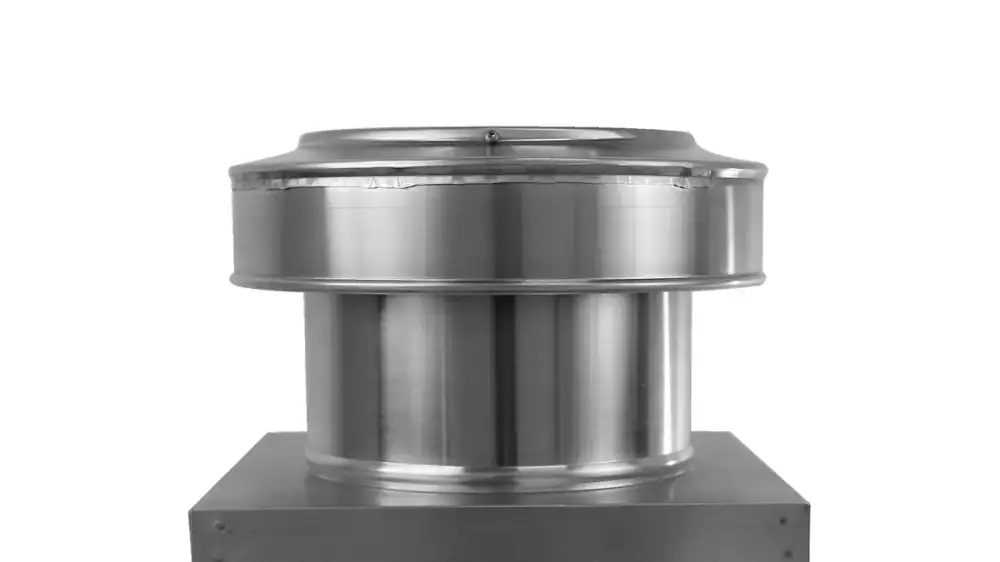
Roof Vents and Vent Covers Explained
Roof vents let the attic breathe, and their covers keep weather out while air keeps moving. Here are the common types, what covers do, and how to spot damage safely.