The Signs of a Failing Chimney Crown
A crown is a rooftop surface you can't fully see, but a failing one leaves a trail of clues on the sides of the chimney and inside the house. Here's how to read them from the yard.
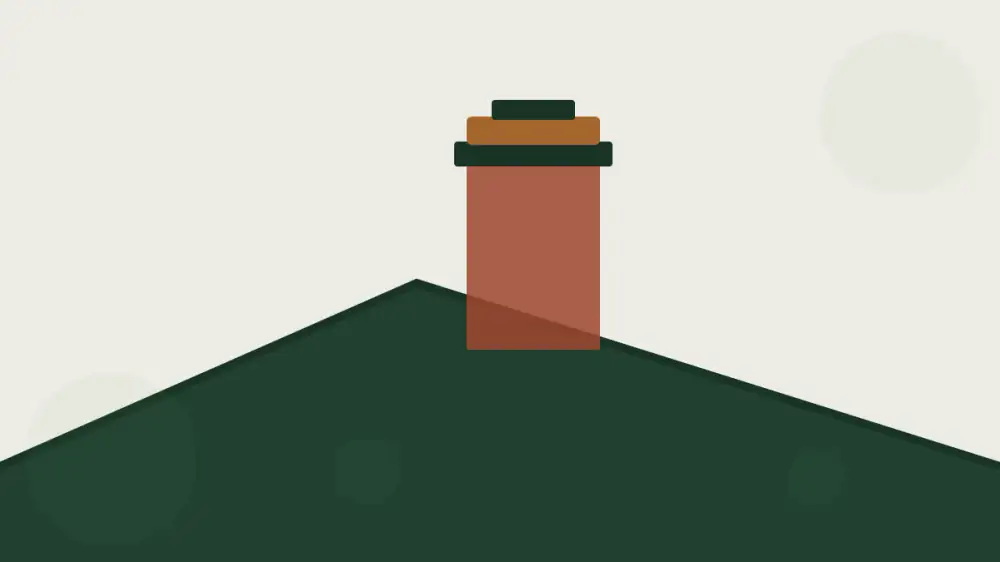
You can't see the top of a crown from the ground, but a failing one announces itself on the parts you can see: cracks and crumbling along the crown's edges, spalling or flaking brick just below it, rust and dark water streaks down the masonry, white efflorescence, and interior stains near the fireplace. Any of these is a signal to have the crown inspected — none of them requires you to leave the ground, and confirming the crown itself is a professional's job.
The chimney crown has a frustrating quality: it's the part most responsible for keeping a chimney dry, and it's the part you can see the least. It's a horizontal concrete slab at the very top of the masonry, tilted just enough to shed rain, and from the yard you're looking at it edge-on if you can see it at all. So the practical question isn't "what does a failing crown look like" — you'll rarely get a clean view of the failure itself. It's "what does a failing crown make everything else look like," because that's the evidence you actually get to read.
A crown fails the way a leaking roof fails: not where you're looking, but downstream of it. Learn to read downstream, and you can catch a crown going bad long before anyone's on the roof.
Cracks and crumbling at the edge
Start with the little you can see directly. Even from the ground, binoculars will often show the outer edge of the crown where it meets the top of the brick. On a healthy crown that edge is clean and continuous. On a failing one you may see:
- Cracks running along or across the visible edge;
- Crumbling or spalled concrete, where pieces have flaked or broken away;
- Missing chunks at the corners, which take the most weather;
- a crown that looks patched or unevenly repaired from some previous fix.
These are the most direct evidence, but also the least reliable, precisely because so much of the crown is hidden. A crown can look fine at its visible edge and be cracked across the middle where water pools. That's why the indirect signs below matter more.
Spalling brick just beneath the crown
Now look at the top course or two of masonry, right under the crown. This is where a crown failure shows its hand most clearly.
When a crown stops shedding water, the brick immediately below it gets the first and heaviest soaking. Saturated brick, hit by freeze-thaw, begins to spall — the outer face pops, flakes, or crumbles off, leaving a rough, pitted surface and sometimes little piles of grit at the base of the chimney. Spalling concentrated near the top of the chimney is a strong hint that water is coming from above rather than driving in from the side. The mechanism is the same one described in chimney care in freeze-thaw climates, and the crown is very often the entry point that starts it.
Crumbling mortar joints in that same top zone tell the same story. Mortar is even more porous than brick, so it often deteriorates first.
Stains and streaks down the masonry
Water that a crown fails to shed doesn't vanish — it runs, and it leaves marks. Scan the whole face of the chimney for:
- Rust-colored streaks, which can come from steel components at the top corroding as water sits on them;
- Dark vertical water tracks, where runoff repeatedly follows the same path down the brick;
- White, chalky patches — efflorescence, the mineral bloom left behind when water travels through masonry and evaporates on the surface.
That white bloom deserves its own attention, because it's almost a direct readout of moisture moving through the wall. What a white stain on your chimney means unpacks it, and a persistent bloom high on the chimney frequently traces back to a crown that's letting water in up top.
The clues that show up indoors
Some of the most telling signs of a failing crown aren't on the chimney at all — they're inside the house. Because a cracked crown feeds water down into the masonry, that moisture can eventually reach living space and appear as:
- Water stains on the wall or ceiling near the fireplace or where the chimney passes through the house;
- a damp or musty smell near the hearth;
- discoloration or peeling on the chimney breast indoors.
Interior stains are worth taking seriously precisely because they mean water has already made a long journey. It's not that the crown definitely caused them — a failed cap or flashing can produce the same marks — but a crown high on the suspect list is exactly why an inspection is the right next move rather than a guess.
Reading the signs together, not alone
No single clue is proof. Rust streaks alone might mean a corroding cap. Spalling alone might mean driving rain. Interior stains alone might mean flashing. What points toward the crown is the pattern — several of these signs clustered near the top of the chimney, appearing or worsening together, especially after wet or freezing weather.
Think of it as building a case. One clue is a question; three clues stacked at the top of the chimney is a strong hypothesis. And because the crown is a hidden rooftop surface, the honest limit of your ground-level work is forming that hypothesis. You can tell that something up top is failing; you can't confirm from the yard that it's specifically the crown, or how far gone it is.
How to check, and how often
The whole routine takes a few minutes and never leaves the ground:
- Stand back far enough to see the top of the chimney, in good light.
- With binoculars, scan the visible crown edge, then the top courses of brick, then the full face for stains.
- Photograph anything questionable so you can compare over time — a crack that's growing is far more telling than a crack in isolation.
- Step inside and check the wall and ceiling near the fireplace.
Do this a couple of times a year and again after major storms or a hard freeze-thaw run. Folding it into a broader routine helps, and how often a chimney should be inspected puts the crown check in the context of everything else worth watching.
What to do when the signs add up
If your ground-level look turns up edge cracks, spalling brick near the top, spreading stains, efflorescence high on the chimney, or fresh interior water marks, the next step is a qualified chimney professional — not a ladder. The crown is a horizontal surface at the highest point of the house, and inspecting, resurfacing, or rebuilding it is rooftop work with real risk. Spotting the signs is squarely your job and genuinely valuable, because catching a crown problem early is what keeps it from becoming a full teardown. Confirming and fixing it is theirs.
Frequently asked questions
Can I really tell a crown is failing without getting on the roof?
Often, yes — indirectly. You can't inspect the flat top of a crown from the ground, but a failing crown pushes its evidence downward and inward: spalling brick below it, rust or dark stains streaking the masonry, efflorescence blooming on the sides, and water marks near the fireplace inside. Those secondary clues are readable from the yard with binoculars. Confirming the crown itself still needs a professional's rooftop access.
What does a cracked crown lead to if it's ignored?
Water. A crown's only job is to shed rain off the top of the chimney, so once it cracks, water starts soaking into the masonry below instead of running off. That moisture freezes and expands in cold weather, widening cracks and flaking brick faces, and it can travel down toward the flue and into the home as staining. A small crack left alone tends to become a much larger, costlier repair.
Is a hairline crack in the crown a problem?
It can be the start of one. Fine cracks let water in, and freeze-thaw cycles widen them season after season. A hairline crack isn't an emergency, but it's exactly the kind of thing worth having a professional look at before it grows — the cheap moment to address a crown problem is early, while it's still small.
Could the signs I'm seeing be something other than the crown?
Yes, which is why they're clues rather than proof. Rust streaks, spalling, and interior stains can also come from a failed cap, bad flashing, or a rusting chase cover. Water near a chimney has several possible paths. The value of spotting the signs is that they tell you something is wrong and it's time for a proper inspection — not that the crown is definitely the culprit.
How often should I check for these signs?
A couple of times a year is a sensible rhythm, plus a look after any strong storm or a hard freeze-thaw stretch, since those are when crown damage accelerates. It takes only a few minutes with binoculars from the yard or an upstairs window, and comparing what you see over time is what makes small changes noticeable.
Related reading
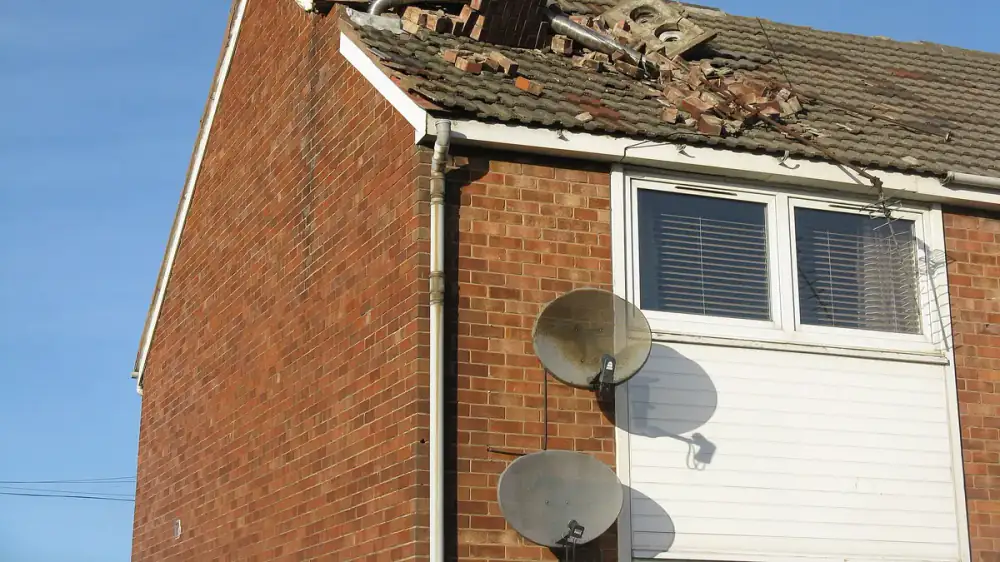
Chimney Storm Damage: What to Check
Storms dislodge caps, crack crowns, and lift flashing. Here's a ground-level, post-storm chimney check — what to look for, what to do, and when to call a pro.
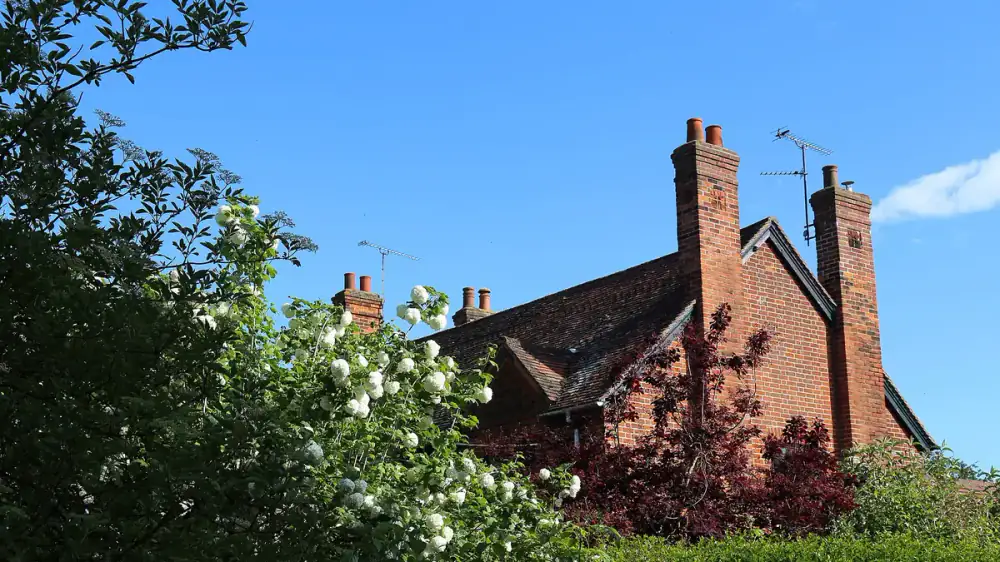
Seasonal Chimney Inspection From the Ground
A short binocular check each season catches most chimney trouble early. Here's what to look for from the ground, a simple cadence, and when to book a pro sweep.
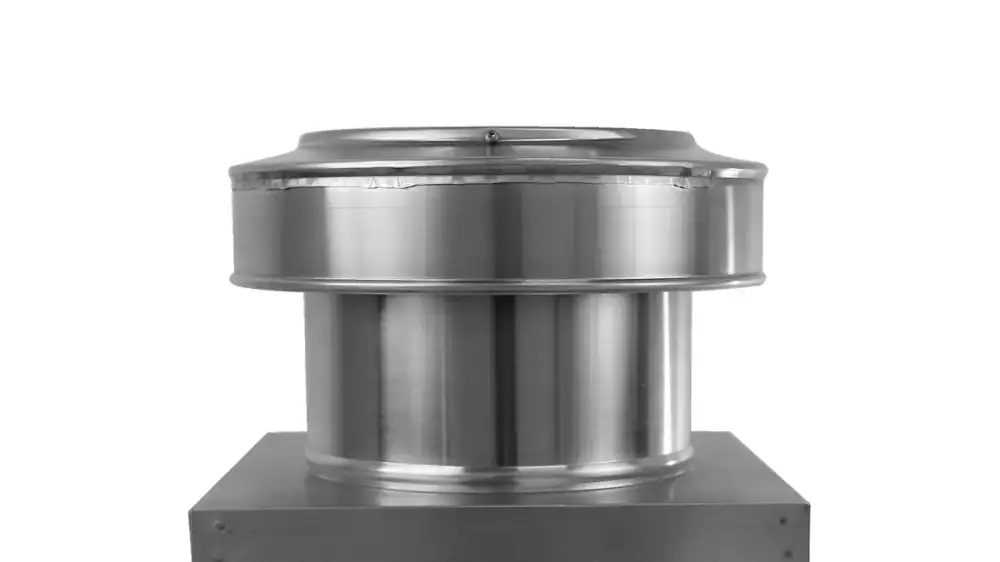
Roof Vents and Vent Covers Explained
Roof vents let the attic breathe, and their covers keep weather out while air keeps moving. Here are the common types, what covers do, and how to spot damage safely.