What to Do With an Unused Chimney
An unused chimney doesn't stop being a chimney. It's still the tallest, most exposed masonry on the house — and neglecting it is how a part you never use becomes a leak you can't ignore.
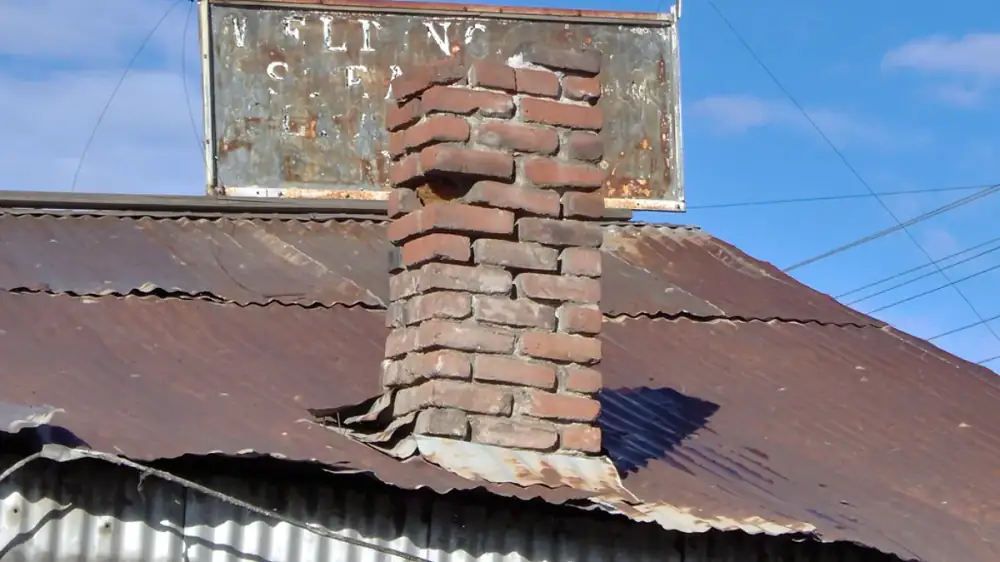
An unused chimney still needs upkeep, because it's still the tallest, most exposed masonry on the house — subject to water, freeze-thaw, and animals whether you light it or not. The priorities shift from combustion safety to weatherproofing and keeping things out: keep it capped, keep the crown, cap, and flashing shedding water, and watch it from the ground a couple of times a year. Fully sealing a chimney or removing it are professional decisions, because masonry must still breathe and a chimney is structural.
There's a chimney like this on a lot of houses: the fireplace was bricked up, the wood stove hauled out a decade ago, the furnace swapped for something that vents out the side wall — and the chimney simply stayed, standing above the roofline with no job to do. It slips easily into the mental category of "not my problem," a leftover that's just there. That filing is the whole error. A chimney doesn't stop being a chimney when you stop using it. It's the same masonry at the same exposed height, weathering in the same rain and cold. The only thing that's actually changed is that nobody's watching it anymore — which is precisely how the part you never think about turns into a ceiling stain, or a scatter of fallen brick, that you can't avoid thinking about.
The reassuring news underneath all this: an idle chimney is genuinely less work than a working one. The reasons for the upkeep just move around.
What idling actually changes
The cleanest way to reason about an unused chimney is to sort its concerns into what's gone and what's still there.
Gone is the combustion side. An unused chimney burns nothing, so it isn't building creosote, isn't carrying combustion gases, and doesn't demand the interior flue scrutiny a working chimney needs to be safe to light. That's a real and permanent reduction in the workload, and it's why an idle chimney is easier to keep than an active one.
Unchanged is everything about being a tall masonry structure standing out in the weather. It's still the highest thing on the house, still struck by rain and snow on every side, still topped by a crown that can crack and sealed to the roof by flashing that can fail, still built of porous masonry that freeze-thaw can spall. If anything, an open, undisturbed flue is more inviting to nesting animals than a working one, because nothing ever startles them out of it. The same freeze-thaw weathering that ages an active chimney works on an idle one just as hard — the weather has no idea whether you ever light a fire. So the job doesn't vanish. It narrows to weatherproofing and exclusion, and it thins out in frequency, but it never reaches zero.
Cap it, and cap it first
If you do exactly one thing for an unused chimney, put a cap on the flue. An open flue on a chimney no one watches is a standing invitation to the two problems that most reliably destroy inactive chimneys from the inside:
- Water. Every rain and every snowmelt drops straight down an uncapped flue, wetting the masonry and structure from within, where it works on the liner and joints and eventually blooms as interior staining.
- Animals and debris. A sheltered, undisturbed shaft is prime nesting ground for birds and small animals, and leaves and twigs pile up with nothing to stop them. On a chimney nobody checks, a nest can sit for years, quietly holding moisture against the masonry.
A cap shuts both doors at once. How chimney caps protect against rain and debris covers the mechanics, but the summary is that capping is the highest-value, lowest-cost protection an idle chimney can get. If yours is uncapped right now, that's the first call to make — before anything else on this list.
The seal-it-shut trap
This is where the well-meaning homeowner most often goes wrong, and the logic is seductive: I never use this thing, so why not seal the top solid, block it off completely, and be done with it forever?
Because masonry still needs to breathe. A chimney sealed airtight top and bottom traps moisture inside the structure — moisture from the masonry itself, from the ground, from whatever water does still find a way in — with no route to escape as vapor. Trapped moisture is the exact fuel for freeze-thaw damage and interior deterioration, so a chimney closed up tight can quietly rot from within while looking neat and finished from the street. You'd manufacture the very moisture problem you set out to prevent.
There are correct ways to close off a chimney that's permanently out of service — methods that keep water out while still letting the structure ventilate. But striking that balance, sealing against intrusion without bottling moisture in, is a professional judgment, not a hardware-store cap glued down and forgotten. If yours is truly finished for good, ask a pro how to close it properly rather than improvising a lid.
A lighter routine, not no routine
An unused chimney earns a gentler version of the normal rhythm. The parts above the masonry still have to shed water — a cracked crown feeds the wall moisture whether or not a fire ever burns below it — so the crown, cap, and flashing all still matter. Your share stays firmly on the ground:
- A couple of times a year, and after big storms, scan the chimney with binoculars for a missing or damaged cap, crown cracks, spalling brick, open mortar joints, lifted flashing, and staining.
- Watch indoors for water marks or a musty smell near where the chimney runs, which mean intrusion has reached living space.
- Note what's changed since last time, and treat spreading deterioration as a reason to call.
A seasonal chimney inspection routine fits an idle chimney perfectly — you're just skipping the combustion items. On the professional side, an unused chimney doesn't need the interior flue attention a working one does, but the structure still warrants a periodic look; how often a chimney should be inspected covers how that cadence lightens. And if you've inherited an unused chimney of unknown condition, a baseline professional inspection is money well spent, if only to learn whether you're maintaining something sound or managing something already failing.
Is it worth keeping at all?
For some houses, the honest answer is that the chimney isn't worth keeping, and removal is a legitimate option — just a far bigger project than it sounds, and firmly not a DIY one. A chimney is structural and woven into the roof; taking one down means dealing with the roofline, the flashing, patching where it passed through, and sometimes the home's structure itself. Whether full removal, partial removal down to the roofline, or plain capping-and-maintaining makes the most sense depends entirely on your specific chimney and house, and it's a question for a professional who can assess it in person. For a great many homeowners, capping and light upkeep turns out to be markedly simpler and cheaper than removal — but that's a call to make with real information rather than a guess.
Which is the through-line of the whole thing. Bring in a qualified chimney professional to cap an uncapped flue, to properly close off one that's permanently done, and whenever your ground-level checks turn up crown cracks, spalling, failed flashing, or interior stains; leave removal squarely to the roof-and-structure specialists. Your role with an idle chimney is smaller than with a working one, but it isn't nothing. Keep it capped, watch it from the ground, and don't let "I never use it" quietly slide into "I never look at it."
Questions people also ask
Do I need to maintain a chimney I never use?
Yes, though less intensively than a working one. An unused chimney isn't building up combustion residue, but it's still the most exposed masonry on the house, still subject to weather, water intrusion, and animals, and still capable of leaking into the home. The reasons to maintain it shift from combustion safety toward weatherproofing and keeping things out, but 'unused' is not the same as 'maintenance-free.'
Should an unused chimney be capped?
Generally yes — capping is one of the most valuable things you can do for an inactive chimney. Without a cap, the open flue collects rain and snow, invites birds and animals to nest, and lets debris accumulate. A cap closes off those problems while a professional can advise whether additional closure is appropriate for a chimney that's permanently out of service. The specifics depend on the situation, so it's worth a professional's input.
Can I just seal the top of an unused chimney completely?
This needs care, because a masonry chimney still needs to breathe. Fully sealing a flue can trap moisture inside the structure, and trapped moisture drives the same freeze-thaw and deterioration problems as intrusion from outside. There are proper ways to close off a chimney that's out of service that still allow ventilation, but getting it right — sealing out water without trapping it in — is a professional decision, not a DIY cap-and-forget.
What goes wrong with a neglected unused chimney?
The same things that go wrong with any chimney, just unwatched. Water gets in through a failing crown, cap, or flashing and works into the masonry; freeze-thaw spalls and cracks it; animals nest in an open flue; and eventually it leaks into the house or becomes a costly structural repair. Because no one is using it, these problems often advance unnoticed until they surface as interior stains or falling masonry.
Does an unused chimney still need inspecting?
Yes, on a lighter footing. You don't need the interior flue scrutiny that a working chimney requires for combustion safety, but the structure still ages in the weather and should be checked — your own ground-level scans a couple of times a year, plus a periodic professional look at the crown, cap, flashing, and masonry. An unknown-condition unused chimney is worth a baseline inspection to know what you're dealing with.
Should I just remove an unused chimney?
Sometimes that's the right call, but it's a bigger decision than it sounds and not a DIY one. A chimney is structural and integrated into the roof, so removing it involves the roofline, flashing, and sometimes the structure itself. For many homeowners, capping and maintaining an unused chimney is simpler and cheaper than removal. Whether to remove, partially remove, or keep and maintain is a question for a professional who can assess your specific chimney.
More from this section
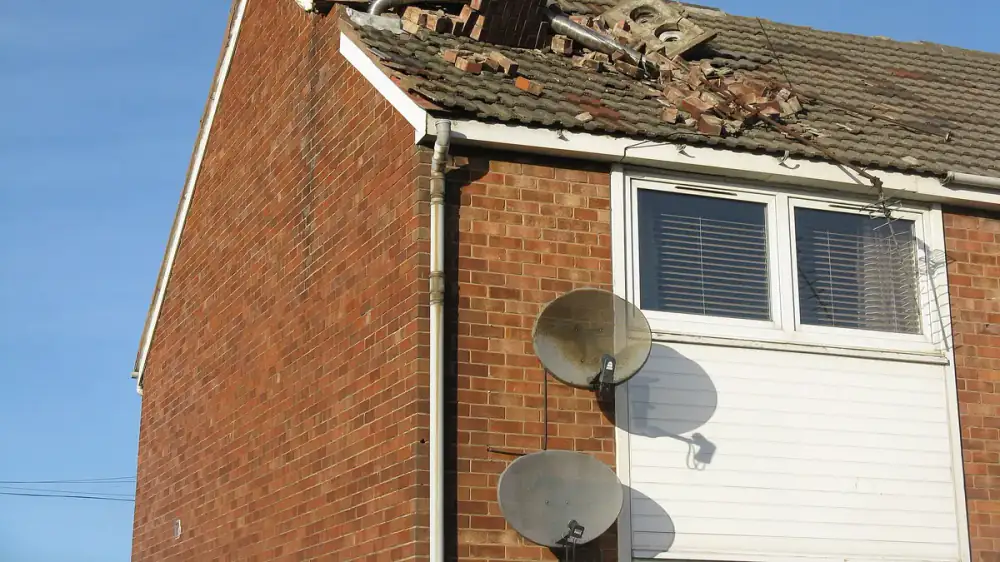
Chimney Storm Damage: What to Check
Storms dislodge caps, crack crowns, and lift flashing. Here's a ground-level, post-storm chimney check — what to look for, what to do, and when to call a pro.
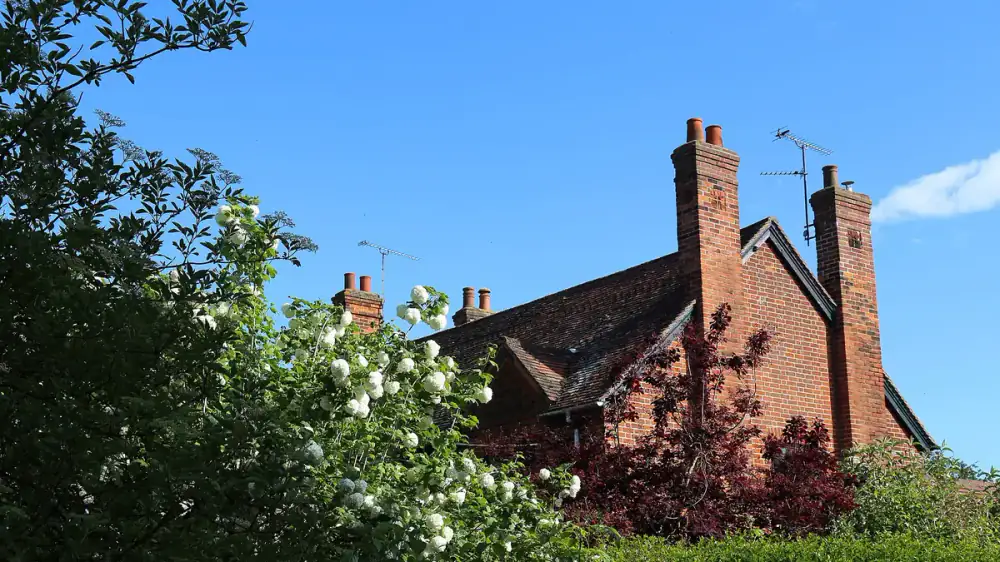
Seasonal Chimney Inspection From the Ground
A short binocular check each season catches most chimney trouble early. Here's what to look for from the ground, a simple cadence, and when to book a pro sweep.
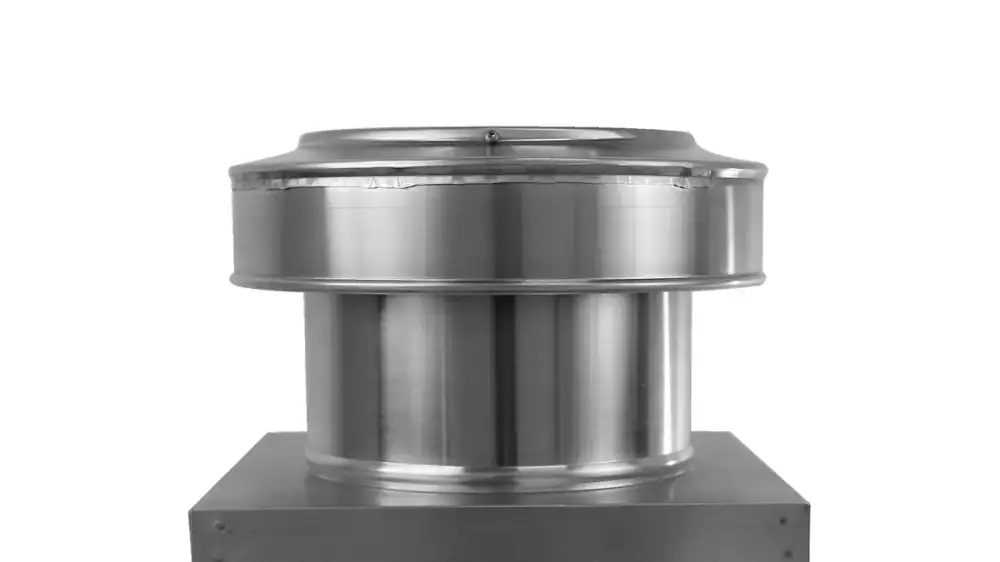
Roof Vents and Vent Covers Explained
Roof vents let the attic breathe, and their covers keep weather out while air keeps moving. Here are the common types, what covers do, and how to spot damage safely.