What Is a Chimney Crown?
The chimney crown is the sloped masonry slab at the very top of the chimney — the part that sheds rain off the structure. Here's what it does and why cracks in it matter.
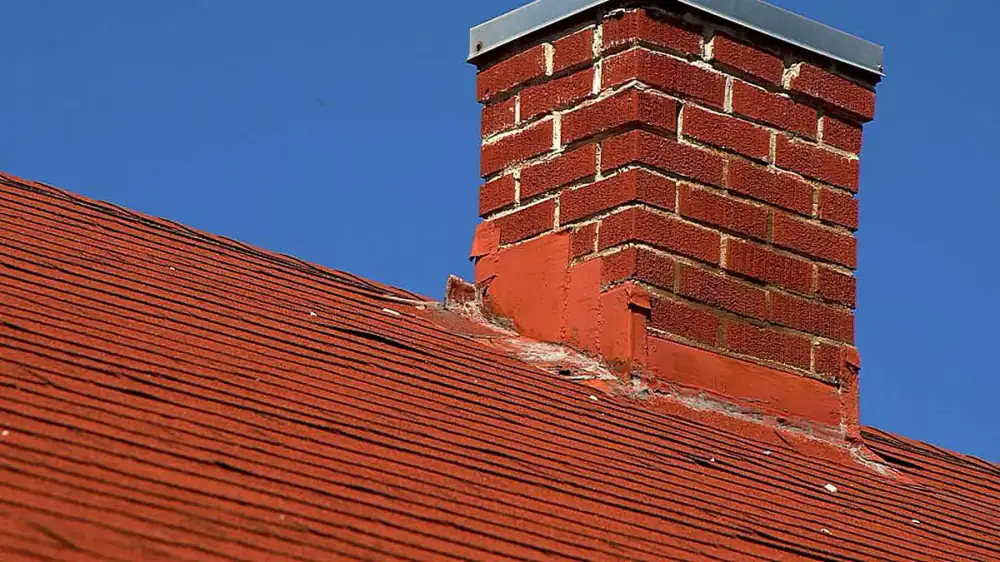
A chimney crown is the sloped masonry or concrete slab at the very top of the chimney that sheds rain off the structure and away from the flue. It's different from the cap: the crown protects the masonry, while the cap covers the flue opening. When a crown cracks, water gets into the chimney — and because it's a rooftop surface, inspecting and repairing it is a job for a professional.
Ask most homeowners to describe the top of their chimney and they'll describe the cap — the little metal-and-mesh hat over the opening — because that's the part visible from the driveway. Almost no one can picture the crown, and for a simple reason: it's a flat slab lying at the top of the chimney, and from the yard you're looking at its edge, not its face. Yet it's the crown, far more than the cap, that decides whether the masonry below stays dry. Once you understand what it is, chimney leaks stop being mysterious and start being traceable.
The slab you've never seen
The crown is the top surface of the chimney's masonry: a slab of concrete or mortar poured across the top of the brick or block, with the flue tiles rising up through it. Its entire reason for existing is to be a weatherproof lid for everything underneath.
A well-built crown does two quiet things. It's sloped, so rain landing on it runs outward to the edges and drips off rather than sitting in the middle and soaking in. And it usually overhangs the sides of the chimney a little, so the runoff drips clear of the brick instead of sheeting down the face. Directly above it, over the flue opening, sits the metal cap. The two are stacked one over the other, but they are not the same thing and never do each other's job.
Two parts, two jobs
The distinction is the single most useful thing to carry away from all of this, so it's worth stating plainly.
| Part | Material | What it protects | What it does |
|---|---|---|---|
| Crown | Concrete or mortar | The chimney masonry | Sheds rain off the top of the structure |
| Cap | Metal and mesh | The flue opening | Keeps rain, animals, and debris out; vents smoke |
A crack in the crown will not be cured by a shiny new cap, and a torn cap will not be cured by patching the crown. They fail in different ways and get repaired by different trades of the same craft. For the cap side of the story, see how chimney caps protect against rain and debris and the rundown of types of chimney caps.
Why the crown earns its place
Leave the top of a masonry chimney bare and it behaves like a sponge with a view. Brick and mortar are porous; standing water soaks in, then freezes and expands the moment the temperature drops. The crown is the first line of defense against that cycle. By throwing water off and away, a sound crown keeps the masonry beneath it dry.
It doesn't work alone. The crown is the top member of a three-part weather barrier — cap above, flashing at the base — and when all three are intact, water is turned away at the flue opening, at the top surface, and at the roofline in turn. Knock out any one and the other two can't fully cover for it. Think of the whole system top to bottom: the cap covers the flue opening, the crown sheds water off the masonry, and the flashing seals the joint where chimney meets roof. Each owns a different zone, which is exactly why moisture near a chimney can originate at any of the three — and why knowing what each does turns leak-hunting from guesswork into a checklist.
How the concrete lets go
Crowns don't last forever, and they tend to fail along a few predictable lines. Ordinary weathering and age grind the surface down over years of sun, rain, and temperature swings. Freeze-thaw cycles are the aggressive one: water soaks in, freezes, expands, pries the concrete apart a fraction, then repeats with every cold snap. Some crowns carry shrinkage cracks from the day the original concrete cured, fine lines that widen with time. And a crown with poor slope or no overhang lets water pool and linger, which accelerates all of the above.
The common thread is that cracks grow. Once one opens, rain enters, freezes, and levers it a little wider each season. A hairline becomes a crumbling edge; a crumbling edge becomes a missing chunk. That progression is the reason crown trouble rewards early attention so richly — the cheap moment to deal with a crack is while it's still a crack.
What a failed crown sets in motion
When a crown cracks or crumbles, it stops shedding water and starts admitting it. That moisture soaks into the chimney masonry and speeds its deterioration, travels down toward the flue and interior, and eventually surfaces as water stains near the chimney, inside or out. A failing crown is one of the classic entry points for a chimney leak, which is why, when you're trying to trace where water is getting in, the crown belongs on the short list right beside the cap and the flashing — how water gets in around a chimney sets the three side by side.
Reading it from below, and where reading stops
Here's the hard part: you can't actually see most of a crown from the ground. It's a horizontal surface at the top of the chimney, so from the yard you're looking at its edge at best. Binoculars from the ground or an upstairs window will catch the blatant problems — visible cracks running across the top or its edges, crumbling or missing pieces along the rim, spalling or flaking masonry on the brick just below, and interior water stains near the fireplace or chimney wall that may trace back up to it. What they won't catch are hairline cracks and poor slope, which is precisely where crowns tend to fail first. So treat a ground-level look as a way to flag trouble, never as confirmation the crown is fine, and don't let a clean view from below talk you out of a closer professional look.
That closer look is genuinely not a homeowner task. Inspecting a crown properly, and repairing or resurfacing it, means standing on the roof at the highest point of the house — a place a chimney crack is not worth climbing to reach. Spotting the trouble from the ground is your half of the job; the work at the top is theirs. Call a qualified chimney professional when you see cracks, crumbling, or missing masonry up there, or interior stains that could be tracing back to it. To keep crown checks from slipping, fold them into the seasonal chimney inspection routine, and for decoding the marks a leak leaves behind, read water stains near the chimney.
Frequently asked questions
What is a chimney crown made of?
A chimney crown is usually a slab of concrete or masonry mortar poured across the top of the chimney, around the flue tiles. It's sloped so rain runs off toward the edges rather than pooling. It's a structural, weatherproofing surface — different from the metal cap that covers the flue opening itself.
What is the difference between a chimney crown and a chimney cap?
The crown is the sloped masonry slab that forms the top of the chimney and sheds water off the structure. The cap is the metal-and-mesh cover over the flue opening. The crown protects the masonry; the cap protects the flue. A sound chimney needs both, and neither one replaces the other.
Why do chimney crowns crack?
Crowns crack from ordinary weathering, freeze-thaw cycles, shrinkage as the original concrete cured, or simply age. Water sitting on a crown that isn't sloped well speeds it up. Once a crack forms, rain works into it, freezes, expands, and widens the gap over time — so small cracks tend to grow.
Can I see crown damage from the ground?
Sometimes you can spot obvious problems with binoculars — chunks missing, large cracks, or crumbling edges. But a crown is a horizontal surface at the top of the chimney, so most of it isn't visible from below. Hairline cracks and pooling are easy to miss from the ground, which is why a professional look is the reliable way to judge it.
What happens if a cracked crown isn't repaired?
Water enters the cracks and reaches the masonry and flue below, where freeze-thaw cycles widen the damage and moisture can travel down into the chimney and even the home. A failing crown is a common source of interior water stains near a chimney. Left alone, a small crack tends to become a larger, costlier repair.
When should I call a professional about the crown?
Call a qualified chimney professional whenever you notice cracks, crumbling, or missing pieces on the crown, or interior water stains near the chimney that could trace back to it. Inspecting and repairing a crown means getting onto the roof and working at the top of the chimney — that's professional work, not a homeowner job.
You might also like
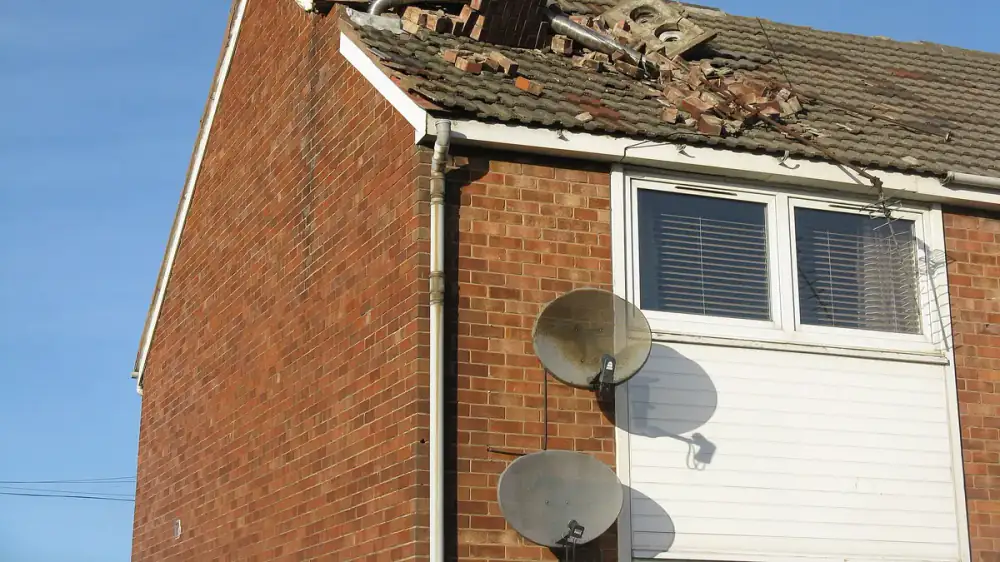
Chimney Storm Damage: What to Check
Storms dislodge caps, crack crowns, and lift flashing. Here's a ground-level, post-storm chimney check — what to look for, what to do, and when to call a pro.
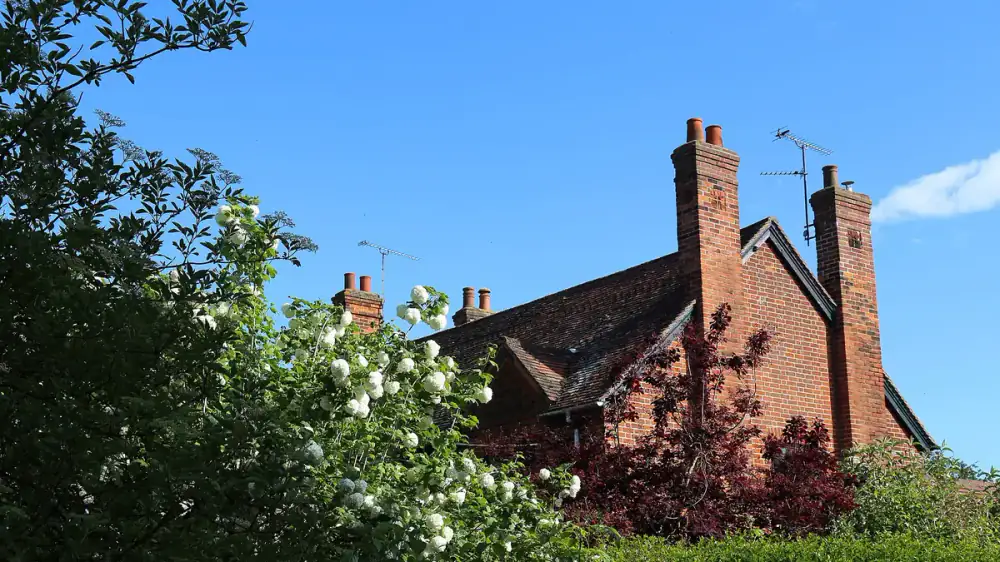
Seasonal Chimney Inspection From the Ground
A short binocular check each season catches most chimney trouble early. Here's what to look for from the ground, a simple cadence, and when to book a pro sweep.
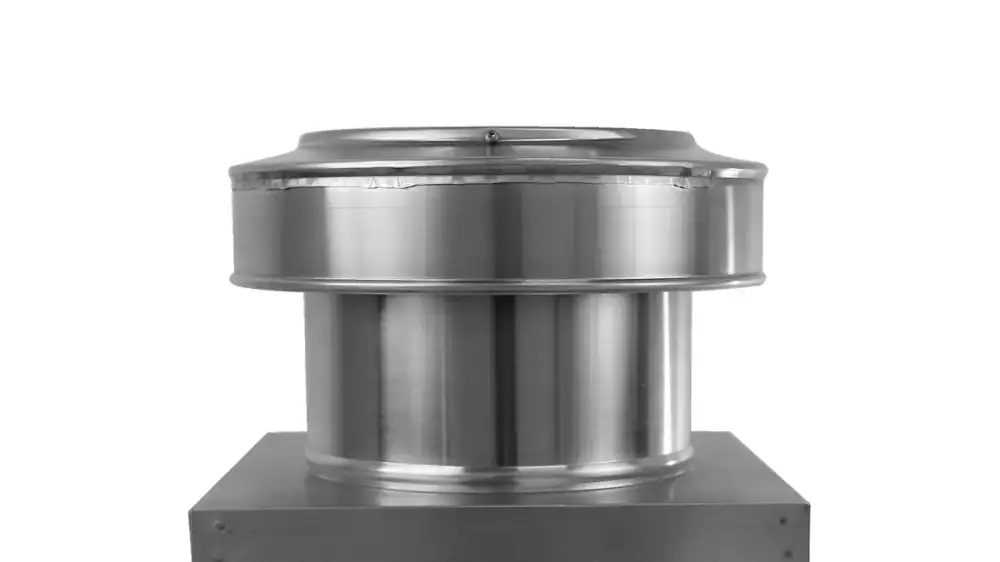
Roof Vents and Vent Covers Explained
Roof vents let the attic breathe, and their covers keep weather out while air keeps moving. Here are the common types, what covers do, and how to spot damage safely.