What Is a Chimney Chase Cover?
On a prefab chimney, the chase cover is the metal lid that keeps water out of the framed box. Here's what it does, how it fails, and how it differs from a masonry crown.

A chimney chase cover is the metal lid that sits on top of a prefabricated chimney's framed, sided box — the "chase." It sheds rain and snow off the top so water doesn't run down into the enclosure. Unlike a masonry crown, a chase cover is sheet metal, so its main enemy is rust, and a failed cover is one of the most common reasons water gets into a prefab chimney.
Say "chimney" and most people picture brick. But a great many homes vent a factory-built fireplace through something quite different: a tall, framed, sided box called a chase, built to look like a chimney and finished to match the house. That box is hollow, it carries a metal flue pipe up its middle, and like anything with an open top, it needs a lid. The lid is the chase cover — a part almost no one thinks about, because it lives out of sight at the very peak, right up until the day water starts coming in through it.
A metal lid on a hollow box
Picture the chase as a chimney-shaped enclosure of framing and siding with a flue pipe running up inside it. The chase cover caps that enclosure, folding over the top edges and fitting snugly around the pipe where it exits. A cover doing its job is sloped, so rain and snowmelt run toward the edges and drip clear, and it carries a raised collar around the flue opening so water can't pool and creep in at the pipe.
The simplest way to hold it in your head: it's a little metal roof for the chase. Small, easy to forget, and the only thing between the weather and the wood-framed cavity underneath. If you want the wider contrast between the two chimney families, masonry chimney vs prefab chase lays it out.
Not the same part as a crown
People swap the words "crown" and "chase cover" freely, and it rarely matters in conversation — until something leaks, at which point calling the part by its right name changes the whole repair. A crown is poured masonry. A chase cover is bent sheet metal. They do the same job at opposite ends of the material world, and they age and fail on completely different timelines.
| Feature | Chase cover | Chimney crown |
|---|---|---|
| Chimney type | Prefabricated (framed chase) | Masonry (brick or stone) |
| Material | Sheet metal | Concrete or masonry |
| Main failure mode | Rust and pooling water | Cracking and spalling |
| Typical fix | Replace with better metal | Repair or recast the masonry |
If your chimney is the masonry kind, the counterpart part is covered in what is a chimney crown.
The ways a chase cover gives out
Three things account for almost every failed cover, and they often work together.
Corrosion from the inside of the metal out
The headline problem is rust. Builders frequently use galvanized steel because it's inexpensive, but its zinc coating is a countdown, not a guarantee — once it wears thin, gets scratched, or simply ages out, the steel beneath begins to corrode. Rust starts as staining and ends as perforation, and a single pinhole is enough to give water a straight shot into the chase. This is why stainless steel and copper covers, which resist corrosion for far longer, are the usual choice when a cover is replaced.
Water that never leaves
A cover only sheds if water runs off it. Flat or poorly pitched covers let rain and snowmelt sit in the middle, and standing water is corrosion's best friend — it finds every seam and fastener and works on them around the clock. A cover that has begun to sag in the center, often from age or a thin gauge of metal, collects water in precisely the worst spot, which then accelerates the sag.
Edges that lift
Wind, thermal expansion, and time loosen the fasteners and seams around the perimeter. Once an edge lifts, wind-driven rain slips underneath and the cover stops shedding cleanly, even when the metal across the top is still sound. A cover can fail at its edges long before it fails at its face.
Catching it early from the yard
You don't climb anything to find most of this. Twice a year, and after rough weather, take binoculars to the ground or an upstairs window and look for rust streaks bleeding down the siding directly below the cover — usually the very first visible clue — along with a sagging or dented top that would hold water, edges that have lifted or separated from the chase, and any debris or standing water pooled on the surface.
Because the cover hides at the top, the sign a homeowner actually notices is often indoors: water stains near the fireplace, damp along the chimney wall, or water stains on the ceiling near an exterior wall. Those orange streaks on the siding are worth treating as a warning rather than a cosmetic nuisance — they mean water is already at the metal. For the fuller picture of entry points, see how water gets in around a chimney.
When patching stops being enough
A tempting shortcut is to caulk or paint over a rusting cover and hope, but once metal has perforated, sealant rarely holds for long, and you're buying months, not years. The durable answer is replacement in a corrosion-resistant metal — and that's real roof work. A professional measures the chase precisely, fabricates a cover with proper slope and a flue collar, and fits it so the edges seal. Cost turns on the size of the chase, the metal chosen, and the condition of whatever sits beneath, so an on-site assessment is the honest way to learn the scope. Even a good stainless replacement isn't the end of upkeep, either — no chimney part is truly maintenance-free, and the periodic ground-level glance still earns its keep.
That division of labor is the whole point: the looking is safely yours, from the ground, but the measuring, fabricating, and fitting all happen at the highest and least forgiving point of the house and belong to someone equipped to work there. Fold the cover into the broader seasonal chimney inspection routine, and after a serious storm run through chimney storm damage: what to check.
Common questions
What is a chimney chase cover made of?
Chase covers are typically formed from sheet metal — galvanized steel, stainless steel, aluminum, or copper. Galvanized steel is common but the most prone to rust over time. Stainless steel and copper resist corrosion far longer, which is why they are often chosen as replacements. The material affects how long the cover lasts, but the job is the same: shed water off the top of the chase.
How is a chase cover different from a chimney crown?
A crown is the sloped masonry or concrete surface poured on top of a brick or stone chimney. A chase cover is the metal lid on a prefab chimney's framed, sided box. They do the same job — keeping water off the top of the structure — but a crown is masonry and a chase cover is metal, so they fail in different ways and get repaired differently.
Why do chase covers rust?
Many chase covers are made of galvanized steel, which corrodes once its protective coating wears or is scratched. Flat or poorly sloped covers let water pool instead of draining, and standing water accelerates rust. Once rust perforates the metal, water runs straight into the chase — often long before anyone notices from the ground.
What are the signs of a failing chase cover?
From the ground with binoculars, look for rust staining running down the siding below the cover, a visibly dented or sagging top that holds water, or loose and lifting edges. Indoors, watch for water stains near the fireplace or on the ceiling around the chimney. Any of these suggests the cover is no longer shedding water the way it should.
Can I inspect a chase cover myself?
You can and should — but from the ground or an upstairs window using binoculars, not from the roof. Ground-level observation is safe and catches most early signs, like rust streaks or a sagging top. The actual measuring, repair, or replacement is roof-level work that belongs to a qualified professional.
Does a rusted chase cover need to be replaced or repaired?
Once a chase cover has rusted through, sealing rarely lasts, and replacement with a corrosion-resistant metal is usually the durable fix. A professional can measure the chase and fabricate a cover with proper slope and a raised collar around the flue. Because it involves roof access and precise sizing, this is not a homeowner project.
When should I call a professional about my chase cover?
Call a qualified chimney professional whenever your ground-level check shows rust streaks, a pooling or sagging top, lifting edges, or interior water stains near the chimney. Any inspection or work that requires getting on the roof should go to someone equipped for it, since the chimney is the highest and least forgiving point on the house.
Related guides
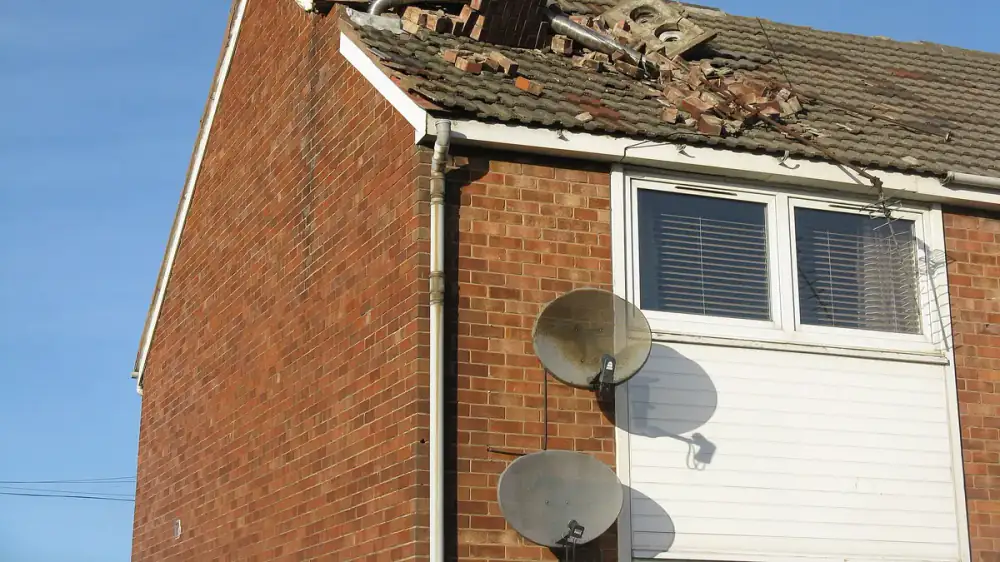
Chimney Storm Damage: What to Check
Storms dislodge caps, crack crowns, and lift flashing. Here's a ground-level, post-storm chimney check — what to look for, what to do, and when to call a pro.
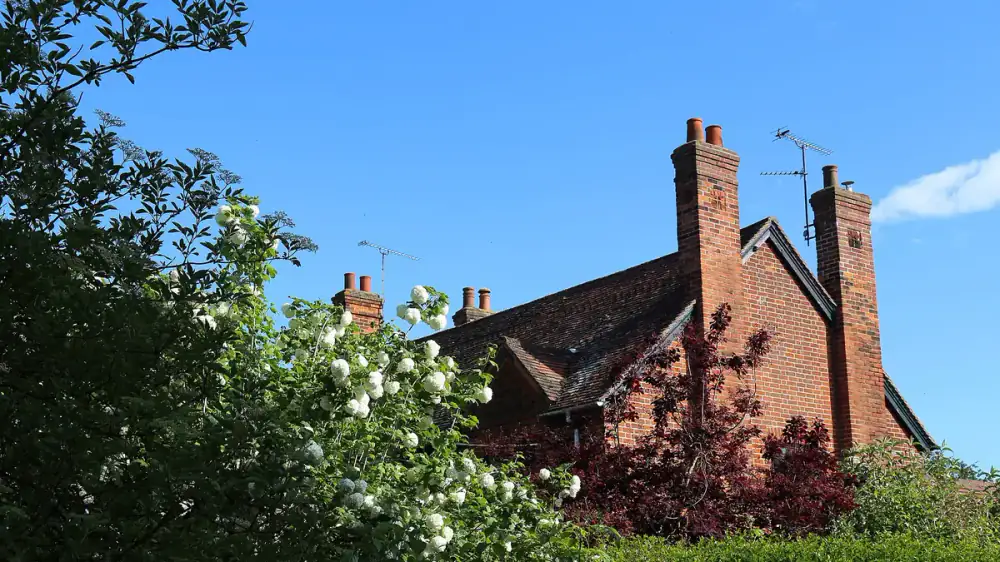
Seasonal Chimney Inspection From the Ground
A short binocular check each season catches most chimney trouble early. Here's what to look for from the ground, a simple cadence, and when to book a pro sweep.
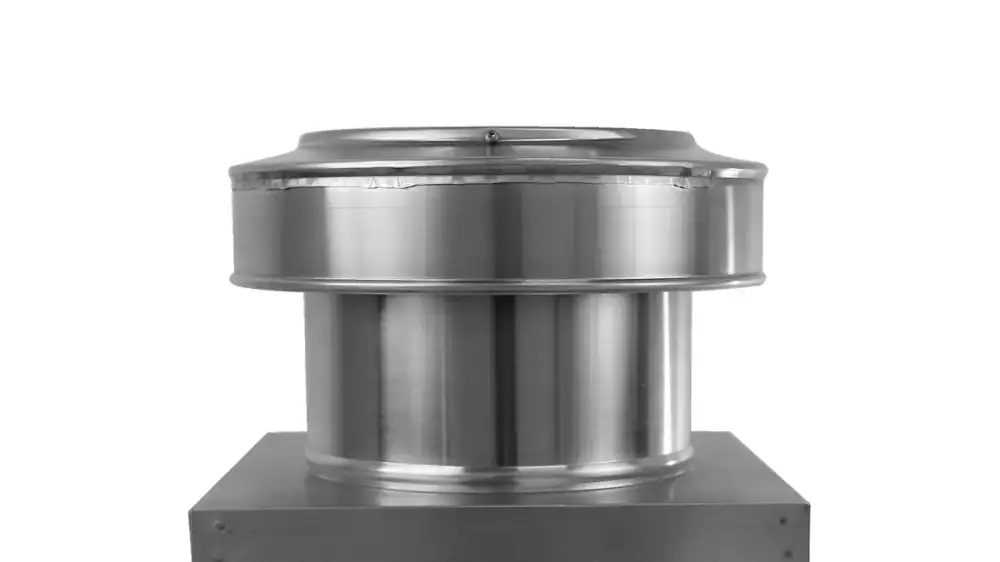
Roof Vents and Vent Covers Explained
Roof vents let the attic breathe, and their covers keep weather out while air keeps moving. Here are the common types, what covers do, and how to spot damage safely.