Asphalt Shingles: Care and Cleaning
Asphalt shingles are the most common US roof, but they're also the surface most often ruined by the wrong cleaning. Here's how to care for them — and why pressure washing is off the table.
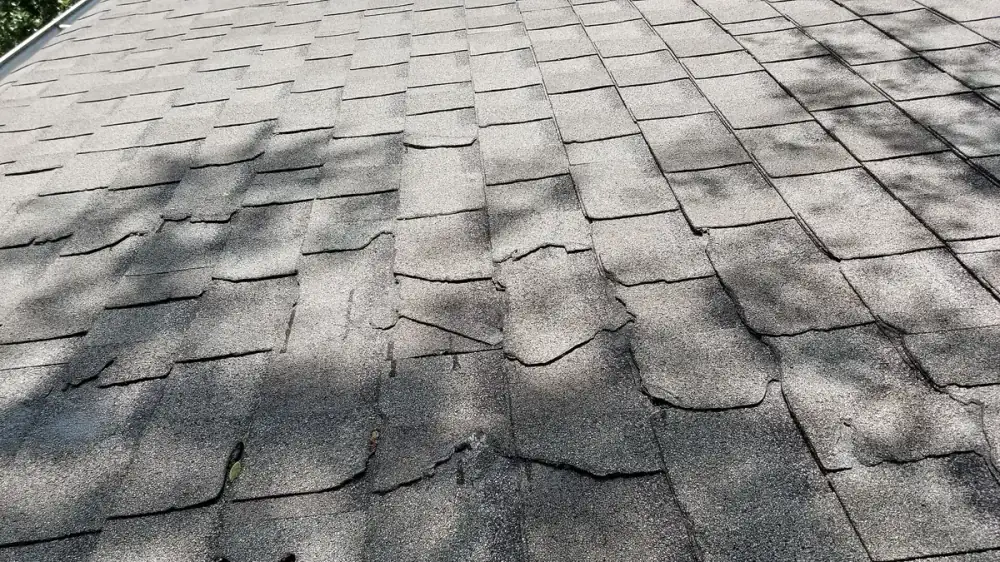
Asphalt shingles are protected by a layer of mineral granules, and caring for them is really about protecting those granules. Never pressure wash a shingle roof — it strips the granules and shortens its life. Black streaks and moss are treated by soft washing only, and because roof work is dangerous, cleaning and inspection are best left to professionals. Keeping the roof clear of debris, moss and overhanging branches does most of the preventive work.
More American homes wear asphalt shingles than any other roof, and more asphalt roofs are damaged by well-meant cleaning than by any storm. That paradox has a single explanation, and once you grasp it the whole subject simplifies: a shingle's weather protection is not the asphalt, it's the thin bonded layer of mineral granules riding on top of it. That crust deflects UV, sheds water, and hides the vulnerable asphalt mat underneath. Wear it away and the asphalt cooks, dries out, and fails fast.
So the guiding question for everything below is not "how clean can I get it?" but "am I protecting the granules?" Add the fact that you're standing on a steep, slick surface a full story or two up, and the second theme writes itself: the riskiest work here belongs to professionals, not to a Saturday and a ladder.
Everything traces back to the granule layer
Picture the shingle as a sandwich: an asphalt-saturated mat for waterproofing, and a coat of ceramic-coated mineral granules pressed into its surface. Those granules are sacrificial armor. They take the sun's punishment so the asphalt doesn't, and they give the roof its color and grit. A brand-new roof sheds a few loose ones; that's normal. What you're guarding against is accelerated loss — the kind that comes from being scrubbed, walked on, hailed, or blasted with a pressure washer.
This single idea reframes the classic complaints. The dark streaks running down so many roofs are algae, commonly Gloeocapsa magma, feeding on the limestone filler in the shingle. Early on it's cosmetic, but its mats hold moisture against the roof. Moss is the more serious cousin: it lifts and separates shingles, prying open the overlap and trapping water where it can reach the deck. Lichen grips the granule surface with genuine tenacity. And where leaves and needles pile in valleys and behind the chimney, that debris dams water and keeps the roof damp. Notice what these have in common — every one of them is a threat to the granules or to the water-shedding overlap they sit on.
Why the pressure washer is the one true "never"
Of all the surfaces you might point a pressure washer at, an asphalt roof is the worst. A shingle roof isn't waterproof; it's water-shedding, relying on gravity, overlap and flashing to move water down and off. A high-pressure stream defeats that in two ways at once. It forces water upward, under the shingles and past the overlap the whole system depends on, and it scours off the granule armor in sheets. You can take years off a roof in a single afternoon and see the damage only later, in bald patches and premature cracking.
The correct method has a name of its own: soft washing. An appropriate cleaning solution is applied at low pressure and rinsed gently, and the chemistry — not the force — kills the algae and moss. Dead moss is then left to dry and release rather than scraped, since scraping shreds the surface as surely as a wand would. For the science behind killing organic growth, removing algae from exterior walls covers the same chemistry, and our comparison of pressure washing versus soft washing shows just how far toward "gentle" shingles sit. Because even soft washing happens on a roof, it's best done by professionals with fall protection.
What a homeowner can safely do from the ground
You don't have to climb to protect a roof; most of the useful work is preventive and happens at ground level or from the gutters.
- Keep the roof clear. Have debris removed from valleys, behind the chimney, and out of the gutters, since anything that traps water works against the shingles.
- Watch the gutters for granules. A drift of granules in the trough is the roof telling you it's aging or wearing.
- Trim the trees back. More sunlight and less falling debris means less moss, less shade, and a roof that dries faster.
- Consider zinc or copper strips near the ridge; the metal ions that wash down slow future growth, though they won't clean off what's already there.
- Inspect after storms from below, or hire it out, looking for lifted, cracked or missing shingles.
The one thing to resist is walking the roof yourself. Foot traffic scuffs granules loose — worse in heat, when shingles soften, and in cold, when they turn brittle — and it is a genuine fall hazard. The view from a ladder or the ground, backed by binoculars, tells you almost everything you need.
Reading the roof's remaining life
Because there's no fixed expiry stamped on a shingle, you judge its condition by what the granule layer and the shingles themselves are doing.
| Sign | What it usually means |
|---|---|
| Black streaks | Algae growth — cosmetic early, holds moisture over time |
| Green cushions of moss | Moss lifting shingles and trapping water |
| Bare, dark patches | Granule loss — shingle losing weather protection |
| Granules in gutters | Shingle wear, aging or wash-off |
| Curling, cupping or cracked shingles | Aging or heat and moisture damage |
| Missing shingles or exposed nails | Storm or wind damage needing repair |
Streaking alone is mostly a looks problem. Widespread granule loss, curling, and missing shingles are the roof approaching the end of its service, and they're a cue for a professional's opinion rather than a cleaning. In the middle of the roofing durability range — well short of metal or slate but affordable and dependable — asphalt lasts almost exactly as long as its granules do. A roof kept clear, never pressure washed, and out from under heavy shade ages gracefully; one that's scrubbed, walked, and left to grow moss wears out early. Think of shingle life not as a number of years but as a direct readout of granule condition and how well moisture is managed.
Related guides
- Pressure washing vs. soft washing
- How to remove algae from exterior walls
- Moss growing on the roof
- Metal roof edges and drip edge
- What is a drip edge and why it matters
Questions homeowners ask
Can I pressure wash asphalt shingles?
No. Pressure washing strips the protective granules off the shingles, drives water under them, and dramatically shortens the roof's life — it's one of the most damaging things you can do to a shingle roof. Asphalt shingles must be soft washed only, with a gentle cleaning solution and a low-pressure rinse. Because it's roof work, it's also a job best left to professionals. See pressure washing vs. soft washing.
What are the black streaks on my roof?
Those dark streaks are almost always a type of algae (commonly Gloeocapsa magma) that feeds on the limestone filler in shingles. It's mostly cosmetic at first but holds moisture against the roof over time. It's treated by soft washing with an appropriate cleaning solution, not by scrubbing or pressure. Our algae guide covers the chemistry involved.
How do I get moss off my roof?
Moss is more damaging than algae because it lifts and separates shingles and holds water. It's removed by applying a moss-killing solution and letting it die back, then gently removing the loosened moss — never by pressure washing or aggressive scraping, which tears up the shingles. Because it involves working on a roof, this is generally professional work. Zinc or copper strips near the ridge can slow regrowth.
Why is my roof losing granules?
Some granule loss is normal, especially on a new roof and with age. Accelerated loss comes from foot traffic, pressure washing, hail, and general weathering as the shingle ages. Granules in the gutters and bare, dark patches on the shingles are the visible signs. Heavy granule loss means the shingle is losing its UV and weather protection and nearing the end of its life.
Can walking on my roof damage the shingles?
Yes, especially in hot weather when shingles are soft, or in cold when they're brittle. Foot traffic scuffs off granules and can crack shingles. It's also a fall hazard. This is a big reason roof cleaning and inspection are best done by professionals with the right equipment rather than by walking the roof yourself.
Do zinc or copper strips really prevent roof algae?
They help. Metal ions washing down from zinc or copper strips installed near the ridge make the roof less hospitable to algae and moss over time. They slow regrowth rather than removing existing growth, and coverage fades farther down the roof. They're a preventive measure, not a substitute for cleaning an already-stained roof.
Related guides
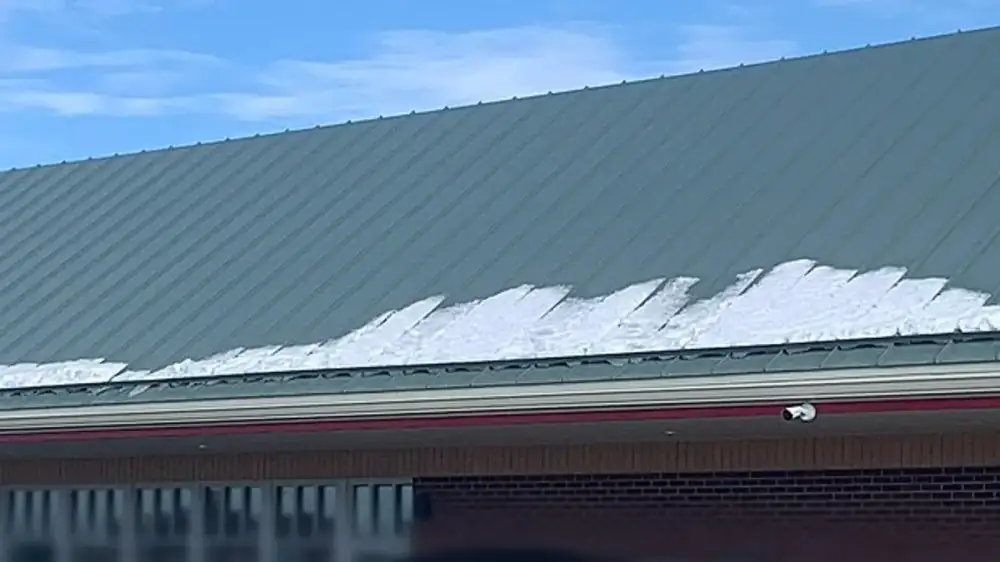
Metal Roof Edges and Drip Edge
Drip edge and metal roof-edge trim quietly protect the fascia, decking and gutters. Here's what they do and how to keep them working.
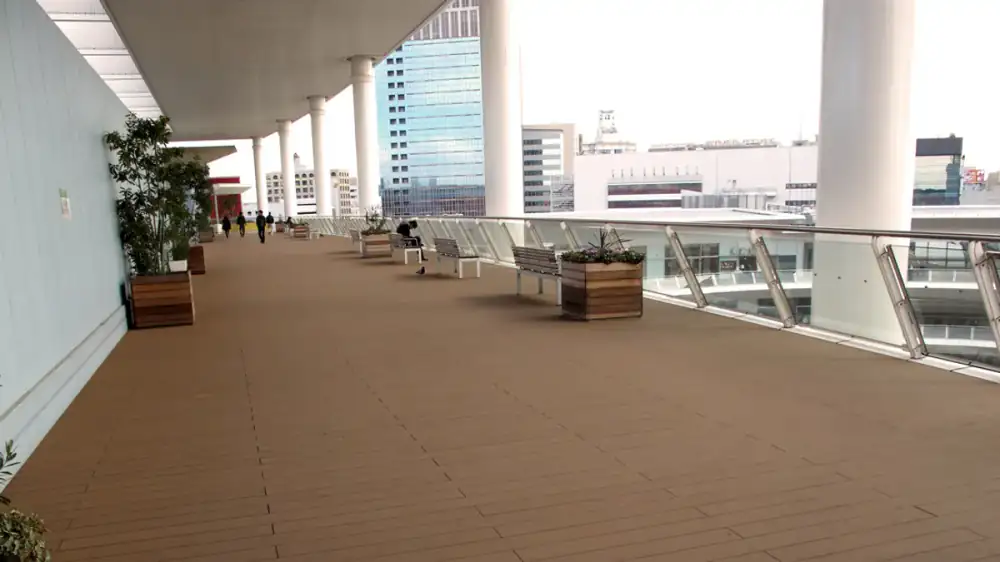
Composite Decking: Care and Cleaning
Composite decking is low-maintenance, not no-maintenance. Here's how to clean it, remove stains and avoid damaging the boards.
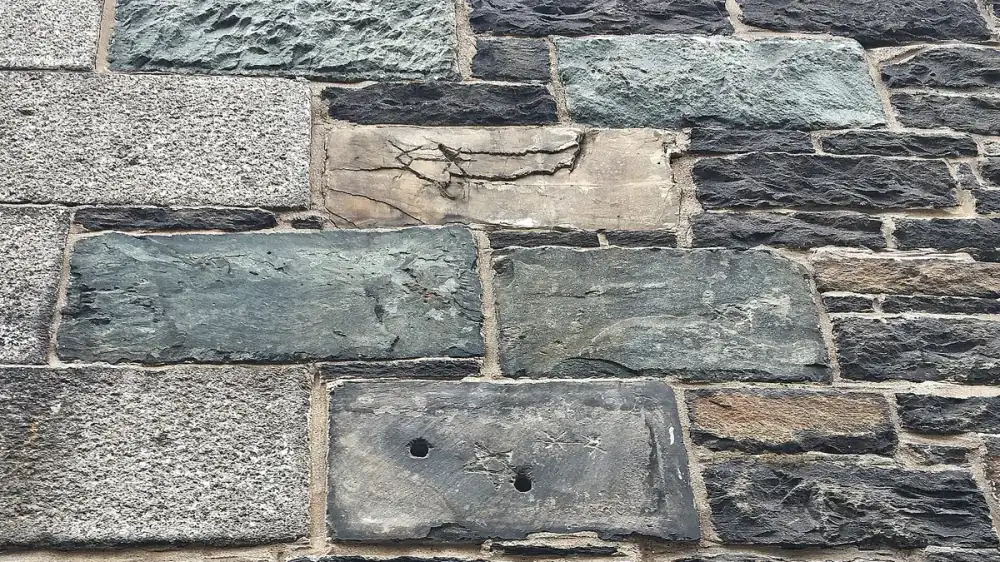
Natural Stone: Exterior Care and Cleaning
Natural stone is the most durable exterior surface, but some stones etch or stain easily. Here's how to clean and care for it safely.