Choosing Wood Species for Outdoor Use
Not all wood is equally suited to living outside. Some species carry natural defenses against rot and insects; others rely entirely on a finish to survive. Choosing well up front saves years of upkeep — and choosing badly can't be fixed with paint.
Outdoor wood durability starts with the species. Some woods — cedar and redwood chief among the common choices — carry natural rot and insect resistance in their heartwood and can survive, even weather gracefully, with modest care. Others rely almost entirely on a finish and on staying dry. That resistance lives in the heartwood, not the paler sapwood, and no species is immune to moisture: wood that can't dry between wettings rots regardless. Choosing a durable species up front is more effective than any amount of maintenance later.
Wood is the most variable material a house can wear. Two boards can look nearly identical and behave completely differently outdoors — one shrugging off decades of weather, the other rotting in a few damp seasons. The difference is species, and within a species, which part of the tree the board came from. It's the one exterior decision where the material choice genuinely can't be corrected later: you can repaint a poor finish, but you can't paint rot resistance into a wood that doesn't have it. Getting the species right at the start is the highest-leverage move in exterior woodwork.
Some woods come with their own defenses
The fundamental split among outdoor woods is between species with natural durability and species without it. Naturally durable woods produce compounds in their heartwood that resist the fungi that cause rot and the insects that attack timber. This isn't something added; it's part of what the tree grew. Cedar and redwood are the best-known examples for siding, shingles and trim — lightweight, dimensionally well-behaved, and able to survive outdoors on their own merits far better than ordinary lumber. Certain dense tropical hardwoods take natural durability even further, at the cost of weight, workability and price.
Non-durable species — many common softwoods and utility woods — have little of this built-in protection. Left exposed to moisture, they rot readily. That doesn't make them useless outdoors, but it does make them entirely dependent on staying dry or being protected, which is a very different maintenance proposition. When you choose a durable species, you're buying forgiveness: the wood tolerates the lapses and wet spots that are inevitable over a building's life. When you choose a non-durable one, you're committing to keeping it dry and finished, without much margin for error.
The heartwood catch
There's a crucial detail hiding inside "cedar" or "redwood" on a label: natural durability lives in the heartwood, the older, denser wood from the center of the tree. The paler sapwood — the younger wood nearer the bark — carries little of that protection even in a durable species, and behaves much more like ordinary, non-durable wood.
This is why not all cedar is equal. A board that's mostly heartwood brings the rot resistance the species is famous for; a board heavy with sapwood does not, regardless of what it's called. When durability matters, heartwood content is a real quality distinction worth understanding, not a technicality. It's one of those places where the name of the material tells you less than the specifics behind it — the same way a coating's real durability comes down to the details rather than the label, a point we make in how paint and finish drive durability.
Species sets the baseline, moisture decides the outcome
Even the most durable wood has a master, and that master is moisture. Rot is a biological process that needs water; wood that stays dry, or that gets wet and then dries, resists it, while wood that stays wet eventually rots no matter how durable the species. Natural resistance raises the threshold — a durable wood tolerates more dampness for longer before trouble starts — but it doesn't remove the threshold.
This is why the same wood can be perfectly sound on one part of a house and failing on another. The well-exposed, well-drained faces that dry quickly stay fine; the shaded north walls, the splash zones near grade, the spots under failed flashing, and the joints where water collects and lingers are where even good wood struggles. Species is the baseline; local moisture conditions determine whether that baseline is enough. Choosing a durable wood and then putting it somewhere it can never dry is spending money to slow an outcome you've guaranteed. The way exposure concentrates wear in specific spots is a pattern worth recognizing across every material, explored in how UV and sun age exterior materials.
To finish or to weather
Naturally durable species give you a choice that non-durable ones don't: whether to finish the wood at all. Left unfinished and able to dry, cedar and redwood weather to a soft, even silver-grey as sunlight breaks down the surface and rain washes it. In the right climate that greyed surface is effectively a stable, protective patina, and plenty of homeowners choose it deliberately for the look and the freedom from a finish cycle. This is one of the real perks of a durable species — the option to let it age honestly rather than committing to recoating.
Finishing still has its place. In harsh exposures a coating slows surface weathering, and for anyone who wants a specific color rather than natural grey, a finish is the only way to get it. But the important thing is that with a durable species, the finish is a choice, not a life-support system. With a non-durable species, the finish is the wood's survival — the coating and staying dry are the only things standing between it and rot, so a single neglected breach can start the decline. That dependence is exactly the vulnerability we describe in painted wood, where the paint that protects the wood becomes a liability the moment it fails.
Treated wood plays a different position
Pressure-treated wood deserves its own mention, because it achieves durability by a completely different route: preservatives are forced into a wood that isn't naturally resistant. This works well for the jobs treated wood is chosen for — ground contact, framing, structural roles where value and rot resistance matter more than appearance. But treated wood tends to move, check and shift as it dries, and its chemistry can be aggressive toward the wrong fasteners, which makes fastener selection more than an afterthought — a subject in its own right in galvanized vs stainless fasteners outdoors.
The practical takeaway is that treated wood and naturally durable species solve different problems. For visible siding, shingles and trim where looks matter and moisture management is good, naturally durable species usually win. For structure and ground contact, treatment earns its keep. Choosing between them is really about the role the wood is playing, not about which is "better" in the abstract.
Choose the species, then respect the conditions
Wood outdoors rewards a decision made in the right order. First, pick a species suited to the job and the exposure — favoring natural durability, and real heartwood content, wherever the wood will be visible and exposed. Then put it where it can dry, keep water off it and out of its joints, and give it whatever finish the look and exposure call for. Do that, and even a demanding material like wood can last a long time and age beautifully.
The mistake to avoid is inverting the order: choosing a wood for price or appearance alone, ignoring how the tree's own defenses (or lack of them) fit the location, and then trying to maintain your way out of a bad match. Maintenance can extend good wood; it can't rescue the wrong wood in the wrong place. For where wood sits among exterior materials on the effort scale, see the truth about low-maintenance materials — and for the natural, low-fuss end of wood done right, cedar shakes and shingles is a good illustration of a durable species doing what it does best.
Common questions
Which woods are naturally rot-resistant for outdoor use?
Several species carry natural durability in their heartwood — cedar and redwood are the best-known choices for siding and shingles, prized for resisting rot and insects without relying on treatment. Certain dense tropical hardwoods are exceptionally durable but heavier and pricier. The key detail is that this resistance lives in the heartwood; the paler sapwood of even a durable species is far less protected. Species matters, but so does which part of the tree you're getting.
Does a naturally durable wood still need a finish?
It depends on the look you want and the exposure. Naturally durable species can be left to weather to a silver-grey and survive without a finish in the right conditions, which is a genuine advantage. But finishing still helps in harsh exposures, controls the color, and slows surface weathering. Natural resistance buys you options and forgiveness — it doesn't make the wood immune, and it doesn't mean a finish is pointless.
Is pressure-treated wood as good as naturally durable species?
It's durable in a different way. Treatment forces preservatives into wood that isn't naturally rot-resistant, which works well for ground contact and framing. But treated wood is typically chosen for structure and value rather than appearance, tends to move and check as it dries, and its chemistry affects fastener choice. For visible siding and trim where looks matter, naturally durable species are often preferred; for structural and ground-contact roles, treated wood earns its place.
Why does the same wood rot on one part of my house and not another?
Because rot is driven by moisture, and exposure varies across a house. Wood that can dry between wettings stays sound; wood that stays wet rots regardless of species. Shaded north faces, splash zones near grade, spots under failed flashing, and joints where water sits are where even durable wood struggles. Species sets the baseline resistance, but the local moisture conditions decide whether that resistance is enough.
Does heartwood really matter that much?
Yes. The natural rot resistance of durable species lives in the heartwood — the older, denser wood from the center of the tree. The paler sapwood, even from the same durable species, lacks most of that protection and behaves more like an ordinary, non-durable wood. So 'cedar' or 'redwood' on a label isn't the whole story; heartwood content is a real quality difference that affects how the wood holds up outdoors.
Can I make a non-durable wood last outdoors with enough maintenance?
To a degree, but you're signing up for vigilance. A non-durable species relies almost entirely on its finish and on staying dry, so it survives only as long as the coating stays intact and water is kept off it. That's workable but demanding — one neglected breach and rot can start. A naturally durable species is far more forgiving of the inevitable lapses, which is why species choice up front usually beats maintenance heroics later.
Related reading
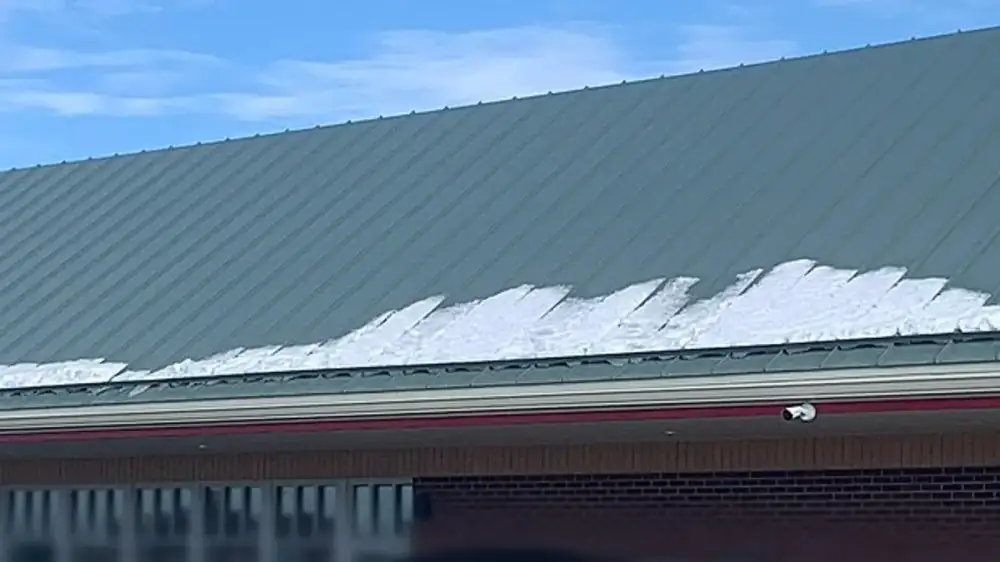
Metal Roof Edges and Drip Edge
Drip edge and metal roof-edge trim quietly protect the fascia, decking and gutters. Here's what they do and how to keep them working.
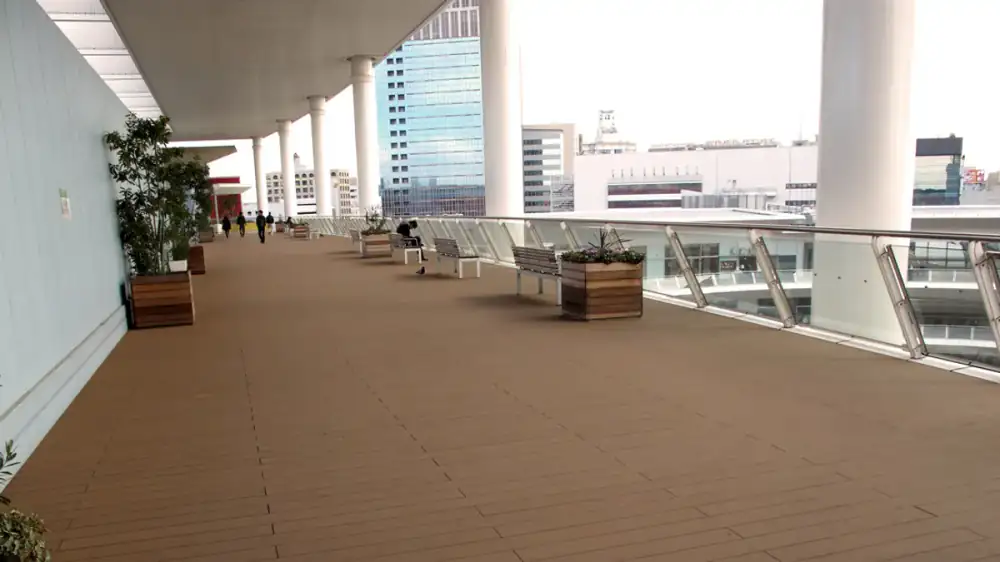
Composite Decking: Care and Cleaning
Composite decking is low-maintenance, not no-maintenance. Here's how to clean it, remove stains and avoid damaging the boards.
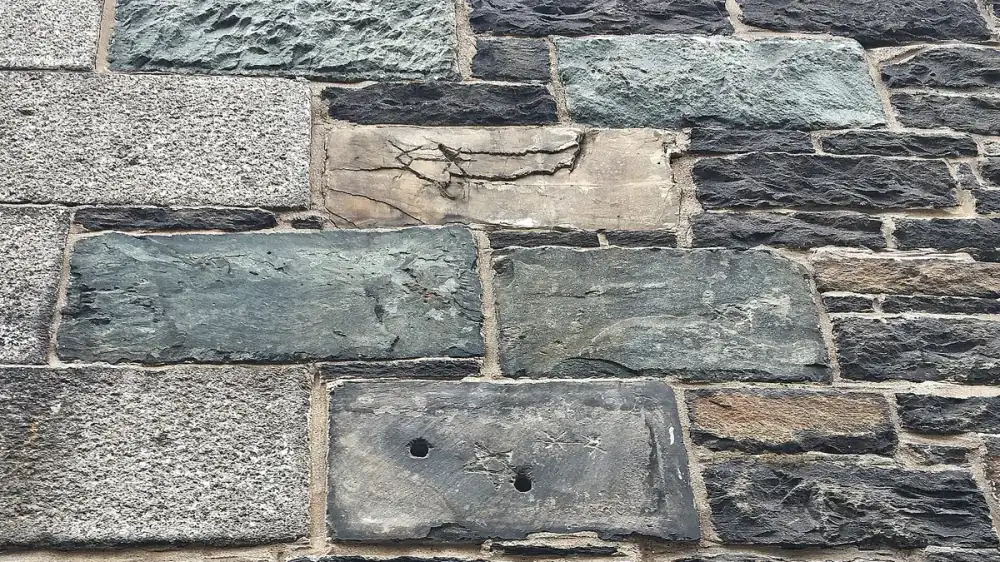
Natural Stone: Exterior Care and Cleaning
Natural stone is the most durable exterior surface, but some stones etch or stain easily. Here's how to clean and care for it safely.