Clay and Concrete Roof Tiles
Clay and concrete tiles are among the longest-lived roofing materials, but the tiles are more fragile underfoot than they look and the system relies on what's underneath. Here's how to care for a tile roof safely.
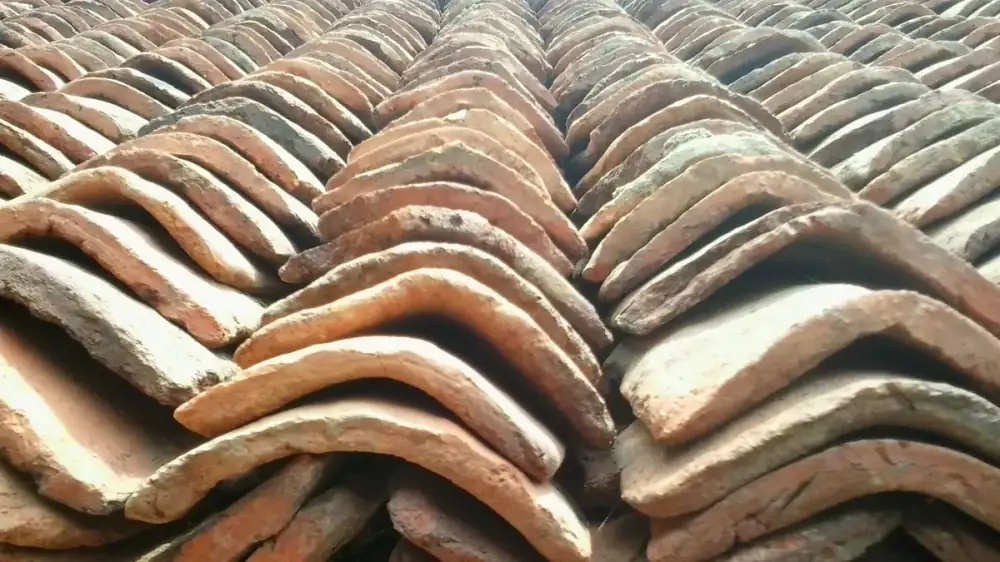
Clay and concrete roof tiles are among the longest-lived roofing materials, but the tiles are brittle underfoot and the roof relies on the underlayment, flashing and fasteners beneath them. Keep tiles clear of moss and debris, treat high pressure and foot traffic as things to avoid, and hand cleaning and repairs to professionals. On a tile roof, what fails first is almost never the tile.
A tile roof can quietly outlast the family that installed it. Fired clay and cast concrete ignore sun, fire and driving rain for decades, and terracotta in particular barely fades over a lifetime. If you judge a roof by how tough its surface looks, tile wins easily. The problem is that "the surface looks tough" leads homeowners to exactly the two mistakes that damage a tile roof most.
The two things people get wrong about tile
The first is treating the tiles as if they can be walked on freely. They can't. A tile is strong across its face, where it is bedded and supported, but it snaps under a concentrated point load — a heel, a knee, a dropped tool. Clay and older concrete tiles are the most brittle, and a single cracked tile is not a cosmetic problem: it opens a path for water to reach everything below.
The second mistake is imagining the tile is the whole roof. It isn't. A tile roof is a layered system, and the tiles are only the visible, weather-shedding top of it. Underneath sit the underlayment, flashing, fasteners, battens and ridge bedding — and those are what actually keep the house dry. Hold both ideas at once and tile care starts to make sense.
Clay or concrete — same logic, different weak point
Both materials ask for the same treatment, but they protect themselves differently, which is worth knowing before you clean.
| Clay tiles | Concrete tiles | |
|---|---|---|
| How it resists water | Density of the fired body | An applied surface coating |
| Color | Fired-in, very stable | Surface-coated, fades over time |
| Main cleaning risk | Cracking from impact and traffic | Stripping the sealed face, plus cracking |
| Ages by | Slow, minimal change | Losing surface color and protection |
The practical difference: a concrete tile's protection lives on its face, so anything abrasive or high-pressure strips the very layer doing the work and speeds up future staining. Clay leans on the hardness of the fired clay itself. Either way, gentleness wins.
What settles on a large shaded surface
A roof is a big, mostly shaded, permanently exposed plane, so it collects a predictable cast of characters. Dark streaking is nearly always algae — the common black-streak organism feeding on airborne grime and staying damp. Moss forms thick green cushions in shaded courses and holds water against the tile, which is the real harm. Lichen bonds tight and crusty and resists removal. On concrete tiles you'll also see white, chalky efflorescence, minerals migrating out as the tile weathers, and a gradual fading of the applied color.
None of that is automatically structural. But every one of them is a sign the surface is staying wet, and a roof that stays wet is a roof that grows more of the same. The fix is matched to the cause: organic growth responds to a roofing-safe solution and a gentle rinse, while efflorescence and fading are surface-condition issues tied to how the tile ages.
Why blasting a tile roof backfires
There is a strong temptation to point a pressure washer at a mossy roof and be done in an afternoon. On tile it trades a cosmetic problem for a structural one. High pressure cracks tiles, strips a concrete tile's sealed face, and — most damaging — forces water up and under the courses, past the underlayment that is supposed to be the last line of defense against a leak.
Remember that a tile roof is not a sealed membrane. Wind-driven rain and snowmelt already get under the tiles in normal weather; the underlayment beneath handles that. Drive extra water under there with a wand and you are attacking the one layer you can't see and can't easily replace. Where cleaning is genuinely warranted, a tile roof should be soft washed: a roofing-appropriate solution, dwell time, and a controlled, gentle rinse with volume rather than force. Our overview of pressure washing versus soft washing explains the trade-off in general terms.
Just as important, cleaning a roof means walking a fragile surface at height. Between the fall risk and the cracking risk, roof-level tile cleaning is specialized work — hand it to a roofer with proper access and technique rather than improvising with a ladder and a hose.
What you can safely do from the ground
Plenty of useful care never requires setting foot on the tiles. Keep valleys and gutters clear so water drains instead of backing up under the courses. Watch for slipped or cracked tiles and have them reset or replaced before the next heavy rain finds the gap. Clear moss early, before mats hold water into the courses. Trim overhanging branches that shade the roof and drop debris.
Two longer-range habits matter too. Inspect flashing and ridge bedding when you can see it — mortar and metal age faster than the tiles. And plan, mentally and financially, for the underlayment: expect the hidden layers to need renewal within the tiles' lifespan, often with the original tiles lifted, set aside, and relaid over fresh underlayment. That single fact explains why a "60-year roof" still needs work at 25 or 30.
Reading the roof for real trouble
From the ground or during a professional inspection, a few signs separate normal wear from a system starting to fail:
- Cracked or chipped tiles — impact, foot traffic or freeze-thaw stress. One here and there is normal and fixable.
- Slipped or displaced tiles — corroded fasteners or failed battens beneath.
- Thick moss cushions or crusty lichen — chronic damp and shade, growth bonded to the surface.
- Crumbling ridge mortar — bedding that needs repointing before tiles loosen.
- Interior stains or damp — the serious one: water is already past the tiles, usually through failed underlayment or flashing.
Isolated cracks and a bit of moss are routine. Widespread cracking, sagging areas, failing flashing, or any interior water staining point past the tiles to the system beneath and deserve prompt professional evaluation. On a tile roof, the tiles are the part you can count on. It's everything they're protecting that decides how long the roof really lasts.
Related guides
- Pressure washing vs. soft washing
- Asphalt shingles: exterior care and cleaning
- Concrete: exterior care and cleaning
- What is a drip edge and why it matters
- Metal roof edges: exterior care and cleaning
Answers to common questions
Can I pressure wash a tile roof?
It is done, but carefully and rarely by homeowners. High pressure can crack tiles, blast off the protective surface layer of concrete tiles, and force water under the tiles and past the underlayment. On concrete tiles especially, aggressive washing strips the sealed face and speeds future staining. Most tile roofs are better soft washed with a suitable solution and a gentle rinse — and because it is roof work, it belongs to professionals.
How do I remove moss and algae from roof tiles?
Apply a cleaning solution suited to roofing and organic growth, let it dwell, and rinse gently — never scrape or blast dry moss, which cracks tiles and drives water under them. Improving sun exposure and clearing debris slows regrowth. Because it involves walking a fragile, height-exposed surface, moss removal on a tile roof is a job to hand to professionals.
Why are my roof tiles staining and darkening?
Dark streaking is usually algae, especially the common black-streak organism, feeding on airborne grime and staying damp. White chalky patches on concrete tiles can be efflorescence — minerals migrating out as the tile cures and weathers. Neither is necessarily structural, but both signal that the surface stays wet, which is worth addressing at the source.
Can you walk on clay or concrete roof tiles?
Only with great care and the right technique, which is why it is best left to professionals. Tiles crack under concentrated weight, particularly clay and older concrete, and a cracked tile lets water reach the underlayment. Roofers know where a tile is supported and how to distribute weight; a homeowner walking a tile roof usually leaves broken tiles behind.
How long do tile roofs last?
Clay and concrete tiles are among the longest-lived roofing materials, often outlasting the layers beneath them. The catch is that the underlayment, flashing and fasteners age faster than the tiles, so a tile roof frequently needs those components renewed while the original tiles are set aside and relaid. The tile itself is rarely the limiting factor.
Should I seal concrete roof tiles?
Concrete tiles are sometimes resealed to restore surface protection and color after cleaning, since their factory finish weathers over time. It can help, but it must be a breathable, roofing-appropriate product applied to a clean, sound roof, and it is not a fix for underlying leaks. Because it is roof work with real fall and product-choice risks, treat it as a professional job.
What causes cracked or slipped tiles?
Foot traffic, impact from debris, freeze-thaw stress and simple age all crack tiles, while corroded fasteners and failed battens let tiles slip out of position. A single cracked or slipped tile is a common, fixable problem — but left alone it exposes the underlayment to water, so it is worth addressing before the next heavy rain.
You might also like
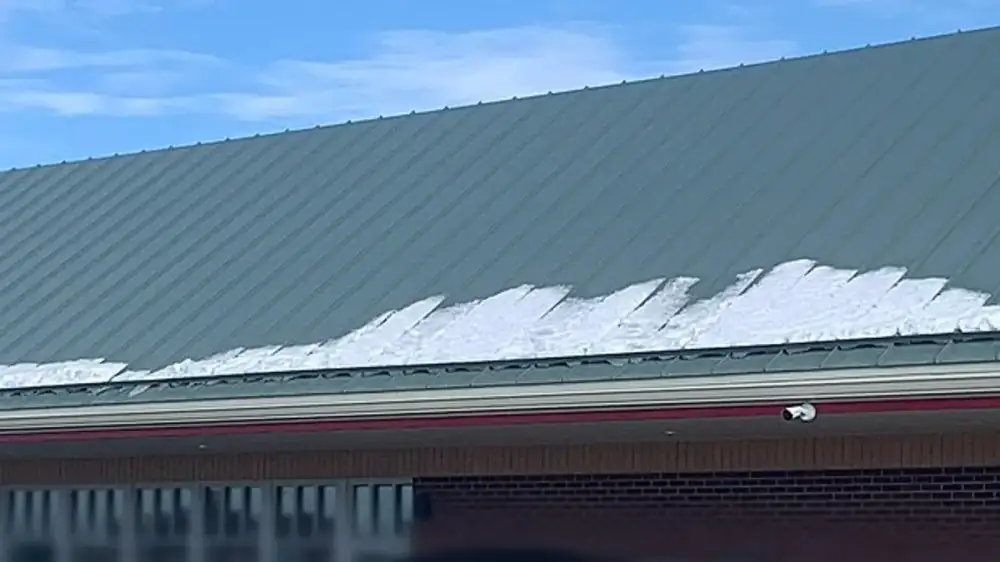
Metal Roof Edges and Drip Edge
Drip edge and metal roof-edge trim quietly protect the fascia, decking and gutters. Here's what they do and how to keep them working.
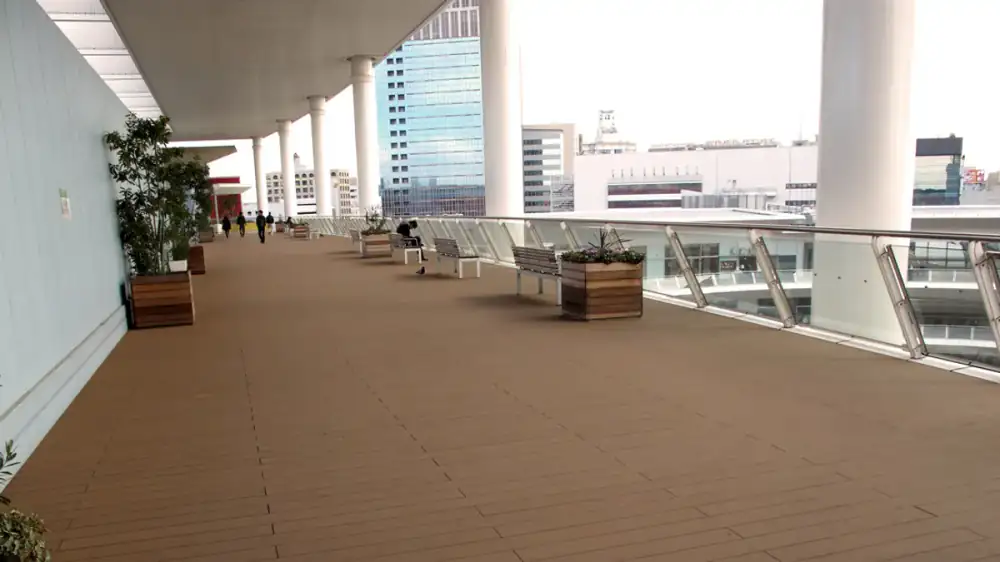
Composite Decking: Care and Cleaning
Composite decking is low-maintenance, not no-maintenance. Here's how to clean it, remove stains and avoid damaging the boards.
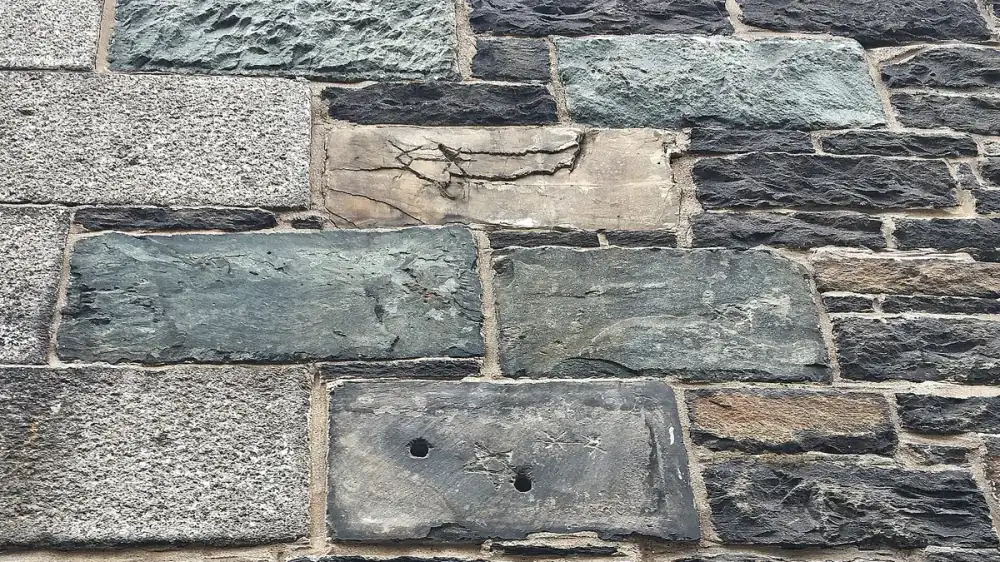
Natural Stone: Exterior Care and Cleaning
Natural stone is the most durable exterior surface, but some stones etch or stain easily. Here's how to clean and care for it safely.