Concrete: Exterior Care and Cleaning
Concrete looks bulletproof, but it's porous, it stains easily, and aggressive cleaning can etch and pit the surface. Here's how to clean and care for exterior concrete the right way.
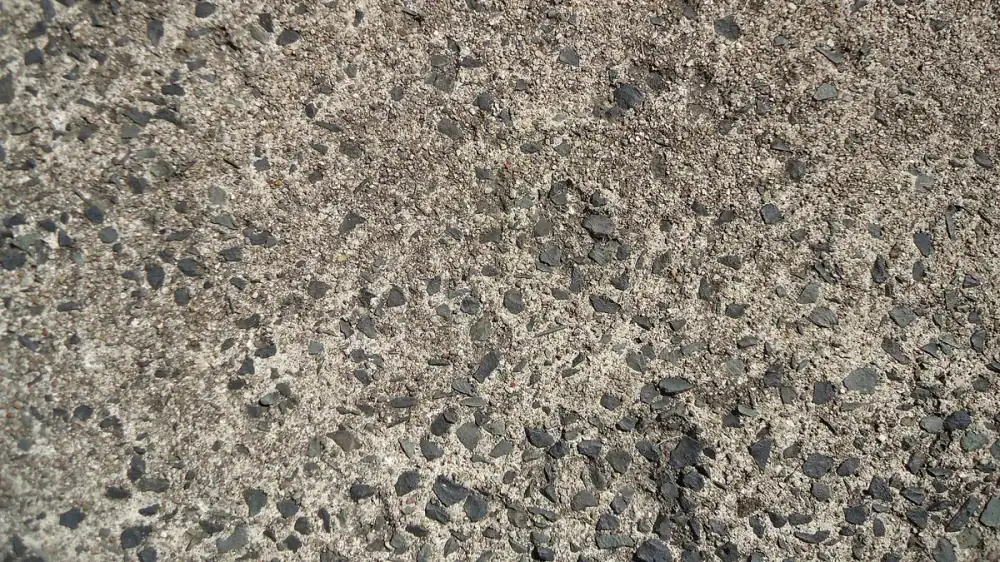
Concrete is durable and among the most pressure-washing-tolerant exterior surfaces, but it's porous and stains easily, and aggressive cleaning can etch or pit it. Let a degreaser or concrete cleaner do the heavy lifting, use a wide fan tip kept moving if you pressure wash, and consider sealing driveways and patios to cut down on future staining. Most concrete failures come down to water and de-icing salt, not dirt.
Concrete has a reputation problem that works against the people who own it: it looks indestructible. It's hard, it's heavy, it's under the car and beneath your feet everywhere around the house, and it shrugs off things that would ruin most materials. So it gets treated as if it can't be hurt — which is exactly how it gets hurt. The truth beneath the surface, quite literally, is that concrete is porous. It drinks in oil, water and stains, and the same slab that ignores a truck tire can be etched by a pressure washer or scaled apart by a hard winter.
Good concrete care follows from accepting that porosity. It isn't about scrubbing harder. It's about letting chemistry lift what's soaked in, keeping water and salt from doing their slow damage, and knowing when a sealer is worth the trouble.
Hard on top, thirsty underneath
Almost everything that goes wrong with exterior concrete traces back to one fact: it absorbs. That's why a driveway shows every drop of oil, why a shaded walkway greens over with algae, and why a slab in a freezing climate flakes at the surface. The stain you see is grime that has wicked into the pores; it isn't sitting on top waiting to be blasted off.
Concrete turns up in a lot of forms — poured driveways and garage aprons soaking up automotive fluids, walkways and patios and pool decks taking sun and standing water, steps and porches wearing at the edges, foundation and retaining walls in constant contact with soil moisture, and decorative or stamped finishes with a more delicate surface. Poured slabs, precast pavers and stamped concrete behave a little differently in the details, but they share that same porous, stain-prone nature, and it drives how you clean all of them.
Let chemistry do the lifting
Because stains live in the pores, force alone is the wrong tool — it spreads oil around and abrades the surface without pulling the stain out. The reliable approach matches a cleaner to the stain and gives it time to work:
- Clear and sweep the surface, and if a stain is fresh, pre-treat oil with a dry absorbent like cat litter to pull up what hasn't soaked in yet.
- Apply the right cleaner — a concrete degreaser for oil and grease, a mild masonry cleaner for general grime and efflorescence, an organic-growth cleaner or diluted bleach for algae and mildew.
- Let it dwell per the label, keeping the surface wet so the cleaner doesn't dry and streak.
- Agitate stubborn spots with a stiff brush.
- Rinse thoroughly, and only then reach for a pressure washer if one is needed.
Deep, old oil stains are their own patient project: repeated degreaser applications, or a poultice that draws the oil back out over hours. Always test a cleaner in a hidden spot, protect nearby plants and metal, and mind where the runoff goes. The full method lives in how to clean concrete without damaging it, and green growth is covered in removing algae from exterior walls.
The pressure washer paradox
Concrete is genuinely one of the best surfaces for a pressure washer — hard, durable, forgiving in a way siding and wood are not. That's precisely why driveways and patios are the classic pressure-washing job, and why people get overconfident. Forgiving is not invincible. A narrow, high-pressure tip held close will etch lines into the surface, pit the finish and leave a striped "cleaning path" that becomes glaringly obvious once the slab dries. On stamped, decorative or older concrete, that risk climbs.
The safe way is a wide fan tip, held back from the surface, kept moving, with passes overlapped evenly so there are no seams — and letting a degreaser handle oil instead of trying to blast it out. Our comparison of pressure washing versus soft washing puts concrete in context alongside the more delicate materials on the house.
Water and salt do the real damage
Dirt is a cosmetic nuisance. Water and de-icing salt are what actually shorten a slab's life. Water soaks into the pores, and in cold climates that trapped water freezes, expands and drives spalling and scaling — the surface flaking that wrecks driveways and steps. De-icing salts accelerate the whole process. Standing water is the long-term enemy: slabs that don't drain, downspouts that dump onto concrete, and low spots that pond all wear a surface out from within.
This is why drainage and sealing matter more to concrete's longevity than any cleaning routine. Keep runoff, downspouts and sprinklers from pooling on the slab. In cold climates, minimize de-icing salt and rinse off what you must use. Fill and seal small cracks before water gets in, freezes and widens them. And clean stains before they set, because fresh oil and organic marks lift far more easily than aged ones.
When a sealer earns its keep
Sealing isn't automatic, but on driveways, patios and decorative concrete it usually pays for itself. A good sealer reduces staining, resists water intrusion, and helps a slab survive freeze-thaw climates. The trade-offs are real: sealers wear and need periodic reapplication, and some change the look or make the surface slicker underfoot. Clean and fully dry the concrete first, choose a product matched to the exposure, and reapply as it wears rather than waiting for it to fail completely.
Cracks and flaking worth a second look
Not every blemish is a warning. Hairline surface cracks are common and usually cosmetic; a bit of white efflorescence haze is just minerals brought out by evaporating moisture and often brushes off. But a few signs point past the surface to a drainage or structural problem: cracks that keep widening, slabs that lift, tilt or settle, and progressive spalling across an area rather than one worn corner. Deep oil discoloration signals a stain that's soaked in and needs a degreaser or poultice, while rust bleeding through can mean embedded metal is corroding below.
The pattern to remember is simple. Concrete sits at the durable end of exterior materials, comparable to brick and natural stone in raw toughness and well ahead of wood or paint. Its practical lifespan is limited far less by wear than by water and salt. Keep it drained, keep it sealed, keep the standing water and de-icing chemicals off it, and a sound slab will serve reliably for a very long time.
Related guides
- How to clean concrete without damaging it
- Pressure washing vs. soft washing
- How to remove algae from exterior walls
- Brick: exterior care and cleaning
- Natural stone: exterior care and cleaning
Your questions, answered
Can I pressure wash concrete?
Yes — concrete is one of the surfaces that tolerates pressure washing best, which is why driveways and patios are common targets. That said, a concentrated stream held too close can still etch, pit or leave cleaning marks, especially on older or decorative concrete. Use a wide fan tip, keep it moving, overlap your passes evenly, and let a degreaser do the work on oil rather than sheer pressure.
How do I remove oil stains from a concrete driveway?
Fresh oil should be absorbed first with cat litter or another dry absorbent, then the spot treated with a concrete degreaser and scrubbed. Older, soaked-in stains often need repeated degreaser applications and patience. A poultice can pull oil back out of deep stains. High pressure alone spreads oil rather than removing it. See how to clean concrete without damaging it.
What is the white haze on my concrete?
That's usually efflorescence — mineral salts left on the surface as moisture evaporates out of the slab. It's cosmetic and often brushes off dry or responds to a mild masonry cleaner. Because it's driven by moisture moving through the concrete, persistent efflorescence points to a drainage or ground-moisture issue worth addressing.
Should I seal my concrete?
Sealing is often worthwhile on driveways, patios and decorative concrete. A good sealer reduces staining, resists water intrusion and helps in freeze-thaw climates. The trade-off is that sealers wear and need periodic reapplication, and some change the surface look or make it slicker. Clean and fully dry the concrete before sealing, and choose a product matched to the exposure.
Why is my concrete flaking on the surface?
Surface flaking, called spalling or scaling, is usually caused by water soaking into the concrete and freezing, or by de-icing salts. Weak surface finishing and poor drainage make it worse. Sealing sound concrete and keeping water and salt off it helps prevent it, but once spalling is widespread, resurfacing or repair is the realistic fix.
Can I use bleach or acid on concrete?
Diluted bleach is sometimes used on organic growth and rinses off fairly well, but keep it away from metal and plants. Acid cleaners can remove some stains but will etch the surface and must be used with great care and full rinsing. For most cleaning, a dedicated concrete cleaner or degreaser is safer and more predictable — always test a hidden area first.
You might also like
Metal Roof Edges and Drip Edge
Drip edge and metal roof-edge trim quietly protect the fascia, decking and gutters. Here's what they do and how to keep them working.

Composite Decking: Care and Cleaning
Composite decking is low-maintenance, not no-maintenance. Here's how to clean it, remove stains and avoid damaging the boards.
Natural Stone: Exterior Care and Cleaning
Natural stone is the most durable exterior surface, but some stones etch or stain easily. Here's how to clean and care for it safely.