Exterior Paint and Coatings
Exterior paint is the thin, sacrificial skin that protects everything under it. Clean it too aggressively and you strip away the very protection you paid for. Here's how to care for a painted exterior safely.
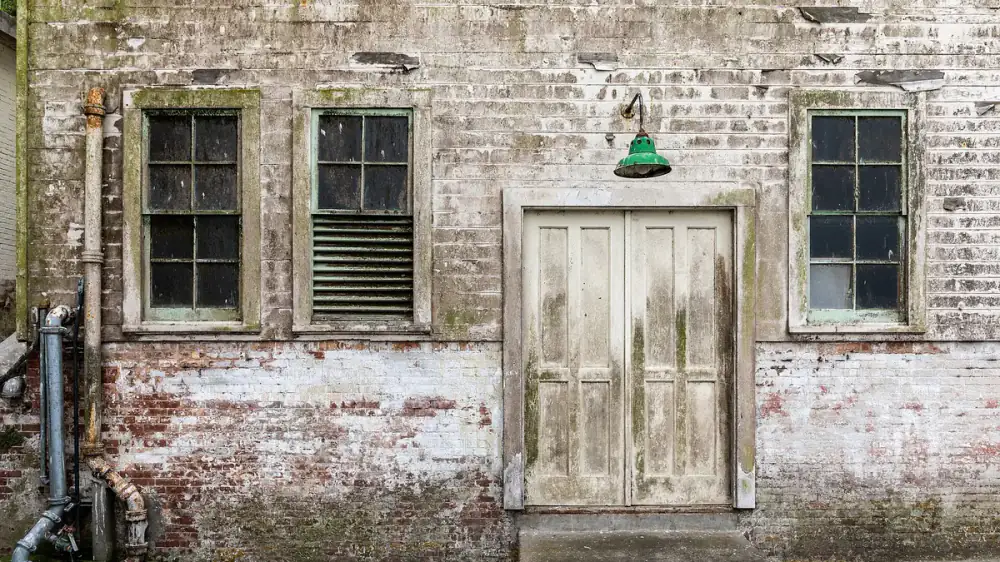
Exterior paint and coatings are a thin, sacrificial skin that protects the material underneath — so cleaning them is a balancing act: lift the grime and organic growth without abrading the film you rely on. Wash gently with a mild solution and a soft brush, treat high pressure as a prep-for-repainting tool, not a cleaning method, and read chalking and peeling as signals the coating is wearing out. Look after the paint and you look after everything it covers.
Paint gets talked about as decoration, which sells it short by an enormous margin. On the outside of a house it is the working membrane between the weather and everything that would rot, rust or crumble without it — the wood, the fiber-cement, the metal, the masonry. And it does that job by sacrificing itself. Paint is engineered to absorb the UV, the moisture and the grime so the substrate stays untouched, and to slowly give up its life in the process. A coating that is fading and thinning after years of sun is not failing; it is doing exactly what it was made to do.
That one idea governs everything that follows. Because the film is thin and expendable, every cleaning decision is really a question of how much of its remaining life you are willing to spend to get it clean.
A layer built to be spent
Paint and protective coatings turn up nearly everywhere exposed on a home: wall siding of every kind, trim and fascia and soffits where crisp edges meet full weather, doors and shutters that get touched daily, railings and porch floors that take wear and standing water, and the coating on metal gutters and downspouts where the paint is the rust protection. Breathable masonry paints do the same work on stucco and block.
Different substrates want different products, but they all lean on the same bargain: the coating is the protection, and keeping it intact is the entire point. Match the paint to what is under it — especially a breathable film on masonry, which needs to let the wall dry outward — and the coating earns its keep. The moment you stop thinking of paint as a finish and start thinking of it as a wear part, the rest of its care makes sense.
When the water comes from behind
Most people picture paint failing from the outside in — rain beating on it until it gives up. In reality the more common and more stubborn failures come from behind the film. When moisture inside the substrate tries to escape and cannot pass through the coating, it lifts the paint into blisters and peels it off in sheets. That is why breathability matters on masonry, why a non-breathable film over a damp wall is a recipe for peeling, and why chasing a moisture source usually fixes more than a fresh coat ever will.
Water works on paint from the outside too. It carries and feeds the mildew, algae and salt that degrade a film over time, and it is the reason aggressive washing backfires on aging coatings: a hard stream forces water under paint that is already loosening its grip, accelerating the very peeling you were trying to clean around. Managing moisture — keeping gutters, flashing and grading moving water off and away from the walls — protects a coating more reliably than any amount of scrubbing.
Cleaning that respects a thin film
The goal is to remove what damages the coating while wearing the coating as little as possible. A patient, chemistry-first routine does that:
- Rinse loosely with a garden hose to carry off surface dust.
- Apply a mild cleaning solution suited to painted exteriors — a diluted detergent or a dedicated exterior cleaner for grime and organic growth.
- Work in shaded sections so the solution does not flash-dry on a hot wall.
- Agitate with a soft-bristle brush under light pressure; skip stiff brushes and abrasive pads, which burnish and thin the film.
- Let it dwell briefly per the label, keeping the surface wet.
- Rinse top-down at hose volume rather than with high pressure.
- Test any stronger cleaner on a hidden patch first, and keep harsh chemistry off plants and bare metal.
Pressure washing deserves a clear distinction here, because the same tool does two opposite jobs. As a cleaning method it is risky — a concentrated stream strips a thin film wherever adhesion is already weak. As a preparation method before repainting it is used deliberately to blast off failing paint, but that is stripping, not cleaning. For routine work, sound and well-adhered paint tolerates low pressure with a wide tip held well back and kept moving, while chalky or peeling coatings should be soft washed. When in doubt, go gentle: you can always wash again, but you cannot un-strip a coating. Our overview of pressure washing versus soft washing walks through the judgment call, and much of it applies equally to related surfaces like painted wood, fibre-cement siding and painted steel gutters.
Reading the coating, and knowing when to stop
Paint tells you how it is doing if you know its vocabulary. Some signs are ordinary aging; others mean the film has finished its job.
| Sign | What it usually means |
|---|---|
| Light chalking, gradual fading | Normal weathering — wash and carry on |
| Heavy chalking | Binder breaking down; the coating is thinning out |
| Peeling or flaking | Adhesion or moisture failure, often from behind |
| Blistering | Moisture or heat lifting the film |
| Persistent mildew or algae | Chronic dampness and shade |
| Rust or tannin bleed | Corroding fixings or extractives in the substrate |
The practical line is this: clean when the paint is sound and merely dirty; prepare and repaint when the film is failing. Widespread peeling, blistering and exposed substrate are not cleaning problems, and washing around them only postpones the inevitable. When repainting does come, put the effort into surface preparation — a well-prepared, quality coating on a sound, dry surface outlasts a good paint slapped over dirt and moisture by years. Address chalking and mildew early, touch up chips and bare edges before water gets under them, and keep the moisture sources in check, and the wear layer keeps doing its quiet, self-sacrificing work for everything beneath it.
Related guides
- Pressure washing vs. soft washing
- Painted wood: exterior care and cleaning
- Fibre-cement siding: exterior care and cleaning
- Stucco: exterior care and cleaning
- Painted steel gutters: exterior care and cleaning
Common questions
Can I pressure wash painted surfaces?
Sometimes, but carefully — paint is a thin, sacrificial film and high pressure strips it, especially where it is already loosening. Sound, well-adhered coatings tolerate low pressure with a wide fan tip held well back and moving, while aging, chalky or peeling paint should be soft washed with a mild solution and a gentle rinse. Pressure washing is also used to prep for repainting, but that intentionally removes failing paint — a different job from cleaning.
What is chalking on exterior paint?
Chalking is the fine, powdery residue you get on your hand when you rub weathered paint. It happens as UV light breaks down the binder and releases pigment at the surface. A little is normal aging; heavy chalking means the coating is thinning and nearing the end of its service life. Washing removes the loose powder, but persistent heavy chalking is a signal to plan repainting.
How do I remove mildew and green algae from paint?
Wet the surface, apply a cleaning solution suited to painted exteriors and organic growth, let it dwell briefly, agitate with a soft brush, and rinse from the top down. Avoid harsh scrubbing that burnishes or thins the film. Because mildew regrows where it stays damp, improving sunlight and airflow does more for the long term than repeated cleaning.
Why is my exterior paint peeling and blistering?
Peeling and blistering almost always come down to adhesion and moisture — paint applied over a dirty, damp or chalky surface, or water pushing out from behind the film through the substrate. Because the fix depends on the cause, the cure is finding the moisture source and preparing the surface properly, not just repainting over the failure.
How often should I wash a painted exterior?
Gentle periodic washing — roughly once a year in many climates, more in damp, shaded or coastal areas — removes grime, salt and organic film before they establish and extends how the coating looks and performs. The key word is gentle: frequent aggressive cleaning wears the film faster than the weather does.
Does washing paint make it last longer?
Gentle washing helps, because it removes mildew, salt and grime that hold moisture and degrade the film, and it delays the day you need to repaint. Aggressive washing does the opposite — it abrades and thins the coating. The goal is to clean the surface, not to scour it, so favor mild chemistry and low pressure over force.
Should I repaint or just clean?
Clean when the paint is sound and just dirty; repaint when the film is failing — heavy chalking, widespread peeling, fading and thinning that cleaning won't fix. Often cleaning buys time, and when repainting does come, proper surface preparation matters more than the paint itself for how long the new coating lasts.
Keep reading
Metal Roof Edges and Drip Edge
Drip edge and metal roof-edge trim quietly protect the fascia, decking and gutters. Here's what they do and how to keep them working.
Composite Decking: Care and Cleaning
Composite decking is low-maintenance, not no-maintenance. Here's how to clean it, remove stains and avoid damaging the boards.
Natural Stone: Exterior Care and Cleaning
Natural stone is the most durable exterior surface, but some stones etch or stain easily. Here's how to clean and care for it safely.