Galvalume and Metal Roofing
Metal roofing shrugs off weather that ruins other surfaces, but its factory coating and cut edges are what actually keep it alive. Here's how to clean and maintain Galvalume and other metal roofs without wearing that protection away.
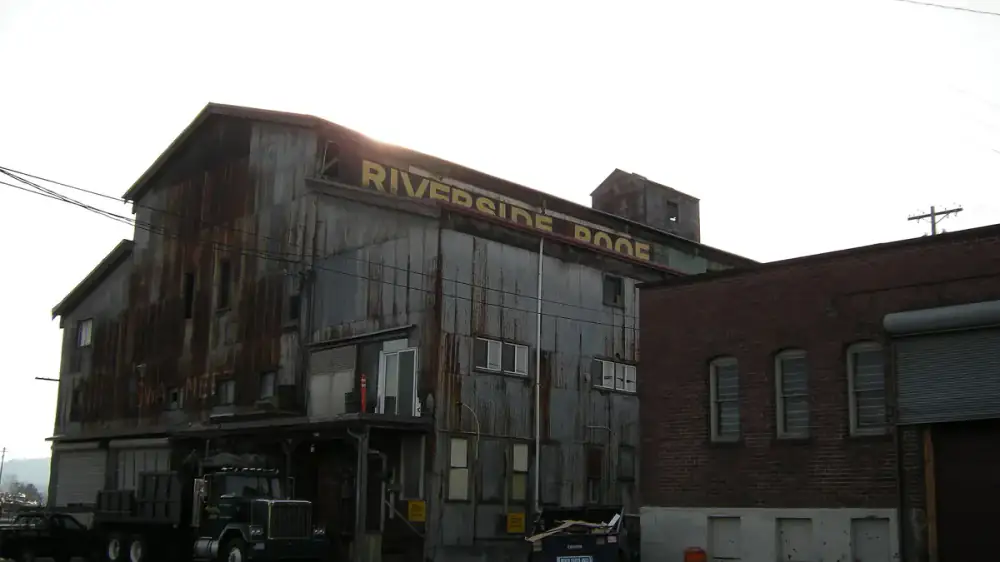
Metal roofing, including Galvalume, is one of the most weather-resistant surfaces on a house — but its durability lives in the factory coating and the cut edges, not the raw metal. Clean it with a mild solution, a soft brush and a gentle rinse, keep abrasives and harsh chemicals off it, and treat any rust streak as a clue to something corroding above the panel. Most metal-roof trouble starts at fasteners, seams and flashings rather than the panels themselves.
Ask most people about a metal roof and they will tell you it is bulletproof, and they are mostly right. It sheds water fast, ignores fire, and rides out sun and storms with almost no fuss. But that reputation hides a subtlety that matters the moment you decide to clean or maintain one: the toughness you are counting on does not come from the steel. It comes from a thin coating over the steel and from the way the edges and seams are detailed. Damage those, and a "bulletproof" roof starts quietly corroding. Understand them, and you can keep it alive for decades.
What is really doing the protecting
Galvalume is the substrate behind a great many metal roofs — steel sheet coated with an aluminum-zinc alloy that resists corrosion far better than bare steel would. Sometimes it is left with a clear finish; sometimes a painted color coat sits on top. In both cases the logic is identical: the steel survives because it is sealed away from moisture and air by that coating. The coating is the roof's immune system.
That reframes every cleaning and maintenance decision. Anything that scratches, abrades or chemically attacks the coating is not cosmetic damage — it is an opening for corrosion at the one spot the whole system depends on. A wire brush, a dragged ladder, a splash of undiluted bleach left to dry: each of these works directly against the part of the roof that keeps it going. Metal roofing turns up as standing-seam panels, exposed-fastener sheets on porches and outbuildings, metal shingles that mimic slate or shake, and the trim and flashings where panels meet chimneys and walls — and every one of those forms relies on the same intact skin. Our guide to metal roof edges covers the trim details where much of the real action happens.
A rust streak is a message, not a verdict
Homeowners see an orange streak on a metal roof and assume the roof is failing. Usually the opposite is true — the panel is fine, and it is telling you about something else. Bare Galvalume rarely rusts across its field, so an orange streak almost always originates from something corroding above the panel: an old steel fastener, a rusting vent or chimney cap, or a piece of debris that scratched through the coating and now bleeds down the slope with every rain.
The move is to follow the streak uphill to its source and deal with that. Once the corroding culprit is removed or replaced, the stain it left behind typically washes off with a gentle cleaning. The same read applies to most of what marks a metal roof: general grime and streaking, organic film in shaded and debris-laden valleys, a faint chalky haze or tea-staining as some coatings weather, and sap or tannin from overhanging trees. Grime and organic film lift with mild cleaning; a rust stain asks you to fix the source first, then clean second. Reading the mark correctly saves you from scrubbing a symptom while the cause keeps working.
Cleaning it — and why height changes the whole job
Two things make cleaning a metal roof different from cleaning almost any other surface: the coating is sensitive, and you are working at height on a surface that turns slick under water, dust or pollen and can dent or scratch underfoot. Both point the same direction — gentle methods, and for many homeowners, a professional. Walking a metal roof safely takes the right footwear, panel-support technique and fall protection, and stepping in the wrong place marks the panels as surely as it risks a fall. When in doubt, this is a job to hand off.
For the cleaning itself, work on a cool, overcast day and go chemistry-first:
- Clear debris first — pull leaves, needles and grit out of valleys and behind penetrations so water and cleaner can move freely.
- Rinse with plain water to wash off loose dirt and cool the surface.
- Apply a mild detergent or a cleaner rated for metal roofing, diluted as directed and matched to the stain.
- Agitate with a soft-bristle brush or soft cloth, working with the panel rather than scrubbing across it; never wire brushes, steel wool or abrasive pads.
- Rinse thoroughly from the top down so no cleaner is left sitting on the coating, the fasteners or the flashings.
- Test any stronger cleaner on a hidden section first, and keep it off plants, gutters and adjacent materials.
Pressure washing is rarely the right tool here. Metal sheds dirt so readily that a low-pressure rinse and mild cleaner handle nearly everything, and a high-pressure stream introduces real risk: it can drive water up under laps and seams — against the direction the roof is engineered to shed — dent softer panels, and work at aged sealant around penetrations. If any pressure is used, keep it modest, well back, aimed with the water's flow rather than against it, and never concentrated on seams or fasteners. Reach for chemistry and a soft brush before force. Our overview of pressure washing versus soft washing helps you judge, and how to clean a metal roof gives the full walkthrough.
The parts that age before the panels
A metal roof asks little, but the little it asks is specific — and none of it involves the flat field of the panel. Keep the roof clear so nothing traps moisture or grit against the coating. Watch the fasteners and sealants, especially on exposed-fastener roofs, where screws, gaskets and sealant at penetrations are the genuine wear items and a roofer can spot and address them. Deal with rust sources early before one corroding fixture streaks a whole panel. Trim back overhanging branches that drop debris and scratch the coating in the wind. And never drag ladders or tools across the panels, which scratches the coating and exposes bare metal.
The warning signs sort neatly into cosmetic and worth-acting-on:
| Sign | What it usually means |
|---|---|
| Orange rust streaks | A corroding fastener, fixture or debris above the panel |
| Scratches down to bright metal | Coating breached — a spot to watch for corrosion |
| Loose, backed-out or missing screws | Fasteners working loose from thermal movement |
| Cracked or shrunken sealant at penetrations | Aging sealant — a common leak source |
| Chalky haze or faded color | Normal coating weathering |
| Dents or oil-canning ripples | Impact or panel stress; usually cosmetic |
Faint chalking and mild fade are cosmetic. Breached coating, loose fasteners, failing sealant at penetrations, or any hint of a leak deserve a professional look before water finds a way in.
How long it really lasts
Among common roofing materials, metal sits firmly at the durable end. Galvalume and painted panels resist sun, fire, wind and organic growth better than most, and they routinely outlast asphalt on the same house by a wide margin. The practical limit is almost never the steel — it is the coating, the exposed edges and the fastenings. Keep the coating intact, the debris cleared, and the seams and penetrations sound, and a metal roof will comfortably outlive most of what surrounds it. Set against asphalt shingles, it trades a higher upfront cost for a much longer, lower-fuss service life — provided you respect the coating that makes all of it possible.
Related guides
- How to clean a metal roof
- Metal roof edges
- Asphalt shingles: exterior care and cleaning
- Moss growing on the roof
- Pressure washing vs. soft washing
- All materials
Questions people also ask
What is Galvalume, exactly?
Galvalume is a steel sheet coated with an aluminum-zinc alloy that gives it strong corrosion resistance. It's a common base for metal roofing, sometimes left bare with a clear coat and sometimes finished with a painted layer on top. The key thing to understand is that the metal underneath is protected by that coating, so anything that abrades or scratches it works against the roof.
Can I walk on a metal roof to clean it?
Metal roofing can be slick, especially when wet, dusty or coated with pollen, and it can dent or scratch underfoot if you step in the wrong place. Walking a metal roof safely takes the right footwear, the right panel-support technique and fall protection. This is work best left to a professional, both for your safety and to avoid marking the panels.
Why are there rust streaks on my metal roof?
Bare Galvalume rarely rusts across the field, so most rust streaks come from something else corroding above the panel — an old fastener, a steel vent, a chimney cap or debris that has scratched through the coating. Track the streak back to its source. Once the source is dealt with, the staining itself usually cleans off with a gentle wash.
Is bleach safe on a metal roof?
Harsh chemicals, including strong chlorine bleach, can attack metal coatings and corrode fasteners and flashings if they aren't thoroughly rinsed. If a mildew cleaner is needed, choose a product rated for metal roofing, dilute it as directed, keep it off adjacent metal and plants, and rinse well. When in doubt, a mild detergent and water is the safer first choice.
Do I need to reseal a metal roof?
Panels themselves generally don't need resealing, but the sealants at seams, penetrations and flashings do age and are a normal maintenance item. Cracked or shrunken sealant around a vent or skylight is a far more common source of leaks than the panels. That kind of inspection and touch-up is best handled by a roofer.
Will moss grow on metal roofing?
Metal sheds water fast and offers little for moss to grip, so it resists organic growth better than most roofs. Growth is still possible in constantly shaded, debris-covered valleys where grit collects. Keeping the roof clear of leaves and needles removes the foothold that growth needs. See our guide on moss growing on the roof.
Related guides
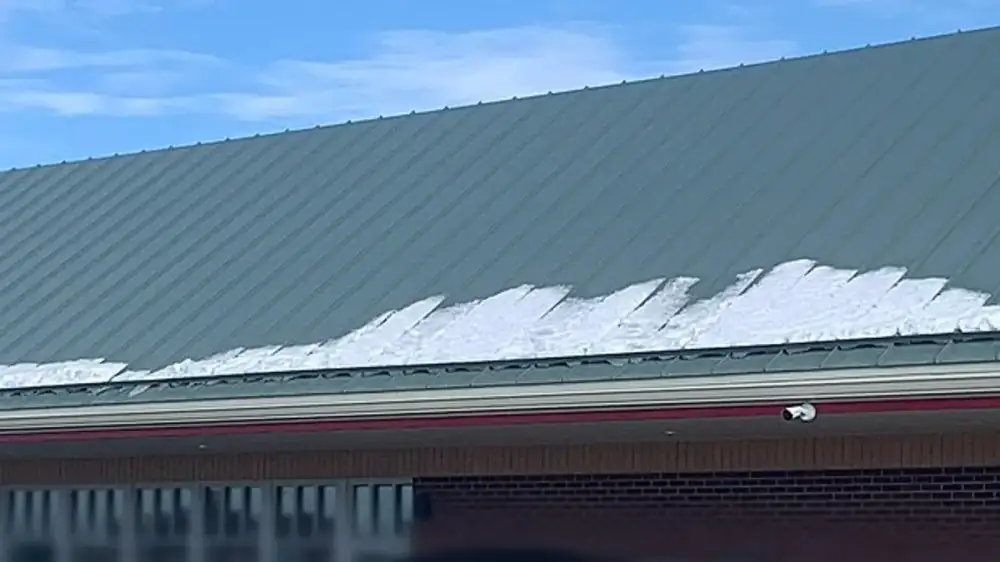
Metal Roof Edges and Drip Edge
Drip edge and metal roof-edge trim quietly protect the fascia, decking and gutters. Here's what they do and how to keep them working.
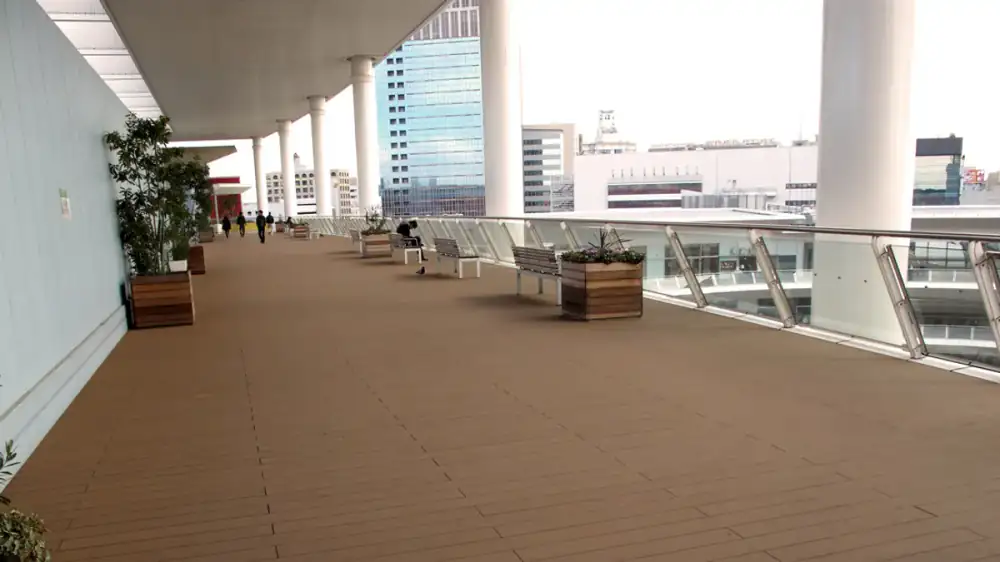
Composite Decking: Care and Cleaning
Composite decking is low-maintenance, not no-maintenance. Here's how to clean it, remove stains and avoid damaging the boards.
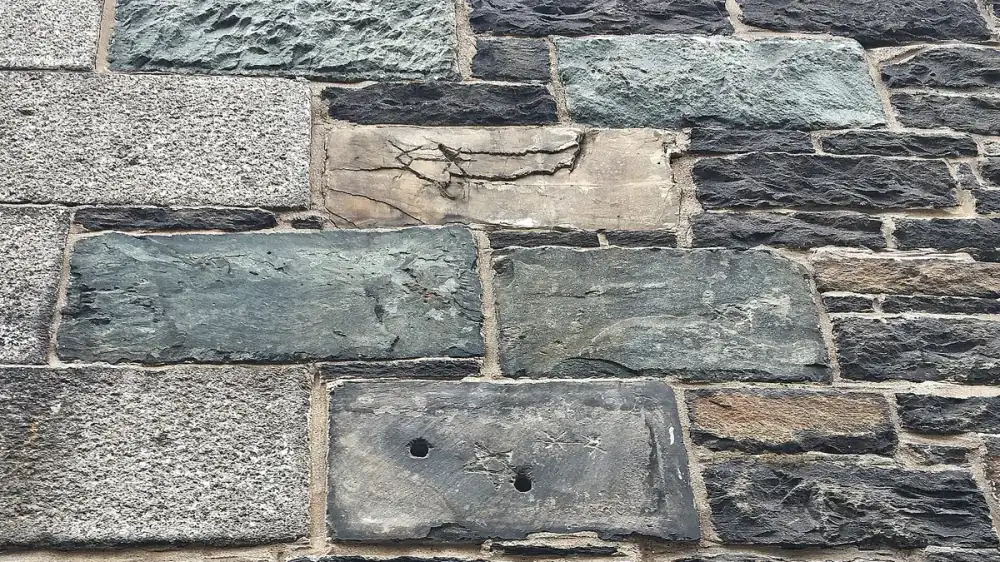
Natural Stone: Exterior Care and Cleaning
Natural stone is the most durable exterior surface, but some stones etch or stain easily. Here's how to clean and care for it safely.