How to Choose Exterior Materials That Actually Last
The label on a siding or roofing product tells you less about how long it will last than three quieter things: how well it fits your climate, how much upkeep you'll genuinely give it, and how it handles water.

What makes an exterior material last isn't mostly the product name — it's the fit. Three things do the heavy lifting: how well the material suits your climate, how much maintenance you'll honestly give it, and how it handles water. Get those right and a modest material outlives a premium one. Get them wrong and no brand saves you.
Walk any home center's exterior aisle and you'll be sold on lifespan. Fifty years. Lifetime warranty. Maintenance-free. The numbers are confident and the finishes are gorgeous, and almost none of it predicts how the material will actually behave on your house. Longevity isn't a property you buy off the shelf. It's what happens when a material meets a specific climate, a specific homeowner and a specific way that water moves across a specific wall.
That's the frustrating and freeing truth of it. The same cedar that silvers gracefully for decades on a dry hillside rots in a shaded, humid valley. The same painted steel that lasts a generation inland rusts through fast within reach of salt air. The material didn't change. The fit did. So before you compare warranties, it's worth understanding the three forces that quietly decide everything.
Fit your climate before you fit your taste
Every exterior material is really a bet against a particular kind of weather. Freeze-thaw cycling, relentless UV, driving rain, coastal salt, wildfire ember, deep humidity — each punishes different weaknesses. Choosing well means naming your dominant stressor first and letting it narrow the field.
In freeze-thaw country, the enemy is water that soaks in and then expands as ice. Porous masonry that stays wet is vulnerable to spalling; a breathable, well-drained wall fares far better. In high-UV climates, sunlight is the slow solvent — it fades pigments, embrittles plastics and chalks finishes, so color stability and coating quality matter more than raw strength. Near the coast, salt accelerates corrosion on anything metallic and works into every fastener and seam. In hot, humid regions, organic growth and moisture-driven rot lead the failures, which rewards materials that dry quickly and resist mildew.
The useful move is to look around. The homes on your street have been running a decades-long field test in your exact conditions. Which materials on similar-age houses still look sound, and which keep getting torn off and replaced? That local evidence beats any glossy lifespan claim. A material that's thriving three doors down is telling you something a brochure can't.
Be honest about your maintenance appetite
Here's where most material regret is born — not in the wrong choice, but in an optimistic one. People buy the material they wish they'd maintain, then live like the people they actually are. The finish that "just needs a coat every few years" doesn't get it. The wood that "only needs washing" goes green in the shade. The material didn't fail; the intended care never arrived.
So the honest question isn't which material needs the least work in the abstract. It's how much work you will genuinely do, and what happens to each candidate when you don't. Some materials degrade gracefully under neglect — they get dirty or dull but stay sound. Others punish a missed cycle with real damage: a lapsed paint film lets water into the wood behind it, and now you have rot, not just a faded wall. We dig into these upkeep bargains in the maintenance trade-offs of popular materials, but the framing to carry into the store is simple. Match the material to the maintenance you'll really provide, not the maintenance you admire.
There's a related trap worth naming: the "maintenance-free" promise. Nothing exterior is maintenance-free. Vinyl siding and fibre-cement come close on the effort axis, but they still want periodic washing and an occasional look at seams and caulk. "Low" is real. "None" is marketing.
Understand how the material handles water
If you take one idea from all of this, make it water. Nearly every exterior failure is a water story wearing a different costume. Rot is water in wood. Spalling is water freezing inside masonry. Corrosion is water on metal. Mildew is water sitting on a shaded surface. Delamination and blistering are water pushing a coating off its substrate. Understand how a material deals with moisture and you can predict most of how it will age.
Materials fall into three broad water strategies, and mixing them up is where trouble starts.
- Shedding materials repel water at the surface and rely on that barrier — think a sound paint film or a metal finish. Their fate is tied to the integrity of that layer. As long as it's intact, they're fine; once it's breached, water gets behind it and does hidden damage.
- Breathing materials let small amounts of moisture pass in and evaporate back out — brick, stucco, unsealed wood. They tolerate getting damp as long as they can dry. The classic mistake is sealing them with the wrong product and trapping the very moisture they were designed to release.
- Immune materials simply don't care much chemically — vinyl, aluminium, copper. Their weaknesses lie elsewhere (impact, movement, galvanic contact), not in getting wet.
The failures happen when a material is treated as if it belonged to a different group — a breathing wall sealed like a shedding one, or a shedding finish left unrepaired until water reaches what's behind it. How a surface ages is itself a water story, which we trace in how exterior materials age over time.
Where the material choice is really made
Notice what these three forces have in common. None of them is printed on the box. Climate fit, your real maintenance habits, and water behavior are all about context — the marriage of a material to your particular house. That's why two homeowners can buy the identical product and see completely different lifespans a decade later.
It's also why installation quality belongs in the same conversation. Flashing, drainage, ventilation and correct fastening decide whether water ever reaches the vulnerable parts of an assembly. A beautifully detailed install of an ordinary material routinely outlasts a careless install of a premium one. The material is only half the durability story; how it's put together is the other half. When budgets are tight, it's often wiser to spend on getting a modest material installed properly than on a fancier material installed carelessly.
A short way to decide
When you're standing in front of the choice, run it through four plain questions instead of comparing warranty numbers:
- What's my dominant climate stressor, and does this material specifically resist it?
- What upkeep will I actually do, and does this material stay sound when I skip a cycle?
- How does this material handle water — shed, breathe or shrug — and am I detailing it accordingly?
- What's lasted on similar homes near me, in my exact conditions?
Answer those honestly and the field narrows fast. You can browse the full range of options in our materials library, but the library can only tell you what each material is. Whether it lasts is decided by the fit — and that part is yours to get right.
Frequently asked questions
Is a more expensive material always more durable?
No. Price often reflects appearance, brand and installation complexity as much as raw longevity. A modest material that suits your climate and gets cleaned twice a year will routinely outlast a premium one that's fighting the local weather or being ignored. The best predictor of lifespan is fit and care, not the number on the invoice.
What's the single biggest factor in how long a material lasts?
Water — specifically, whether the material sheds it, breathes it out, or traps it. Most exterior failures are water stories in disguise: rot, spalling, corrosion, delamination and mildew all trace back to moisture that couldn't get away. A material that manages water well in your particular climate will outlast one that doesn't, regardless of category.
Does 'low maintenance' mean 'no maintenance'?
Not quite. Low-maintenance materials ask for less, and forgive neglect longer, but nothing exterior is truly zero-effort. Even vinyl and metal need periodic washing and a look at their seams and fasteners. The honest question isn't whether a material needs care, but how much, how often, and what happens when you skip it.
Should I match my neighbors' materials?
It's worth noticing what's lasted well on nearby homes of a similar age, because they share your climate, sun exposure and rainfall. That local evidence is more useful than any brochure. Matching for its own sake matters less than learning which materials have quietly held up on your street and which keep getting replaced.
Can good installation make a mediocre material last?
To a real degree, yes. Flashing, drainage, ventilation and correct fastening decide whether water ever reaches the vulnerable parts of an assembly. A well-detailed installation of an ordinary material often outlasts a careless installation of a premium one. The material is only half the story; how it's put together is the other half.
Related reading
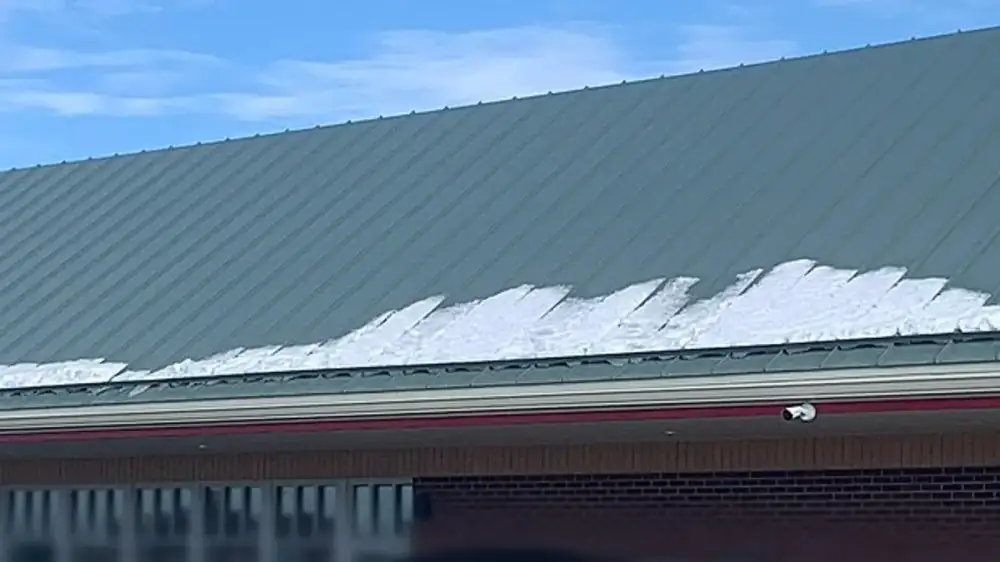
Metal Roof Edges and Drip Edge
Drip edge and metal roof-edge trim quietly protect the fascia, decking and gutters. Here's what they do and how to keep them working.
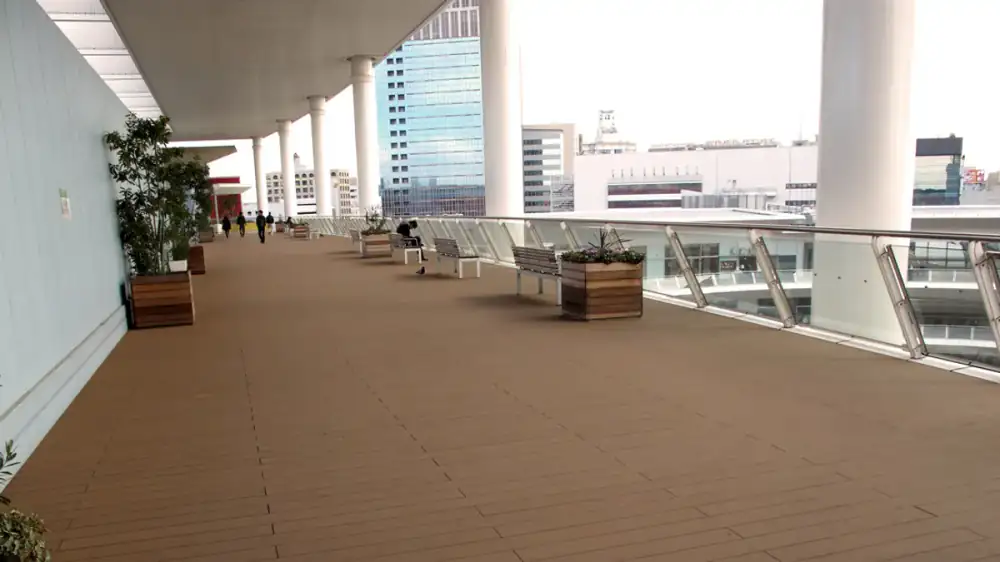
Composite Decking: Care and Cleaning
Composite decking is low-maintenance, not no-maintenance. Here's how to clean it, remove stains and avoid damaging the boards.
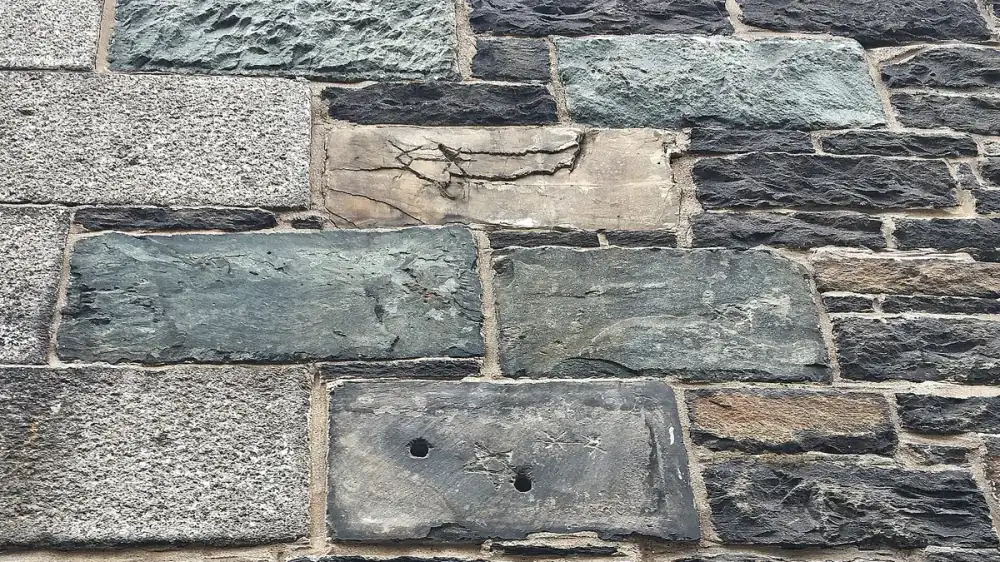
Natural Stone: Exterior Care and Cleaning
Natural stone is the most durable exterior surface, but some stones etch or stain easily. Here's how to clean and care for it safely.