How Exterior Materials Age Over Time
Every exterior surface changes with weather. The question that matters isn't whether it ages, but how — toward a patina that protects and flatters, or toward decay that undermines. Knowing the difference is half of good maintenance.
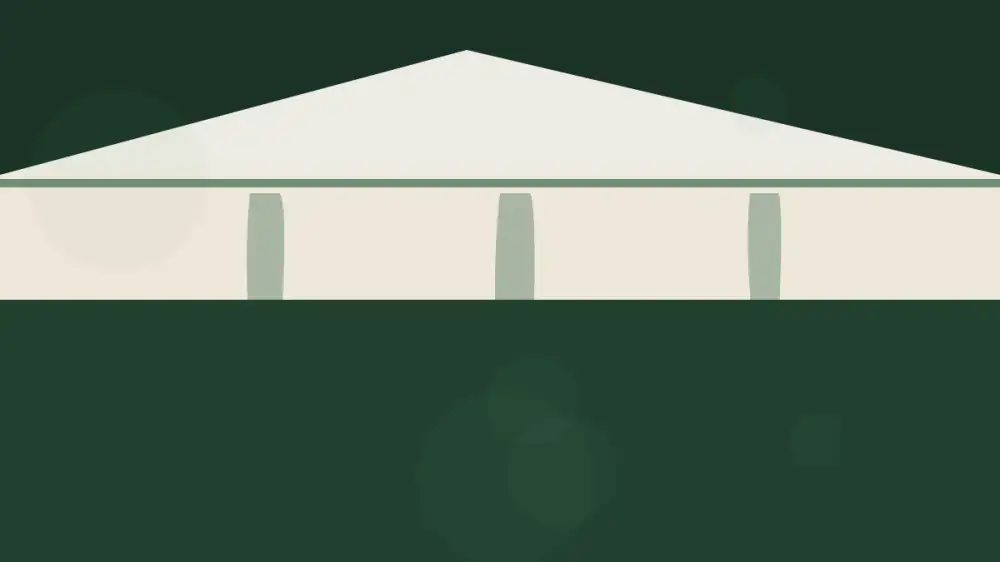
Every exterior material changes with weather — but there are two very different destinations. Patina is change that stabilizes or protects (weathered copper, silvered wood, a settled masonry surface). Decay is change that keeps going and undermines (rust through steel, rot in wood, spalling brick). The maintenance skill is telling one from the other, preserving the patina, and catching decay early — before surface change becomes structural.
Nothing on the outside of a house stays the way it left the factory. Sun, rain, temperature swings and time go to work on every surface from the day it's installed, and pretending otherwise is how people end up disappointed. But aging isn't a single process with a single ending. Some materials weather into something better — a surface that's more beautiful and more durable than the day it went up. Others weather toward failure, quietly at first and then all at once. The whole art of caring for an exterior is learning to read which direction a surface is heading, and knowing when to leave it alone and when to intervene.
Patina and decay are not the same thing
It's worth being precise, because the words get used loosely. Patina is change that arrives somewhere and stops — the surface reaches a stable equilibrium and, in the best cases, that new layer actually protects what's underneath. Decay is change that never settles; it keeps eating inward, converting sound material into failed material until something has to be replaced.
The confusing part is that the same weather can drive either, and which one you get depends almost entirely on the material and how it handles moisture. Rain that gives copper its protective green film is the same rain that rusts steel through. Sun that gently silvers cedar is the same sun that embrittles a neglected paint layer. The weather isn't good or bad. The material's response to it is what determines whether you're watching a patina form or a decay begin. This is the aesthetic and mechanical flip side of how to choose exterior materials that last: the way a material ages is the way its longevity actually plays out.
Metals: the clearest split
Metals show the patina-versus-decay divide more vividly than anything else on a house, because for metal, aging is chemistry you can watch.
Copper is the poster child for protective patina. Fresh copper is bright and salmon-pink; exposed to weather it darkens to brown and eventually develops the familiar blue-green film. Crucially, that film isn't damage — it's a stable, adherent layer that shields the metal beneath and is a large part of why copper lasts so remarkably long. Stripping it back to shininess doesn't restore the copper; it just discards the protection and restarts the process. The right response to copper's patina is usually to admire it.
Plain steel sits at the opposite pole. Its "patina" is rust, and rust is decay — it's porous, it flakes, and it keeps converting sound metal into more rust until the part fails. That's exactly why exterior steel is almost always protected by a coating or a sacrificial layer, and why a breach in that protection is serious.
Aluminium lives in between and mostly to the good side. It doesn't rust; instead it forms a thin oxide layer almost instantly and can chalk or dull over many years, which is cosmetic rather than structural. Its aging story is less about corrosion and more about the finish on top of it fading over time. The one place aluminium turns toward real decay is galvanic contact with the wrong metal — a failure mode worth understanding on its own, which we cover in why mixing metals outdoors can backfire.
Wood: the material that goes either way
Wood is the great "it depends" of exterior aging, because it can weather beautifully or rot completely, and the fork between those outcomes is moisture.
Left unfinished and able to dry, many woods — cedar especially — weather to a soft, even silver-grey as UV breaks down the surface lignin and rain washes it. That grey is essentially a patina: a stable surface layer that, once formed, changes little and can protect the wood beneath for a long time in the right climate. Plenty of homeowners choose it deliberately.
But wood only stays sound if it can dry between wettings. Where it stays wet — shaded faces, splash zones near grade, spots under failed flashing, or behind a paint film that's cracked and is now holding water in rather than out — it rots. And rot is unambiguous decay: the fibers soften, the wood loses strength, and the damage spreads. This is the paradox of painted wood: the finish that protects it becomes a liability the moment it fails, because a breached film traps the very water it was meant to exclude. With wood, aging gracefully and aging catastrophically are the same material under two different moisture regimes.
Masonry: slow, mostly graceful, until water intrudes
Masonry ages on a longer, calmer timeline. Brick, stone and concrete darken, collect atmospheric grime, and settle into a weathered look that most people find handsome — a genuine patina of age. Sound masonry that manages water well can look distinguished for generations with little more than occasional cleaning.
The decay side of masonry is almost always a water story. Efflorescence — the chalky white bloom — is a cosmetic sign that water is moving through the wall. Spalling, where the face flakes or pops off, is the structural version: water gets inside, freezes, expands and breaks the material apart from within. And mortar joints, softer than the units they bind, weather faster and eventually need repointing to keep water out. The lesson mirrors the others: masonry ages gracefully while it stays able to shed and release water, and turns to decay when moisture gets trapped inside it.
Vinyl and synthetics: cosmetic aging, mostly
Synthetic materials rewrite the aging rules by simply opting out of most of them. Vinyl siding doesn't rot, rust or feed mildew structurally. What it does do is respond to sunlight: over the years UV slowly fades the color and can leave older material chalky and more brittle, so its decline is cosmetic and surface-level rather than a march toward structural failure. That's a real advantage — but "doesn't rot" isn't "never changes," and expecting factory-fresh color forever leads to disappointment. Its cousins in fibre-cement and engineered products age largely through their finishes and their seams, which is where attention pays off.
Reading the direction of travel
Since the same surface change can be benign or ominous, it helps to have a simple test for which you're looking at. Aging that's fine tends to be stable and even: color that's shifted and settled, a surface that's reached a look and stayed there. Aging that's become decay tends to be progressing and reaching inward — flaking that keeps exposing fresh material, softness where there should be firmness, cracks that open new paths for water, and organic growth thick enough to hold moisture against the wall. Movement, softening, spreading and anything that lets water in are the signals to act.
Reading that direction correctly is what tells you whether to intervene or to step back. The instinct to make everything look new can do real harm — scrubbing a protective patina off copper, or sealing a breathing masonry wall to hide its weathering, trades a healthy aged surface for a worse outcome. Much of good exterior maintenance is knowing when a material has aged into exactly what it should be, cleaning gently around that, and saving your energy for the surfaces genuinely sliding toward failure. When you do reach for a cleaning method, matching it to the surface matters as much as the timing, which we lay out in matching cleaning methods to your materials.
Common questions
What's the difference between patina and decay?
Patina is change that stabilizes or protects the material — a weathered surface that has reached a durable equilibrium, like the green film on copper or the silver-grey of exposed wood. Decay is change that keeps going and undermines the material, like rust eating through steel or rot softening wood. Patina is a surface arriving somewhere; decay is a surface on its way to failure. The same weather can produce either, depending on the material.
Should I clean off patina or leave it?
It depends on what it is. Protective patina — notably on copper — is worth preserving, because stripping it back to bright metal just restarts the clock and removes a layer that was guarding the metal. Cosmetic dirt and organic growth on top of a patina can be gently cleaned. The mistake is scrubbing away a genuine protective layer in pursuit of a 'like new' look it was never meant to keep.
Why does wood on one side of my house look so much worse?
Aspect and exposure. South and west faces take the most UV and drying-wetting stress, so finishes fade and fail there first. North faces stay damp and shaded, so they grow algae and hold moisture longer. Wind-driven rain, splashback near grade and overhanging trees all concentrate wear in specific spots. Materials don't age uniformly; they age according to what each part of the house is exposed to.
Does vinyl siding really not age?
It ages, just differently. Vinyl doesn't rot or rust, but sunlight slowly fades its color and can make older material brittle, so it grows chalky and less impact-tolerant over time rather than decaying structurally. Its aging is mostly cosmetic and UV-driven, which is a genuine advantage — but 'doesn't rot' isn't the same as 'never changes.'
Can I speed up or control a patina?
To some extent. Some finishes are chosen precisely for how they'll weather, and treatments exist that encourage an even patina rather than a blotchy one. But forcing the look rarely matches what time produces, and uneven exposure means real weathering is never perfectly uniform. It's usually more satisfying to choose a material whose natural aging you'll enjoy than to fight for a controlled result.
How do I tell if aging has crossed into a problem?
Watch for change that's still progressing and reaching below the surface: flaking that exposes fresh material, softness where there should be firmness, cracks that open water paths, or growth that holds moisture against the wall. Stable color change and even weathering are usually fine. Movement, softening, spreading and anything that lets water in are the signs that aging has become decay.
Related guides
Metal Roof Edges and Drip Edge
Drip edge and metal roof-edge trim quietly protect the fascia, decking and gutters. Here's what they do and how to keep them working.
Composite Decking: Care and Cleaning
Composite decking is low-maintenance, not no-maintenance. Here's how to clean it, remove stains and avoid damaging the boards.
Natural Stone: Exterior Care and Cleaning
Natural stone is the most durable exterior surface, but some stones etch or stain easily. Here's how to clean and care for it safely.