The Maintenance Trade-offs of Popular Materials
Every exterior material asks for something in return for what it gives. The real choice isn't low-maintenance versus high-maintenance — it's what kind of upkeep you're willing to trade for the look and feel you want.
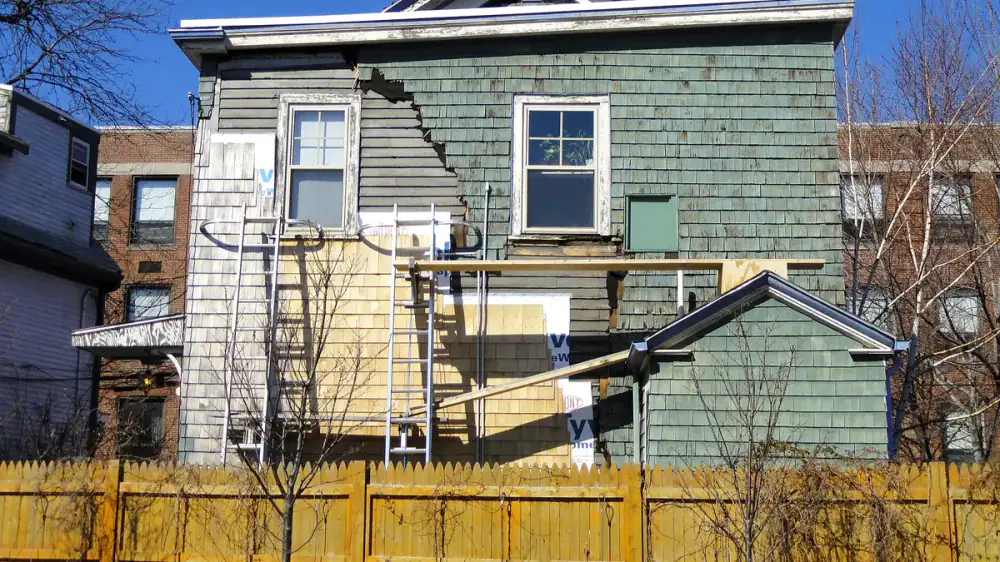
There's no free lunch in exterior materials: every one trades something. The real choice isn't low-maintenance versus high-maintenance — it's what kind of upkeep you'll trade for the look you want. Low-effort materials (vinyl, aluminium, fibre-cement) give up some character and repairability; character materials (wood, copper) ask for real, recurring work. The decisive question is what each costs you when you skip a cycle.
Every conversation about exterior materials eventually reaches the same fork: the low-maintenance option or the one with character. It gets framed as effort versus beauty, as if you're simply choosing how much work you're willing to sign up for. But that framing hides the more useful truth. Maintenance isn't a single dial from lazy to diligent. It's a set of trades — effort against character, convenience against repairability, upfront simplicity against the way a material ages — and the right call depends on which of those you actually care about, and, crucially, on what you'll genuinely do once the novelty wears off.
This is meant to be honest rather than flattering. Nothing here is maintenance-free, no material is strictly better than the rest, and the material that's perfect for your neighbor may be a slow mistake for you. What follows is how to think about the trade so you choose with your eyes open.
The trade nobody names: what happens when you skip a cycle
Ask how much maintenance a material needs and you get half the picture. The far more revealing question is what it costs you when you don't do it. This single distinction separates materials more meaningfully than the effort level does.
Some materials degrade gracefully. Skip a wash on vinyl siding or aluminium and it gets dirty, maybe dull, but it stays structurally sound. Neglect costs you appearance, and appearance is recoverable — you clean it and it's back. The downside of skipping is small and forgiving.
Other materials punish a missed cycle with real damage. Painted wood is the classic example: the paint film is doing a job, and the moment it cracks and you don't recoat, water gets into the wood behind it and you've traded a cosmetic task for rot repair. Here, neglect doesn't cost you looks — it costs you the material. The downside of skipping is steep and often irreversible.
That's the trade to weigh before anything else. A high-effort material that fails gracefully is far more forgiving than a moderate-effort one that fails hard. And it reframes the whole "will I maintain this?" question: the danger isn't choosing a demanding material, it's choosing one that turns your neglect into damage. We explore that failure-versus-weathering distinction more fully in how exterior materials age over time.
Low-effort materials: what you gain and what you give up
The low-maintenance materials earn their popularity honestly. Vinyl doesn't rot, rust or need repainting; it mostly wants periodic washing and it shrugs off neglect. Aluminium and fibre-cement siding sit nearby — durable, undemanding, forgiving of a busy homeowner who'd rather not spend weekends on a ladder. For many people that convenience is exactly right, and there's no shame in valuing it.
But low effort is bought with real currency, and it's worth naming what you're spending. You typically trade away character — the depth, texture and natural aging that synthetic and coated materials approximate but rarely match. You often trade away repairability: a scratched or dented low-maintenance panel frequently has to be replaced rather than touched up, and matching aged color across a repair can be genuinely difficult. And you trade away a certain relationship with the house — the low-maintenance path is convenient precisely because it asks nothing of you, which also means it gives back nothing in the way of ritual or craft, if that's something you'd have enjoyed.
None of that makes low-maintenance the wrong choice. It makes it a choice with a bill attached, paid in character and flexibility rather than in labor.
Character materials: what the upkeep buys
At the other end are the materials that ask for real, recurring attention — natural wood, copper, and finishes that need periodic renewal. The upkeep is not trivial. Wood wants cleaning and refinishing on a cycle the weather sets, not one you get to choose. These materials genuinely take more of your time.
What they give back is what the low-effort materials can't. Copper weathers into a living patina that deepens with age and protects itself as it goes. Wood offers a warmth and repairability that lets you sand, fill and refinish in place rather than rip and replace. These materials tend to age into something, where synthetics mostly age away from their best day. For a homeowner who finds the upkeep satisfying rather than burdensome — and there are many — the trade is entirely worth it.
The honest caveat is the one from earlier: this only works if you actually do the work. A character material you maintain is a joy; the same material neglected is a liability, because most of these are the "punish a skipped cycle" type. Choosing a demanding material is really a promise to yourself, and it's worth being sure you'll keep it.
A side-by-side of the trade-offs
The table below sketches the trade in broad strokes. Read it as tendencies, not verdicts — actual behavior always depends on climate, exposure and installation.
| Material | Upkeep effort | Cost of skipping a cycle | What you trade / gain |
|---|---|---|---|
| Vinyl siding | Low | Low — mostly cosmetic | Convenience; gives up character and easy repair |
| Aluminium | Low | Low — cosmetic, dents aside | Rust-proof and light; soft, dents show |
| Fibre-cement siding | Low to moderate | Low to moderate | Durable, tidy look; finish and seams need attention |
| Brick | Low (long-term) | Low short-term, higher if water intrudes | Longevity and character; mortar needs periodic repointing |
| Painted wood | High | High — a failed film invites rot | Warmth and repairability; demands recoating on schedule |
| Copper | Low, but premium | Low — patina protects | Beauty and long life; higher cost, mind metal pairings |
| Asphalt shingles | Low, pro work | Moderate — and it's roof work | Affordable, common; height and expertise limit DIY care |
A couple of these rows deserve a footnote. Brick looks nearly maintenance-free for years, but that low number hides an occasional big task — repointing mortar — and a strong dependence on keeping water managed. Copper flips the usual script: it's low-maintenance yet premium, so what you're really trading is money and some care around not pairing it carelessly with other metals, a pitfall covered in why mixing metals outdoors can backfire. And asphalt shingles are low-effort mainly because their care is roof work best left to professionals — the effort is low for you precisely because it's not really yours to do.
How to make the trade for your house
The decision gets easier when you stop looking for the "best" material and start matching the trade to yourself. Be honest about the upkeep you'll actually provide, not the version you admire. Put low-maintenance materials where you can't easily reach or won't want to fuss — high, exposed, out-of-sight areas — and save character materials for the places you'll see, enjoy and can maintain without heroics. Mixing the two deliberately is often the smartest path, as long as you mind the junctions where different materials meet, since those transitions are where water and mismatch trouble tend to begin.
And think about cost as lifetime effort, not just purchase price. A cheap material that needs constant refinishing can cost more over the years — in time, products and eventual repairs — than a pricier one that asks little. Or the reverse can be true, if the upkeep is something you value. There's no universal answer, only the fit between what a material demands and what you'll willingly give. For the wider view of what actually drives longevity beyond upkeep, see how to choose exterior materials that last, and browse the full range in our materials library.
Frequently asked questions
Which exterior material is genuinely the lowest maintenance?
Vinyl siding is usually the honest answer for lowest effort — it doesn't rot, rust or need repainting, and mostly wants periodic washing. Aluminium and fibre-cement are close behind. But 'lowest maintenance' and 'best' aren't the same question. The low-effort materials trade away some character and repairability, and that trade is exactly what you're weighing. Lowest upkeep is a real value, not automatically the right choice.
Is high-maintenance always a bad thing?
Not at all. Materials that ask more — wood, copper, natural finishes — often give back character, repairability and a way of aging that low-maintenance products can't match. For some homeowners that upkeep is a worthwhile ritual and the result is worth it. High-maintenance is only a bad deal when you won't actually do the work, because that's when the character material quietly turns into a damaged one.
What happens if I choose a material and then don't maintain it?
It depends entirely on the material. Some degrade gracefully — they get dirty or dull but stay sound, so neglect costs you looks, not structure. Others punish a missed cycle with real damage, like painted wood letting water in once the film fails. The most important question to ask before buying isn't how much upkeep a material needs, but what it costs you when you skip it.
Does low maintenance mean I can never repair it?
Often it means repairs are harder or come as replacement rather than touch-up. A scratched or dented low-maintenance panel may need swapping out, and matching aged color can be tricky, whereas a wood or painted surface can frequently be sanded, filled and refinished in place. Repairability is one of the quiet things you trade for low effort, and it's worth factoring in.
How should cost factor into the maintenance decision?
Think in terms of lifetime effort and upkeep, not just the purchase. A cheaper material that needs frequent refinishing can cost more in time, products and eventual repairs than a pricier low-maintenance one — or the reverse, if you enjoy the upkeep and value the character. Rather than chase a single price, weigh the ongoing demands against what you'll realistically provide and what you want the house to look like.
Can I mix low-maintenance and character materials on one house?
Yes, and it's a common, sensible strategy — low-maintenance material on the hard-to-reach or high-exposure areas, and character materials where you'll see and enjoy them and can easily maintain them. The main caution is being deliberate about where each goes, and watching the junctions where different materials meet, since those transitions are where water and mismatch problems tend to start.
Keep reading
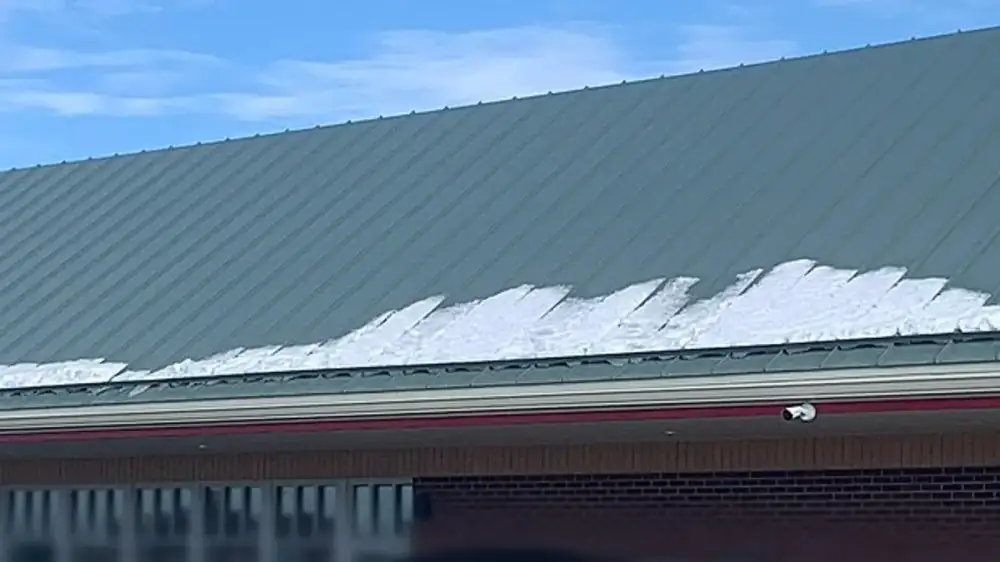
Metal Roof Edges and Drip Edge
Drip edge and metal roof-edge trim quietly protect the fascia, decking and gutters. Here's what they do and how to keep them working.
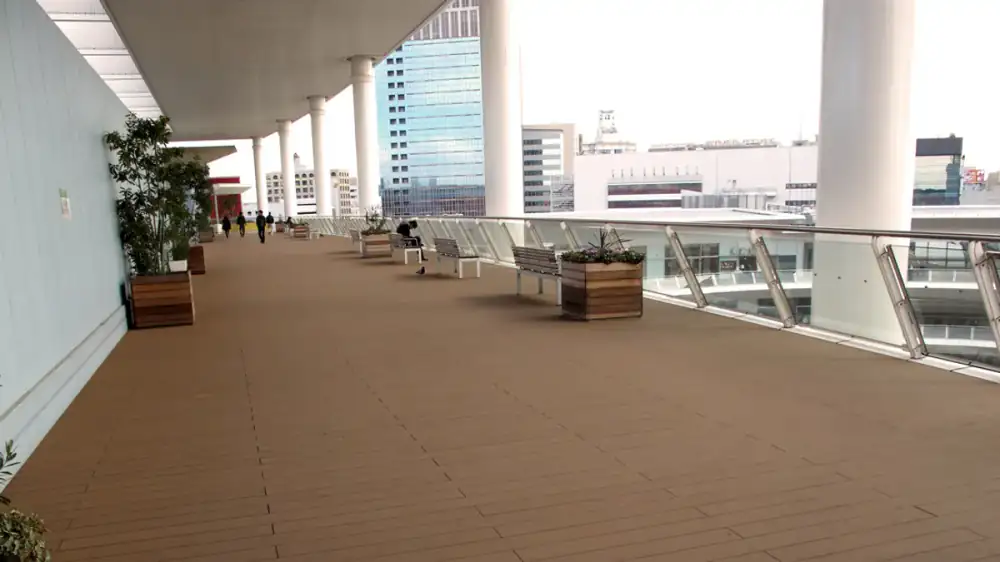
Composite Decking: Care and Cleaning
Composite decking is low-maintenance, not no-maintenance. Here's how to clean it, remove stains and avoid damaging the boards.
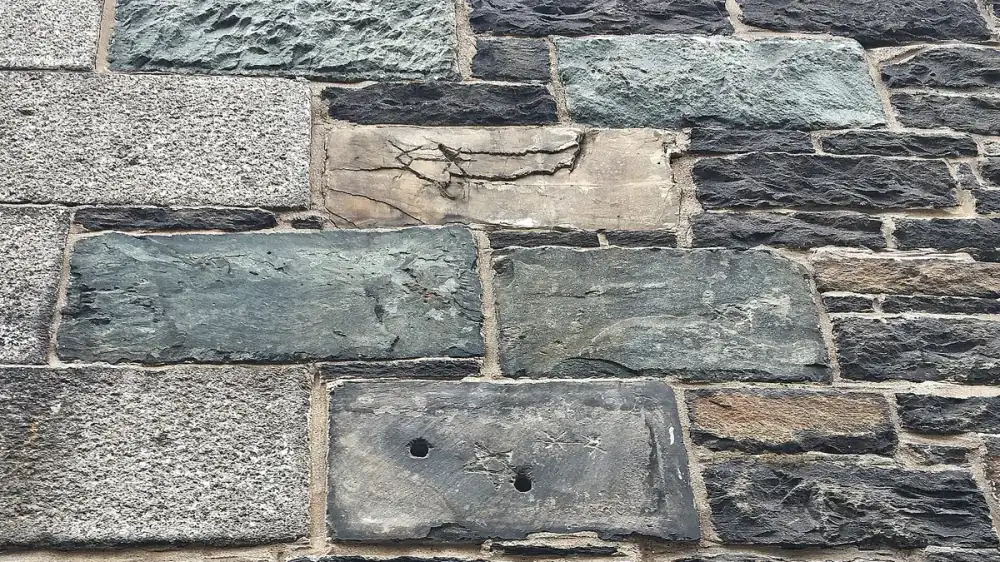
Natural Stone: Exterior Care and Cleaning
Natural stone is the most durable exterior surface, but some stones etch or stain easily. Here's how to clean and care for it safely.