Slate Roofing
Slate is one of the longest-lasting roofs money can buy, but the stone is brittle and the fasteners holding it are not. Here's how to clean and maintain a slate roof without cracking tiles or shortening its long life.
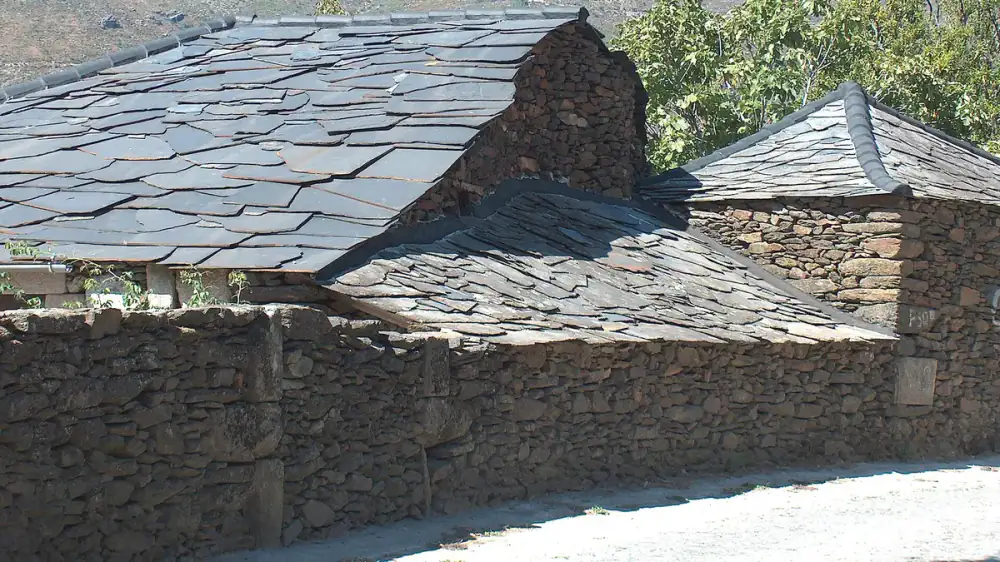
A slate roof will almost certainly outlive the person paying to maintain it, but the stone is brittle and cracks the moment weight lands wrong, and the things that actually give out are the nails, valleys and flashings, not the slate. So the whole job is restraint: clean gently or not at all, keep feet and pressure washers off the roof, and treat a slipped tile or a rust streak as the signal that matters. Leave anything at height to someone equipped to move across slate without breaking it.
There is a reason people talk about slate in the same breath as the buildings it covers. Split straight from natural stone, a sound slate roof takes sun, fire, frost and storm decade after decade with a composure that manufactured roofing can only imitate. And yet the same stone that can serve a century has a genuine weakness: it snaps under a boot in the wrong spot, and the metalwork pinning it down corrodes long before the slate does.
Hold those two facts together and slate care almost writes itself. The instinct to do more — to scrub, to seal, to climb up and sort it out — is usually the instinct to resist. The real work happens around the stone, at the fixings and flashings, and most of it is about noticing rather than intervening.
Why the stone is the last thing to fail
On a well-built slate roof, the slate is rarely the problem. Quality stone is dense enough to shed water and resist absorption, which is much of why it lasts, and it simply does not wear the way an asphalt shingle wears. What ages instead sits underneath and around it.
The classic failure is nail sickness: the nails or fixings holding each slate corrode and let go, and tiles begin to slip out of their courses. A single slipped slate is an afternoon's repair. A scatter of them across the roof is the fastenings announcing, collectively, that they are near the end. The other soft spots are the valleys and flashings — the metal that channels concentrated water around chimneys, hips and penetrations. Those details weather far faster than the stone and are where most slate-roof leaks actually begin.
The one exception involving the stone itself is delamination. Lower-grade or aging slate can split into thin layers as moisture works into it and freeze-thaw cycles pry it apart, leaving flaking, softening or a chalky surface. A few failures here and there are just tiles to replace; widespread flaking means the slate's own quality is running out. This shares something with other stone surfaces — see our guide to natural stone for the wider material family.
A light hand, and why pressure is the wrong tool
Slate's cool, textured face is a magnet for organic growth, especially on shaded north slopes and anywhere debris collects. Moss and lichen are the usual culprits; algae streaking, rust staining from corroding metal, and light mineral deposits round out the list. It looks like a scrubbing problem. It is not.
A concentrated stream is close to the worst thing you can aim at slate. High pressure cracks brittle tiles, drives water up under the courses against the direction the roof is built to shed, strips material off any stone that is already delaminating, and rattles the fixings that are the weakest link to begin with. This is one of the clearer cases where force loses. When slate needs cleaning at all, the method is patient:
- Clear the valleys and courses of debris so water moves freely and growth loses its foothold.
- Lift loose moss and lichen dry, brushing along the courses without prying at tile edges.
- Use a gentle, slate-appropriate cleaner only where growth persists, sparingly.
- Rinse softly and downward, never forcing water up beneath the slates.
- Skip wire brushes, scraping and any coating — all of them either abrade the stone or trap moisture in it.
Because it is chronic shade and damp that bring the growth back, the durable fix is more sunlight and better drainage, not a harder wash. Our overview of pressure washing versus soft washing explains why gentle wins on a surface like this, and the moss growing on the roof guide covers method and prevention in more depth.
A word on the ladder question, because it underpins everything above: slate is steep, high work, and the stone breaks under a misplaced step. Roofers use hook ladders and staging precisely to keep their weight off the tiles. For a homeowner, "clean the slate roof" almost always means "clean what you safely can from the edge and hand the rest to someone equipped for it."
What slipped tiles and rust streaks are telling you
Most of what you can see from the ground is a message about the fixings and the water, not the stone. Read the roof that way:
| What you see | What it usually means |
|---|---|
| Slipped or missing slates | Corroding fasteners — nail sickness |
| Cracked or broken tiles | Impact or foot traffic damage |
| Flaking, delaminating layers | Aging or lower-grade slate reaching its limit |
| Rust streaks at valleys | Corroding flashings or fixings |
| Persistent moss and lichen | Chronic shade, damp and trapped debris |
| A sag in the roof plane | Possible structural or fastening failure |
An isolated broken or slipped tile is routine. Widespread delamination, tiles slipping across the whole roof, rust running through the valleys, or any dip in the roof plane are the ones that earn a slate roofer's visit rather than a wait-and-see.
Keeping the metalwork sound
Since the stone rarely quits first, maintenance is mostly a matter of protecting everything that isn't the stone. Catch slipped slates early, before a gap exposes the underlayment. Have a roofer look over the valleys and flashings periodically, because that metal is on the clock in a way the slate is not. Keep debris off so nothing holds water against the tiles or dams a valley. Replace broken slates promptly and match them as closely as you can. Resist the urge to seal — let the stone breathe. And keep overhanging branches in check, since they drop debris and cast the shade that turns a roof permanently damp.
What "lasts for generations" actually rests on
Slate sits at the very top of the roofing durability range, comfortably outlasting materials like clay and concrete roof tiles and asphalt shingles on the same house. But that headline number is conditional. It assumes the fastenings, valleys and flashings are kept sound, the tiles stay unbroken, and the slate itself was decent stone to begin with. Neglect the metalwork and a roof that could have run a century starts leaking in a fraction of that time — not because the slate failed, but because the parts around it did. Get the small things right and the stone quietly does what stone does.
Related guides
- Clay and concrete roof tiles
- Asphalt shingles: exterior care and cleaning
- Natural stone: exterior care and cleaning
- Moss growing on the roof
- Pressure washing vs. soft washing
- All materials
Your questions, answered
Can you walk on a slate roof?
Not casually. Slate is brittle and cracks under concentrated weight, so stepping in the wrong place can break tiles that are then difficult and costly to match and replace. Slate roofers use specialized techniques, hook ladders and staging to distribute their weight and avoid the tiles. For homeowners, walking a slate roof is a job to leave to a professional.
Why are individual slates slipping out of place?
Slipped slates usually mean the fasteners have failed, not the stone. This is often called nail sickness — the nails or fixings corrode and let go long before the slate itself wears out. A single slipped slate is a maintenance item; many slipping across the roof can signal that the fastenings are reaching the end of their life and need a professional assessment.
How do I get moss off a slate roof?
Gently. Moss and lichen love the cool, damp texture of slate, especially on shaded north slopes. Loose growth can be carefully brushed off dry, and gentle cleaning can help, but aggressive scraping or high pressure cracks and delaminates the stone. Improving sunlight and keeping the roof clear of debris slows regrowth. See our guide on moss growing on the roof.
Should slate be sealed or coated?
Generally no. Quality slate doesn't need sealing, and film-forming coatings can trap moisture in the stone and interfere with the way the roof breathes and sheds water — potentially causing more harm than good. Slate's longevity comes from the stone itself and sound fastenings and flashings, not from a coating.
What causes some slates to flake and crumble?
Lower-grade or aging slate can delaminate — splitting into thin layers as water works into the stone and freeze-thaw cycles pry it apart. Flaking, softening or a chalky surface on many tiles suggests the slate is nearing the end of its natural life, whereas isolated failures are usually just individual tiles to replace. A slate roofer can tell the difference.
Are the flashings as durable as the slate?
Rarely. The valleys, flashings and fastenings are almost always the first things to fail on a slate roof, long before the stone. That's why maintenance focuses on the metalwork and fixings at valleys, chimneys and penetrations. Keeping those sound is what lets the slate deliver its full, very long life.
You might also like
Metal Roof Edges and Drip Edge
Drip edge and metal roof-edge trim quietly protect the fascia, decking and gutters. Here's what they do and how to keep them working.
Composite Decking: Care and Cleaning
Composite decking is low-maintenance, not no-maintenance. Here's how to clean it, remove stains and avoid damaging the boards.
Natural Stone: Exterior Care and Cleaning
Natural stone is the most durable exterior surface, but some stones etch or stain easily. Here's how to clean and care for it safely.