Why Mixing Metals Outdoors Can Backfire
Put two different metals together outdoors, add rain, and you've built a small battery — one that slowly eats one of them. It's called galvanic corrosion, and it's behind more premature exterior failures than most homeowners realize.
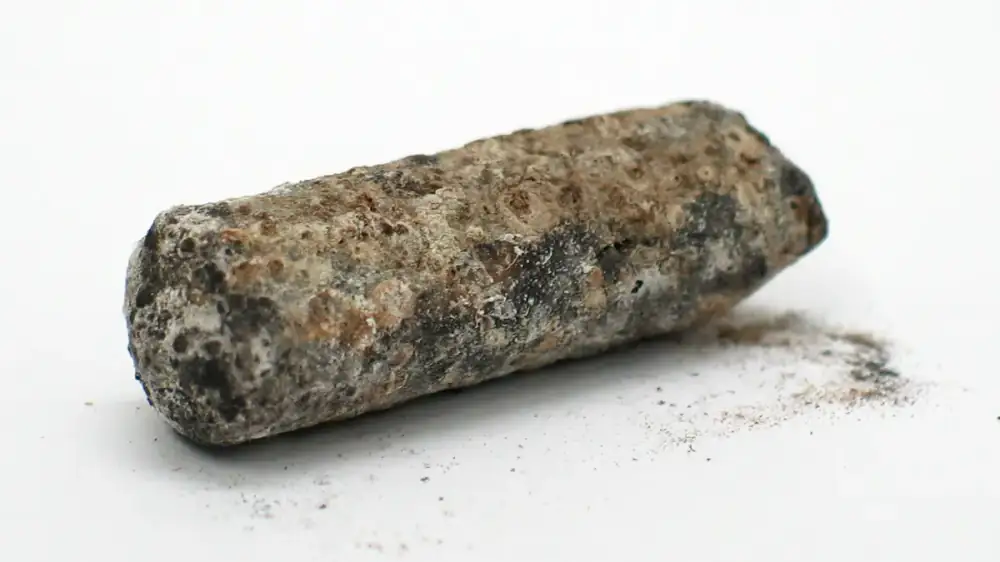
Put two dissimilar metals in contact outdoors, add moisture, and you've built a tiny battery — one metal corrodes faster while the other is protected. That's galvanic corrosion. The usual culprits are copper touching aluminium, copper runoff washing onto aluminium below, and mismatched fasteners. Avoid it by matching metals, isolating unavoidable contact with a non-conductive barrier, and keeping one metal's runoff off another.
Some exterior failures announce themselves. Others are quiet, chemical and slow, and by the time you notice the pitting or the strange staining, the damage has been building for years. Galvanic corrosion is firmly in the second category. It's one of the most common reasons metal components fail early outdoors, and one of the least understood by the people whose houses it's affecting. The good news is that the underlying idea is simple, and once you see it, you can spot the risky combinations before they cost you.
The tiny battery on your house
Strip away the chemistry and galvanic corrosion is just this: different metals have different electrical "eagerness." Line them up and some are more noble — think copper and stainless steel — while others are more reactive, like aluminium, zinc and plain steel. On their own, in dry conditions, that ranking doesn't matter. But bring two different metals into contact and add moisture, and you complete a circuit. The moisture acts as the electrolyte, the two metals become the two terminals, and current flows. The reactive metal gives up material to protect the noble one. You've accidentally built a battery, and it's powered by the slow destruction of whichever metal drew the short straw.
That's the whole mechanism. The larger the gap between the two metals in that ranking, the harder and faster the reactive one corrodes. And crucially, it doesn't always require direct touch — a shared wet path, like rain running off one metal onto another, is enough to carry the reaction along.
The pairings that cause the most trouble
A few combinations show up again and again in real exterior failures, and they're worth committing to memory.
Copper against aluminium is the headline offender. Copper is very noble; aluminium is reactive. Put them together and aluminium loses badly. This is why mixing a copper component with aluminium anywhere in a roof-edge or drainage system is asking for early failure of the aluminium part.
Copper runoff onto aluminium is the sneaky cousin of the above, and it catches people who were careful about direct contact. Rainwater running off a copper roof, a copper flashing detail or even a copper ornament picks up copper ions and carries them downhill onto whatever aluminium sits below — gutters, trim, siding. The two metals never touched, yet the aluminium pits and stains all the same. If you have copper up high and aluminium down low, the water is quietly connecting them.
Steel fasteners in the wrong host. A plain steel screw or nail driven into aluminium, or into modern treated wood, sits in a wet spot with a metal it doesn't get along with, and corrodes fast — sometimes staining the surrounding material and loosening the connection. The fastener is small, but its failure can unfasten something important.
Copper against steel, galvanized or plain, is another mismatch that eats the steel and its protective zinc coating over time.
The pattern underneath all of these is the same: a noble metal and a reactive metal, sharing moisture. Name that pattern and you can predict the risk anywhere on the house.
Why salt and shade make it worse
Galvanic corrosion needs an electrolyte, and not all moisture is equal. Salt is a superb electrolyte, which is why coastal homes — and homes near roads that get salted in winter — see galvanic failures that are faster and more aggressive than the same pairings would suffer inland. Salt air doesn't create the problem; it pours fuel on it.
The other accelerant is time spent wet. A pairing that dries out quickly between rains reacts slowly. The same pairing on a shaded north wall, in a splash zone, behind trapped debris, or anywhere that never fully dries, reacts far faster because the little battery is running more of the time. This is one more reason that trapped debris in a gutter is worth clearing — sitting wet leaves keep dissimilar metals in a constant electrolyte bath. It's a theme we return to in how exterior materials age over time: moisture that can't escape is behind most premature aging, metal included.
How to avoid building a battery
You don't need to be an electrochemist to design this problem out. Three principles cover nearly every situation.
Match your metals. The cleanest solution is to keep a system all one family. If your gutters are aluminium, keep the hangers, fasteners and flashing compatible with aluminium. If you're running copper, run copper through the connected components. A matched system has no galvanic couple to worry about in the first place.
Isolate what you can't match. When two different metals genuinely have to meet, break the electrical path between them. A non-conductive barrier — a compatible gasket, a coating, an isolating tape or the right sealant — keeps the two metals from sharing bare, wet contact, which is what the reaction needs. The goal is simple: never let dissimilar bare metals touch in the wet.
Mind the runoff. Because a shared water path is enough, think about what's uphill of what. Don't route copper's drainage onto aluminium, and vice versa. Where you can't separate the metals physically, separate their water — keep one metal's runoff from washing across another.
Fasteners deserve their own thought
It's easy to obsess over the big visible components and then undo it all with the wrong screws. Fasteners are metal too, they sit in the wettest, tightest contact of anything on the assembly, and a mismatched one corrodes or corrodes its host. "Stainless" is often a good, corrosion-resistant answer, but the real rule is compatible — a fastener whose metal gets along with the material it's securing, and that suits the exposure. Coastal air, treated lumber and constantly damp locations all raise the standard. On a structural connection, a roof-edge detail or anything you don't want to revisit, it's worth confirming the specified fastener rather than grabbing whatever's in the jar.
What it looks like when it's happening
Catching galvanic corrosion early means knowing its signature. Look for pitting, white powdery deposits or crumbling on the reactive metal right where it meets a different one — most often on aluminium next to or below copper or steel. Watch for staining that streaks downward from a copper feature onto aluminium or painted surfaces below. And treat loosening or rust-stained fasteners as a clue that the wrong metal is in the wrong place. These signs cluster at junctions and in the persistently wet spots, so those are the places to inspect first.
Mixing metals outdoors isn't always avoidable, and it isn't always a disaster — but it's never neutral. Every dissimilar-metal junction on a house is a small decision about whether you've built a durable connection or a slow battery. Choosing matched metals where you can, isolating the pairs you can't, and steering runoff away from the mismatch is most of what it takes to keep that decision on the right side. For how these choices fit the bigger picture of durability, see how to choose exterior materials that last.
Questions people also ask
What is galvanic corrosion, in one sentence?
When two different metals touch (or share a wet path) outdoors, one of them corrodes faster than it would alone, because the pair behaves like a tiny battery with moisture as the electrolyte. The 'less noble' metal is the one that gives itself up. It's an electrochemical reaction, not rust in the ordinary sense, though the result often looks like accelerated rust or pitting.
Which metal pairs are the worst offenders around a house?
Copper against aluminium is the classic problem — copper runoff and contact both attack aluminium hard. Copper against galvanized or plain steel is another. And ordinary steel fasteners in aluminium, or in treated wood, corrode quickly. The bigger the mismatch between the two metals, the faster the more vulnerable one degrades, especially with salt or constant moisture in the mix.
Does copper runoff really damage aluminium gutters below it?
Yes, and it's a common real-world failure. Rainwater running off a copper roof, flashing or component picks up copper ions and carries them onto aluminium below, where they drive corrosion even without direct contact. That's why you'll see aluminium gutters or trim pitting and staining beneath copper features. The fix is separating the drainage paths or matching the metals.
How do I stop two metals from reacting if I can't avoid pairing them?
Break the electrical path between them. Isolate the contact with a non-conductive barrier — a compatible gasket, coating, tape or sealant — so the two metals never share bare, wet contact, and keep one's runoff from washing onto the other. Choosing fasteners made of a metal compatible with what they're joining is the simplest version of the same principle.
Are stainless steel fasteners always the safe choice?
They're often a good, corrosion-resistant choice, but 'compatible' matters more than 'stainless.' The right fastener is one that plays well galvanically with the material it's securing and suits the exposure — coastal, treated wood and constant wet all raise the bar. When in doubt on a structural or roof-edge connection, it's worth confirming the specified fastener rather than assuming stainless solves everything.
Is galvanic corrosion only a coastal problem?
No, but salt makes it dramatically worse. The reaction needs an electrolyte, and salty air or salty rain is a very effective one, so coastal homes see faster, more aggressive galvanic failures. Inland, the same pairings still corrode wherever they stay wet — shaded north sides, splash zones and spots that never fully dry — just more slowly.
Metal Roof Edges and Drip Edge
Drip edge and metal roof-edge trim quietly protect the fascia, decking and gutters. Here's what they do and how to keep them working.
Composite Decking: Care and Cleaning
Composite decking is low-maintenance, not no-maintenance. Here's how to clean it, remove stains and avoid damaging the boards.
Natural Stone: Exterior Care and Cleaning
Natural stone is the most durable exterior surface, but some stones etch or stain easily. Here's how to clean and care for it safely.