Chimney Cap vs. Chimney Cowl: What's the Difference?
Cap and cowl describe closely related chimney-top covers — and the words are often used interchangeably. Here's what each term means and when you'll hear one over the other.
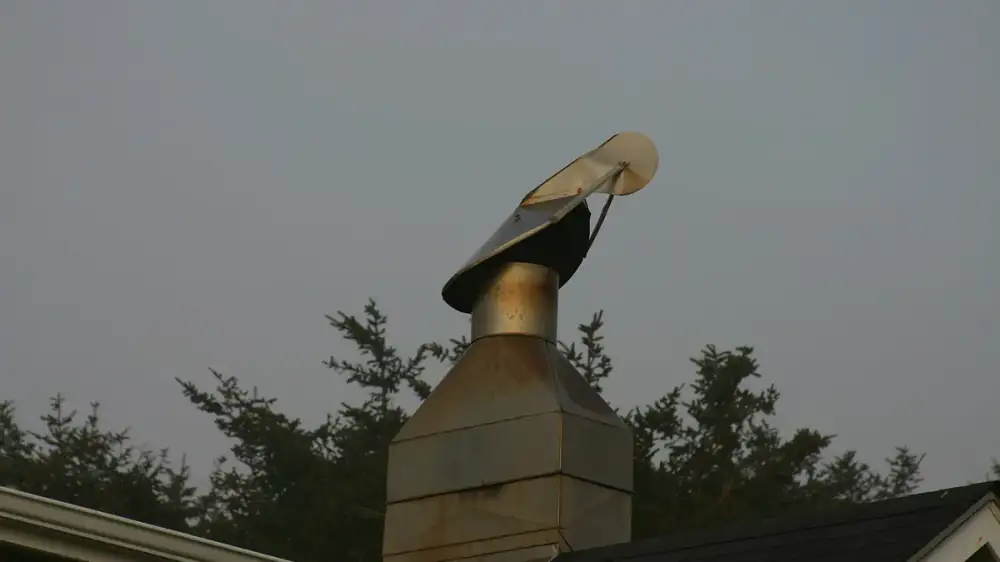
Cap and cowl are closely related names for a chimney-top cover, and in everyday use they often mean the same thing. In American usage, cap usually describes the familiar solid-top, mesh-sided cover that keeps rain, animals, debris, and embers out. Cowl, heard more in British usage, often refers to shaped covers that also aim to improve draft or reduce downdraft. Which term you hear depends as much on where you are as on what is on the roof.
Read enough about chimney tops and you will meet both words, sometimes attached to what looks like the identical part. That is not sloppiness so much as history: two vocabularies grew up around the same piece of hardware, and they have been bleeding into each other ever since. Rather than hunting for a crisp dividing line that does not really exist, it helps to understand where each word came from, what it tends to point at, and why the same cover can honestly answer to either name.
Why the two words blur
Start with what the two terms share, because it is most of the substance. A cap and a cowl both sit at the very top of the flue, and both do the same fundamental job: keep weather and unwanted visitors out while letting smoke escape. In casual conversation, and among plenty of tradespeople, they are simply swapped back and forth without anyone being wrong.
The real difference is one of emphasis and regional habit, not category. "Cap" carries the flavor of the plain protective cover most Americans picture on a rooftop. "Cowl" carries the flavor of a shaped cover with something to say about airflow, and it is the everyday word in British English. Once you see the distinction as a spectrum of usage rather than two sealed boxes, most of the confusion evaporates — and so does any worry about picking the "correct" term.
What people mean when they say cap
The chimney cap is the cover most homes in the United States carry. Picture a small metal roof over the flue: a solid top to keep rain and snow from falling straight in, and mesh sides wrapping down toward the flue opening. Smoke and combustion gases slip out through and around the mesh; rain, snow, animals, leaves, and stray embers are turned away at the same barrier.
That is a lot of work for a part with no moving pieces. A cap handles weather, wildlife, debris, and ember control simultaneously and quietly, which is why it earns "workhorse" honestly. Because it does so much, it gets its own detailed treatment in how chimney caps protect against rain and debris, and the range of styles is laid out in types of chimney caps.
What people mean when they say cowl
A cowl begins from the same protective premise but usually adds a shape meant to do something with the air. Where a basic cap just covers and screens the opening, many cowls are built to influence how the chimney draws.
Some have a curved or hooded profile intended to fight downdraft — the situation where wind shoves air back down the flue instead of letting smoke rise. Others spin or pivot with the wind. The behavior depends entirely on the particular design, which is why "cowl" is best read as an umbrella for a whole family of shaped, often draft-minded covers rather than one specific object. And because a cowl is usually chosen to solve a defined airflow complaint, it tends to enter the conversation when there is a symptom on the table — a smoky room, a poor draw, wind-driven downdraft — rather than as the default cover on a chimney that has never given trouble.
Cap and cowl side by side
| Feature | Chimney cap | Chimney cowl |
|---|---|---|
| Common region | United States | More common in British usage |
| Typical shape | Solid top, mesh sides, box-like | Sculpted, hooded, or rotating |
| Core job | Keep out rain, animals, debris, embers | The same, plus influencing draft |
| Moving parts | None | Some types spin or pivot |
| Usually chosen for | Standard all-around protection | Draft or downdraft problems |
| Overlap | Often called a cowl anyway | Often called a cap anyway |
Read the last row twice, because it is the honest heart of the matter. The columns are not walls. A single cover can reasonably be called either name, and the "right" word usually just reflects who is talking and where they learned the trade.
Which word turns up where
You are most likely to hear cap in an American context, on a standard masonry or prefab chimney, describing the everyday protective cover. It is the word to reach for when the aim is simply keeping the flue safe from weather and wildlife. You are most likely to hear cowl in British material, or in any conversation that is specifically about improving draft, stopping downdraft, or wrestling with wind at the chimney top. When someone recommends a cowl, that word choice itself is usually a signal that airflow — not just weatherproofing — has become part of the concern.
For the jobs most homeowners actually care about, a well-fitted cap covers the bases. A specialized cowl earns its place when a chimney professional has identified a specific draft issue worth addressing. Which one suits your particular chimney is their determination to make, not something to guess at from the driveway.
Keeping an eye on whichever you have
Naming the part is the easy half; keeping it sound is the ongoing half, and you can do a surprising amount of that safely from the ground. With binoculars from the yard or an upstairs window, plus attention to what you notice indoors, watch for a few things that apply no matter which word fits your cover.
Rust, flaking metal, or rust streaks running down the masonry all say the metal is failing. Torn, sagging, or missing mesh means animals and debris have a way back in. A loose, tilted, or missing cover at the top of the flue is an obvious problem, and a rotating cowl that has stopped turning is a subtler one worth noting. Indoors, persistent draft or smoke trouble — smoke drifting into the room, or a fire that draws poorly — can point to an airflow issue that a cowl or a professional adjustment might resolve. For the specific look of a failing cover, signs a chimney cap needs replacement and rusted chimney cap: what to do go through the details.
A couple of traps are worth sidestepping. Do not assume cap and cowl are entirely different products you must choose between; they overlap heavily, and the same cover often answers to both. Do not chase a draft-oriented cowl to cure a leak — if water is getting in, the fix usually lives in the cap, crown, or flashing instead. And do not treat either one as maintenance-free; both rust, tear, and shift, and a spinning cowl has parts that can seize.
The one thing that stays firmly off your list is going up to look. The top of the chimney is the least forgiving spot on the house, so the observing is yours from the ground and the height belongs to someone equipped for it. If your check turns up rust, damaged mesh, a loose or missing cover, or a cowl that no longer turns — or if draft, downdraft, or smoke problems keep recurring — that is the moment to bring in a qualified chimney professional. Selecting between a cap and a cowl, sizing it, fitting it, and servicing it are all roof-level tasks. A seasonal chimney inspection is a natural moment to have the cover assessed and to ask whether your chimney would be better served by one or the other.
Common questions
Are a cowl and a cap really the same thing?
They overlap a great deal, and in everyday use the words are often interchangeable. Both are covers that sit at the top of a flue. Cap is the more common term in the United States and usually describes the familiar solid-top, mesh-sided cover, while cowl is heard more in British usage and often refers to shaped covers aimed at improving draft or stopping downdraft.
What is a cap's job?
A cap sits over the flue opening with a solid top and mesh sides. It keeps rain, snow, animals, leaves, and stray embers out of the flue while still letting smoke and combustion gases vent. It is the workhorse chimney-top cover on most American homes.
What does a cowl add?
A cowl is a shaped cover that, on top of keeping weather and debris out, is often designed to influence how the chimney draws. Some cowls are shaped to reduce downdraft or wind-caused problems, and some spin or pivot with the wind. The specific function depends on the cowl type.
So which one should be on my chimney?
For most homes with a standard fireplace, a well-fitted cap covers the essential jobs of keeping out rain, animals, debris, and embers. A specialized cowl is usually considered when there is a particular draft or downdraft problem to solve. Which is appropriate for your chimney is best determined by a chimney professional.
Can I work out which I have from the ground?
Often, yes. With binoculars from the ground or an upstairs window, a plain box-like cover with mesh sides and a flat or slightly peaked top is typically a cap. A more sculpted shape, a rotating top, or a curved hood usually indicates a cowl of some kind. The exact type is easiest to confirm during a professional inspection.
What would prompt a call to a professional?
Call a chimney professional if your ground-level check shows rust, damaged mesh, a loose or missing cover, or a cowl that is no longer moving as it should — and any time you have persistent draft, downdraft, or smoke problems. Choosing, fitting, and servicing a cap or cowl is roof-level work that belongs with a qualified professional.
You might also like
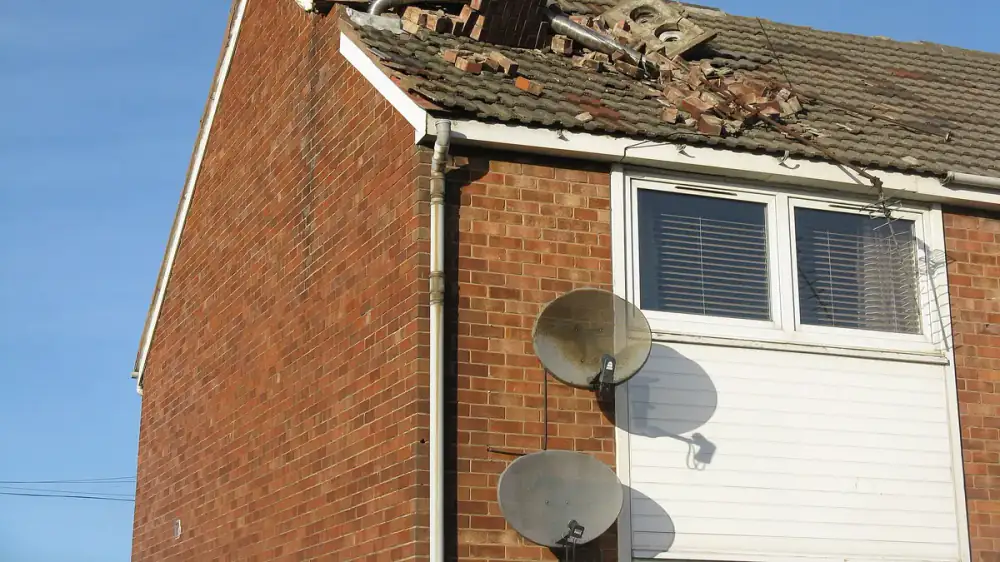
Chimney Storm Damage: What to Check
Storms dislodge caps, crack crowns, and lift flashing. Here's a ground-level, post-storm chimney check — what to look for, what to do, and when to call a pro.
Seasonal Chimney Inspection From the Ground
A short binocular check each season catches most chimney trouble early. Here's what to look for from the ground, a simple cadence, and when to book a pro sweep.
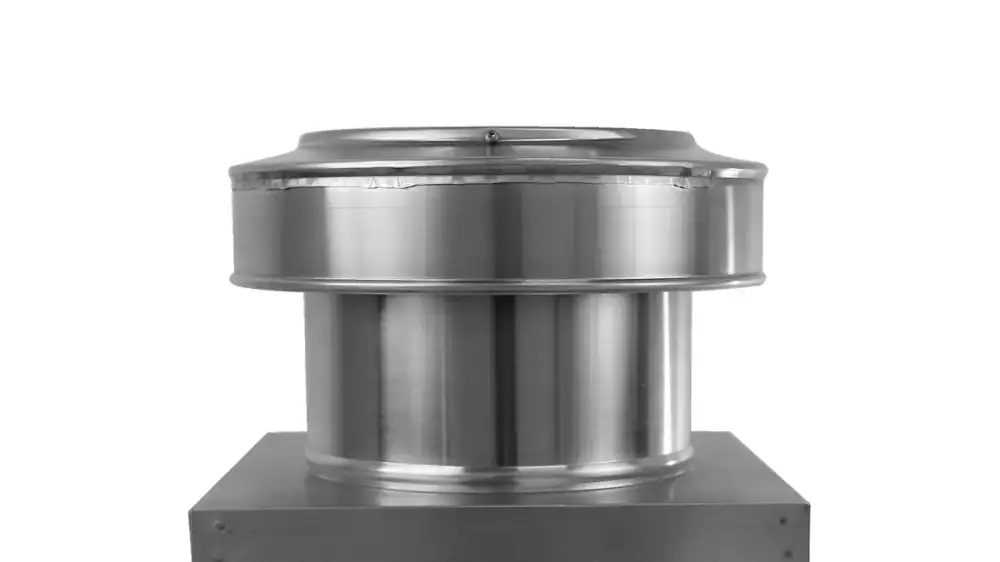
Roof Vents and Vent Covers Explained
Roof vents let the attic breathe, and their covers keep weather out while air keeps moving. Here are the common types, what covers do, and how to spot damage safely.