Types of Chimney Caps Explained
Not all chimney caps are the same — the right one depends on how many flues you have and how the top of your chimney is built. Here's how the common types compare.
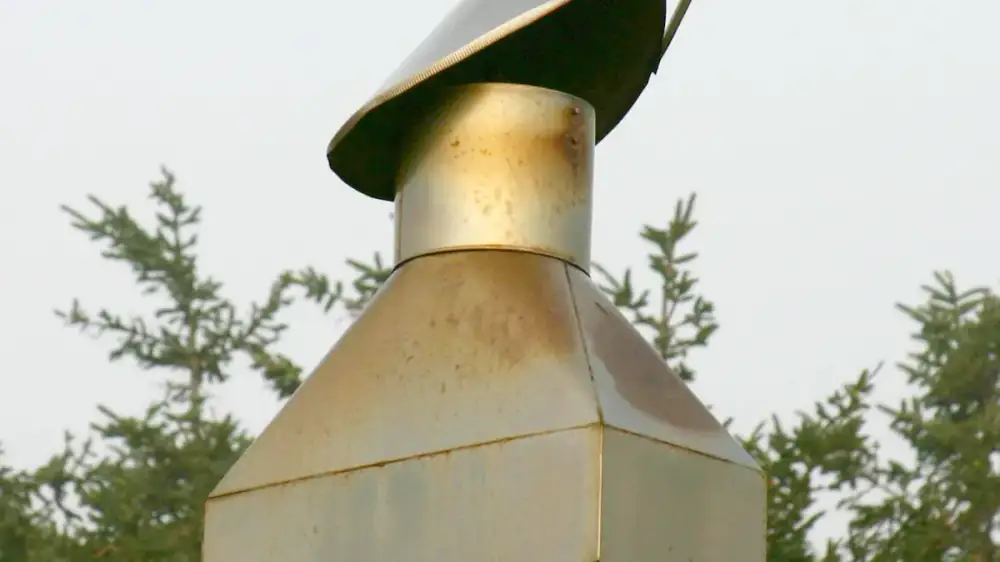
The common chimney cap styles are the single-flue cap (covers one flue tile), the multi-flue and top-mount caps (cover several flues or the whole top at once), and the band-around cap (clamps to the outside of a flue tile). They're typically made of stainless steel, copper, or galvanized steel. The right type depends on how your chimney top is built — and fitting one is roof work for a professional.
From the sidewalk a chimney cap reads as a single generic object — a little metal hat perched on the brick. Get closer and the category splits into several distinct designs, each shaped for a different kind of chimney top. Knowing which is which does three practical things: it tells you what is actually up there, it lets you recognize when the wrong style has been fitted, and it gives you the vocabulary to describe the situation accurately when you phone a professional. It also explains why a cap can't simply be bought off a shelf and set on top — it has to answer to the flue and the crown beneath it.
If the very idea of a cap is new to you, begin with how chimney caps protect against rain and debris. What follows is about the shapes and the metals.
The chimney decides the cap, not the reverse
Chimneys are not built to one blueprint. Some carry a single flue; others bundle two or three flues inside one masonry stack. The top surface — the chimney crown — varies in width, slope, and condition from house to house. A cap has to seal or shelter whatever is genuinely up there, so the style is dictated by the chimney rather than chosen in a vacuum.
Choose wrong and one of three things goes sideways: the cap won't seat securely, it won't cover every opening, or it won't shed water the way it should. That is why identifying the type is worthwhile even though the fitting itself stays a professional's job.
The single-flue cap
This is the one most people picture when they hear "chimney cap." It covers a single flue tile — the clay or metal liner that stands a few inches proud of the crown — and grips it directly, usually by slipping over the tile and tightening down with screws or clamps.
It is the most common style for the simplest of reasons: most homes have exactly one flue. From the ground it reads as a small cover riding a single square or round tile, mesh on the sides and a solid top. Where there is only one flue, this is typically the tidiest and most economical fit.
When one cover has to span several flues
A chimney sometimes carries more than one flue — say, one serving the fireplace and another venting a furnace or water heater. You could cap each tile individually, but a multi-flue cap does the job with a single, larger cover instead.
That cover is a one-piece lid spanning the whole cluster of flues, and it generally anchors to the crown or the outer masonry rather than to any one tile. It gives a cleaner look across a wide chimney and shelters the crown surface into the bargain. Because these caps are big and cut to the specific top, they sit squarely in professional-fitting territory.
The top-mount lid
A top-mount cap — sometimes called an outside-mount cap — is a lid that covers the entire top of the chimney and fastens to the crown or the outside of the masonry. Rather than gripping a flue tile, it caps the whole structure the way a roof caps a room.
Because it blankets everything, a top-mount cap protects every flue plus the crown beneath it, which makes it a frequent pick where there are multiple flues or where a weathered crown needs extra cover. It overlaps heavily with the multi-flue category; the feature that defines it is simply that it mounts to the outside of the chimney top instead of to any individual flue.
The band-around variation
A band-around cap is a single-flue design that holds on differently. Instead of slipping inside or over the top of the tile, it grips the outside of the flue tile with an adjustable metal band that tightens around it, and the cap sits above.
The design earns its keep when a tile's shape, or a slightly damaged rim, makes a clean slip-fit awkward. It is still a one-cap-one-flue solution — just with a different grip.
Choosing the metal
Whatever the shape, the same short list of metals turns up, and the choice affects longevity and looks far more than function.
| Material | Notes |
|---|---|
| Stainless steel | Strong rust resistance and a long service life; a common all-around choice |
| Copper | Highly weather-resistant and distinctive in appearance; typically the premium option |
| Galvanized steel | Lower cost, but more prone to rust over time — watch for staining |
Regardless of the metal, the working anatomy stays constant: a solid top that flings rain outward and mesh sides that let smoke and gases out while holding animals and debris at bay. For a closer look at how that mesh earns its place, see damaged chimney cap mesh.
The four styles side by side
| Cap type | Covers | Typically attaches to |
|---|---|---|
| Single-flue | One flue | The flue tile (slip-fit or clamp) |
| Band-around | One flue | The outside of the flue tile, via a band |
| Multi-flue | Several flues at once | The crown or outer masonry |
| Top-mount | The whole chimney top | The crown or outer masonry |
Different as they are, all four chase the same end: keeping rain, animals, leaves, and stray embers out of the flue while letting smoke escape.
Telling yours apart from the yard
You can make a rough identification without a ladder. Through binoculars from the lawn or an upstairs window, a small cover riding a single tile suggests a single-flue or band-around cap, while a broad lid spanning the whole top points to a multi-flue or top-mount design. The same vantage is where you'd notice a cap that has gone missing and left a flue open, one sitting crooked or loose rather than square, rust streaking the masonry from a corroding cap, torn or missing mesh on the sides, or a cap that looks undersized and leaves part of a flue or the crown exposed. Any of those is a reason for a closer professional look — and none of them can be judged for fit or condition with real precision from below, so take a ground-level read as a starting point, not a full inspection.
Where a homeowner's part ends
Bring in a qualified chimney professional to size, select, install, or replace any cap. Matching the style to your flue count and crown, then fastening it securely at the highest point of the house, is roof-level work with no margin for error — and buying a cap by guesswork, capping only one of several flues, or choosing on price alone are the usual ways it goes wrong. No cap, whatever the metal, retires you from the occasional check either; any type can rust, tear, or shift over time. Your role is the ground-level one: noticing when a cap is missing, damaged, crooked, or clearly the wrong style, and knowing enough to describe it accurately.
For the signs that an existing cap has reached the end of its life, read signs a chimney cap needs replacement. To fold cap checks into a wider routine, see the seasonal chimney inspection guide.
Questions homeowners ask
What is the most common type of chimney cap?
The single-flue cap is the most common, because most homes have a single clay flue liner poking up above the crown. It's a small cover that slips over or clamps to that one tile. Homes with more than one flue in the same chimney usually need a multi-flue or top-mount cap instead.
What is the difference between a single-flue and a multi-flue cap?
A single-flue cap covers one flue and attaches directly to that flue tile. A multi-flue cap is a larger, one-piece cover that spans several flues at once and typically anchors to the crown or the outside of the chimney. If your chimney has two or more flue openings side by side, a multi-flue or top-mount design covers them together.
What is a top-mount chimney cap?
A top-mount cap is a lid-style cover that sits over the entire top of the chimney and fastens to the crown or the outer masonry rather than to an individual flue. It shelters every flue plus the crown surface underneath, and it's often chosen when there are multiple flues or a damaged crown to shield.
What material is best for a chimney cap?
Stainless steel and copper resist rust and weather the longest, which is why they're common choices; galvanized steel costs less but tends to corrode sooner. The best material for you depends on climate, budget, and how the cap looks on your home. The right fit and secure attachment matter as much as the metal itself.
Can I tell which cap type I have from the ground?
Often, yes. With binoculars from the yard, a small cover on a single tile suggests a single-flue cap, while a large lid spanning the whole top points to a multi-flue or top-mount design. You won't be able to judge fit or condition precisely from below, so treat it as a rough identification, not a full inspection.
When should I involve a professional in choosing a cap?
Bring in a qualified chimney professional whenever a cap needs to be sized, selected, installed, or replaced. Matching the cap to the flue and crown, and fastening it securely at the top of the chimney, is roof-level work. Your job is to notice from the ground that a cap is missing, damaged, or wrong for the chimney.
Related reading
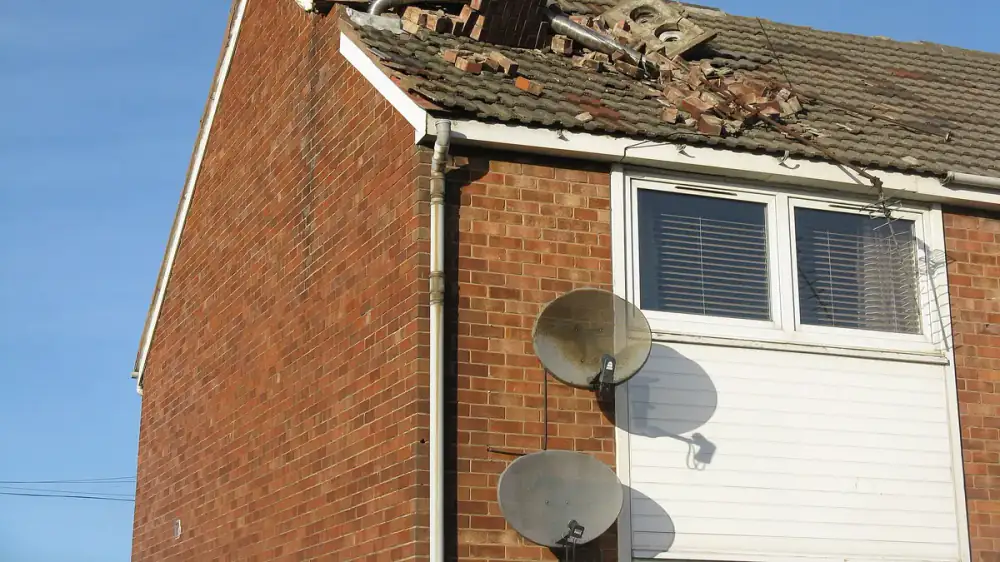
Chimney Storm Damage: What to Check
Storms dislodge caps, crack crowns, and lift flashing. Here's a ground-level, post-storm chimney check — what to look for, what to do, and when to call a pro.

Seasonal Chimney Inspection From the Ground
A short binocular check each season catches most chimney trouble early. Here's what to look for from the ground, a simple cadence, and when to book a pro sweep.
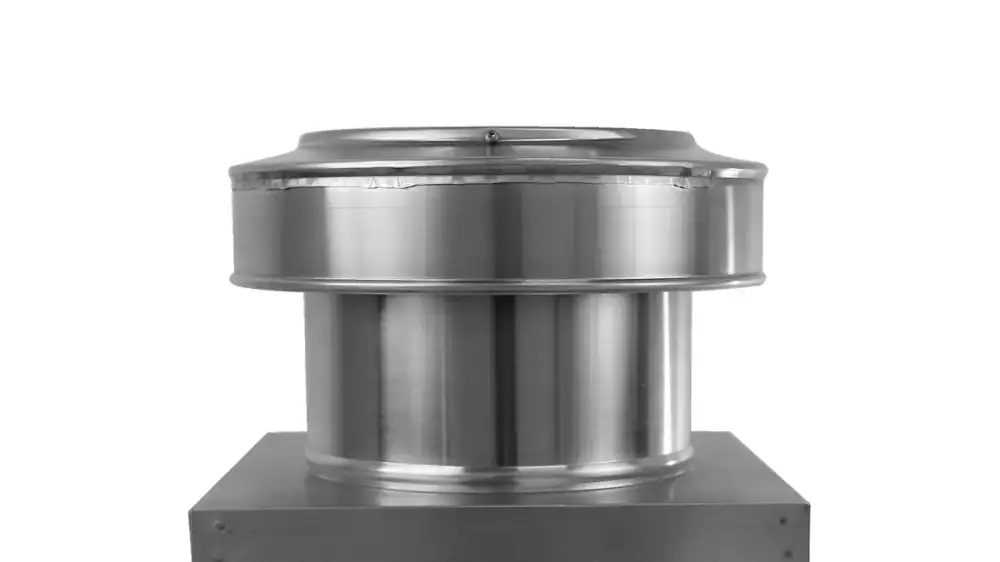
Roof Vents and Vent Covers Explained
Roof vents let the attic breathe, and their covers keep weather out while air keeps moving. Here are the common types, what covers do, and how to spot damage safely.