Rusted Chimney Cap: What to Do
Rust streaks down the masonry are often the first sign a chimney cap is corroding. Here's why caps rust, what it leads to, and how to tell repair from replacement — safely.
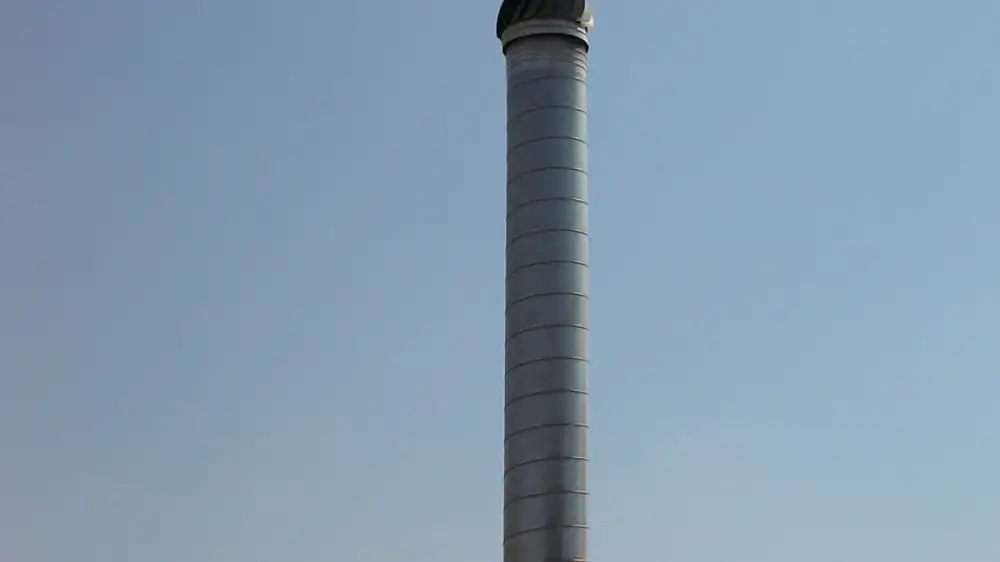
A rusting chimney cap is usually spotted first as orange streaks running down the masonry. Caps rust because they sit fully exposed to weather — galvanized steel is the most prone. Left alone, rust weakens the metal and mesh until the cap fails, letting in rain, animals, and debris. Light surface rust may be manageable, but a corroded-through cap needs replacing. Removing or replacing a cap is roof-level work for a professional.
Most chimney problems keep quiet until they're expensive. Rust is the exception. Long before a corroding cap actually gives out, it paints its own confession down the brick — a fan of orange that widens with every rainfall. Read that streak correctly and you have a head start most homeowners never get. The only wrong move is to treat it as an invitation to climb up and handle things yourself.
Reading the streak on the brick
The orange trail is not really the problem; it is the receipt. Rain lands on a corroding cap, picks up dissolved iron oxide, and carries it down the porous masonry, where it soaks in and dries as a stain. So the streak tells you two things at once: the cap above it is losing metal, and it has been doing so long enough for the runoff to leave a visible record.
That is useful, because the streak points straight up to its source. Follow it with your eyes to the cap at the top of the flue and you know where to look next. What the stain cannot tell you is how much cap is left — a faint tint and a cap that is nearly perforated can shed similar-looking runoff. The streak flags the trouble; it does not measure it.
Why the top of the house is where metal loses
A chimney cap works in the harshest square foot on the whole building. Nothing sits above it to break the weather, so it absorbs every rainfall, every snow load, and every freeze-thaw cycle head-on. Metal in that position corrodes; the only variables are how fast and how soon.
The single biggest variable is what the cap is made of.
- Galvanized steel rusts first. A zinc coating shields the steel for a while, but once that coating thins and wears through, the exposed steel underneath starts to corrode in earnest.
- Stainless steel shrugs off corrosion far longer, which is why it has become such a common replacement choice.
- Copper is the most weather-durable of the common options and usually the longest-lived, at a premium price.
Age stacks on top of material. No cap lasts forever, and an older galvanized cap simply reaching the end of its service life is the classic origin of a rust streak. If you are weighing what to put back up there, the trade-offs are laid out in types of chimney caps.
From stain to hole to open flue
Rust is progressive, and its stages tend to arrive in order. Understanding the sequence helps you judge where a given cap sits on the path.
It starts cosmetic — discoloration on the cap and those streaks below. Then it turns structural: corrosion thins the solid top and the frame until they lose strength and small holes appear. The mesh sides, being thinner, often go next, tearing or dissolving into gaps that let animals, embers, and debris straight into the flue — the failure covered in damaged chimney cap mesh. At the far end, a badly rusted cap can crack, drop sections, or come apart entirely. At that point the flue is effectively uncapped, and you are back to the entry-point problems described in how water gets in around a chimney.
Put simply, rust turns a working cap into a missing one, one stage at a time.
What binoculars can pick out
You can track most of that progression without leaving the ground. From the yard or an upstairs window, a decent pair of binoculars resolves the tells, and matching what you see to what it suggests gives you a sense of urgency before a pro ever arrives.
| What you see from the ground | What it suggests |
|---|---|
| Faint orange tint on the cap | Early surface rust — worth monitoring and a closer look |
| Rust streaks on the masonry | Active corrosion shedding off the cap |
| Flaking metal, small holes | Rust advancing into the structure |
| Torn or missing mesh | Corrosion has compromised the screen |
| Deformed or collapsing cap | Cap nearing or at failure |
The one measurement binoculars cannot give you is depth. Surface bloom and metal that is rusted clean through can look alike from forty feet below, so treat everything in that table as a reason for a closer look rather than a verdict.
Clean and treat, or replace outright?
Whether a rusted cap can be saved comes down to how far the corrosion has traveled — and that is a judgment made up close, not from the lawn.
The rough frame is straightforward. Light surface rust on a cap that is otherwise sound can sometimes be cleaned and treated, buying more years. Rust that has eaten through the metal or destroyed the mesh has passed the point of patching; a cap that is structurally compromised rarely holds a repair, and replacement becomes the lasting choice. When the two options are close, a professional inspecting the metal in hand is the one to make the call.
If you are budgeting, expect the number to move with the cap type, its size, the chimney's configuration, and how awkward the roof access is. Any figure you find online is a planning estimate, not a quote — the material you choose and whether the chimney needs a single-flue or multi-flue cap will swing it more than anything.
Don't sit on these
A few observations mean the cap is at or near the end and should be looked at soon rather than watched:
- rust streaks that are visibly worsening or spreading down the masonry;
- open holes in the cap's top or its mesh;
- a cap that has shifted, deformed, or partly collapsed;
- fresh water stains near the chimney indoors, which often trail a failing cap;
- animal noises or debris turning up in the firebox, a sign the cap no longer seals.
A couple of habits also quietly make rust worse. Painting over the streaks tidies the brick without touching the corroding cap that keeps producing them, so the stains return. Choosing galvanized again purely on price restarts the same clock you are already dealing with. And no cap, not even stainless or copper, retires you from the occasional ground-level check.
Where your part ends and a pro's begins
The division of labor here is clean. Spotting the rust, reading the streak, and describing what you see is entirely a homeowner's job, and a valuable one. Everything at the top is not.
Call a qualified chimney professional as soon as you notice rust on the cap or staining on the brick. They can inspect it in hand, decide whether cleaning and treatment will do or whether replacement makes more sense, and carry out the work at the top of the chimney — the highest and least forgiving point on the house, where removing, sizing, and refitting a cap is exacting work best done by someone equipped for it.
For the wider view of when a cap has simply reached the end of its life, read signs a chimney cap needs replacement, and build the cap into the habit described in the seasonal chimney inspection guide.
Answers to common questions
Why do chimney caps rust?
Caps sit fully exposed at the top of the house, taking constant rain, snow, and temperature swings. Galvanized steel caps are the most rust-prone because their protective coating wears away over time; stainless steel and copper resist corrosion far longer. Age, weather, and the cap's material all play a part in when rust sets in.
Is a rusty chimney cap a problem?
Yes. Rust weakens the metal and the mesh, so a rusted cap can develop holes, lose sections of screen, or fail entirely — letting in rain, animals, and debris. It also stains the masonry with orange streaks. A little surface discoloration is an early warning; advancing rust means the cap is heading toward failure.
Can a rusted chimney cap be repaired, or does it need replacing?
It depends on how far the rust has gone. Light surface rust on an otherwise sound cap may be manageable, but once rust has eaten through the metal or destroyed the mesh, replacement is usually the sensible choice. A chimney professional inspecting it up close is the one who can judge which makes sense.
Can I spot a rusted cap from the ground?
Often, yes. With binoculars from the yard or an upstairs window, look for orange or brown discoloration on the cap, flaking metal, and rust streaks running down the masonry below it. You won't be able to judge how deep the rust goes from below, so treat what you see as a flag for a closer professional look.
Can I remove and replace a rusted cap myself?
No. Removing or replacing a cap means working at the very top of the chimney — the highest point of the house — which is roof-level work best left to a qualified chimney or roofing professional. From the ground you can spot the rust and describe it; the removal, sizing, and refitting are professional tasks.
When should I call a professional about a rusted cap?
Call a qualified chimney professional as soon as you notice rust on the cap or rust streaks on the masonry. They can inspect it up close, judge whether repair or replacement makes sense, and do the work safely at the top of the chimney. Catching it early can mean a simpler fix and less staining.
You might also like
Chimney Storm Damage: What to Check
Storms dislodge caps, crack crowns, and lift flashing. Here's a ground-level, post-storm chimney check — what to look for, what to do, and when to call a pro.
Seasonal Chimney Inspection From the Ground
A short binocular check each season catches most chimney trouble early. Here's what to look for from the ground, a simple cadence, and when to book a pro sweep.
Roof Vents and Vent Covers Explained
Roof vents let the attic breathe, and their covers keep weather out while air keeps moving. Here are the common types, what covers do, and how to spot damage safely.