Chimney Cricket and Saddle Explained
A cricket — also called a saddle — is a small ridged structure built behind a wide chimney to split rainwater and send it around the masonry instead of piling up against it.
A chimney cricket — also called a saddle — is a small peaked structure built into the roof on the uphill side of a chimney. Its ridge splits rainwater and snowmelt and steers it around both sides instead of letting it pile up against the back wall. Wide chimneys especially need one, because their broad uphill face intercepts far more runoff than a narrow chimney does.
A chimney breaks the clean slope of a roof, and every drop of water running downhill has to find its way past that interruption. On the uphill side, the water hits the back wall of the chimney head-on and has to do something. A cricket is the small, unglamorous structure that answers the question — a purpose-built ridge that divides the flow and routes it safely around the obstacle. It is easy to walk past without noticing, yet on a wide chimney it is doing quiet, genuinely essential work.
The part with two names
Picture a miniature peaked roof tucked in behind the chimney, on the face that looks uphill. It has two sloped surfaces that meet along a central ridge, and that ridge runs from the back wall of the chimney out toward the top of the roof slope, aimed directly into the descending water. That is a cricket.
It is also a saddle. The two words describe exactly the same part, and you will hear both from roofers with neither being more correct than the other — a matter of regional and trade habit more than anything technical. Whatever it is called, the structure occupies the spot where a shallow valley would otherwise form: the seam where the flat back of the chimney meets the sloped roof, the natural low point where water and debris would collect if nothing were there.
The problem it quietly solves
Follow a rainfall or a melt down the roof toward a chimney with no cricket. All that water reaches the uphill face and finds no obvious route onward. It slows, spreads sideways, and pools against the masonry — and it does not arrive alone, dragging leaves, grit, and shingle granules with it. Standing water and trapped debris are precisely the conditions that breed leaks and deterioration over time, and they sit there working on the joint season after season.
A cricket changes the geometry so the problem never forms. Its ridge behaves like the bow of a boat: it meets the oncoming water and cleaves it into two streams. Each stream runs down one of the cricket's sloped faces, around the side of the chimney, and back into the ordinary flow heading down the roof. The water keeps moving instead of ponding, and debris is far less likely to lodge against the back wall. It is a pure shedding job, one part of a chimney's larger water-management system — if you want the full map of how runoff finds a way in, how water gets in around a chimney walks through the common paths.
Why width is the deciding factor
The single variable that determines whether a chimney needs a cricket is its width. A narrow chimney presents only a small target to the water coming downhill, and runoff tends to slip around its corners on its own with little help. As the chimney gets wider, its uphill face intercepts more of the roof's water, and it stretches the run of back wall along which that water can gather.
Past a certain width, the back wall effectively becomes a low dam laid across the slope. Water backs up behind it, debris settles into the pool, and the flashing at that joint is suddenly being asked to hold back standing water rather than simply shed a passing flow — a job it was never meant to do, and a losing battle over the seasons. A cricket removes the dam by giving the water a peak to divide against and a slope to run down. There are general guidelines in the building trades for the width at which a cricket becomes standard practice, but the exact threshold, along with any local requirements, is best confirmed by a roofer familiar with your area rather than assumed from a rule of thumb.
Cricket and flashing are partners, not rivals
It is easy to lump a cricket in with flashing, since both live at the base of the chimney and both deal with water. But they solve different halves of the same problem, and neither replaces the other.
| Feature | Cricket (saddle) | Flashing |
|---|---|---|
| What it is | A peaked ridge structure behind the chimney | Metal that seals the chimney-to-roof joint |
| Main job | Splits and diverts water around the chimney | Blocks water from entering at the seam |
| Where it sits | On the uphill roof slope behind the chimney | Around the base where chimney meets roof |
| Depends on width? | Especially important on wide chimneys | Needed on chimneys of all widths |
Think of them as teammates. The cricket reduces how much water ever reaches the uphill flashing in the first place, and the flashing seals whatever water does arrive at the joint. Assuming flashing alone is enough on a wide chimney is a common misread — flashing seals the seam, but it is not designed to hold back the standing water a wide back wall collects, and that is exactly the cricket's role. For a full look at the sealing layer, see chimney flashing explained. It is also worth not confusing a cricket with a cap or crown: those protect different areas entirely, with the chimney crown shedding water off the top of the masonry while the cricket handles water on the roof behind it.
What tells you something may be wrong
Because a cricket lives on the roof, nearly all the clues you can safely gather come from the ground or from inside the house. The clearest indoor signal is a water stain on the ceiling or wall near the chimney, especially on the uphill side — the situation covered in water stains near the chimney. From the yard with binoculars, watch for a dark, damp, or streaked back wall on the masonry, for debris piled against the uphill face — leaves, twigs, or a wet mat of granules that never seems to clear — and for moss or discoloration concentrated behind the chimney, all of which hint that water is lingering where it should be moving. Any of these can mean water is pooling where a cricket ought to be diverting it, either because there is no cricket at all or because an existing one has failed.
A few honest cautions belong here. Stains that show up only after heavy rain or a big snowmelt are easy to dismiss as a one-off, but water pooling against a chimney often reveals itself indoors only during the biggest storms, so those are worth taking seriously rather than shrugging off. And a cricket, for all its usefulness, does not end maintenance — it manages water well, but the roof, flashing, and masonry around it still need periodic professional attention.
The one thing that never belongs on the homeowner's list is going up to check it in person. The uphill side of a chimney on a slope is among the least forgiving spots on any roof, and ground-level observation is your job while the roof is not. When your checks from below suggest water is collecting behind the chimney — stains, damp masonry, debris that will not clear — or any time you suspect a cricket is missing, damaged, or was never built on a wide chimney, bring in a qualified roofer. Determining whether a cricket is needed, sizing it, and installing it are roof-level tasks that call for the right access and experience. A regular seasonal chimney inspection is a good way to have the cricket, flashing, and crown all looked at together, before a leak ever gets its start.
Questions homeowners ask
What is a chimney cricket?
A cricket is a small, peaked structure built into the roof on the uphill side of a chimney. Its two sloped faces meet in a ridge that points into the flow of water coming down the roof, splitting that water and steering it around both sides of the chimney rather than letting it collect against the back wall.
Is a saddle a different thing from a cricket?
No — cricket and saddle are two names for the same part. Some regions and trades favor one term over the other, but both describe the ridged, water-splitting structure installed behind a chimney to keep runoff from ponding against the masonry.
Why do wide chimneys in particular need one?
The wider the chimney, the more roof water its uphill face intercepts. On a narrow chimney that runoff slips around the sides on its own, but a wide back wall acts like a small dam, holding water and debris against the masonry and flashing. A cricket restores the path around the chimney so water keeps moving downhill.
Does a cricket take the place of flashing?
No. A cricket and flashing do different jobs and work together. The cricket sheds water away from the uphill side of the chimney, while flashing seals the joint where the chimney meets the roof. A chimney can need sound flashing whether or not it also has a cricket.
Can I see from the ground whether I have one?
Sometimes. With binoculars from the ground or an upstairs window you may be able to see a small ridged structure behind the chimney on the uphill slope. On steep or complex roofs it can be hard to make out, so the surest way to confirm is to ask a roofer during an inspection.
What should prompt a call about a cricket?
Call a roofer if you see water stains near the chimney, debris packed against the back wall, or signs that runoff is pooling on the uphill side — and any time you suspect a cricket is missing, damaged, or was never installed. Assessing and building a cricket is roof-level work that belongs with a qualified professional.
More from this section
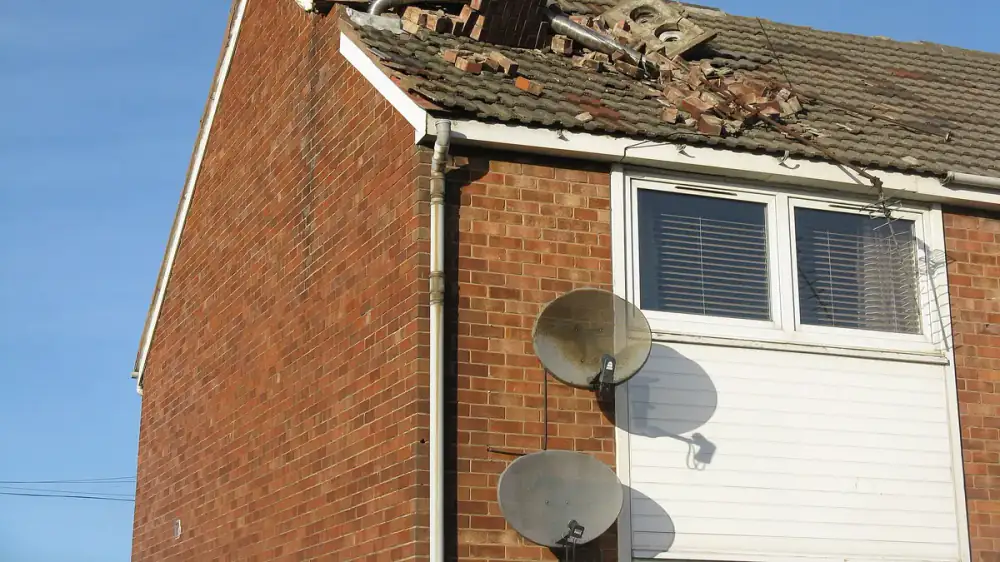
Chimney Storm Damage: What to Check
Storms dislodge caps, crack crowns, and lift flashing. Here's a ground-level, post-storm chimney check — what to look for, what to do, and when to call a pro.
Seasonal Chimney Inspection From the Ground
A short binocular check each season catches most chimney trouble early. Here's what to look for from the ground, a simple cadence, and when to book a pro sweep.
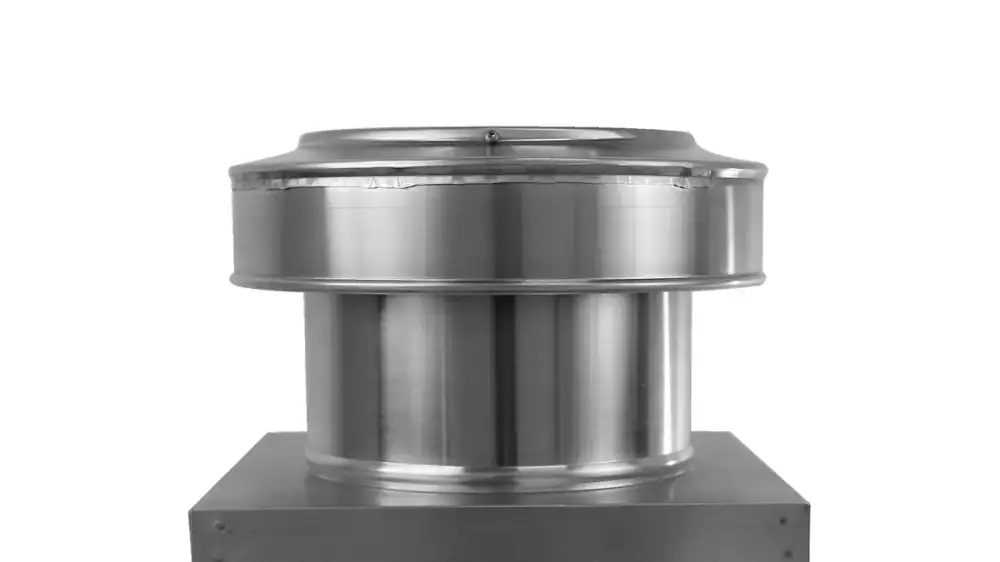
Roof Vents and Vent Covers Explained
Roof vents let the attic breathe, and their covers keep weather out while air keeps moving. Here are the common types, what covers do, and how to spot damage safely.