Exterior Chimney Maintenance Checklist
A season-by-season checklist for keeping an eye on your chimney from the ground — what to scan with binoculars, what to note indoors, and when to book a professional sweep or inspection.

Exterior chimney maintenance for a homeowner is about safe, ground-level observation, not roof work. A couple of times a year, and after big storms, scan the cap, crown, pot, masonry, and flashing with binoculars and watch for indoor clues like water stains or a musty smell. Everything hands-on — sweeping, repairs, and the flue inspection — belongs to a qualified professional, and your job is knowing when to book one.
The most useful thing to understand about chimney maintenance is also the most reassuring: your part in it happens with both feet on the ground. Keeping a chimney healthy doesn't mean owning a tall ladder or learning to walk a roofline. It means looking — on a regular rhythm, from a safe distance, with a clear sense of what you're actually seeing. What follows is that rhythm, organized by season, along with the equally important skill of recognizing when to hand the job to a professional sweep or inspector.
Two rules that govern everything else
Before any seasonal list, two principles sit underneath the whole approach, and honoring them is what keeps this a safe routine rather than a risky one.
The first is to stay on the ground. A chimney occupies the highest and least forgiving point on the house, and there's simply no homeowner reason to be up there. A pair of binoculars used from the yard or an upstairs window gives you everything you need; climbing up to inspect, clean, or repair is never part of the plan. The second rule is to watch and report rather than fix. Your role is to catch warning signs early and route them to the right professional. Sweeping and repairs are trade work, full stop. If ground-level observation is new to you, how to spot chimney problems from the ground walks through the complete routine.
The five zones every scan covers
No matter the season, each check works through the same five areas, moving from the top of the stack downward. Getting familiar with this short list means every scan takes only a few minutes.
| Area | Look for |
|---|---|
| Cap and mesh | Missing, tilted, rusted, or torn |
| Crown | Cracks, missing pieces, heavy staining |
| Pot (if present) | Leaning, cracked, chipped, plant growth |
| Masonry | Crumbling mortar, spalling brick, white residue |
| Flashing | Lifted, gapping, or rusted sections |
For background on what each of these parts actually does, how chimney caps protect against rain and debris, what a chimney crown is, and chimney flashing explained fill in the details.
A rhythm through the year
The five zones stay constant; what shifts season to season is what you're most likely to find and why it's worth looking then.
Spring
Winter is hard on a chimney, so spring is the season for surveying the aftermath. Scan the cap, crown, and pot for freeze-thaw damage — fresh cracks, spalling, or a cap that's shifted. Look for the white, powdery efflorescence that says moisture worked its way through over the cold months. Check the flashing for anything ice or wind has lifted. And indoors, note any new water stains near the chimney that surfaced over the wet stretch.
Summer
Dry, bright weather makes cracks and staining easy to read, and it's the ideal window to arrange professional work before the fall rush. Do a thorough binocular scan of all five areas in good daylight. Take zoom photos you can compare against past seasons to catch slow changes. And if your spring check flagged anything, book the professional inspection now rather than competing for a slot in autumn.
Fall
This is the most important check of the year, landing right before the heating season begins. Confirm the cap and mesh are intact so nothing has moved in over summer. Re-scan the crown, pot, masonry, and flashing. Indoors, test that the damper opens and closes freely, and recall whether the fireplace drew well the last time it was used. Then schedule your professional inspection and, if it's recommended, a sweep before the first fire.
Winter
Active burning is when interior signs tend to surface, so this season leans indoors. Watch for smoke spilling back into the room or a fireplace that draws poorly. Note musty smells, damp patches, or animal sounds in the flue. And after major storms, high winds, or heavy snow, step outside for a quick ground-level scan to catch a shifted cap or lifted flashing.
What the inside of the house tells you
Exterior scanning is only half the picture, and often the slower-arriving half. Indoor clues frequently show up before anything is visible outside, so stay alert year-round for water stains on the ceiling or wall near the chimney, a musty smell around the fireplace, white deposits on interior brick, smoke spilling back or drawing poorly, and animal sounds in the flue. Treat any of these as a strong prompt to arrange a professional look — and, where the fireplace itself is behaving oddly, before lighting another fire.
A couple of tempting shortcuts are worth resisting outright. Don't wait until something's obviously wrong to look; regular scans catch trouble while it's small and inexpensive to address. And don't assume a cap ends your responsibility — it can still rust, tear, or shift, and it does nothing for the crown, masonry, flashing, or flue, so it stays on the checklist like everything else.
Bringing in the sweep and the inspector
Two kinds of professional visits anchor the whole routine, and knowing when each is due is the real payoff of all this watching.
A sweep clears creosote and debris from inside the flue — work that demands proper equipment, training, and often roof-level access, which is why it's never a homeowner task. Book one when a professional inspection recommends it, when you notice signs of buildup, odors, or poor draft, when the chimney has seen regular use and a heating season is approaching, or on whatever schedule a chimney professional sets for your home based on how much and what you burn. When you're genuinely unsure whether a sweep is due, an inspection settles the question.
The inspection itself is the backstop for everything your ground checks can't reach. A chimney can look flawless from the driveway while hiding trouble in the flue or liner, so general guidance points to having it inspected on a regular annual basis regardless of what you spot. Book a qualified professional whenever your checks turn up a cracked crown, a rusted or missing cap, a leaning pot, crumbling mortar, lifted flashing, interior water stains, poor draft, or any sign of buildup — and for that routine annual look besides. As for cost, the honest answer is that it depends: the chimney's condition, height, access, and the scope of any work all factor in, which a professional can assess during the visit. Timing it alongside a seasonal chimney inspection puts trained eyes on the parts you can't safely reach, which is the entire point of watching so carefully from the ground.
Frequently asked questions
What should be on an exterior chimney maintenance checklist?
A homeowner's exterior checklist is built around safe, ground-level observation. It covers scanning the cap, crown, pot, masonry, and flashing with binoculars, watching for cracks, rust, leaning, and staining, and noting indoor clues like water stains or a musty smell. It also includes knowing when to book a professional inspection or sweep. The checklist is about watching and reporting, not climbing or repairing.
How often should I check my chimney?
A ground-level look a couple of times a year suits most homes, with spring and fall being natural checkpoints. It is also worth a quick scan after major storms, high winds, or heavy snow, since those events tend to shift caps, crack pots, and lift flashing. On top of your own checks, a professional inspection on a regular annual basis is the standard recommendation.
Can I clean or sweep my own chimney?
No. Sweeping a chimney means removing creosote and debris from inside the flue, which requires proper equipment, access, and training, and often work at the top of the chimney. It has real safety implications. Your role is to watch for the signs that a sweep is due — such as heavy buildup, poor draft, or a professional's recommendation — and to book a qualified chimney sweep to do the actual work.
When should I book a chimney sweep?
Book a sweep when a professional inspection recommends it, when you notice signs of buildup or poor draft, before a heating season if the chimney has seen regular use, or on the schedule a chimney professional sets for your home. Because the need depends on how much and what you burn, a professional is best placed to judge timing. When in doubt, an inspection can tell you whether a sweep is due.
What indoor signs mean my chimney needs attention?
Inside, watch for water stains on the ceiling or wall near the chimney, a musty smell around the fireplace, white powdery deposits on the brick, smoke spilling back into the room, a fireplace that draws poorly, or animal sounds in the flue. These interior clues often surface alongside exterior ones and are a strong reason to arrange a professional inspection before using the fireplace again.
Do I still need professional help if my chimney looks fine?
Yes. A chimney can look sound from the ground while hiding problems inside the flue, in the liner, or in areas you cannot see. Ground-level checks catch obvious exterior trouble, but they do not replace a professional's hands-on inspection of the parts you cannot reach. Regular professional inspection is the reliable way to confirm that a chimney that looks fine actually is.
Does a chimney cap mean I can skip maintenance?
No. A cap keeps rain, animals, and debris out of the flue, but it can still rust, tear, or shift, and it does nothing for the crown, masonry, flashing, or the flue interior. A cap reduces certain problems; it never ends maintenance. Keep the cap itself on your checklist and continue your regular ground-level observation and professional inspections regardless.
Related guides
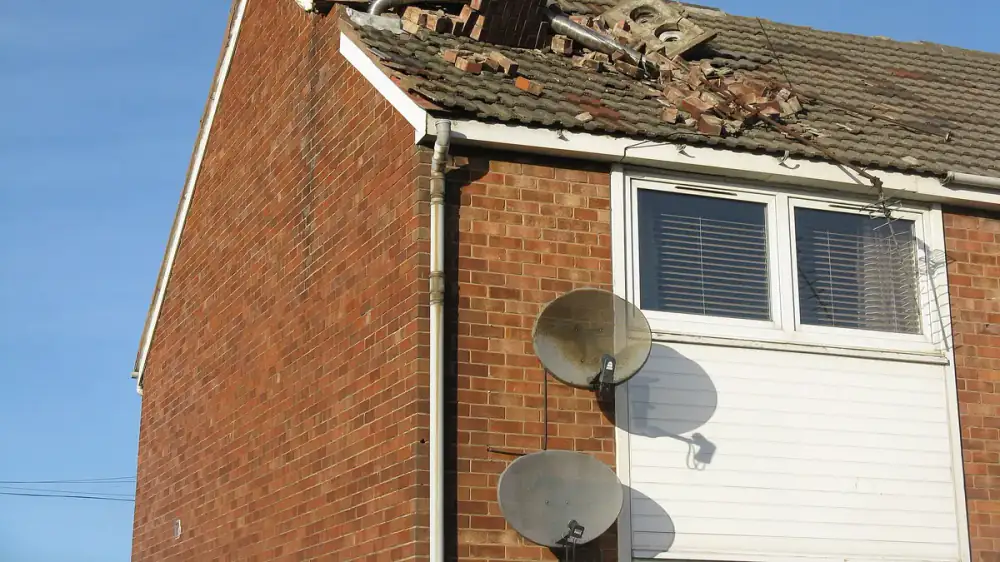
Chimney Storm Damage: What to Check
Storms dislodge caps, crack crowns, and lift flashing. Here's a ground-level, post-storm chimney check — what to look for, what to do, and when to call a pro.
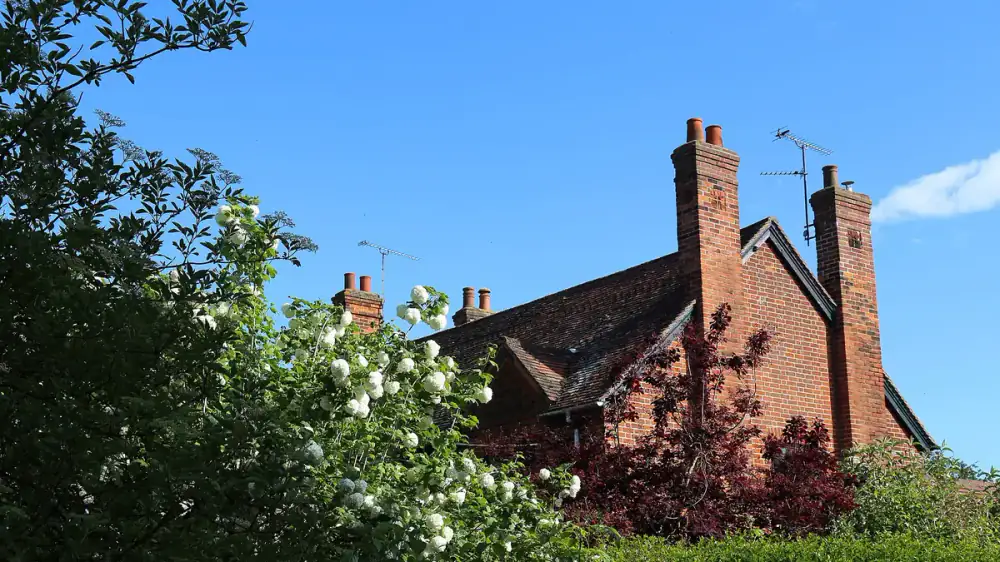
Seasonal Chimney Inspection From the Ground
A short binocular check each season catches most chimney trouble early. Here's what to look for from the ground, a simple cadence, and when to book a pro sweep.
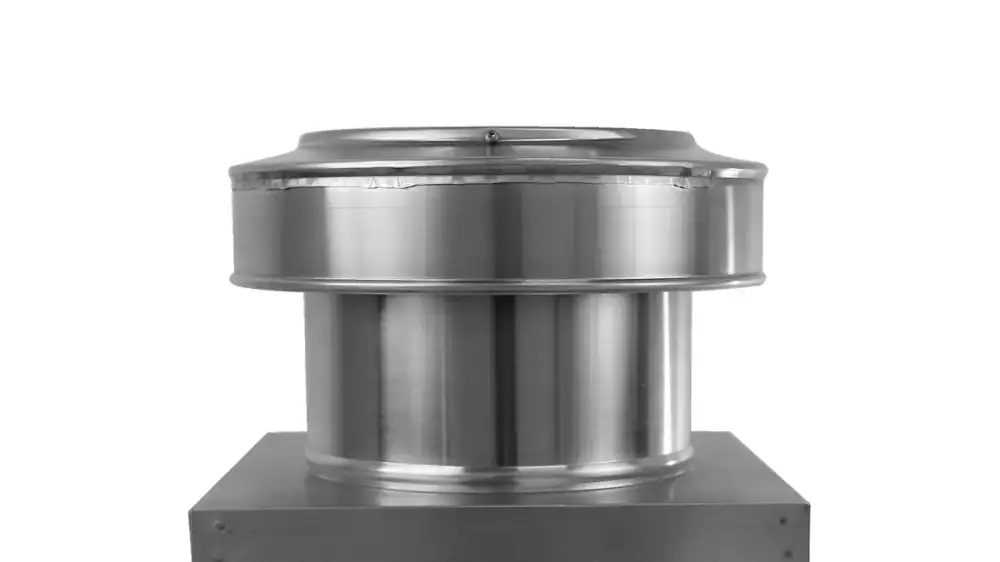
Roof Vents and Vent Covers Explained
Roof vents let the attic breathe, and their covers keep weather out while air keeps moving. Here are the common types, what covers do, and how to spot damage safely.