How to Spot Chimney Problems From the Ground
You don't need to climb a roof to keep watch over your chimney. With a pair of binoculars and a simple routine, you can catch most trouble early from the safety of the ground.
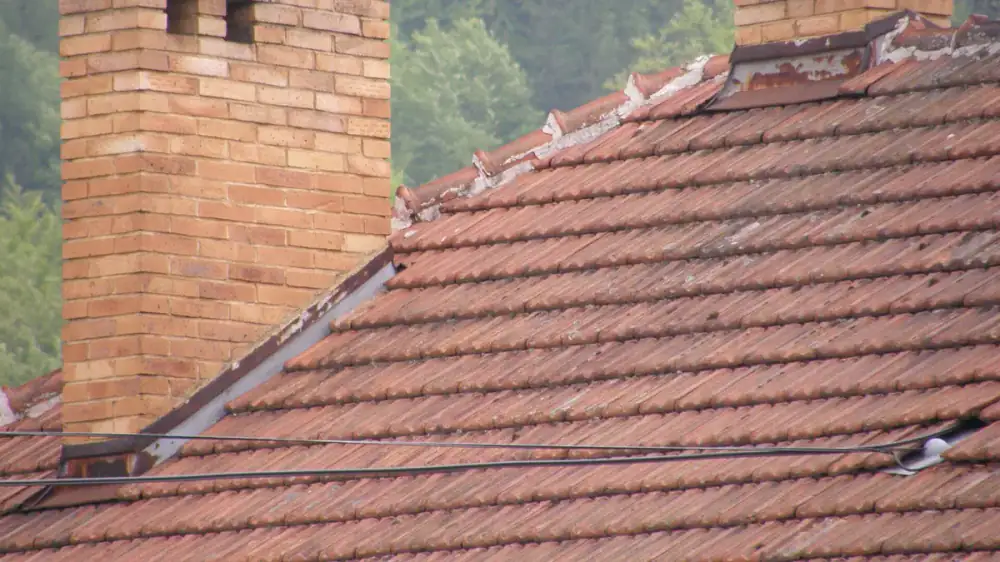
You can keep watch over a chimney without ever leaving the ground. With binoculars, a clear vantage point, and a short routine, you can read the cap, crown, pot, masonry, and flashing for cracks, rust, leaning, and staining. Run through it a couple of times a year — and after any big storm — and you'll catch most problems while they're still small, and know exactly when the situation has outgrown a homeowner and needs a professional.
There's a persistent temptation, when something looks off up top, to grab a ladder and go see for yourself. Resist it. The chimney is the tallest and least forgiving feature on most houses, and the roof edge beside it is no place to satisfy your curiosity. The better news is that you almost never have to. Held up to a chimney a hundred feet away, a decent pair of binoculars reveals far more than most people expect — enough to turn "I think something's wrong" into a specific, useful observation you can act on.
Setting yourself up to see
The kit is refreshingly cheap. Binoculars are the heart of it; any general-purpose pair brings a distant, ambiguous chimney top close enough to actually judge. Beyond that, you want a clear line of sight — step back far enough to take in the whole stack, and remember that an upstairs window across the yard often gives a cleaner, higher angle than standing directly beneath it. Do this in flat, bright daylight, since glare and dusk hide the very cracks and rust streaks you're hunting for. A phone with a zoom lens is a useful extra: photographs let you compare this spring to last spring, or hand a clear image to a professional.
One habit matters more than any piece of gear: walk the perimeter. Chimney damage has an unhelpful tendency to appear on the face you can't see from the driveway, so circle the house and take in every side you can.
A tour from the top down
The simplest way not to miss anything is to start at the very top and let your eyes travel downward, part by part.
Begin with the cap and its mesh. Is the cap there at all, and is it sitting square rather than lifted or cocked to one side? Is the mesh unbroken all the way around, or torn open somewhere? Rust streaks bleeding down onto the brick are another tell. A compromised cap is an open door for rain, animals, and debris — how chimney caps protect against rain and debris shows what a healthy one should look like.
Drop your gaze to the crown, the sloped surface that sheds water off the top of the masonry. Cracks, missing chunks, or dark pooling stains here are how a lot of leaks begin; what a chimney crown is explains why this small slab matters so much.
If your chimney wears a clay or metal pot, check that it stands upright with no chips, cracks, or greenery sprouting at its base. A pot that leans is usually telling you its mortar bed is giving way.
Now the masonry itself. Run your eye down the brick and the mortar joints, looking for gaps where mortar has crumbled away, bricks that are cracked or flaking, and any chalky white bloom — a sign that moisture is traveling through the wall.
Finish at the flashing, the metal seam where the chimney emerges from the roof. Lifted, gapping, or rusted sections here are a classic leak source; chimney flashing explained walks through how the joint is supposed to work.
A quick reference for each part
| Part | What tells you something's off |
|---|---|
| Cap and mesh | Missing, tilted, rusted, or torn |
| Crown | Cracks, missing pieces, heavy staining |
| Pot | Leaning, cracked, chipped, plant growth |
| Masonry | Crumbling mortar, flaking brick, white residue |
| Flashing | Lifted, gapping, rusted sections |
The other half of the story is indoors
The outside scan is only ever half a diagnosis. Some of the most reliable early signals of a chimney problem show up inside the house, often before anything is visible up top. Watch for water stains creeping across the ceiling or wall near the chimney, a musty smell hanging around the fireplace, a powdery white deposit on interior brick, a fire that suddenly draws poorly, or the sound of an animal moving in the flue. Pairing a quick indoor look with your outdoor scan gives you a much fuller picture than either alone.
The findings that shouldn't wait
Most of what you spot can go on a list for the next inspection. A handful, though, deserve a prompt phone call rather than a wait-and-see:
- A cap that's missing, badly rusted, or clearly loose.
- A crown with open cracks or missing sections.
- A pot that leans or has shed pieces.
- Mortar joints crumbling away, or brick that's flaking apart.
- Flashing that has lifted or pulled back from the masonry.
- Fresh indoor water stains near the chimney after it rains.
A note on your own limits here: you don't need to work out why something looks wrong, and trying to can lead you astray. A leaning pot and a cracked crown might share a root cause or none at all — that's a professional's puzzle to solve. Your job is simply to notice, record, and report accurately.
Handing it over
The whole point of this routine is to know the moment it's no longer yours to handle. Any genuine warning sign — a cracked crown, a rusted or missing cap, a leaning pot, crumbling mortar, lifted flashing, or interior water stains — is reason enough to book a professional inspection. Think of the split this way: the ground-level watch is the safe part that belongs to you, and every hands-on step at roof height belongs to someone with the equipment and training to be up there safely.
To turn all of this into a dependable seasonal habit rather than an occasional impulse, pair it with the exterior chimney maintenance checklist and the guidance on scheduling a seasonal chimney inspection.
Questions homeowners ask
Can I really inspect a chimney without going on the roof?
Yes. A surprising amount of a chimney's condition is visible from the ground or an upstairs window with binoculars. You can check the cap, crown, pot, masonry, and flashing well enough to notice cracks, rust, leaning, staining, or missing pieces. Ground-level observation will not replace a professional's hands-on inspection, but it lets you catch obvious problems early and know when to call for help.
What should I use to inspect my chimney from the ground?
A decent pair of binoculars is the main tool. They let you read the condition of parts that are otherwise too far away to judge. A phone camera with zoom can help you capture images to compare over time or share with a professional. Pick a spot with a clear view of the chimney, ideally in good daylight, and move around the house to see more than one side.
How often should I do a ground-level chimney check?
A couple of times a year is a sensible rhythm for most homes, with spring and fall being natural moments. It is also worth a look after a strong storm, high winds, or heavy snow, since those events are when caps shift, pots crack, and flashing lifts. The whole routine takes only a few minutes once you know what to scan for.
What are the most important things to look at?
Focus on the cap and its mesh, the crown, the pot if there is one, the masonry joints, and the flashing where the chimney meets the roof. You are looking for anything cracked, rusted, missing, leaning, or stained. Any one of those is a flag worth following up. You do not need to diagnose the cause from the ground — just note what looks wrong and pass it to a professional.
What indoor signs point to a chimney problem?
Inside, watch for water stains on the ceiling or wall near the chimney, a musty smell around the fireplace, white powdery deposits on brick, a fireplace that draws poorly, or animal sounds in the flue. These interior clues often appear before or alongside the exterior ones, so pairing an indoor check with your ground-level scan gives you a fuller picture.
Which findings mean I should book a professional inspection?
A cracked crown, rusted or missing cap, leaning pot, crumbling mortar, lifted flashing, or interior water stains are all reasons to book a professional inspection. The value of the ground-level routine is knowing when to make that call. All the hands-on work at roof level should go to someone properly equipped.
More from this section
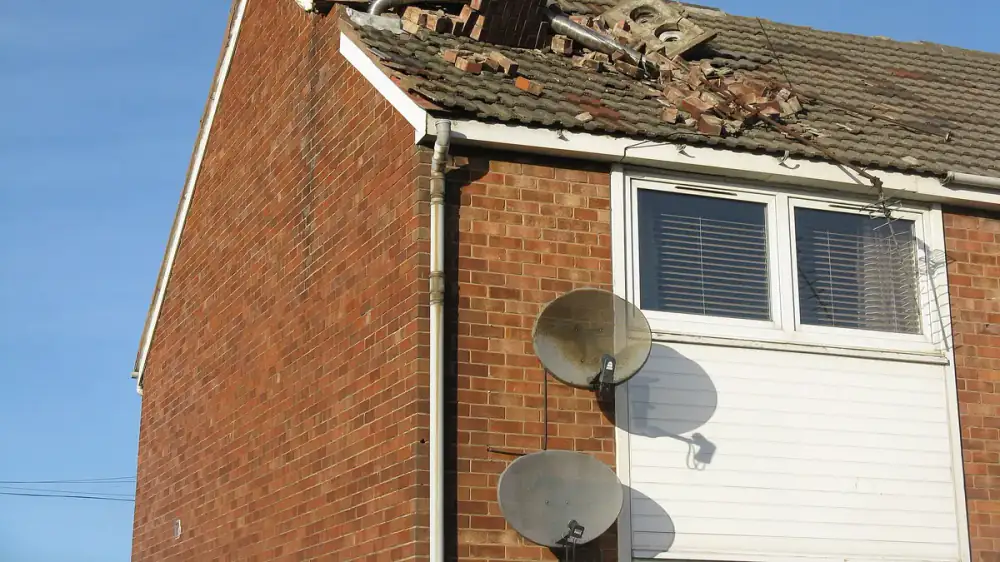
Chimney Storm Damage: What to Check
Storms dislodge caps, crack crowns, and lift flashing. Here's a ground-level, post-storm chimney check — what to look for, what to do, and when to call a pro.
Seasonal Chimney Inspection From the Ground
A short binocular check each season catches most chimney trouble early. Here's what to look for from the ground, a simple cadence, and when to book a pro sweep.
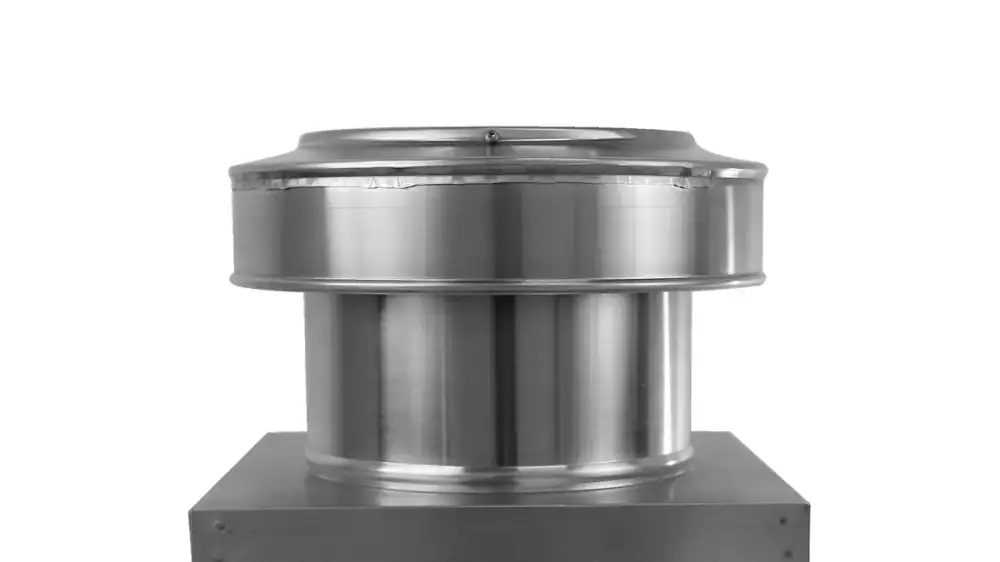
Roof Vents and Vent Covers Explained
Roof vents let the attic breathe, and their covers keep weather out while air keeps moving. Here are the common types, what covers do, and how to spot damage safely.