How Weather Ages a Chimney
A chimney doesn't fail all at once. It's worn down slowly by three ordinary forces — water, freezing, and sun — each leaving its own signature on the brick and mortar.
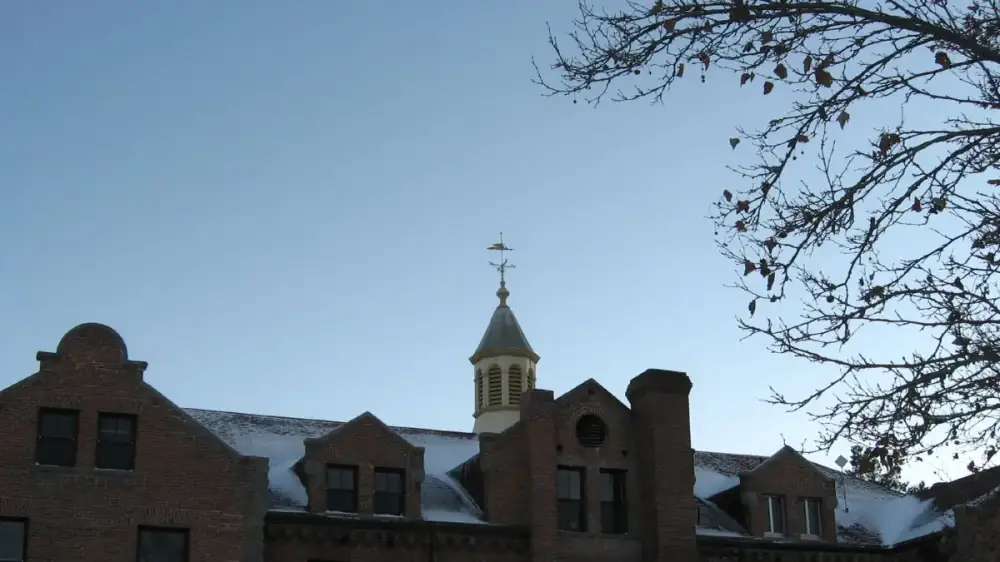
Weather ages a chimney through three forces, all rooted in water. Rain soaks into porous brick and mortar; the freeze-thaw cycle then freezes that absorbed water so it expands and pries the masonry apart from within, causing spalling brick and crumbling mortar; and sun bakes and cycles the materials, drying sealants and stressing the surface. The visible result is flaking brick faces, receding mortar joints, crown cracks, staining, and efflorescence. You can read these signs from the ground and slow the process by keeping water out — but assessing and repairing the deterioration is roof-level professional work.
A chimney doesn't fail dramatically. There's rarely a single moment when it goes from sound to unsound. Instead it's ground down slowly, over years and decades, by three completely ordinary things: rain, freezing, and sunshine. Understanding how each one works on masonry turns a vaguely "old-looking" chimney into something you can actually read — and reading it early is the whole game, because aging that's caught in its first stages is far cheaper to arrest than aging that's been allowed to compound.
The unifying thread runs through everything below: water is the root of nearly all chimney aging. The other forces mostly matter because of what they do to water that's already in the masonry.
Rain: the slow soak
Brick and mortar are porous. That's easy to forget because they feel so solid, but at a microscopic level they're full of tiny channels, and they drink water. Every rainfall wets the surface of a chimney, and some of that water is absorbed into the masonry rather than running off.
On its own, a single soaking isn't destructive — masonry is meant to get wet and dry out again. The problem is repeated saturation, especially where the chimney's defenses have weakened. A cracked crown funnels water into the masonry from the top. Failed flashing lets it in at the roof joint. Eroded mortar joints give it easy paths. How water gets in around a chimney maps those entry points, and the common outcome is masonry that stays wetter, longer, than it was designed to.
You can often see the evidence of water moving through masonry directly. The chalky white bloom of efflorescence on a chimney is, quite literally, mineral salts that dissolved water carried through the brick and deposited on the surface as it evaporated. Where you see efflorescence, water is on the move inside the wall — which sets the stage for the far more destructive force that follows.
Freeze-thaw: where slow becomes serious
If rain wets the masonry, the freeze-thaw cycle is what turns that moisture into a wrecking crew. It's the single most aggressive ager of a chimney in any climate that gets below freezing.
The mechanism is simple physics. Water expands when it freezes — noticeably, by about nine percent. When masonry has absorbed water and the temperature drops, that water freezes inside the brick and mortar and pushes outward with real force. Then it thaws, the water resettles deeper, and the next freeze pushes again. Each cycle is tiny, but over dozens of freeze-thaw events every winter, across many winters, the effect is relentless. The masonry is being pried apart from the inside.
The two classic signatures of freeze-thaw damage are worth knowing by sight:
- Spalling is when brick faces flake, pit, pop off, or crumble. It happens because water froze just under the surface and broke the outer layer of the brick away. Spalling brick is one of the clearest signs that freeze-thaw has been at work, and it tends to accelerate once it starts, because each lost face exposes fresh, more absorbent brick underneath.
- Mortar deterioration shows as joints that recede, crack, turn powdery, or wash out entirely. Mortar is generally softer and more porous than brick, so it often gives way first, and open joints then let even more water in — a vicious cycle.
This is why climate matters so much to how fast a chimney ages. The same chimney that would weather gently in a mild, dry region can deteriorate markedly faster in a place with hard winters and many freeze-thaw cycles.
Sun and thermal cycling: the quieter force
Sun gets less attention than rain and frost, but it plays a real part. Over years, ultraviolet light and heat dry out and degrade the sealants and materials involved in the chimney assembly — the flashing's sealant in particular bakes and loses its flexibility, which is a common reason flashing eventually fails. Chimney flashing explained covers how that seam gives way, and sun exposure is a big reason it doesn't last forever.
There's also thermal cycling to consider. One side of a chimney bakes in afternoon sun while the shaded side stays cool, and the whole structure expands and contracts as temperatures swing between day and night and season to season. Different materials — brick, mortar, metal flashing — expand at different rates, and that constant, slight movement works joints and seams loose over time. It's subtle, but it compounds with everything else.
What aging looks like, in order
Because these forces work gradually, chimney aging tends to progress through recognizable stages, and knowing the sequence helps you judge how far along yours is:
- Surface staining and efflorescence — the first hint that water is getting in and moving through the masonry.
- Mortar joints beginning to recede and crack — the softer material starting to give.
- Early spalling — the first brick faces flaking or pitting.
- Advanced spalling and open mortar joints — significant material loss, exposing fresh brick and letting in still more water.
- Crown cracking and structural signs — cracks in the crown, and in serious cases, leaning or movement, indicating the deterioration has reached the structure.
The earlier you catch it on this ladder, the better. Staining and light mortar wear are maintenance items; advanced spalling and structural movement are urgent ones. And crucially, because aging accelerates — every bit of lost masonry makes the next bit easier — the cost of waiting isn't linear. A chimney left to deteriorate doesn't decline steadily; it declines faster the longer it's ignored.
Reading and slowing the aging
The good news is that the whole sequence above is readable from the ground. With binoculars from the yard or an upstairs window, you can see spalling, eroded mortar, crown cracks, staining, and leaning — the entire visible progression. How to spot chimney problems from the ground turns that into a repeatable routine, and folding it into a twice-yearly seasonal chimney inspection — plus a look after hard winters — is how you catch aging while it's still cheap to address.
Slowing the process comes down to controlling water, since water drives essentially all of it. Keeping the cap, crown, and flashing sound so rain isn't pouring in, keeping nearby gutters and drainage working so water sheds away cleanly, and addressing small cracks before the next freeze widens them — these are what extend a chimney's life. Waterproofing treatments exist and can help, but whether and how to use them is a professional judgment about your specific masonry, not a blanket recommendation.
What none of this changes is where the line falls between your work and a professional's. Everything that actually repairs an aging chimney — repointing mortar, replacing spalled brick, rebuilding a crown, reflashing — happens at close range on the roof, at the most exposed point of the house. That's professional work, full stop. Your role is the one that matters most for keeping the aging slow: noticing it early, from the ground, and getting a qualified professional involved before three ordinary forces quietly turn a sound chimney into a failing one.
Answers to common questions
What weather does the most damage to a chimney?
Water is the root of nearly all of it, but the freeze-thaw cycle is what turns absorbed water into real destruction. When water soaks into porous brick and mortar and then freezes, it expands and pushes the masonry apart from the inside. Repeated over many winters, this is what causes brick faces to flake off — spalling — and mortar joints to crumble. In cold climates, freeze-thaw is the single most aggressive ager of a masonry chimney.
What does an aging chimney actually look like?
The signatures are fairly recognizable. Spalling shows up as brick faces flaking, pitting, or popping off, leaving rough, crumbly patches. Mortar joints recede, crack, and turn powdery, sometimes to the point where you could scrape them out. You may see cracking on the crown, a general darkening or staining of the masonry, and the white bloom of efflorescence where water has moved through the brick. Together these say the chimney has been weathering for a while.
How long does a masonry chimney last?
There's no single number, because it depends heavily on climate, the quality of the original masonry, and how well it's been maintained. A chimney in a harsh freeze-thaw climate with neglected mortar ages far faster than a sheltered one that's been repointed and kept watertight over the years. Rather than a fixed lifespan, think of it as a structure whose life is extended or shortened by how much water it's allowed to absorb and how promptly deterioration is addressed.
Can I slow down how fast my chimney ages?
Yes, mainly by managing water, since water drives nearly all masonry aging. Keeping the cap, crown, and flashing sound so rain isn't getting in, keeping gutters and drainage working nearby, and addressing small cracks before freeze-thaw widens them all extend a chimney's life. Waterproofing treatments exist too, but they're a professional judgment call. The homeowner's part is catching deterioration early; the actual work is roof-level and belongs to a professional.
Is a weathered-looking chimney dangerous?
Surface weathering isn't automatically dangerous, but advanced deterioration can be. Heavily spalling brick, deeply eroded mortar, or a leaning chimney can indicate the structure is losing integrity, and water that's aged the outside may have damaged the flue and interior too. Cosmetic weathering is a prompt to have it assessed; significant deterioration is a reason to do so promptly. A professional can tell you which one you're looking at.
When should I call a professional about a weathered chimney?
Call a qualified chimney professional when a ground-level look shows spalling brick, crumbling or missing mortar, crown cracks, leaning, or spreading stains — anything beyond light surface aging. These signs mean water has been at work and the deterioration is likely to accelerate. Assessing how far it's gone, and any repair like repointing or crown work, requires close roof-level access. Your role is to notice the aging early and hand it off before it compounds.
More from this section
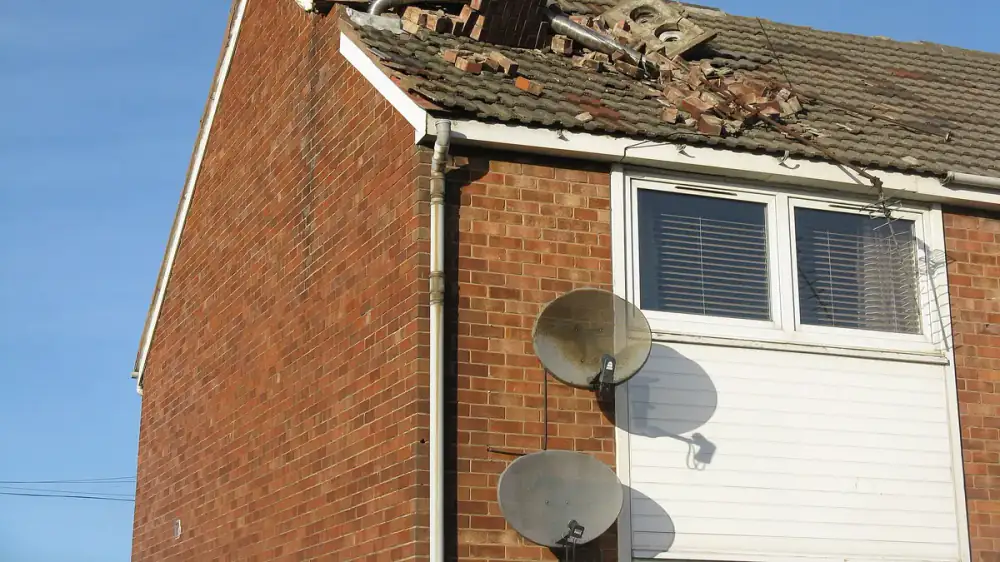
Chimney Storm Damage: What to Check
Storms dislodge caps, crack crowns, and lift flashing. Here's a ground-level, post-storm chimney check — what to look for, what to do, and when to call a pro.
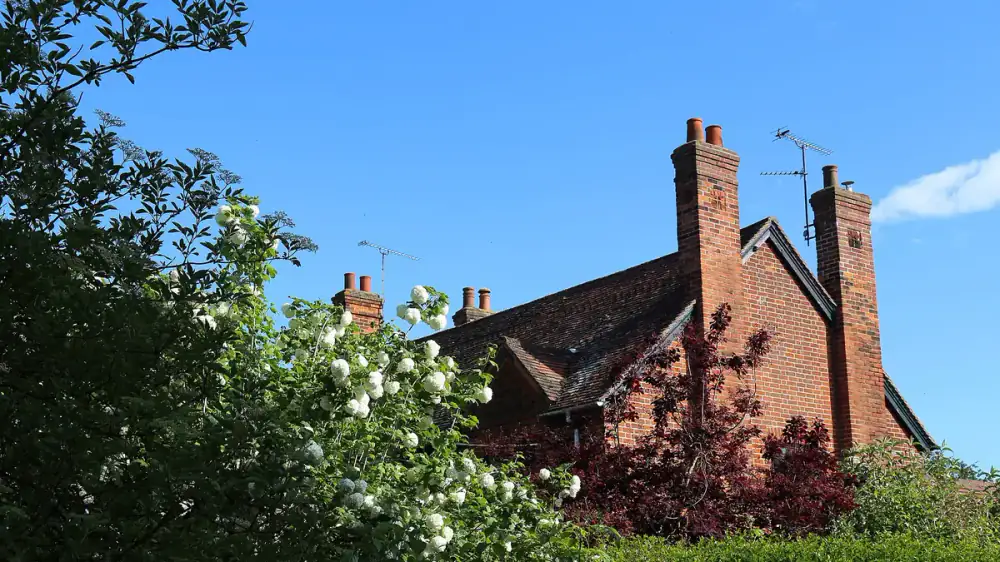
Seasonal Chimney Inspection From the Ground
A short binocular check each season catches most chimney trouble early. Here's what to look for from the ground, a simple cadence, and when to book a pro sweep.
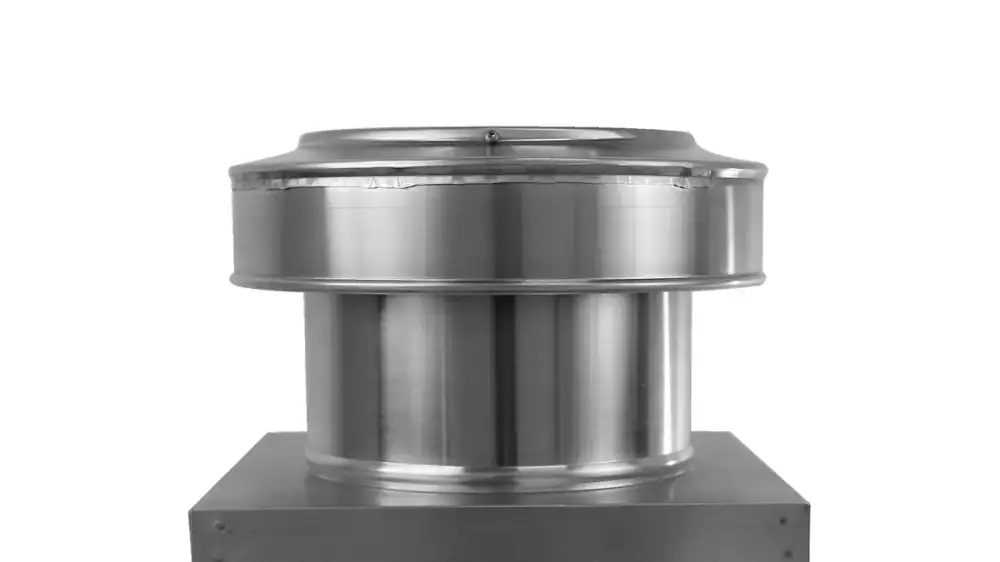
Roof Vents and Vent Covers Explained
Roof vents let the attic breathe, and their covers keep weather out while air keeps moving. Here are the common types, what covers do, and how to spot damage safely.