Exterior Cleaning
How to Clean Concrete Without Damaging It
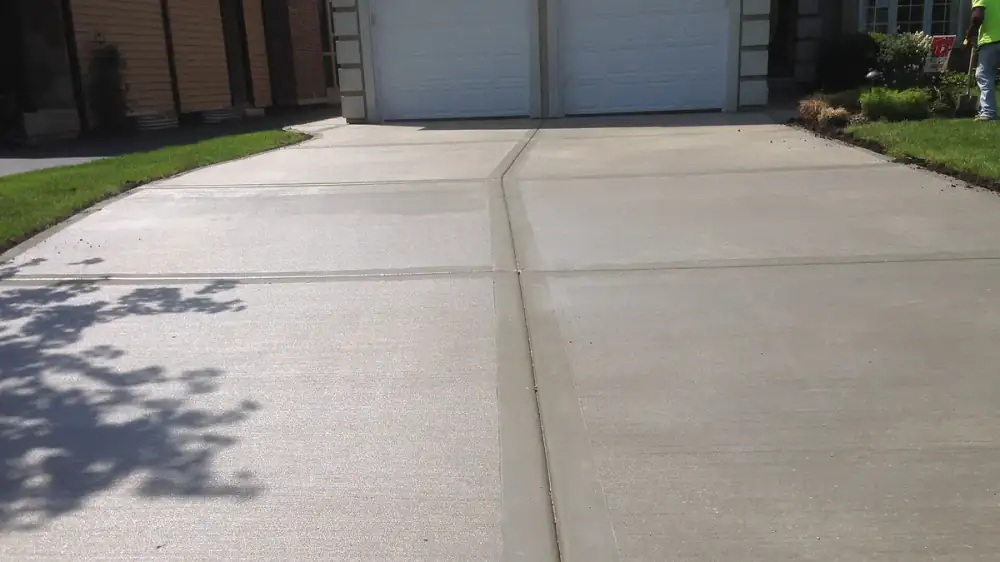
Concrete can take a pressure washer, but too much force still etches and stripes it. Here's how to clean it evenly, treat stains, and avoid the zebra look.
Category · Page 2 of 5
Concrete can take a pressure washer, but too much force still etches and stripes it. Here's how to clean it evenly, treat stains, and avoid the zebra look.
A pressure washer is only safe on the right surface. Here's a reference list of what to keep it away from — and the gentler method to use on each instead.
The chemistry does the cleaning, not the force. That's what makes it safe for roofs, siding and the organic growth a pressure washer only spreads around.
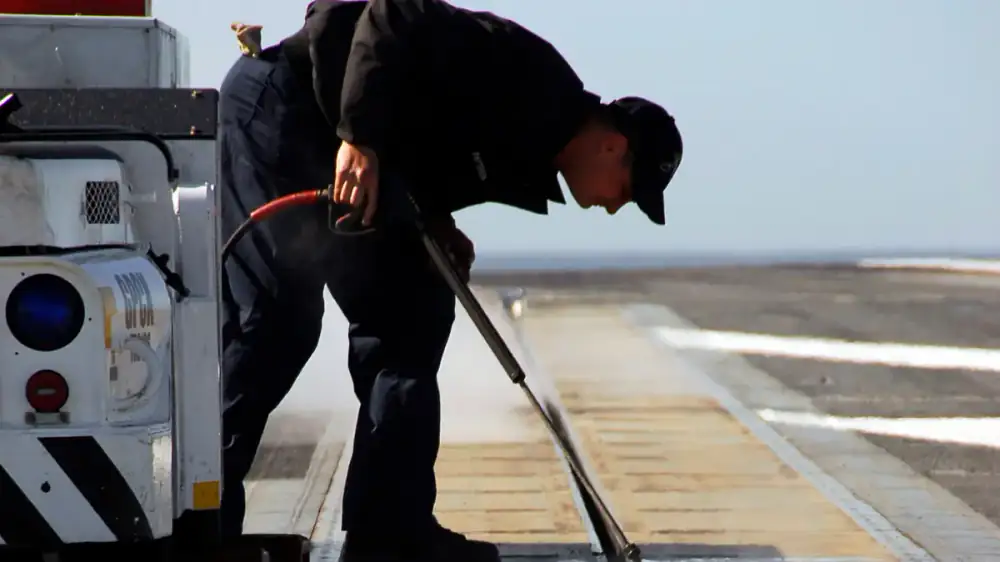
It cleans with concentrated force rather than chemistry. Knowing how that force behaves is what keeps it on the right surfaces and off the wrong ones.
Chalky, faded film on vinyl and aluminum is oxidation, not dirt. Here's how to tell whether you can clean it off or need to restore the finish.
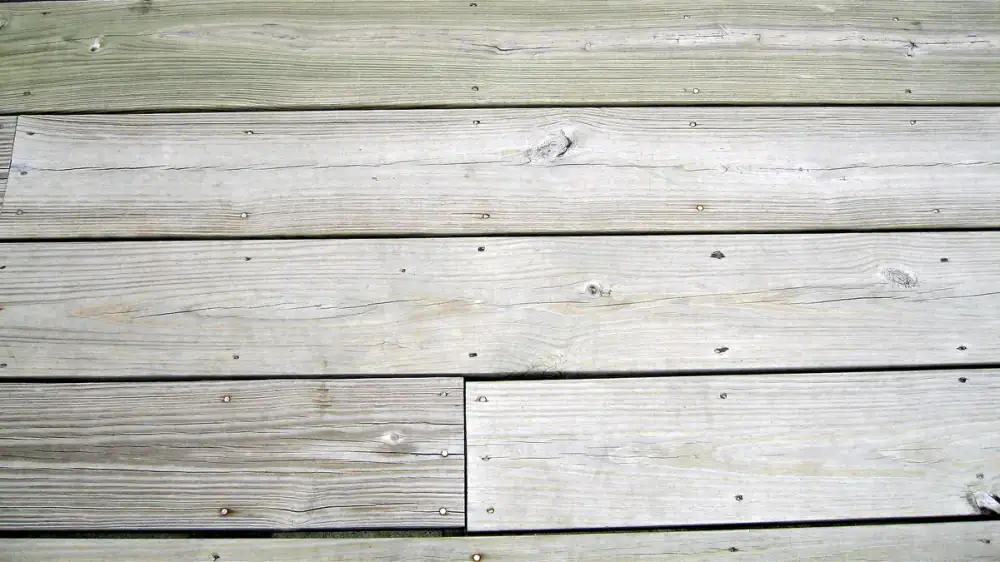
Composite decking is low-maintenance, not maintenance-free. Here's how to clean it gently, keep mold out of the grooves, and avoid voiding the warranty.
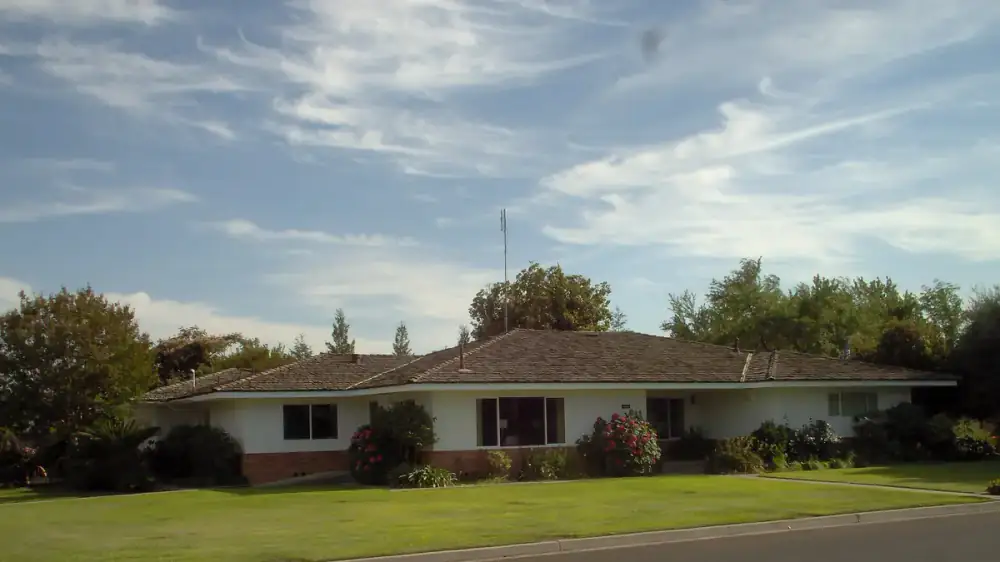
Stucco is porous and easily damaged by force. Here's how to clean it safely with soft washing and low pressure — and why the pressure washer stays away.
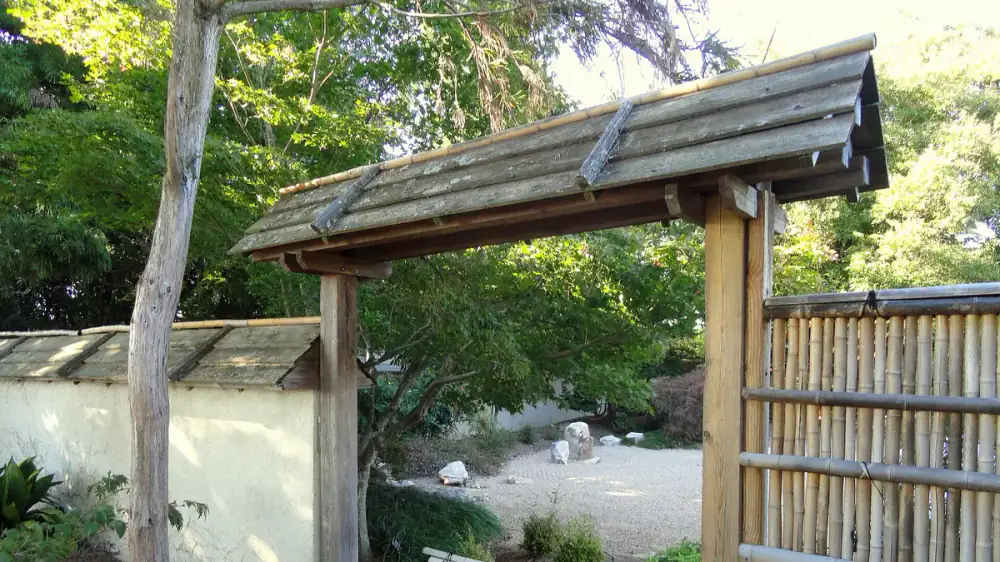
Wood, vinyl and metal each need a different method. Here's how to clean your fence by material, and how to deal with algae without causing damage.
Dark vertical streaks on gutter faces come from roof runoff and oxidation, not loose dirt. Here's what causes them and how to clean them off gently.