Board-and-Batten Siding
Board-and-batten's vertical rhythm is timeless, but those tall boards and narrow battens create a lot of seams and end grain for water to find. Here's how to clean and maintain it without opening the door to rot.
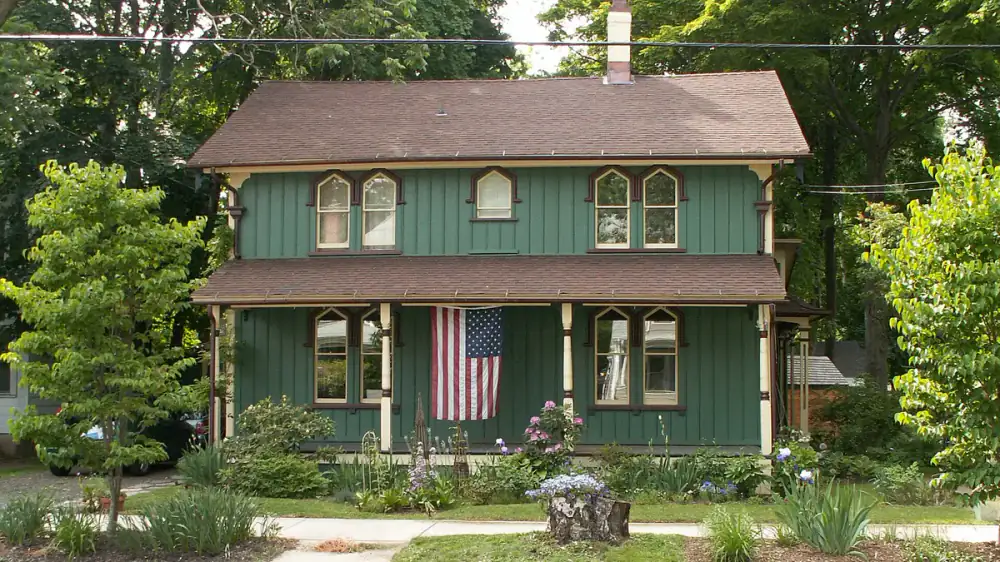
Board-and-batten siding is defined by its look, not one material — it's built from wood, engineered wood, fiber cement or vinyl, and each cares differently. Whatever it's made of, the durability lives in the finish and the seams, especially the exposed end grain and edges where boards meet battens and trim. Clean it with a mild solution and a gentle rinse, keep high pressure away from the vertical joints, and treat peeling finish as a water clue rather than a paint problem.
The board-and-batten look is one of the oldest tricks in American building: wide vertical boards run floor to eave, and slim strips — the battens — cap the seams between them. On a barn it reads as honest and rural; on a new-build it reads as clean and modern. The rhythm is the whole appeal, and it survives across styles precisely because it's so simple.
The catch is that "board-and-batten" names a pattern, not a substance. Walk down any street and you'll find the same profile milled from real wood, engineered wood, fiber cement, and vinyl or composite panels — four materials that look nearly identical from the sidewalk and behave nothing alike up close. Before you clean or coat a single board, it's worth knowing which one you actually have.
First, figure out what you're really looking at
The material decides almost every care choice you'll make, so start there rather than with a bucket. Each version has a different weak point and a different tolerance for water.
| Material | How it handles water | What its care hinges on |
|---|---|---|
| Real wood | Most water-sensitive; drinks through unsealed edges | A sound finish and sealed end grain |
| Engineered wood | Stable if edges stay sealed; swells if they don't | Keeping cut and bottom edges protected |
| Fiber cement | Dimensionally stable, won't rot | Intact paint and caulk at the joints |
| Vinyl / composite | Shrugs off water | Room to expand and a path to drain |
Different as they are, they converge on one truth: the wall stays sound because of its finish and its seams, not because of the board itself. That's the thread running through everything that follows.
The edges are where it lives or dies
A board-and-batten wall sheds water beautifully off its vertical face — that's the one thing the layout does effortlessly. The trouble collects at the edges the eye skips over: the horizontal tops of the boards, the exposed end grain at top and bottom, and the long vertical seams the battens are meant to protect. Water that can't sit on the face will happily sit on a board top or wick into a raw end, and on wood or engineered panels that's the fast route to rot.
Where the material sits on the house changes how hard those edges work. Gable ends catch sun and wind but drain well. Skirting and knee walls near grade stay damp from splashback long after a rain. And anywhere the board tops meet a horizontal trim line, you've got vulnerable end grain relying on flashing, caulk and a coat of finish to stay dry. Get the water off those points and the wall lasts; neglect them and the boards fail from the edges inward. For the trim detail where siding meets the roofline, see what is a frieze board.
Washing it without feeding the seams
Cleaning board-and-batten is less about muscle than about direction. Because the surface is mostly coated wood or panel, it gathers what settles on any painted wall: green and black algae or mildew on shaded, low sections; a dulling film of atmospheric grime; chalking as some finishes age; brown tannin or knot bleed on certain woods; and rust streaks from fasteners. Organic growth lifts with a gentle cleaning solution, chalk rinses off with mild detergent, and tannin or rust needs a targeted, finish-safe treatment.
The method that respects the seams is a soft, chemistry-first one:
- Rinse from the top down with plain water to loosen dust and dampen the surface.
- Apply a mild detergent or siding-safe cleaner, matched to the stain and the material.
- Agitate with a soft-bristle brush along the boards and into the batten edges — never a stiff or wire brush, which scars the finish.
- Let it dwell briefly per the product's guidance, without letting it dry on the wall.
- Rinse gently downward, keeping water off the exposed top edges and out of the seams.
- Spot-test any stronger cleaner first, and keep bleach and harsh products off plants, metal and adjacent materials.
A pressure washer earns its cautions here. Those many vertical seams and open edges make it easy to drive water behind the siding with a concentrated stream, and once water is behind wood or engineered panel it's slow to leave. If you use any pressure at all, keep it modest, fit a wide fan tip, hold it well back, keep it moving, and aim downward with the boards — never up under the battens or into the top edges. For most jobs the soft-wash route does the work with far less risk; our overview of pressure washing versus soft washing helps you choose, and for finish care specifically, our guide to painted wood goes deeper.
Peeling paint is a symptom, not the disease
The most useful mental shift with this siding is to stop reading finish failure as a cosmetic problem. When paint peels, blisters or thins, it's rarely the paint's fault — it's moisture that got behind the coating, usually through failed caulk at a seam, unsealed end grain at the board bottoms, or splashback near grade. Repainting over the peel without fixing the water path just resets the clock on the same failure.
So most warning signs are best read as moisture clues.
| Sign | What it usually means |
|---|---|
| Peeling or blistering finish | Moisture behind the coating |
| Soft, spongy board ends | Rot starting in unprotected end grain |
| Open or cracked caulk at seams | A water path opening at a joint |
| Cupping or warping boards | Moisture cycling in wood or engineered panels |
| Persistent green or black growth | Chronic dampness and poor drainage |
| Rust streaks | Corroding fasteners |
Faint chalking and minor wear are cosmetic and can wait. Soft board ends, widespread peeling, or open seams near grade deserve prompt attention before rot spreads behind the wall. The long-run habits are few: refresh the finish before it fails rather than after, keep board tops and bottoms sealed, maintain caulk at trim and penetrations without sealing joints meant to breathe, and keep soil, mulch and sprinklers from constantly wetting the lowest boards.
How long it lasts comes down to two things
Lifespan tracks the material and the maintenance more than any inherent number. Fiber cement and quality vinyl sit at the durable end, resisting rot and movement with modest care. Real and engineered wood can last a very long time too, but they lean hardest on a sound finish and sealed edges — neglect those and water finds the end grain quickly. Across every version, the practical limit is rarely the board; it's the finish and the seams. Keep those intact and the water moving away, and board-and-batten stays sound for decades. For the pieces that frame it, see exterior wood trim and PVC and cellular trim.
Related guides
- Painted wood: exterior care and cleaning
- Exterior wood trim
- PVC and cellular trim
- What is a frieze board
- Pressure washing vs. soft washing
- All materials
Answers to common questions
What is board-and-batten siding made of?
The style — wide vertical boards with narrow battens covering the seams — is what defines it, not the material. It's built from real wood, from engineered wood, from fiber cement and from vinyl or composite panels. Each behaves differently: wood needs a sound finish, engineered wood needs its edges sealed, fiber cement is more stable but still relies on caulk and paint, and vinyl needs room to expand. Knowing which you have shapes how you care for it.
How often should board-and-batten be repainted or resealed?
It depends on the material, the finish and the exposure rather than a fixed schedule. Sun-facing walls and horizontal top edges wear fastest. The better habit is to watch the finish: when paint or stain starts to dull, chalk or thin at the board tops and batten edges, it's time to refresh before bare material is exposed. Catching it early is far cheaper than repairing water-damaged boards.
Why is the paint peeling on my board-and-batten?
Peeling almost always traces back to moisture getting behind the finish — from failed caulk at a seam, unsealed end grain at the board bottoms, or splashback near grade. The paint isn't really the problem; it's the messenger. Fixing the water path and re-sealing the vulnerable edges matters more than simply repainting over the peel.
Can I pressure wash board-and-batten siding?
Cautiously, and usually at lower pressure than people expect. The vertical seams between boards and battens, and the end grain at board tops and bottoms, are exactly where a hard stream can drive water behind the siding. A soft-wash approach — mild cleaner, soft brush and a gentle rinse aimed downward — is safer for every material this siding is made from.
Should I caulk the seams between the boards and battens?
Some seams are meant to be sealed and some are meant to breathe, so it depends on how the siding was designed and installed. In general, joints at trim, corners and penetrations are caulked, while the wall needs a way to dry. Over-caulking can trap moisture. When in doubt, match what the installation already does and prioritize keeping water out of end grain.
Does board-and-batten trap more water than horizontal siding?
Its vertical layout actually helps water run off the face, but it creates many vertical seams and exposed horizontal edges at the board tops. Those edges are the weak point. Well-detailed flashing, sound caulk at the top and a finish that covers the end grain are what keep water from sitting where the boards meet trim and each other.
Keep reading
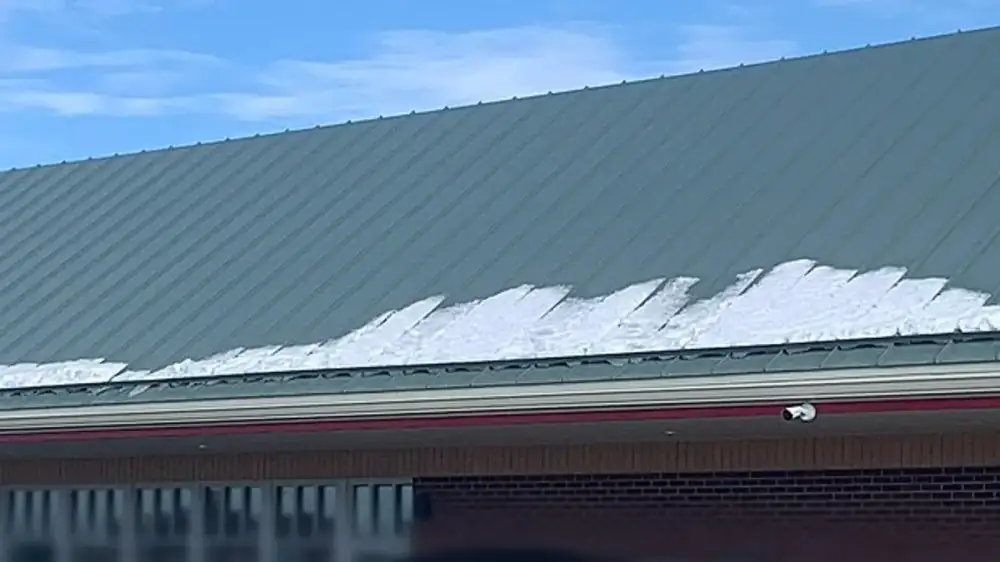
Metal Roof Edges and Drip Edge
Drip edge and metal roof-edge trim quietly protect the fascia, decking and gutters. Here's what they do and how to keep them working.
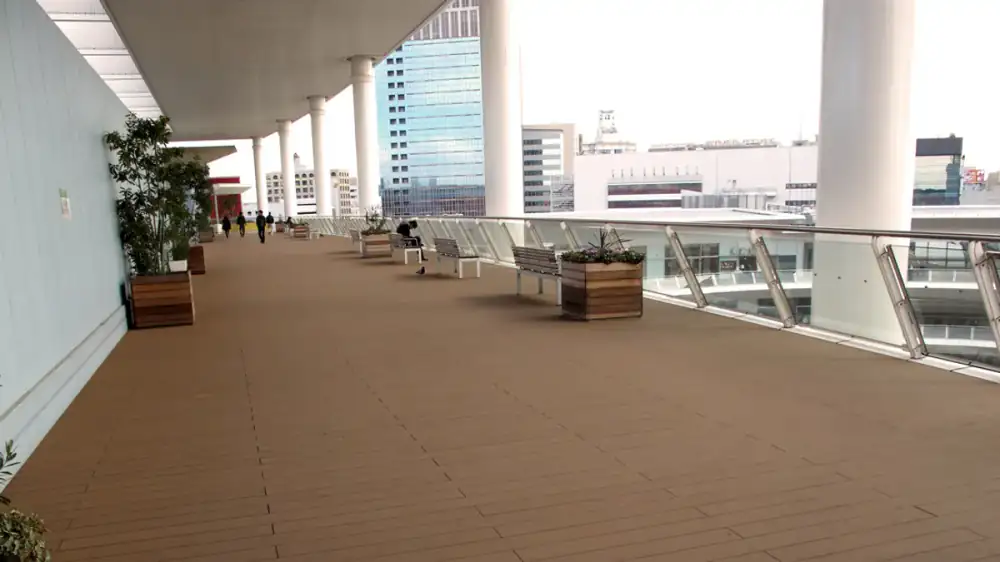
Composite Decking: Care and Cleaning
Composite decking is low-maintenance, not no-maintenance. Here's how to clean it, remove stains and avoid damaging the boards.
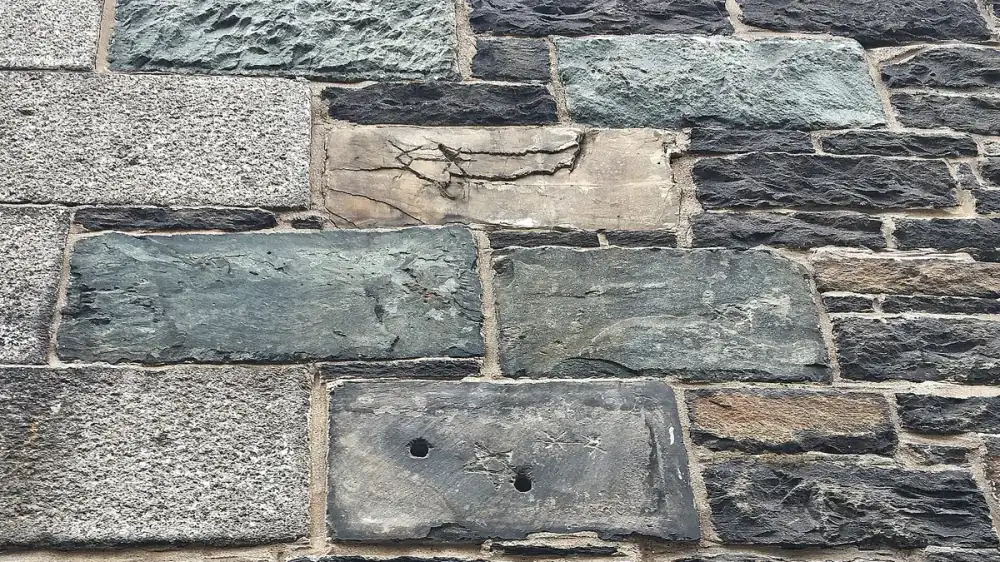
Natural Stone: Exterior Care and Cleaning
Natural stone is the most durable exterior surface, but some stones etch or stain easily. Here's how to clean and care for it safely.