PVC and Cellular Trim
PVC trim solves wood's rot problem, but it brings quirks of its own — it moves with temperature, holds dirt, and shows scuffs. Here's how to clean and maintain cellular PVC trim so it stays crisp and secure.
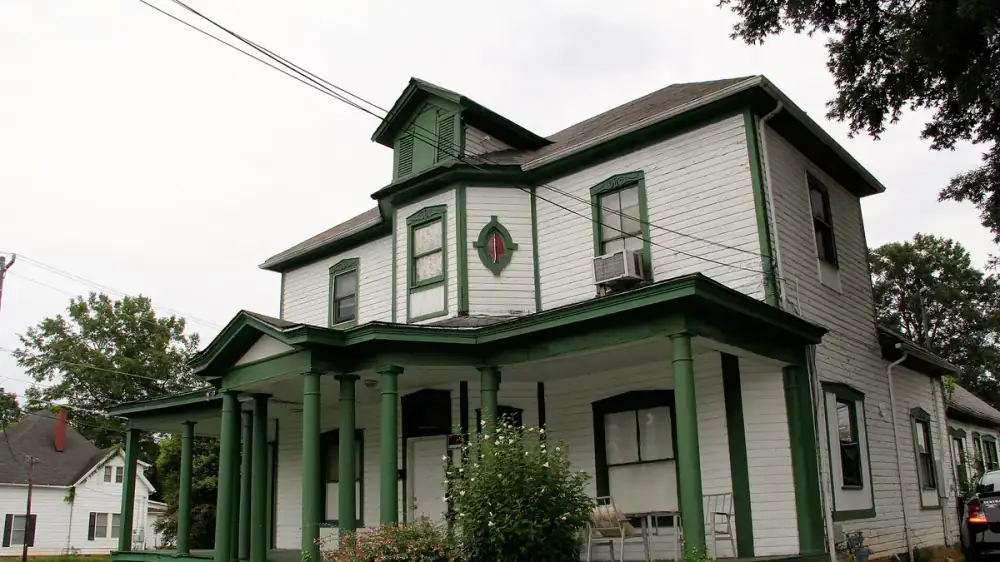
PVC and cellular trim erases wood's oldest problem — it doesn't rot, absorb water or feed insects — but it swaps that for quirks of its own. It expands and contracts with temperature far more than wood, and its smooth face shows scuffs and holds dirt. Clean it with a mild cleaner and a soft cloth, keep high pressure and abrasives off it, and read opening joints as a fastening-and-movement issue, not material failure. With PVC, how carefully it was installed matters more than any cleaning routine.
Cellular PVC trim was invented to answer a complaint as old as wood siding itself: rot. Milled to imitate painted wood — fascia, corner boards, casing, brackets, column wraps — it plays the part convincingly while quietly sidestepping the moisture, decay and insects that shorten wood's life. In the exposed, water-catching spots where wood trim always fails first, that's not a marginal improvement; it's the whole reason the material exists.
But there's no free lunch in building materials, only different trades. Solving rot doesn't make PVC maintenance-free — it relocates the concerns. The material moves with temperature more than wood, shows every scuff on its smooth surface, and leans heavily on how well it was fastened and joined. Caring for it well means letting go of wood-trim habits and understanding a genuinely different set of behaviors.
Rot solved, movement introduced
Here is the trade in a sentence: PVC takes wood's single biggest weakness and turns it into a strength, then hands you a new one to manage. Because the material doesn't absorb water, doesn't rot and doesn't feed decay, the end grain, top edges and joints that doom wood trim simply aren't the liabilities they'd be on a board. The moisture story that governs almost every other exterior material barely applies.
What replaces it is heat. Temperature swings expand and contract cellular PVC noticeably — more than wood — and if the trim wasn't installed with room to move, that movement telegraphs as opening joints and stressed fastenings, especially on long runs and at butt joints. This doesn't leave the wall behind it waterproof, so water can still get in behind poorly detailed trim, and the trim's job of shedding water still matters. But the characteristic PVC failure isn't decay creeping in from the weather; it's an installation that didn't account for movement.
The spots where it earns its place
PVC steps into the same roles as wood trim, and it's usually chosen for the harshest-exposure ones. You'll find it as fascia and rake boards along the eaves and gables, as corner boards and water tables framing the wall near splashback, as window and door casing where wood's miters and end grain are most vulnerable, and as column wraps, brackets and porch trim close to grade and standing moisture. The pattern is consistent: it goes exactly where wood struggles — horizontal edges, joints, and areas near the ground. Many homeowners reach for it specifically to replace failed exterior wood trim in the spots that keep rotting no matter how often they're repainted.
Cleaning a smooth, scuff-prone surface
Because PVC is non-porous, dirt sits on it rather than soaking in, and most of what it collects is superficial: atmospheric grime (sometimes helped along by a faint static that attracts dust), a surface film of algae or mildew on shaded damp sections, sap and tannin from overhanging trees, and the scuffs and marks that show up so readily on smooth white trim. Older or lower-grade material may chalk or slightly discolor under heavy sun. The good news is that surface soiling responds to gentle cleaning; scuffs are the real trim-specific challenge, not deep staining.
A light routine handles nearly all of it. Rinse with plain water first to carry off loose grit so nothing abrades the surface, then apply a mild household cleaner or a PVC-rated product matched to the mark. Wipe or agitate with a soft cloth or soft-bristle brush across the flats and corners, and keep abrasive pads and scouring products well away. Stubborn scuffs often come off with the manufacturer's recommended cleaner when a mild one won't lift them. Rinse thoroughly, test anything stronger on a hidden spot first, and keep harsh products off adjacent materials and plants.
As for a pressure washer: you can wash PVC more freely than wood since it doesn't absorb water, but "can" isn't "should." A concentrated stream still pushes water behind the trim into the wall, stresses joints and fastenings that are already coping with thermal movement, and drives grit that scuffs the finish. Treat it as a durable-but-scuff-prone surface that rarely needs more than a gentle wash; if any pressure is used, keep it modest and well back, and never train it on joints or fastener lines. Our overview of pressure washing versus soft washing covers the general trade-off. One safety note: fascia and rake trim along the eaves and gables is work at height, and that part is best left to a professional.
To paint or not to paint
This is where PVC most confuses people used to wood. You don't paint it for protection — it doesn't rot or absorb water, so paint adds nothing structurally. People paint PVC purely for color, or to match neighboring trim. If you do, there's a practical wrinkle worth knowing: lighter colors are generally recommended, because dark colors absorb more heat, and more heat means more of the thermal movement that opens joints. Use a paint the maker lists as compatible with PVC, and follow their guidance. Left unpainted, quality trim is formulated to resist UV yellowing and stays serviceable for a long time on its own.
When something moves: reading the signs
Almost everything that goes wrong with PVC trim points back to movement, installation or the surface — not to decay. Joints that open and close seasonally are thermal movement, usually an installation detail. Fasteners backing out or dimpling mean that movement is stressing the fixings. Waviness on a long run signals that not enough allowance was left for expansion. Scuffs, marks and a bit of chalking or yellowing are cosmetic. Water or staining showing up behind the trim is a flashing or detailing problem in the wall, not a fault in the PVC itself.
The upkeep follows from that. Let the material move — recognize expansion as normal, and treat opening joints with correct fastening, gapping and adhesive rather than caulk alone. Keep it clean with the occasional gentle wash so film doesn't dull the surface, favor lighter, PVC-compatible paint if you paint, avoid dragging ladders and tools across it, and after big temperature swings, glance over the joints and fasteners for anything that has telegraphed movement. Persistent joint movement, backing-out fasteners or waviness won't resolve on their own and are worth a professional's assessment of the installation.
All of which explains where PVC lands on durability. It sits at the durable end of the trim spectrum precisely because it removes rot from the equation, shrugging off the wet, ground-level and edge exposures that shorten wood's life, and it tends to outlast painted wood trim in the same punishing spots. Its limits are simply different in kind — thermal movement and surface scuffing rather than decay — and the deciding factor is less about maintenance than about how carefully it was fastened and joined in the first place.
Keep reading
- Exterior wood trim
- Painted wood: exterior care and cleaning
- Board-and-batten siding
- What is a frieze board
- Pressure washing vs. soft washing
- All materials
Common questions
What is cellular PVC trim?
Cellular PVC is a foamed rigid plastic milled to look like painted wood trim — fascia, corner boards, casing and the like. The foamed core gives it a wood-like feel and workability while the material itself doesn't rot, absorb water or feed insects. It behaves very differently from wood in one key way: it expands and contracts noticeably with temperature.
Do I need to paint PVC trim?
Not for protection — PVC doesn't rot or absorb water, so it doesn't need paint the way wood does. People paint it for color or to match adjacent trim. If you do paint it, lighter colors are usually recommended because dark colors absorb more heat and can worsen the material's thermal movement. Use a paint compatible with PVC and follow the maker's guidance.
Why do the joints in my PVC trim open and close?
That's thermal movement. PVC expands in heat and contracts in cold more than wood does, so joints and fastenings that weren't installed with that in mind can telegraph gaps, especially at long runs and butt joints. Proper fastening, gapping and the right adhesive at joints during installation are what keep it looking tight. Persistent movement is an installation issue worth a pro's eye.
Can I pressure wash PVC trim?
It tolerates washing better than wood since it doesn't absorb water, but high pressure can still force water behind the trim, stress joints and fastenings, and drive grit that scuffs the surface. A gentle wash with mild cleaner and a soft cloth or brush is all it usually needs, and it avoids the risk of pushing water into the wall behind.
How do I get scuffs and marks off PVC trim?
PVC's smooth surface shows scuffs, and its slight static can attract dirt. Most marks come off with a mild household cleaner and a soft cloth. For stubborn scuffs, PVC makers often list specific cleaners rated for their product. Avoid abrasive pads and harsh solvents, which can dull or etch the surface, and test any stronger cleaner in a hidden spot first.
Does PVC trim get brittle or discolor over time?
Quality PVC trim is formulated to resist UV yellowing and stays serviceable for a long time, though very old or lower-grade material can chalk or discolor with heavy sun exposure. It doesn't rot, and it's far more stable than wood in that sense. Its main long-term quirks are thermal movement and surface scuffing rather than decay.
Related guides
Metal Roof Edges and Drip Edge
Drip edge and metal roof-edge trim quietly protect the fascia, decking and gutters. Here's what they do and how to keep them working.
Composite Decking: Care and Cleaning
Composite decking is low-maintenance, not no-maintenance. Here's how to clean it, remove stains and avoid damaging the boards.
Natural Stone: Exterior Care and Cleaning
Natural stone is the most durable exterior surface, but some stones etch or stain easily. Here's how to clean and care for it safely.