Copper and the Story of Patina
The green film that so many people itch to scrub off is the best thing that ever happened to their copper. Here's the story of how copper changes color, what each stage means, and why the right care is mostly restraint.
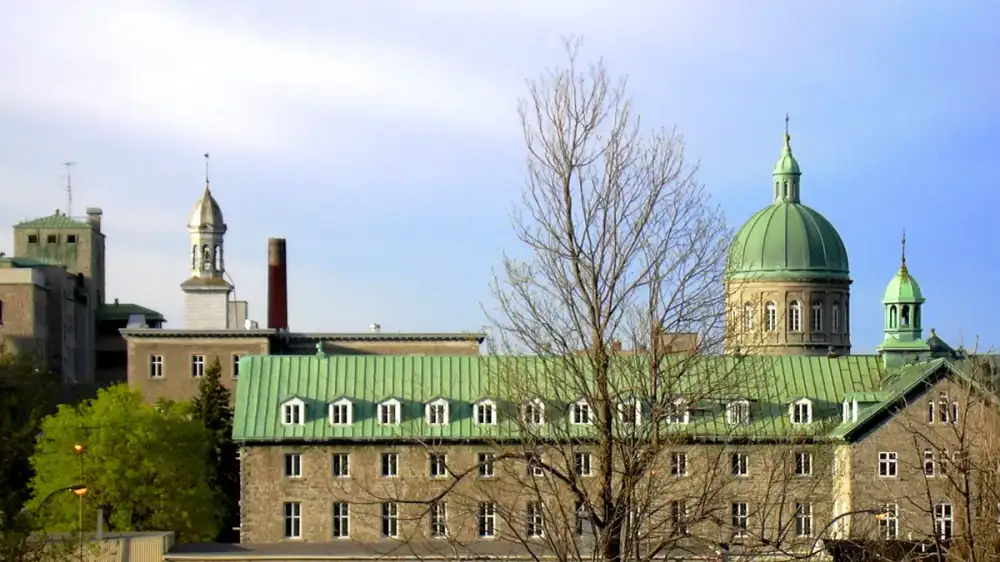
Copper changes color because it reacts with the air and weather, moving from bright pink through browns to the familiar blue-green. That final film is patina — a stable, protective layer, not damage, and it's a big reason copper lasts so long. So caring for copper is mostly about restraint: rinse off dirt and growth that sit on top, but leave the patina itself alone, and watch where copper's runoff lands below.
There's a moment, usually a year or two after copper goes up, when a homeowner looks at the darkening, spotting metal and reaches for something to clean it with. It's a completely understandable instinct and almost always the wrong one. The color change that looks like tarnish or neglect is, in fact, copper doing the single most valuable thing it does outdoors. Understanding that transformation — what's happening chemically, what each stage means, and why the endpoint is worth waiting for — turns copper from a material you fret over into one you can more or less admire and leave alone.
A color for every stage
Copper arrives bright. Fresh from fabrication it's a warm salmon-pink, almost rosy, and it looks like nothing else on a house. That look does not last, and it was never meant to. Within weeks the surface starts to dull as it reacts with oxygen and moisture in the air, and over the first months and years it works through a range of russets, chocolate browns and eventually near-black. In many drier or sheltered locations, brown is where copper effectively settles for a very long time.
The famous blue-green — the color of old church roofs and weathered statues — comes later and mostly in wetter, more exposed conditions. It's the product of copper reacting further with moisture and the compounds carried in rain and air over years. Each of these stages is the same metal at a different point in the same continuous process. When you see brown copper, you're not seeing dirty copper or failed copper; you're seeing copper partway through its story.
Patina is protection, not tarnish
Here's the part that reframes everything. On most metals, surface change is bad news — rust on steel is the material eating itself. Copper is different. The films it forms are stable and adherent, and once established they act as a barrier that slows further attack on the metal beneath. Patina isn't the copper wearing out. It's the copper building its own weatherproofing.
That's why copper is one of the genuinely long-lived materials on a house, and why the patina deserves respect rather than a scrub brush. Strip it back to bright metal and you've thrown away the protective layer and reset the clock — the copper will simply start over, oxidizing and weathering from scratch. The most useful thing to internalize about copper care is that the surface you might be tempted to "fix" is the surface doing the protecting. This is the clearest example of a distinction worth carrying to every material on the house — the difference between weathering that protects and weathering that destroys, which we explore in how UV and sun age exterior materials.
Why it looks blotchy at first (and why that's fine)
New copper rarely patinates evenly, and the patchiness alarms people who expected a uniform surface. It shows up because color develops according to how water, sun and even handling reach each spot. Fingerprints from installation, the paths where rain runs and drips, strips that stay sheltered from direct weather, and areas that dry at different rates all take color at their own pace. The result, early on, can look mottled and uneven.
In most situations this evens out as weathering continues to work across the whole surface over time. The temptation is to force uniformity — to apply a chemical treatment that jumps the metal to an even green — but forced patinas rarely match the depth and variation that natural weathering produces, and they can weather further in their own unpredictable way. Patience is usually the better tool. Copper is a material that rewards leaving alone.
Where copper shows up, and why exposure matters
Copper turns up in the places that take some of the hardest weather on a house: roofing and roof-edge details, flashing at valleys and chimneys, decorative cupolas and finials, and copper gutters and downspouts. Because these components live in the wettest, most exposed parts of the building, they also patinate fastest and most fully. A copper roof edge in a rainy coastal climate will green up long before a copper accent tucked under a deep porch.
That variation is worth expecting rather than fighting. The same copper on the same house can be brown on a sheltered face and green on the weather side, simply because exposure drives the process. It's the same lesson that runs through so much of exterior aging: what a surface is exposed to matters as much as what it's made of.
The one thing to actually watch: runoff
If copper asks little of you on its own surface, it does ask you to pay attention to what's downstream of it. Water running off copper picks up copper ions and carries them along, and where that runoff lands it can leave marks. On porous, light-colored surfaces below — pale stone, concrete, light painted trim — copper runoff can leave a greenish stain that's hard to remove. And on vulnerable metals, particularly aluminium, that copper-laden water can actively drive corrosion even without the two metals ever touching.
So the practical care task with copper isn't polishing the copper; it's thinking about geometry. If you have copper up high, notice what its drainage runs onto, and where it matters, route the water so it isn't constantly washing across a surface that will show it or react badly to it. This runoff behavior is one specific case of a broader idea worth knowing — that dissimilar metals sharing a wet path can quietly damage each other, which shapes choices right down to the fasteners in galvanized vs stainless fasteners outdoors.
Cleaning copper without undoing it
When copper genuinely needs cleaning, the goal is to remove what's sitting on the patina without removing the patina. Cobwebs, general grime, pollen, and the algae or organic growth that collects in damp, shaded spots can all be rinsed and gently washed away with a mild approach and a soft touch. What you want to avoid is anything aggressive enough to cut into the patina itself — harsh acids, abrasive pads and high-pressure blasting can strip the protective film and leave you with bright, unprotected metal and an uneven restart.
As with most exterior surfaces, gentle and chemistry-light beats forceful. If you're weighing how much pressure a surface can take, our guide to pressure washing versus soft washing frames the trade-off, and for copper the answer leans firmly toward the gentle end. Anything up high, on a roof or at a roof edge, is also work to hand to a professional rather than attempt from a ladder.
Learning to enjoy it
Copper is unusual among building materials in that its aging is the point. Choosing copper is, in a real sense, choosing to watch a slow color change unfold over years and to let the weather do the finishing. The homeowners happiest with copper are the ones who understand that going in — who see the brown phase as a stage rather than a stain, expect the early blotchiness to settle, and treat the eventual patina as the payoff rather than a problem.
That mindset is really the whole of copper maintenance. Keep an eye on runoff, rinse off what settles on the surface, resist the urge to make it shiny again, and let time do what copper was chosen for. If you want to see how copper's protective-aging story compares to materials that ask far more of you, it sits at the low-effort end of the spectrum described in the truth about low-maintenance materials — a material that mostly maintains itself, as long as you let it.
Answers to common questions
Should I clean the green off my copper?
Usually not. That blue-green film is patina, and it's a stable, protective layer that shields the metal underneath — a large part of why copper lasts so long. Stripping it back to bright metal removes the protection and simply restarts the weathering clock. You can gently rinse dirt, cobwebs and organic growth sitting on top of the patina, but scrubbing off the patina itself works against you.
Why is my copper turning brown, not green?
Because it's early in the process. Copper doesn't jump straight to green. Fresh metal is bright salmon-pink, then oxidizes to a range of browns and near-blacks over the first years, and only later develops the familiar blue-green in wetter, more exposed conditions. Brown is a normal, healthy middle stage, and in drier or sheltered spots copper can stay brown for a very long time.
How long does copper take to turn green?
It varies enormously with climate and exposure, so there's no single timeline. Wet, coastal and heavily exposed locations push copper toward green far faster than dry, sheltered inland ones, where it may stay brown for decades. Rather than a fixed schedule, think of it as a sequence — pink to brown to green — that runs at a pace your weather sets.
Why is my new copper patinating unevenly and blotchy?
Uneven early weathering is normal and usually temporary. Copper takes color according to how water, sun and handling reach each area, so fingerprints, drips, sheltered strips and run patterns all show up at first. In most cases the patchiness evens out as weathering continues over the surface. Forcing a uniform look rarely matches what time produces on its own.
Does copper runoff stain the materials below it?
It can. Water running off copper carries copper ions downstream and can stain porous surfaces below — light stone, concrete, painted trim — with a greenish cast, and it can drive corrosion in vulnerable metals like aluminium. If you have copper up high, pay attention to what its runoff lands on and route drainage so it isn't washing constantly onto a surface that shows it or reacts to it.
Can I keep my copper shiny forever?
Only with continual effort, and usually not worth it outdoors. A clear lacquer can hold the bright look for a while, but coatings on exterior copper tend to break down unevenly and then weather blotchily underneath, which looks worse than an honest patina. Most people are happier letting copper do what it does. If you love the bright metal, copper is probably the wrong choice to leave outdoors uncoated.
Keep reading
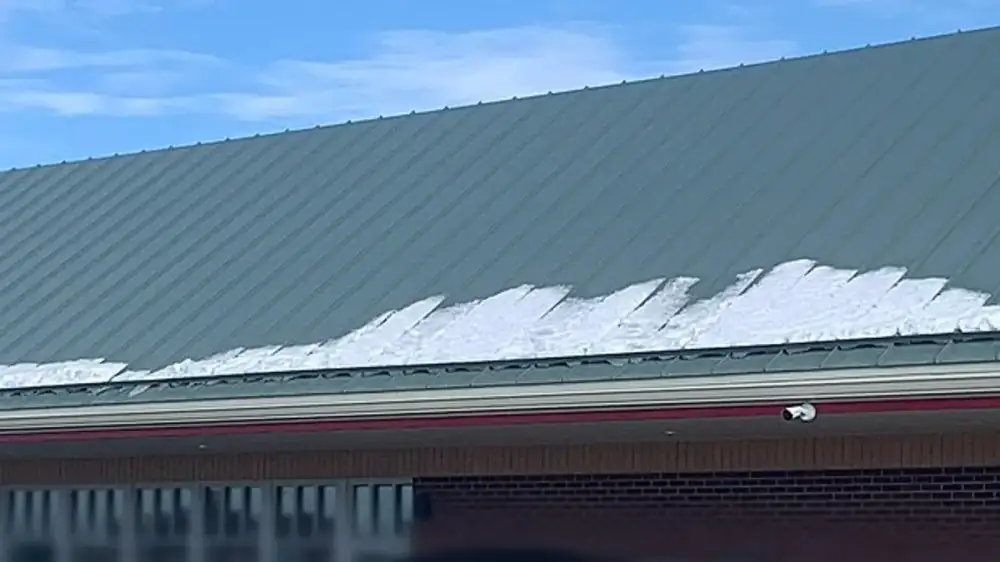
Metal Roof Edges and Drip Edge
Drip edge and metal roof-edge trim quietly protect the fascia, decking and gutters. Here's what they do and how to keep them working.
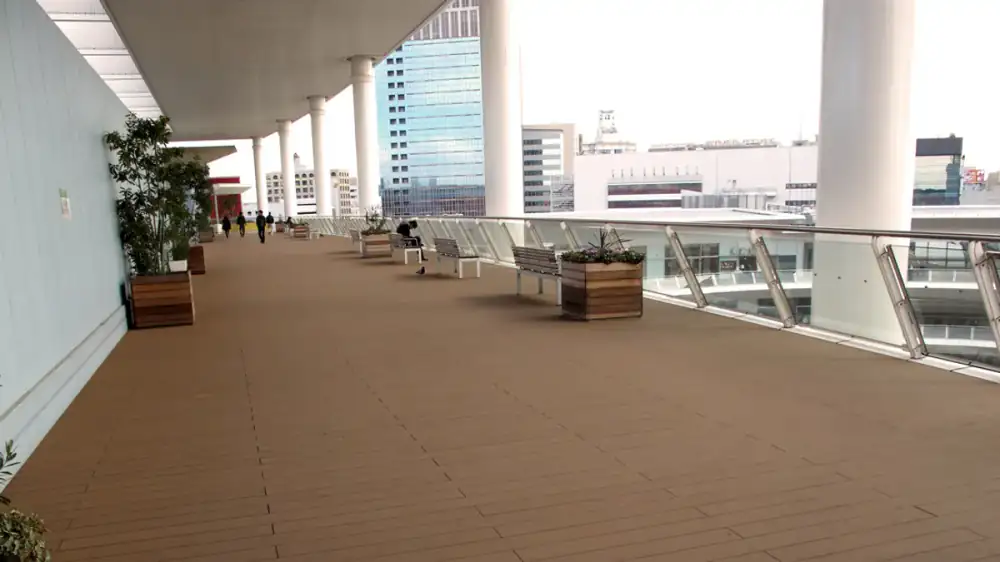
Composite Decking: Care and Cleaning
Composite decking is low-maintenance, not no-maintenance. Here's how to clean it, remove stains and avoid damaging the boards.
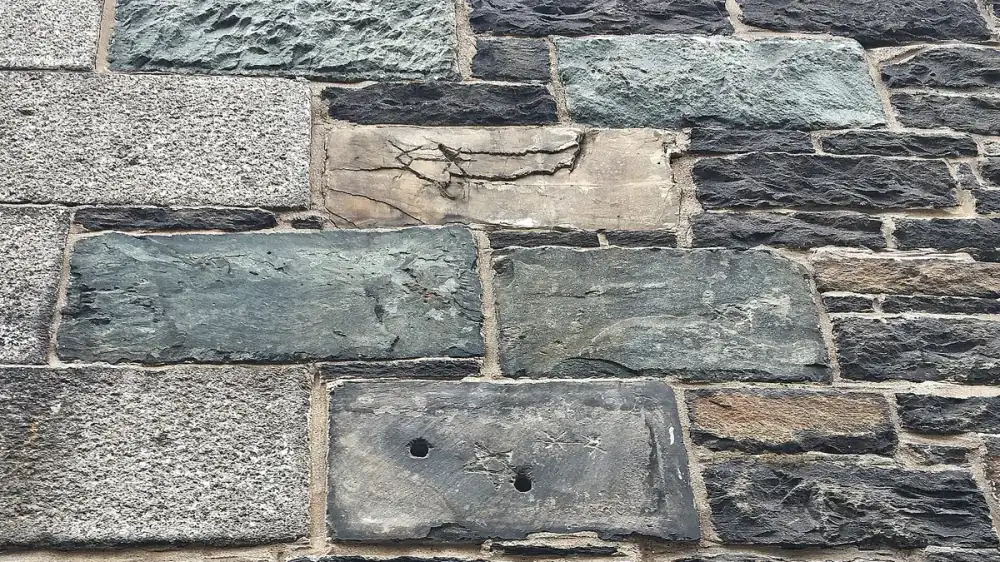
Natural Stone: Exterior Care and Cleaning
Natural stone is the most durable exterior surface, but some stones etch or stain easily. Here's how to clean and care for it safely.